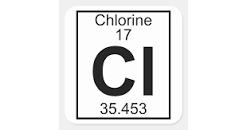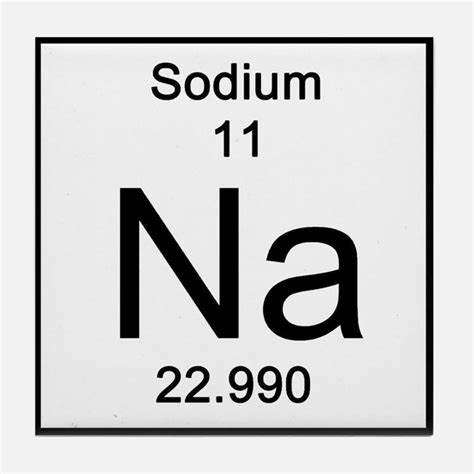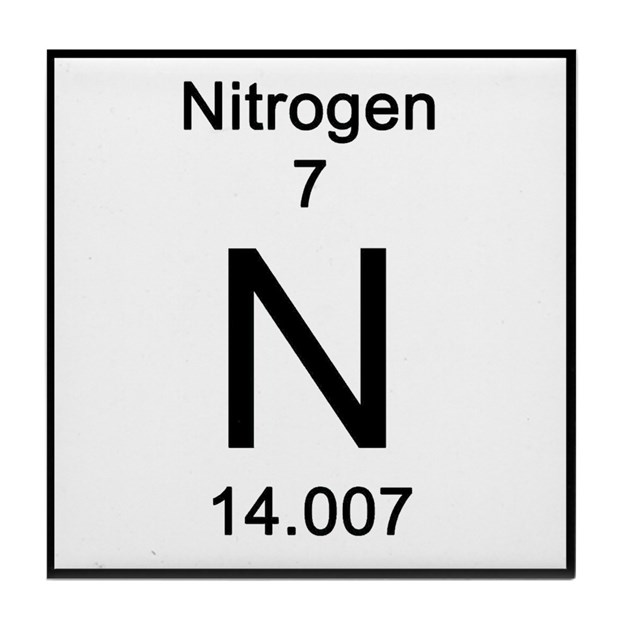
Using the image, what is the atomic number?
Using the image, what is the atomic number?
A positively charged subatomic particle found in the nucleus of an atom is
A negatively charged particle located outside the atom's nucleus is
A subatomic particle that has no charge and that is found in the nucleus of an atom is
A center of an atom is
An area around the center of the atom where electrons are located
The smallest particle of an element that still retains the element's properties is
Given the atomic number 17, the mass number 36, how many neutrons does it have?
Using the image, what is the atomic number?
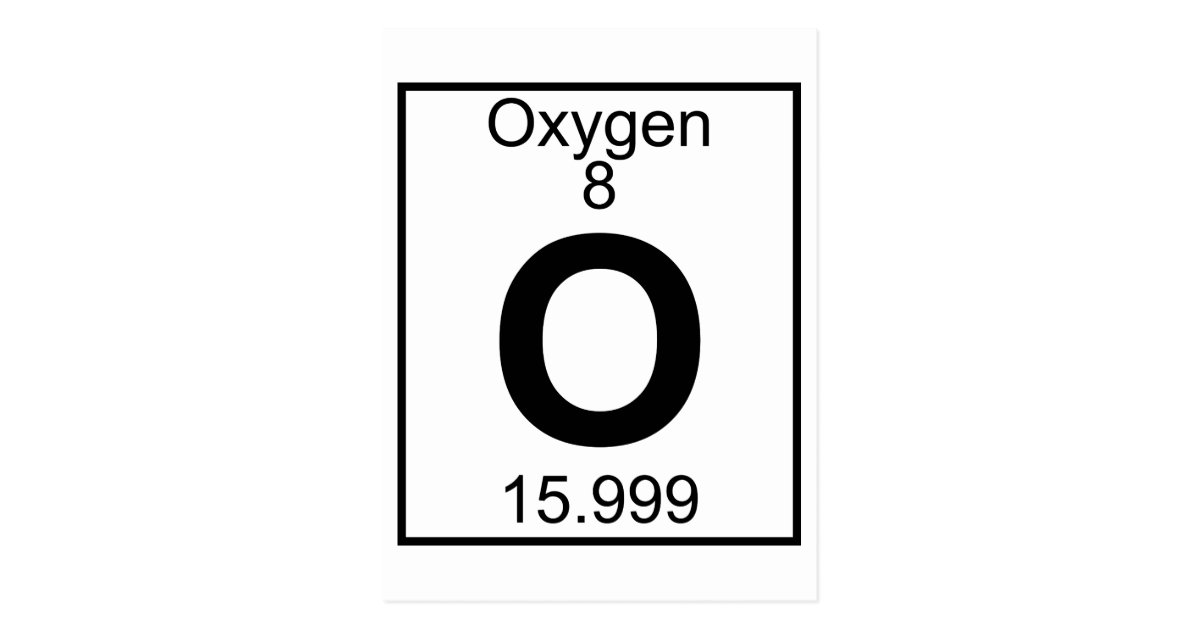
What is the atomic mass of the element in the picture?
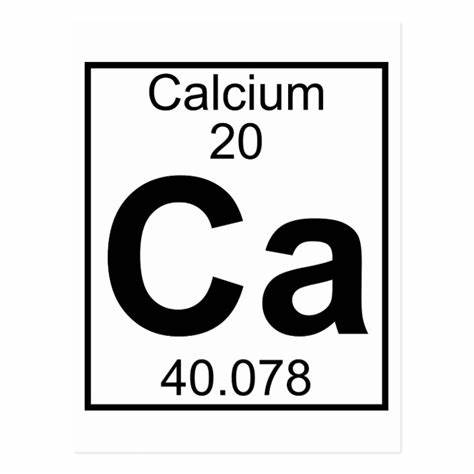
What is the atomic symbol of the element in the picture?
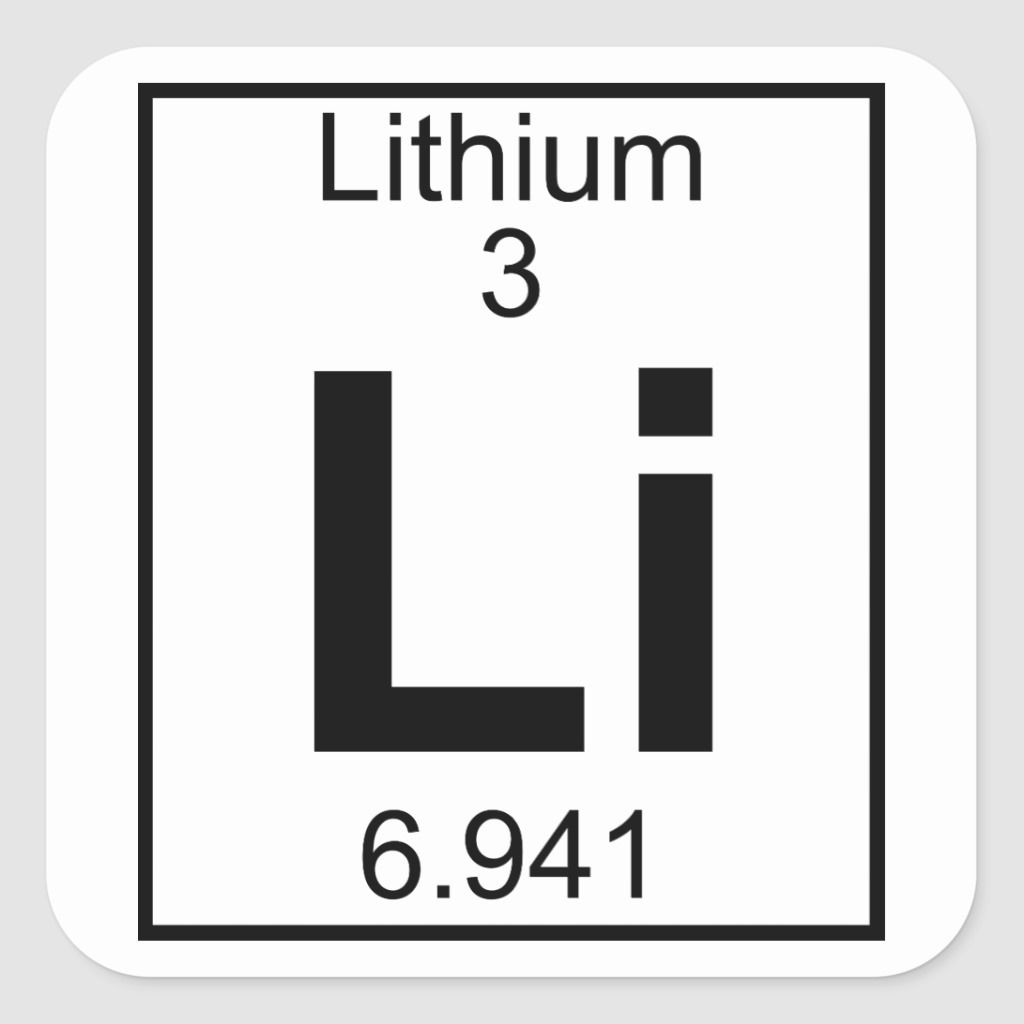
How many protons are in the element in the picture?
Chlorine is on the 3rd row and the 7th column. This would mean it has _____ shells and ______ valence electrons
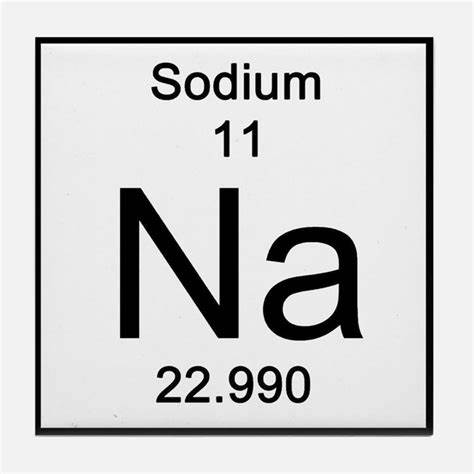
How many neutrons are in the element in the picture?
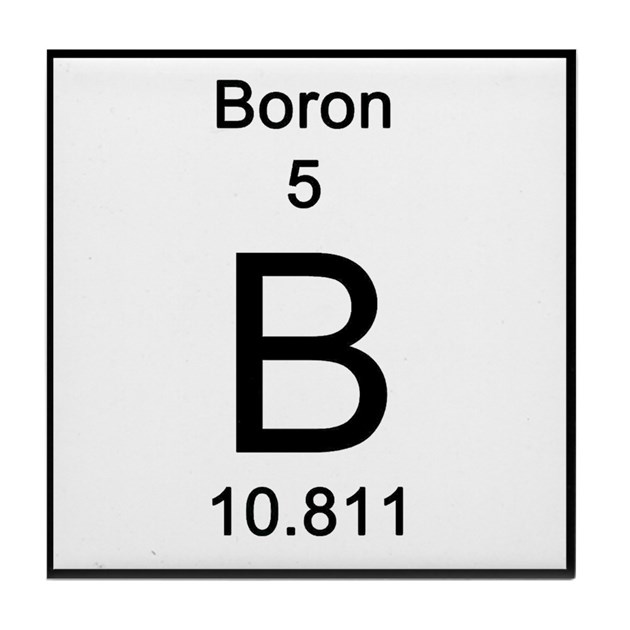
How many electrons are in the element in the picture?
What is a valence electron?
Which part of an atom makes up most of its mass?
Which determines the identity of an element?
Adding the number of protons and neutrons in an atom results in the
An element's _______ is the same as the number of protons in the nucleus of its atoms.
A proton has a charge of a -1.
How many valence electrons are in a sodium atom
The number of electrons in an atom of an element is the element's atomic number.
The first energy shell can hold ____ electrons, the second can hold ______ electrons, the third can hold _____ electrons, and the fourth can hold ____ electrons.
The element beryllium (Be, atomic number 4 and atomic mass 9) is right above magnesium (Mg, atomic number 12 and atomic mass 24) in the periodic table. How many more electrons does magnesium have than beryllium?