Visit the website dinasaurpictures.org to navigate to a model of earth 750 million years ago and 20 million years ago. (Or look at the globes above)
What did Earth look like 750 million years ago compared to 20 millions years ago? How did the land formations change?
Fossils
Evidence of past life preserved in rock
Gives us clues to the past climate, environment, and abiotic factors in an area
Body Fossils: Actual remains of an organism
Trace Fossils: Not an actual part of the organism, but shows evidence of activity
Categorize these fossil examples as body or tracel fossils.
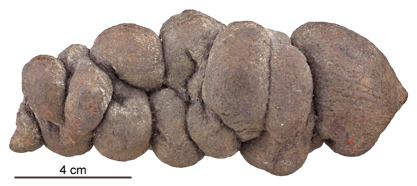
Corprolite (fossilized feces)
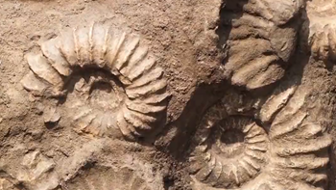
Ammonite shell
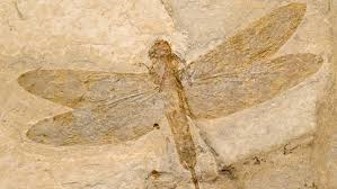
Dragonfly
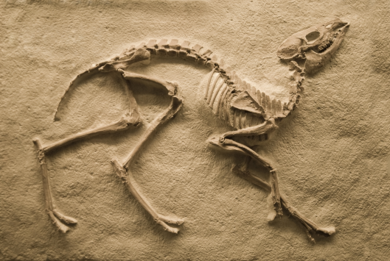
Early mammal skeleton
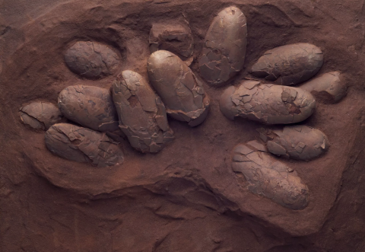
Dinosaur egg shells
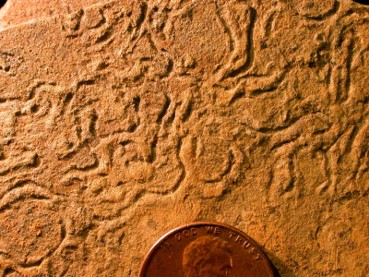
Worm burrowing
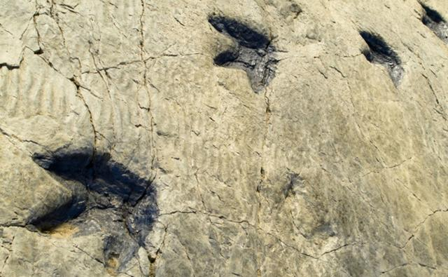
Dinosaur footprints
Body Fossil
Trace Fossil
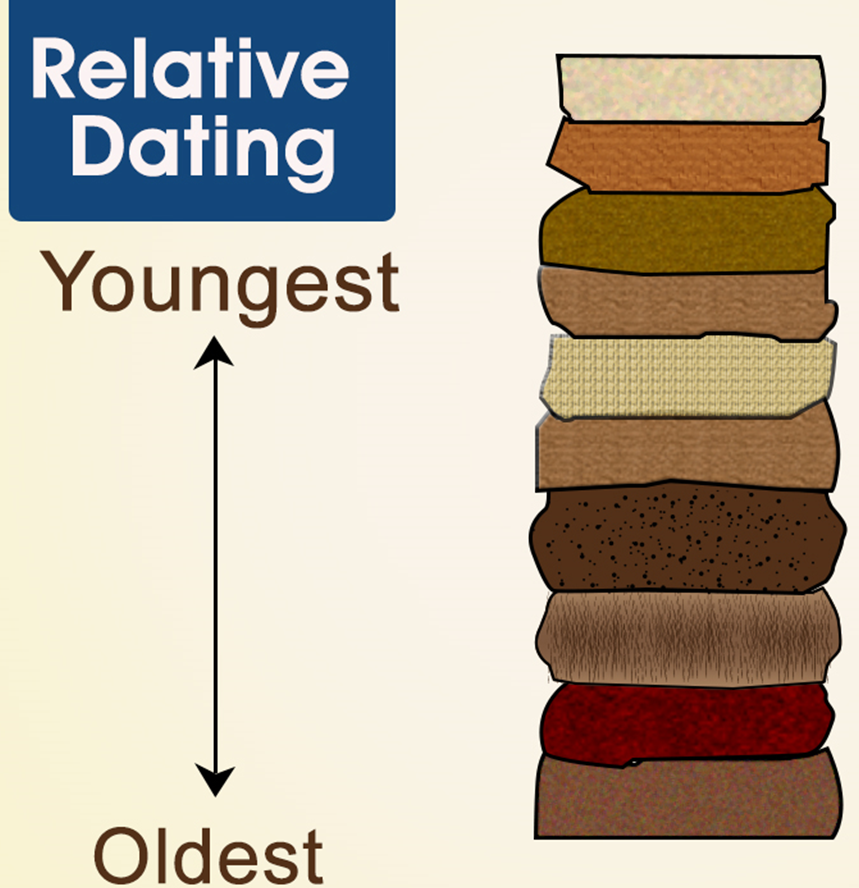
Relative Dating
Putting events in sequential order
Fossils and layers of rock are compared to the age of other fossils and rocks
Fossils of organisms that were sensitive to temperature changes help define key events
Here's an example of using relative time. Put these events in the order of Mrs. Winer's typical day.
Woke up
Ate dinner
Went to bed
Ate breakfast
Ate lunch
Absolute Dating
Putting events in chronological order with dates
Radiometric dating on the rock surrounding the fossils gives an approximate age
Measures the radioactive decay of element isotopes
Here's an example of using absolute time. Match the times these events would occur in a typical day for Mrs. Winer
| Draggable item | arrow_right_alt | Corresponding Item |
|---|---|---|
Ate lunch | arrow_right_alt | 6:30 am |
Woke up | arrow_right_alt | 8:00 am |
Ate dinner | arrow_right_alt | 12:00 pm (noon) |
Went to bed | arrow_right_alt | 6:00 pm |
Ate breakfast | arrow_right_alt | 9:30 pm |
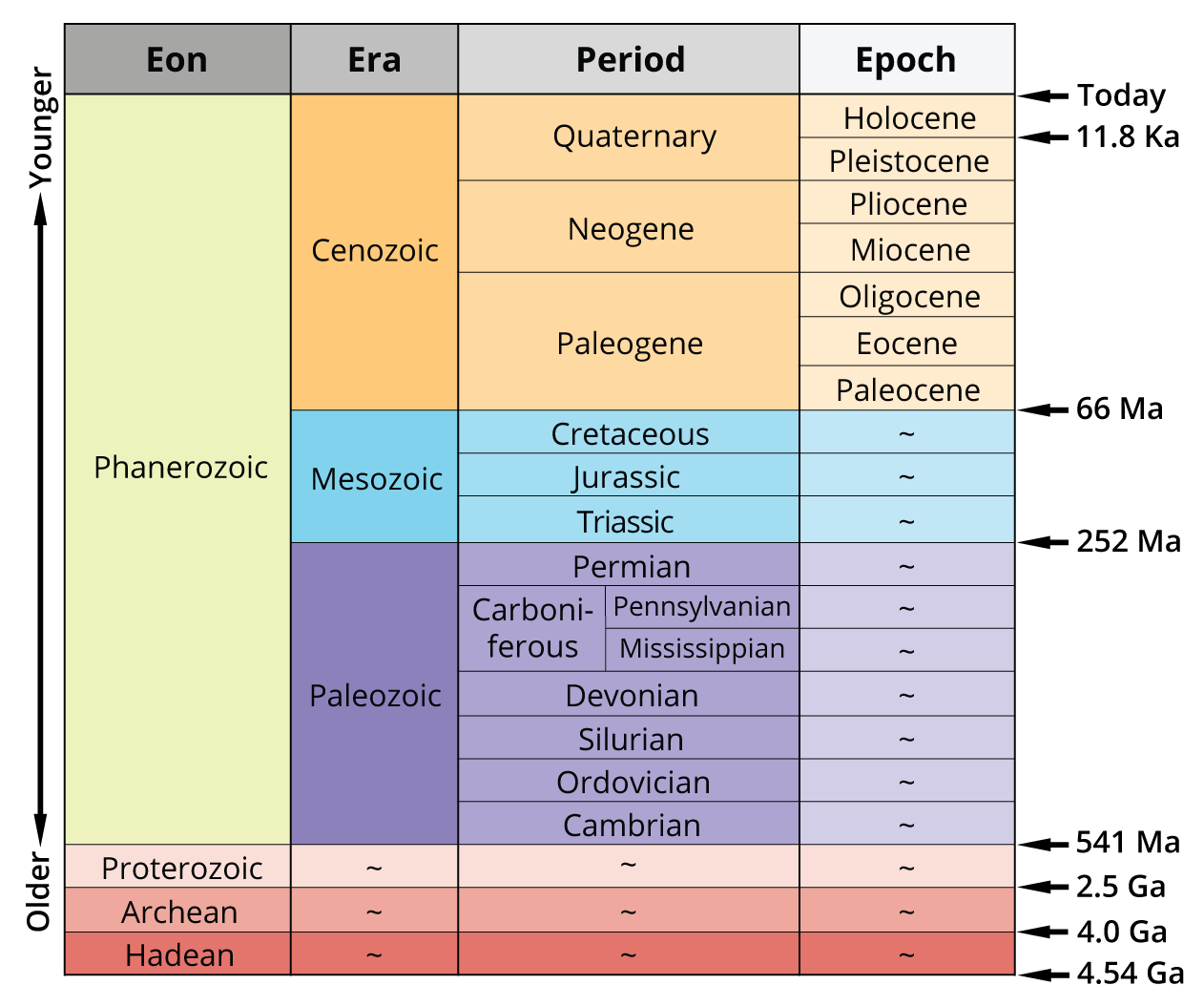
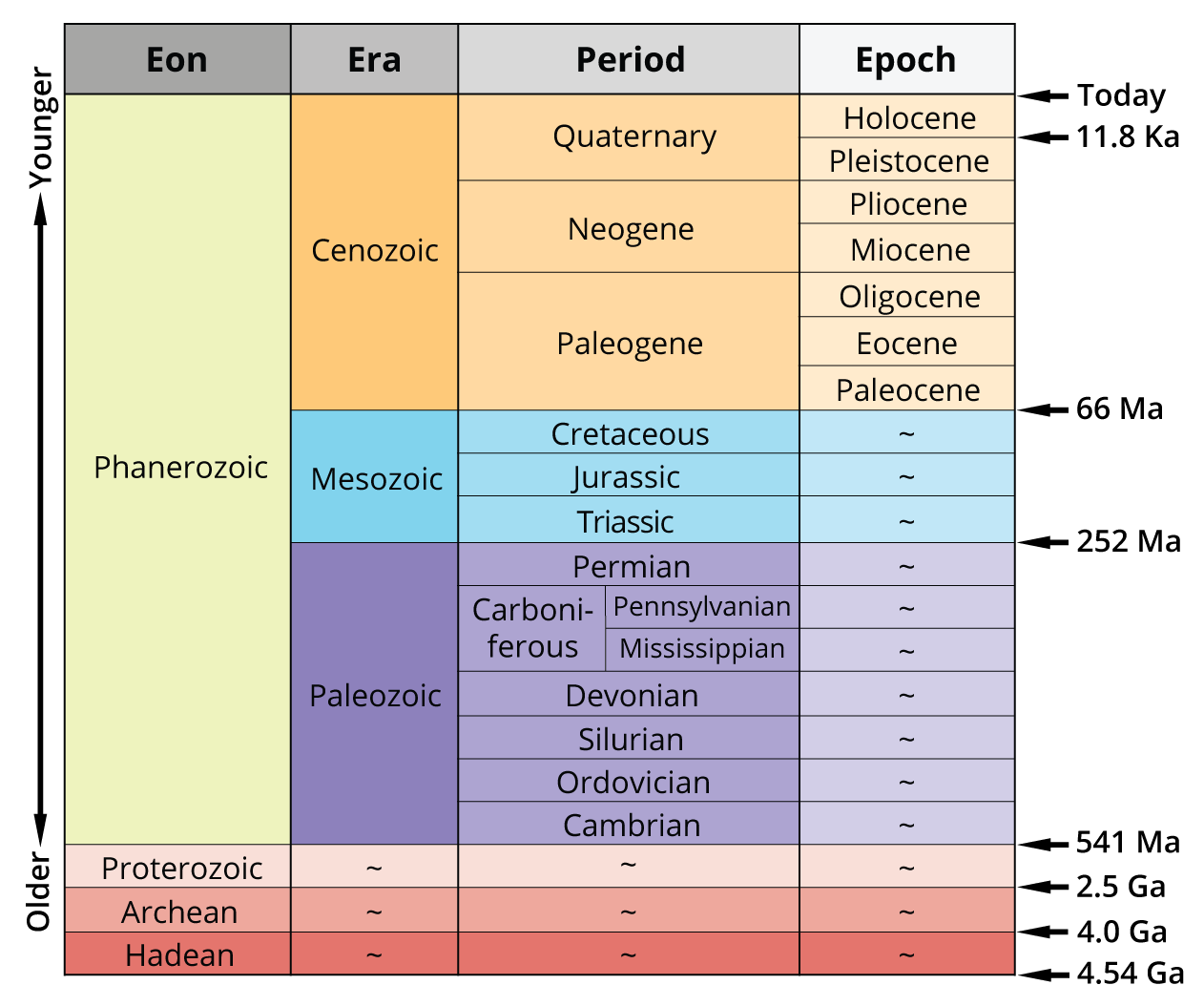
The Geologic Time Scale is used for absolute dating in earth's history.
There are 4 major divisions in the Geologic Time Scale.
The longest division are , which can be broken down into .
These can be divided into .
The smallest major divisions are
What part of the geologic time scale are we currently living in?
The layers closer to the surface must be than the layers below. The oldest fossils would be found on the
Scientists use
Arrange the geologic time divisions from largests to smallest.
Eons
Epochs
Era
Periods
Fossils have been found from the Hadean eon.
During the Proterzoic eon, what did photosynthetic bacteria add to the atmosphere?
The Phanerozoic eon is known as the time of visible life.
The Cambrian explosion at the beginning of the Paleozoic era produced diverse and complex organisms in the
The Mesozoic Era is known as the age of
The Cenozoic era saw the rise of
How would you describe what Geologic Time is in your own words?