Log in
Sign up for FREE
arrow_back
Library

02 Dust Bowl

star
star
star
star
star
Last updated about 2 hours ago
10 questions
Note from the author:
Required
0.5
Required
0.5
Required
0.5
Required
0.5
Required
0.5
Required
0.5
Required
0.5
Required
0.5

If you missed class, please use the class recording to help you.

If you missed class, please use the class recording to help you.

Question 1
1.

Draggable itemarrow_right_altCorresponding Item
arrow_right_alt
arrow_right_alt
arrow_right_alt
arrow_right_alt
arrow_right_alt
Observation is a fundamental skill in the world of science. By carefully observing the natural world around us, scientists gather information and make sense of the phenomena they encounter.
Observation is more than simply looking. It involves using our senses to collect data and information about a particular phenomenon. Scientists strive to remain unbiased and refrain from jumping to conclusions. By remaining objective, scientists can avoid making inaccurate interpretations of what they observe. Observations can be qualitative or quantitative.
  • Qualitative observations focus on qualities or characteristics, such as color, texture, or shape.
  • Quantitative observations involve measurements or numerical data, such as length, weight, or temperature.
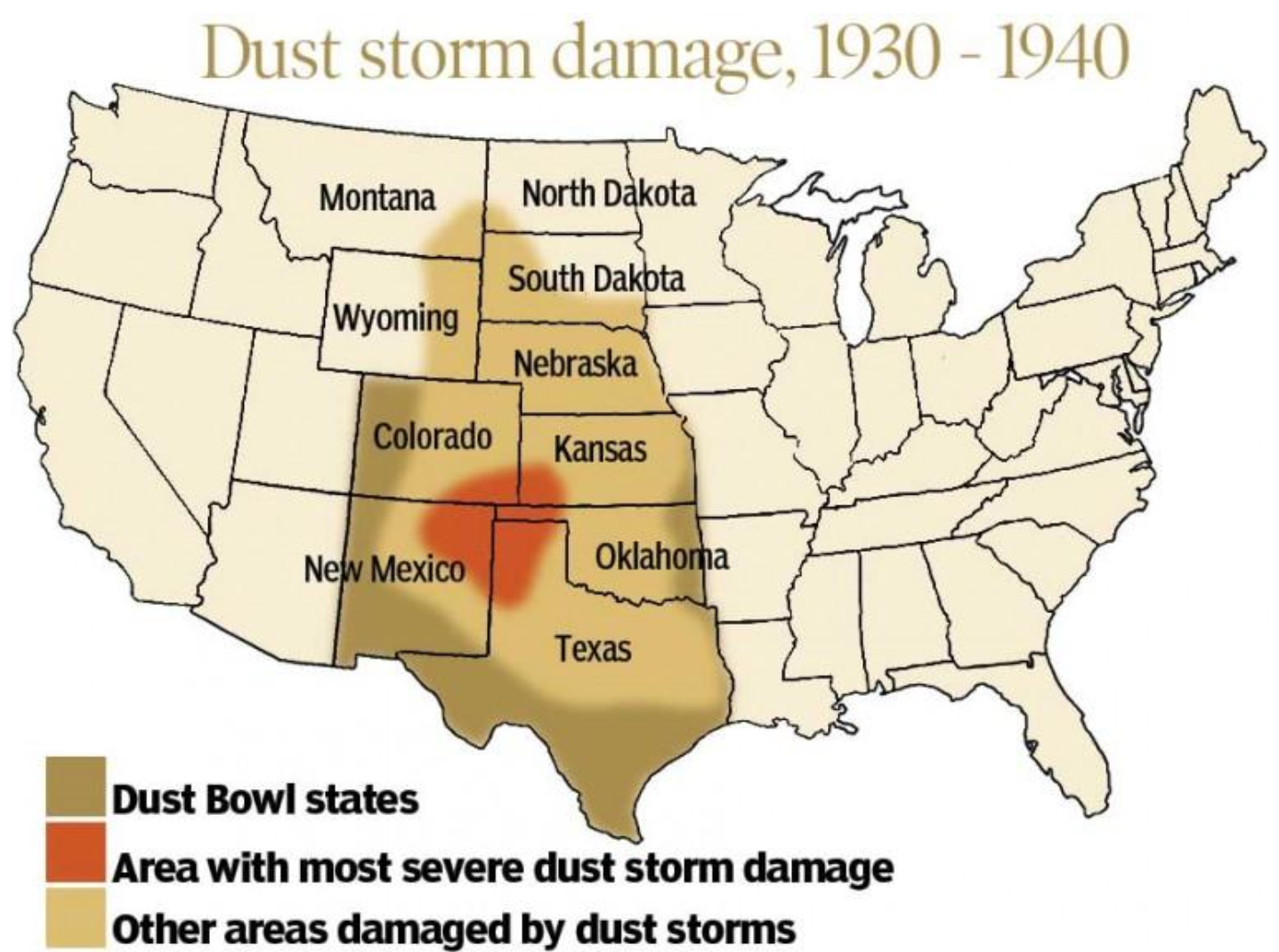
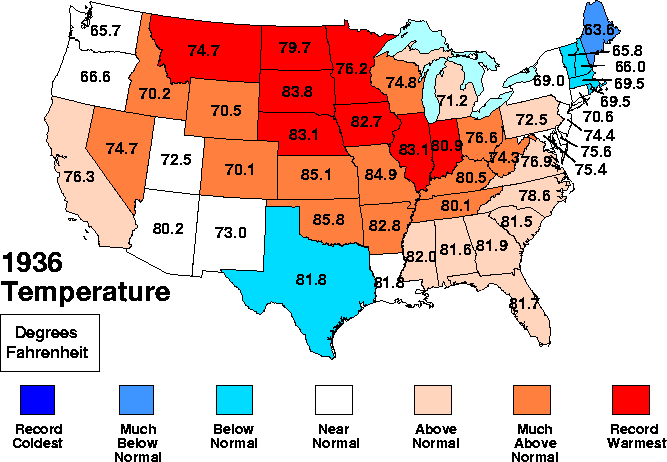
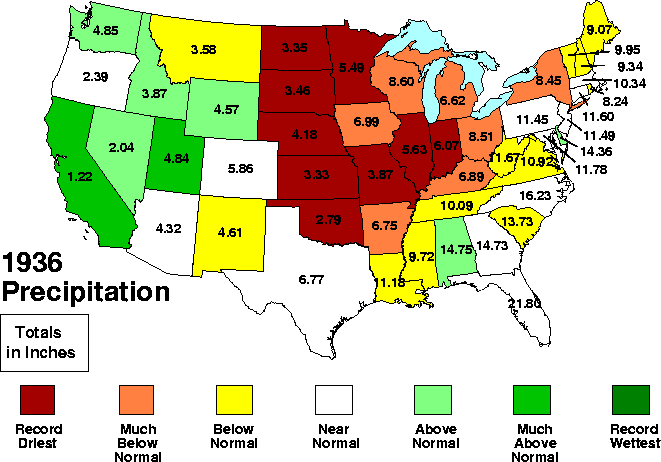
Observe the following data regarding the phenomenon of the Dust Bowl.
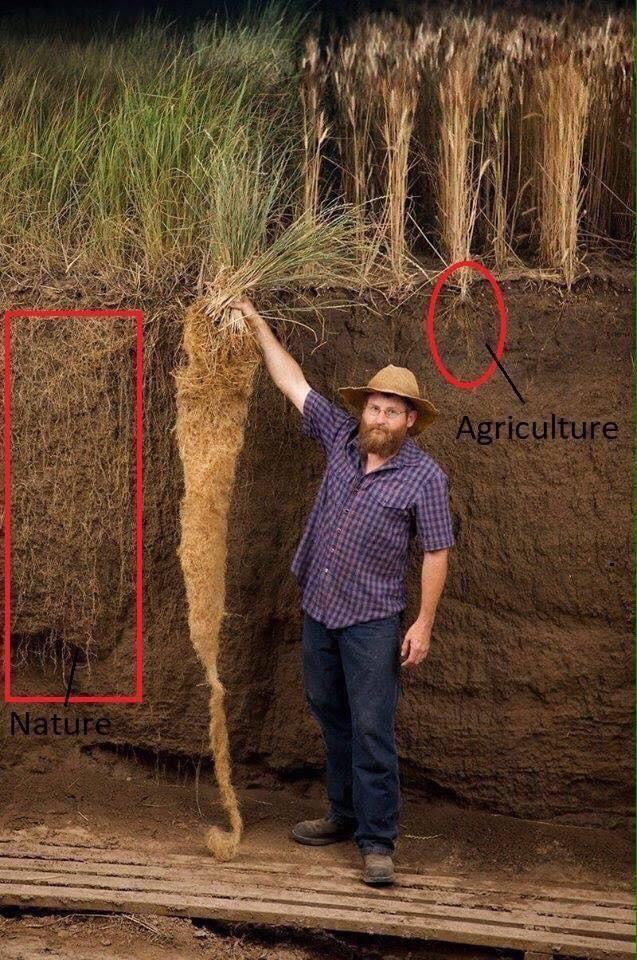
The Dust Bowl: Use the video, images, and text to learn about the Dust Bowl of the 1930s.

In the 1930s, several years of drought affected over 100 million acres in the Great Plains from North Dakota to Texas. For several decades before this drought, the invention of modern farming equipment such as gasoline tractors and harvester-combines had allowed farmers to plow more prairie than ever before, removing the grasses with deep root systems and planting shallow-rooted crops. When the soil became extremely dry from lack of rain, strong prairie winds easily removed huge amounts of soil from the farms, forming dust storms. This region was called the Dust Bowl.


Required
0.5
Question 2
2.

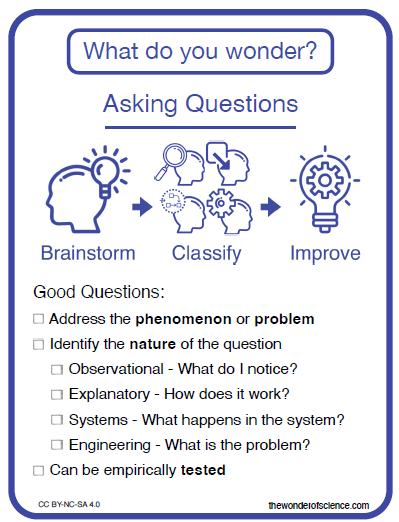
What do the video, images, and text above make you wonder about the Dust Bowl? What questions do you have?

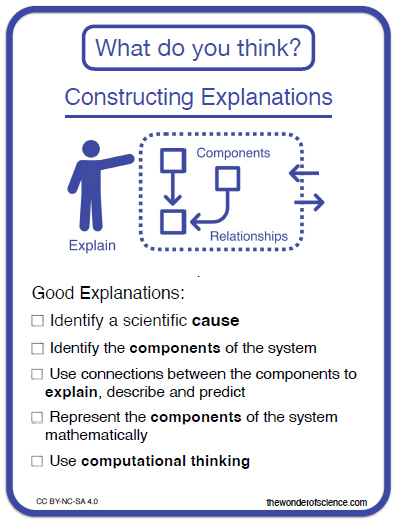
Use the graphic to the left to guide you.

There are no right or wrong answers. I only want to know what you think.

Feel free to use the blue "+" to record an audio or video response.

Required
0.5
Question 3
3.

What are some possible explanations for the phenomenon of the Dust Bowl?

Use the graphic at left to guide you.

There are no right or wrong answers. I only want to know what you think.

Feel free to use the blue "+" to record an audio or video response.

The Dust Bowl, a devastating ecological disaster that occurred in the 1930s, serves as a stark reminder of how interconnected the Earth's spheres truly are. The Dust Bowl was a result of complex interactions between the lithosphere, hydrosphere, biosphere, and atmosphere. Consider the following examples of sphere interactions during that time and determine which two spheres best fit each interaction.
Question 4
4.

Question 5
5.

Question 6
6.

Question 7
7.

Question 8
8.

Question 9
9.

Question 10
10.

Match the sphere to its description.
Cryosphere
Layer of gases surrounding the Earth where weather occurs
Geosphere
The living components of the Earth including plants and animals
Biosphere
The liquid water found on the Earth's surface such as oceans, rivers, and lakes
Atmosphere
The solid portion of the include that includes rocks, sediments, soils, and landforms
Hydrosphere
The frozen water found on the Earth's surface such as the ice caps and glaciers
For the following questions, read the statement and identify the TWO spheres involved.

The air is windy and blows the loose soil, causing dust storms.
Atmosphere
Hydrosphere
Biosphere
Geosphere
Cryosphere
Plants dry up and die when their water sources disappear.
Atmosphere
Hydrosphere
Biosphere
Geosphere
Cryosphere
Wheat and corn crops had shorter and less dense roots that didn't hold the dry soil in place.
Atmosphere
Hydrosphere
Biosphere
Geosphere
Cryosphere
There was an extreme drought and few fresh water sources and the land became dry and loose.
Atmosphere
Hydrosphere
Biosphere
Geosphere
Cryosphere
Lack of rainfall causes crops to die.
Atmosphere
Hydrosphere
Biosphere
Geosphere
Cryosphere
Plants, animals, and people struggle to breathe air during the dust storms.
Atmosphere
Hydrosphere
Biosphere
Geosphere
Cryosphere
Cool air above the Pacific Ocean prevents evaporation, resulting in extremely dry conditions in the Dust Bowl region.
Atmosphere
Hydrosphere
Biosphere
Geosphere
Cryosphere