Log in
Sign up for FREE
arrow_back
Library

4.07 Energy Transfer

star
star
star
star
star
Last updated about 2 hours ago
9 questions
Note from the author:
1
HS-ESS2-4
3
HS-ESS2-4
2
HS-ESS2-4
2
HS-ESS2-4
2
HS-ESS2-4
2
HS-ESS2-4
4
HS-ESS2-4
4
HS-ESS2-4
0

Please watch this recording to help you complete this assignment. (updated 3/4/25)

Please watch this recording to help you complete this assignment. (updated 3/4/25)

Question 1
1.

Warm up: Complete this question at the start of class, or before you watch the recording. You'll earn credit for sharing your thoughts, even if you don't know the correct answer yet. Click the blue + if you would rather record an audio response.

Why do we have seasons?

Question 2
2.

Draggable itemarrow_right_altCorresponding Item
arrow_right_alt
arrow_right_alt
arrow_right_alt
Question 3
3.

Question 4
4.

Question 5
5.

Question 6
6.

Question 7
7.

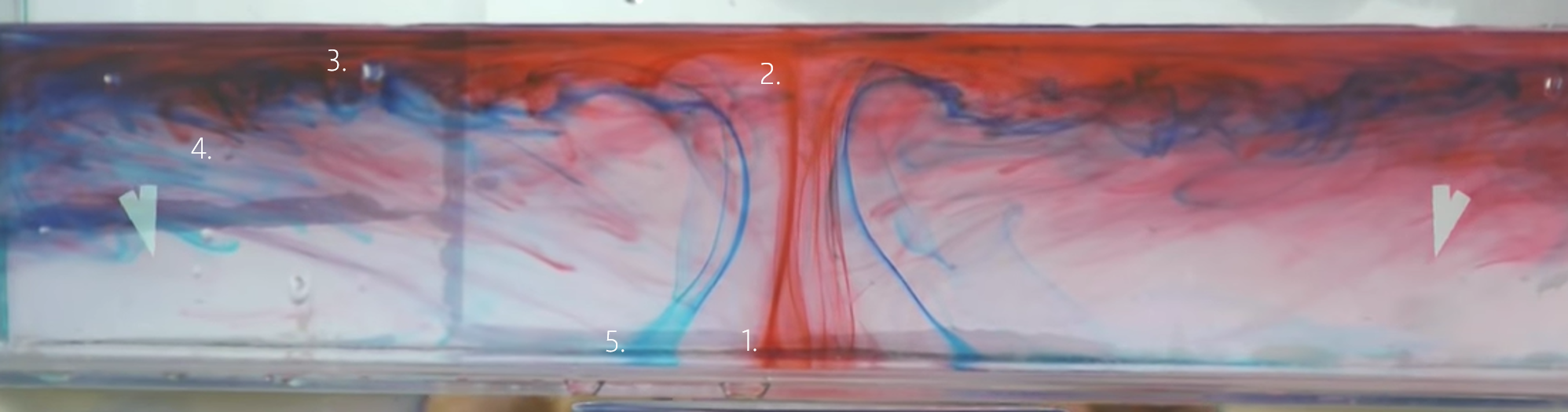
What happened to the red dye when the mug of hot water was placed under the container?
What caused the blue dye to get pulled in to the middle area?

Use the terms "high pressure," "low pressure," "warm," and "cool" in your response.


Use this link to re-watch the video if you want to see the motion again.

Question 8
8.

Question 9
9.

Mark the rubric to show me how you would rate your understanding of each learning objective from this lesson.

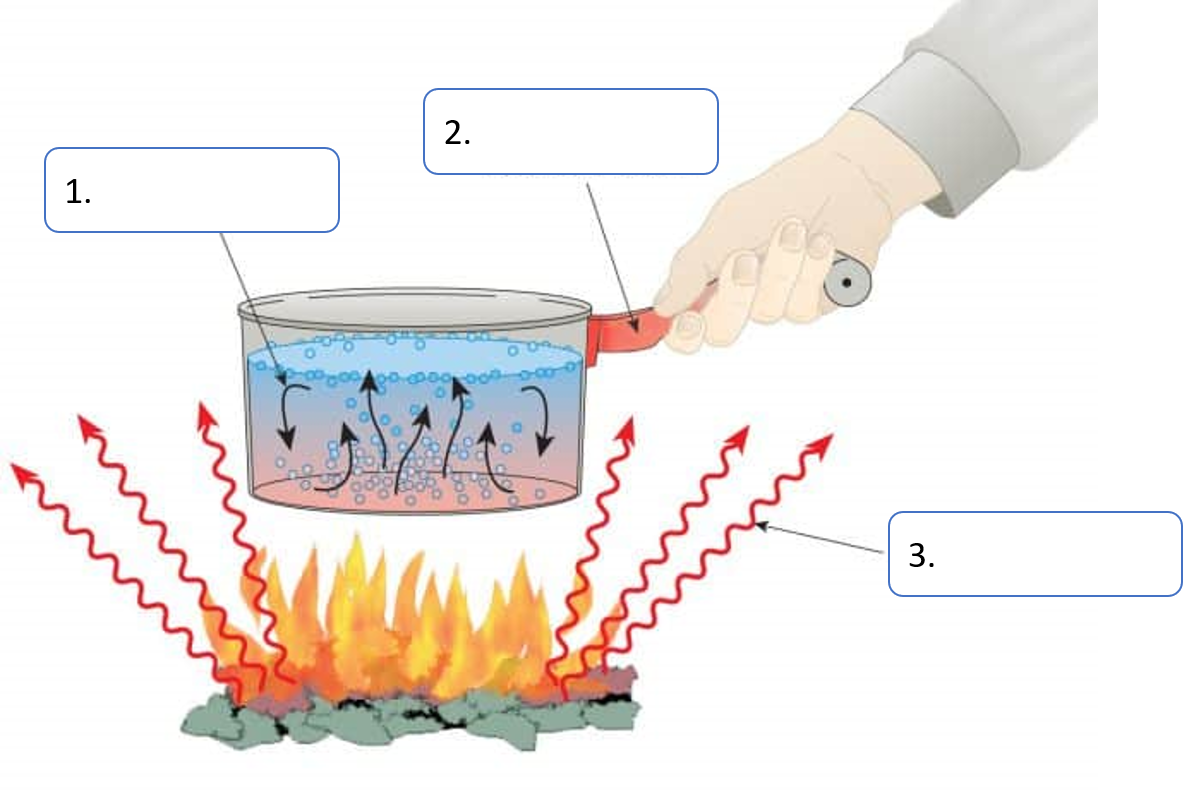
Match the types of energy transfer shown in the diagram?
3.
Convection
1
Conduction
2.
Radiation
How is the sun's energy transferred through the atmosphere?
Convection
Conduction
Radiation
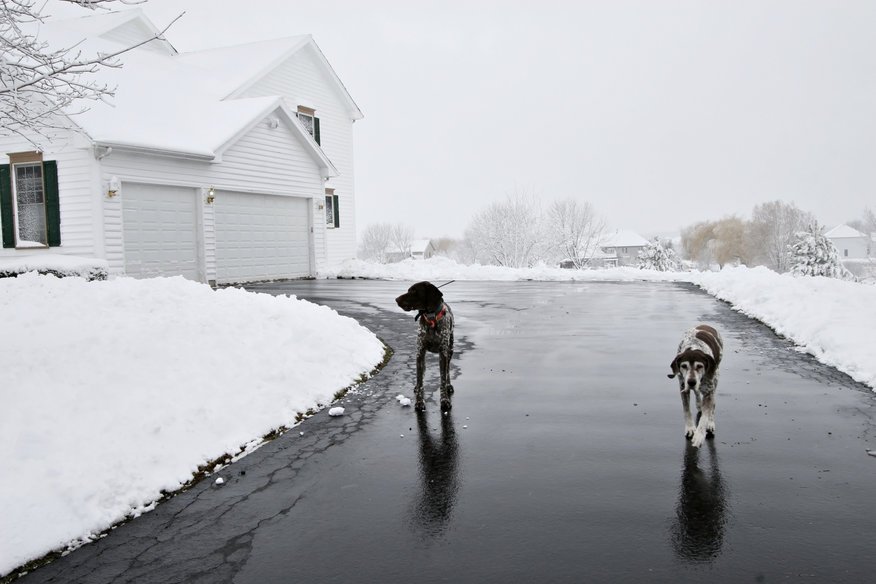
The snow on the driveway melts more quickly than the snow that covers the grass. This is because the driveway has a _____________ albedo compared to the grass
lower
higher
similar

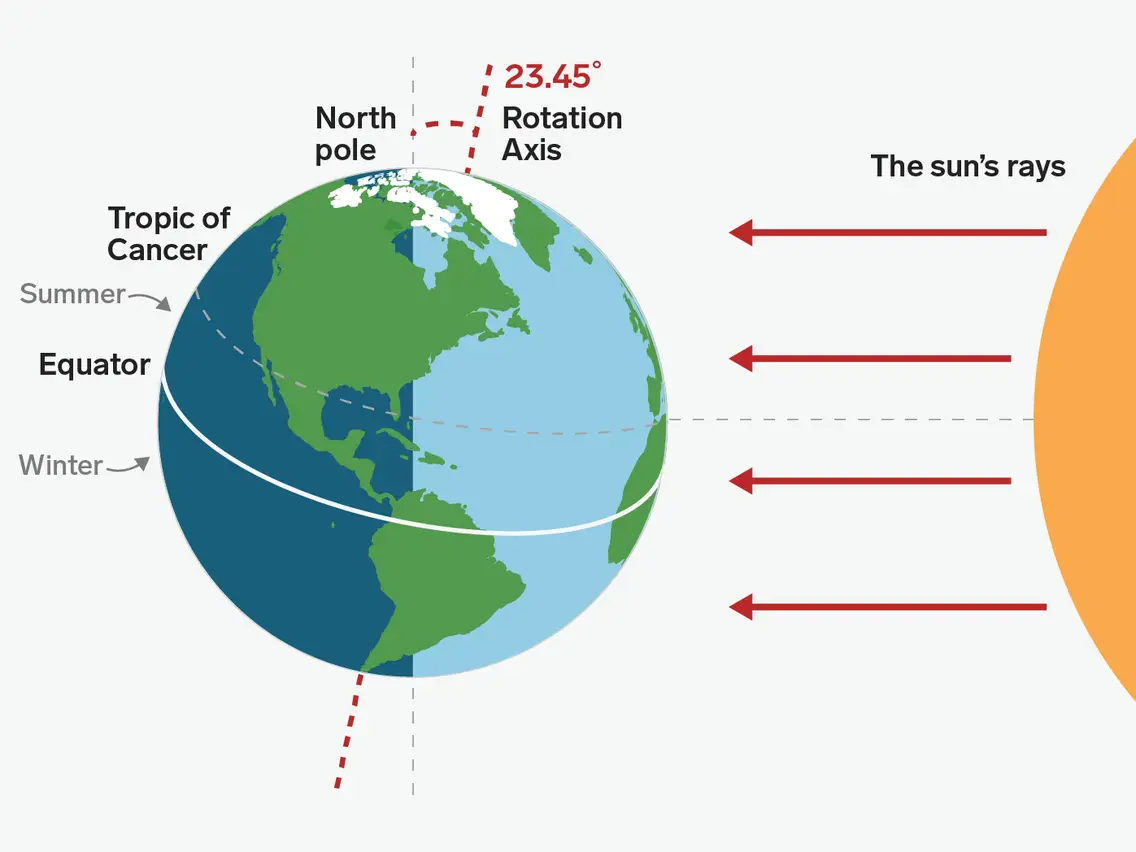
Which season is North America experiencing when it is tilted toward the sun, as shown in the diagram above?
Summer
Fall
Winter
Spring
How is weather different from climate?
Weather is short-term conditions in the atmosphere, climate is a pattern over a longer time period.
Climate is the short-term conditions in the atmosphere and weather describes long-term patterns.
Weather describes the temperature while climate describes the precipitation.
Is what you observed with the red and blue dye (in the video above) the same, or different than what you observed in this experiment?
It is the same, cool air sinks and warm air rises. The cool air over the ice moves to take the place of the warm air that rose away from the warm soil.
It is different, the cool air rises in this experiment and the cool water moved down in the video with red and blue food dye in water.