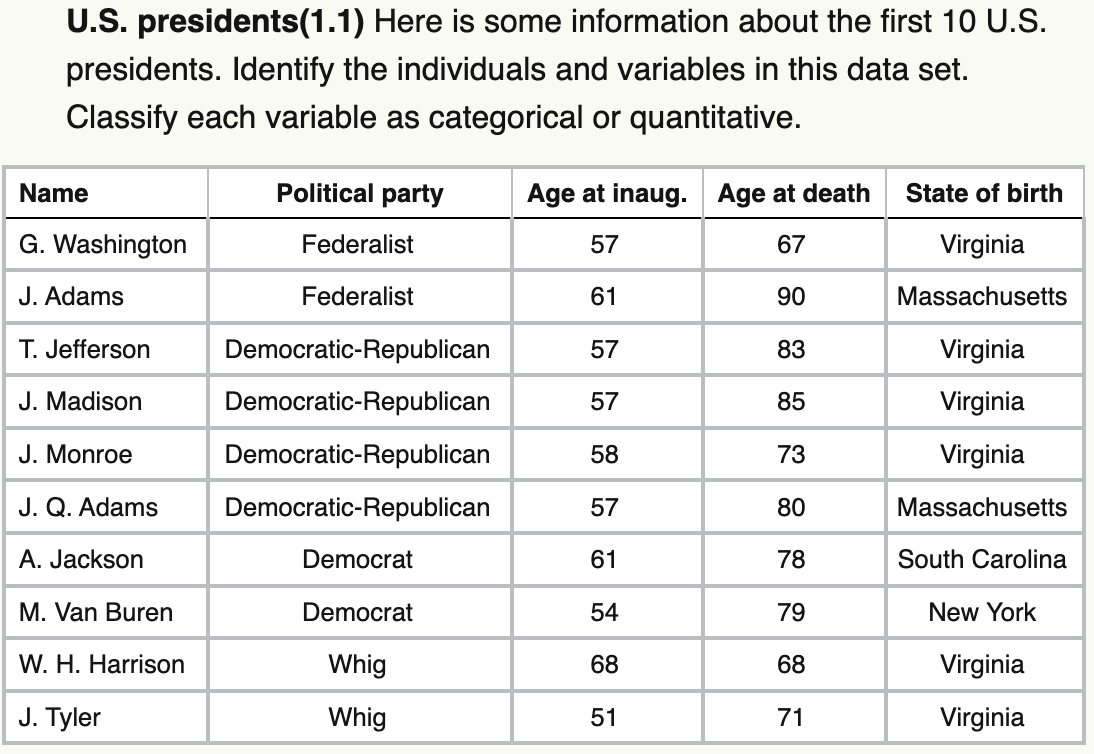
Political Party
Age at Inauguration
State of birth
Age at Death
Name
Categorical
Quantitative
Political Party
Age at Inauguration
State of birth
Age at Death
Name
Categorical
Quantitative

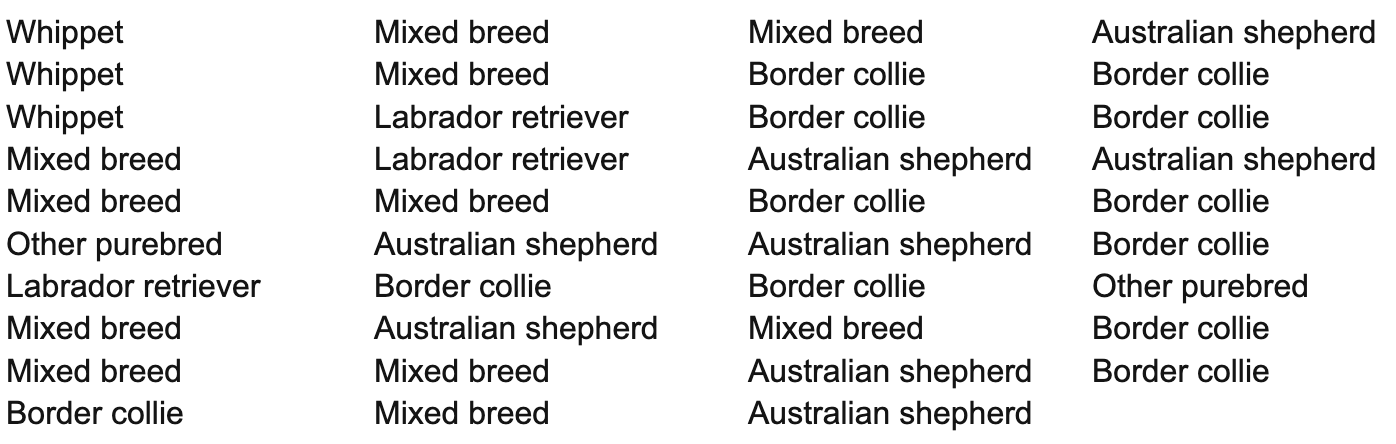
Work with a partner.

1. Use statsmedic.com/applets. Enter both the frequency table and the bar chart in the 'show your work' area.
2. Then describe what you see, using the four letters. Be sure to use the words for each letter in your description.
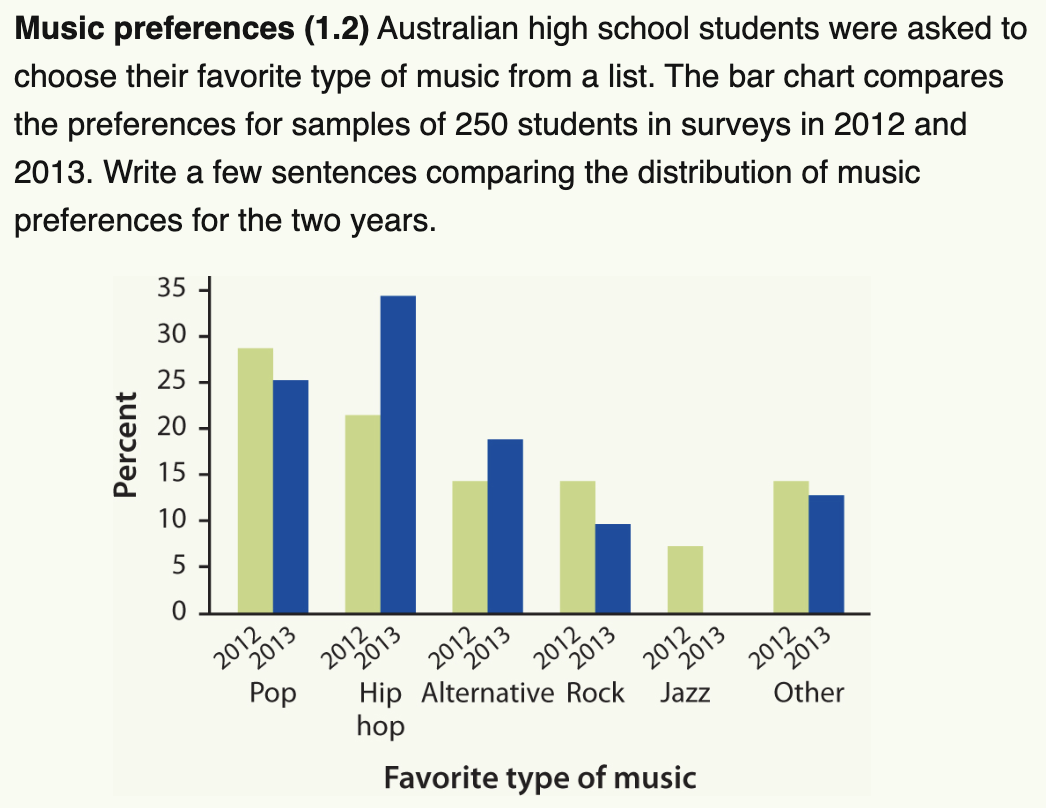
Describe two changes you notice from 2012 to 2013:
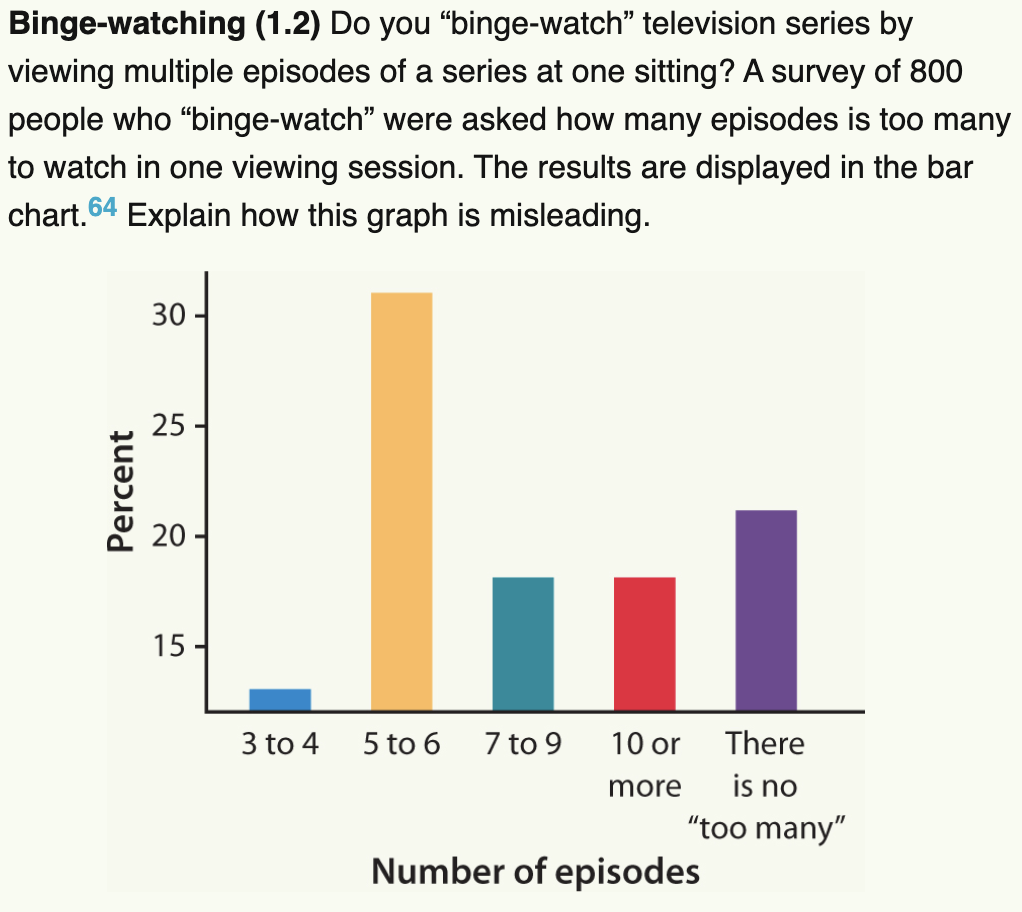
Explain how the bar chart is misleading. What does it make you think when looking at the data? How could it be fixed?
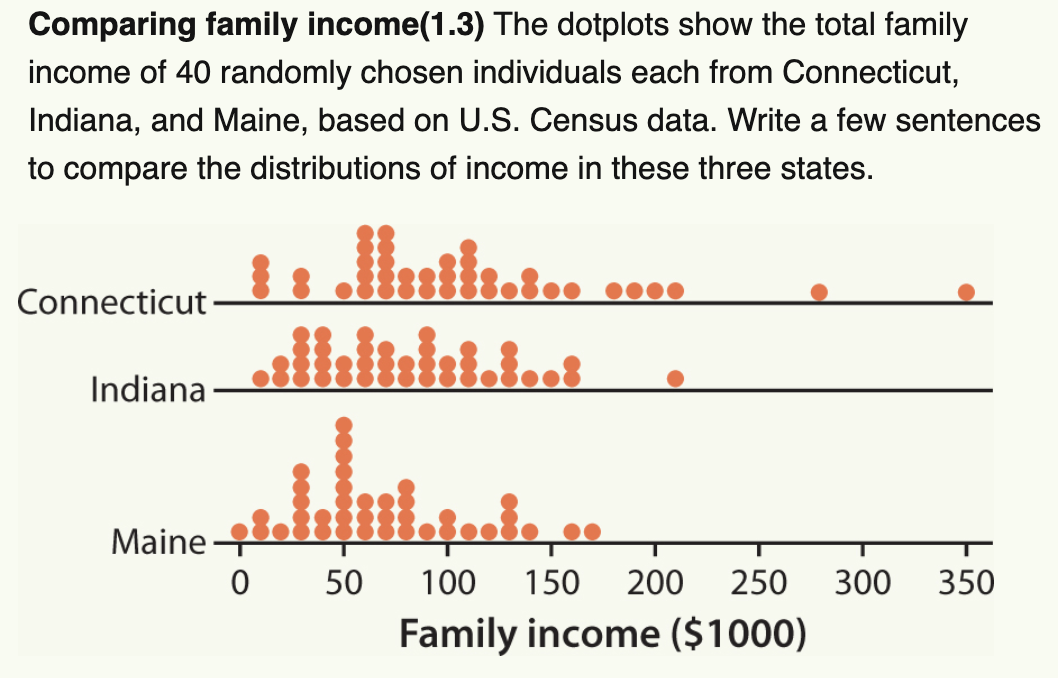
Connecticut
Maine
Indiana
State with the least variability
State with the most variability
State with the strongest right skew
State that appears to have an outlier or two.
Words and music (1.5, 1.6) For a project in their statistics class, Alex and Tempe studied the impact of different types of background music on students’ ability to remember words from a list they were allowed to study for 5 min.
Here is a histogram that displays the data on how many words one group of students who listened to Beethoven’s Fifth Symphony were able to remember.
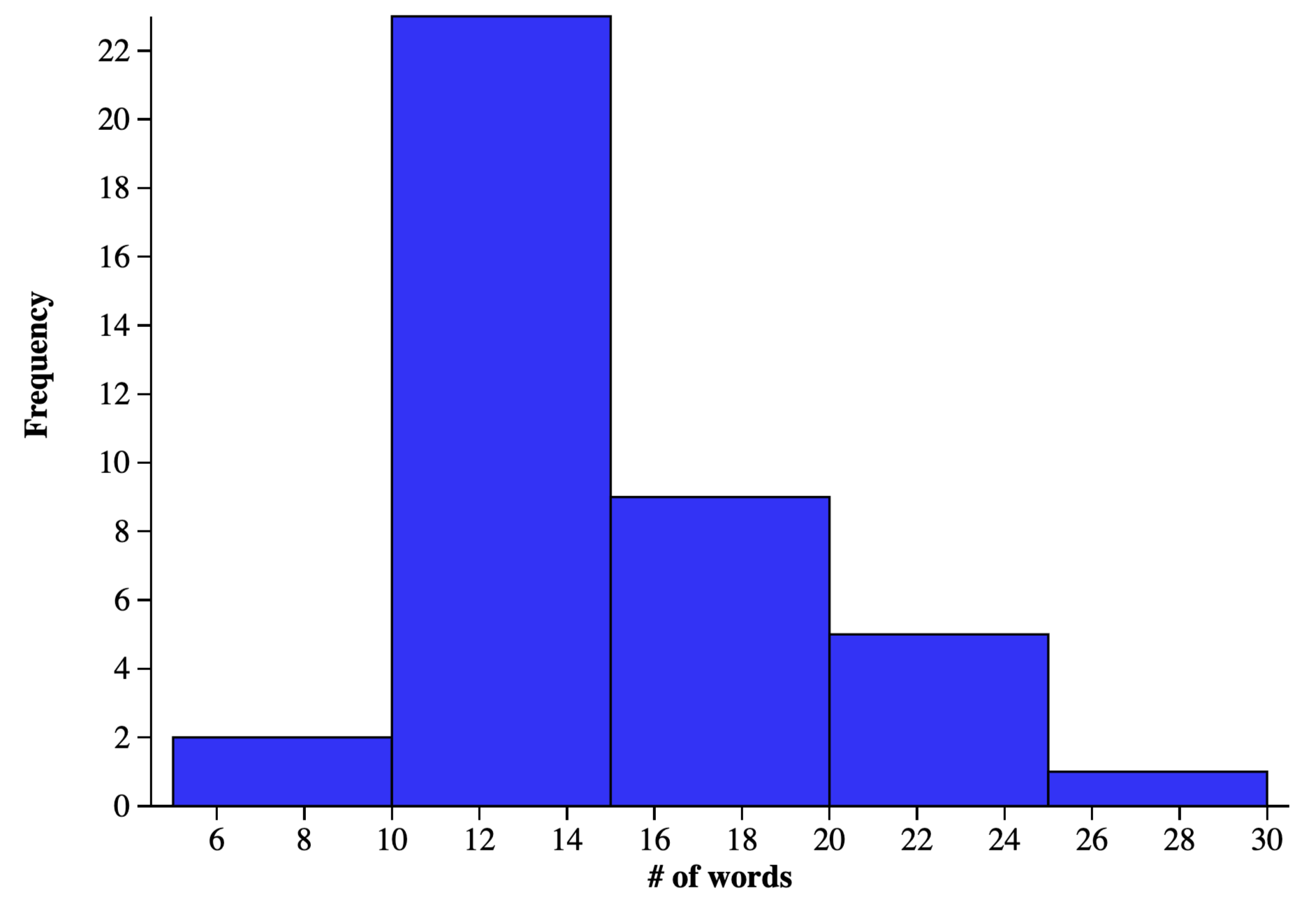
What is the shape of the histogram? Use this to decide the relationship between the mean and the median, ex. which one is bigger?
Which number is the median and which is the mean?
How do you know?
Select two answers.
Here is the data used to create the histogram in #6:
11 12 23 15 14 15 14 15
10 14 15 9 11 13 25 11
13 13 12 20 17 23 11 12
12 11 20 20 12 12 19 13
15 10 14 11 7 17 13 18
Work with a partner to enter the data into statsmedic.com/applets (1 quantitative variable single group)
Find the following:
range =
IQR =
Upper limit =
Lower limit =
Are there any outliers? Yes or No
If so, how many outliers are there?
Interpret the standard deviation:
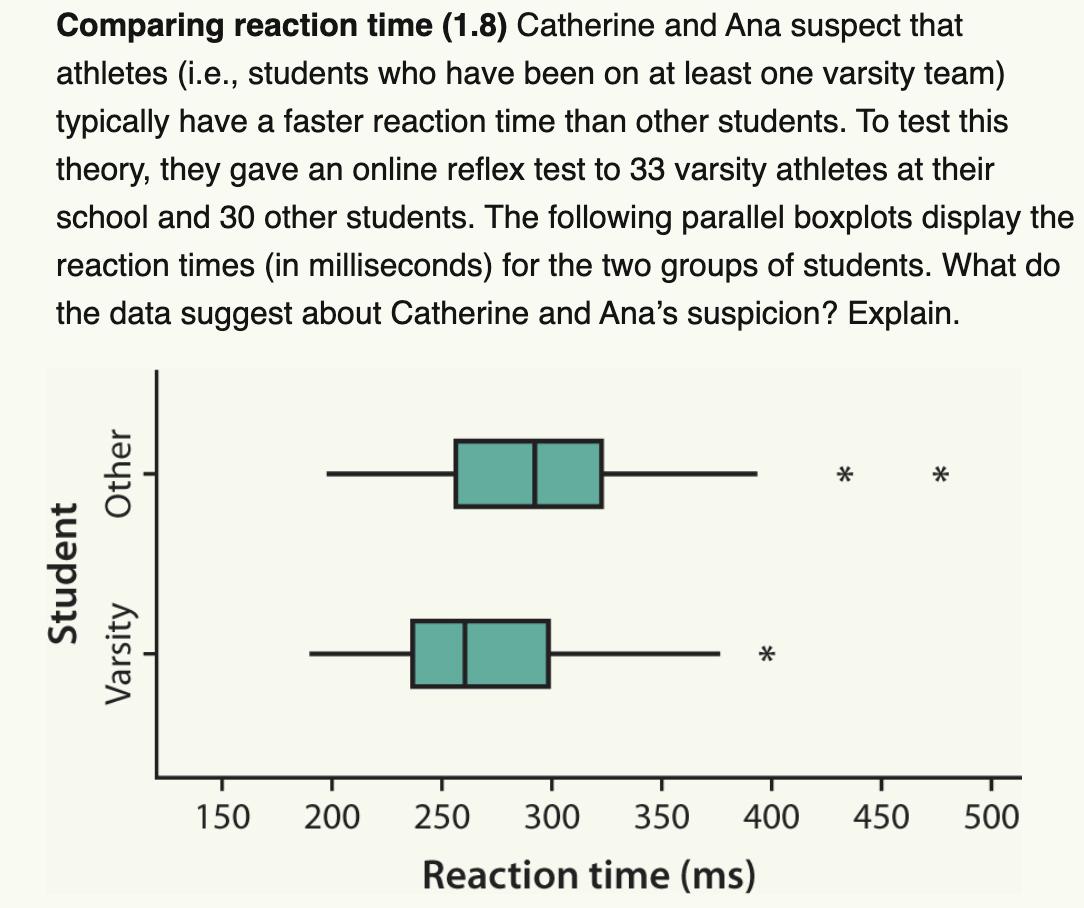
Find three answers that are correct.
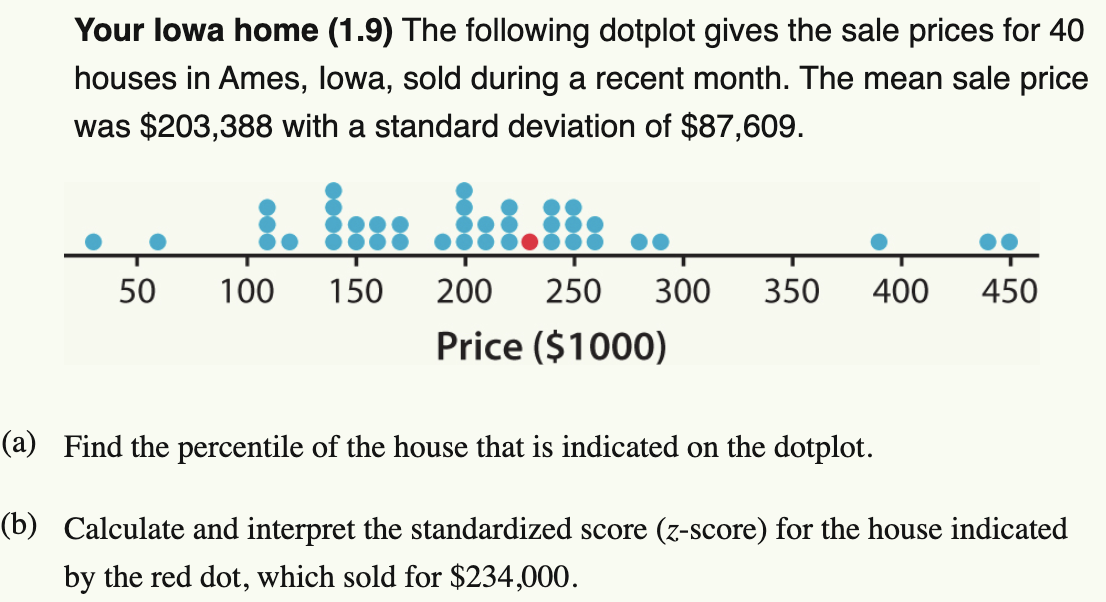
How many dots are less than the red dot?
How many dots are there total?
What is the percentile for the red dot?
This will not be on the quiz or test. Might be a bonus.
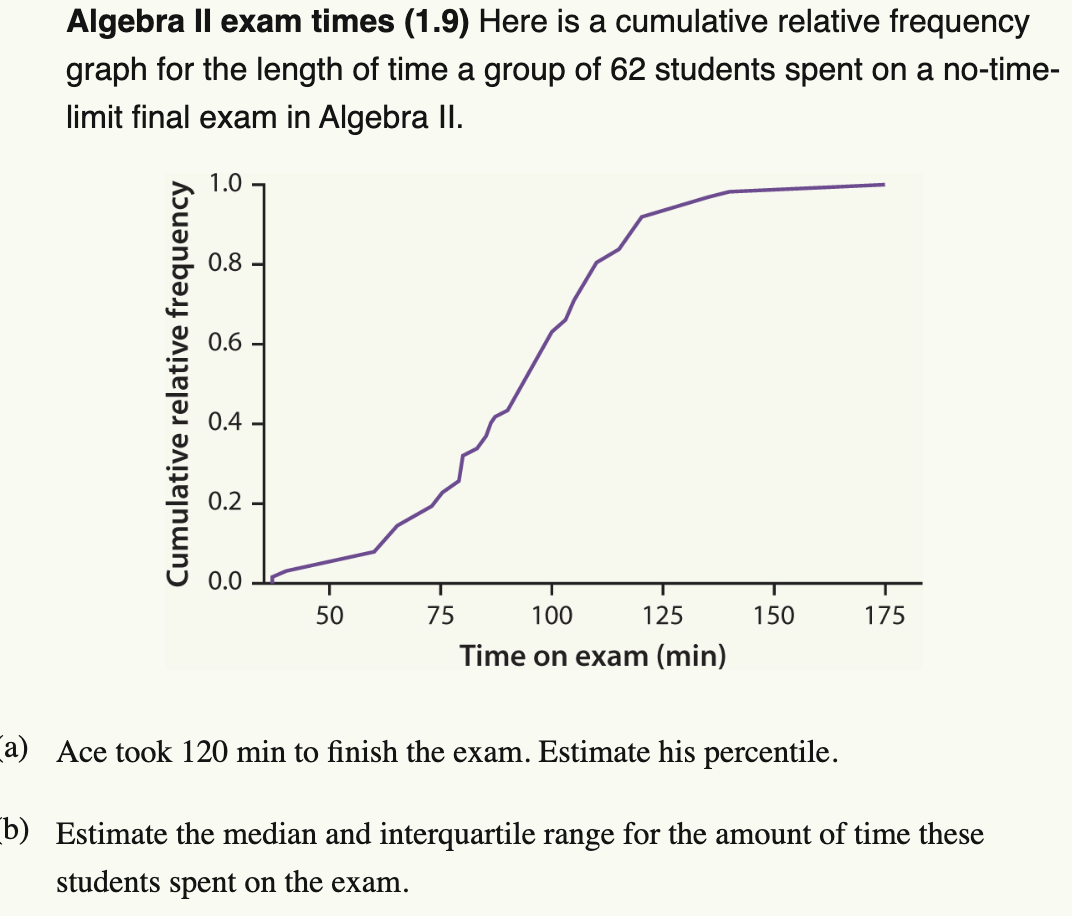
a) Find 120 on the x axis, draw a line up to the graph, then draw a line to the left to find the cumulative relative frequency. This is the percentile.
b) find the percentile for the median, Q1 and Q3 on the y axis, then draw a line over to the graph, then draw a line down to the x axis to find the data value for the median, Q1 and Q3. Use Q3 & Q1 to find the IQR.