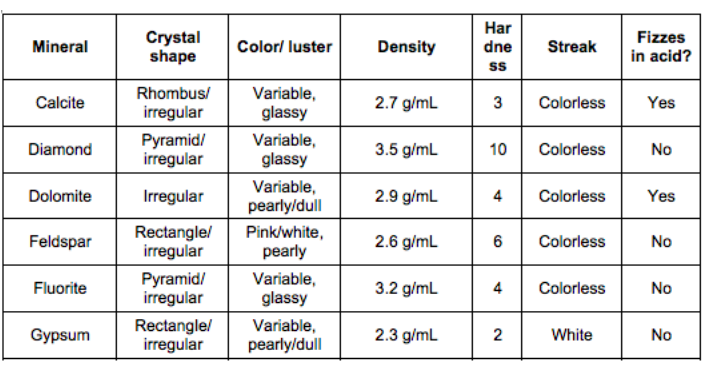
Which physical property of a mineral is represented by letter A?
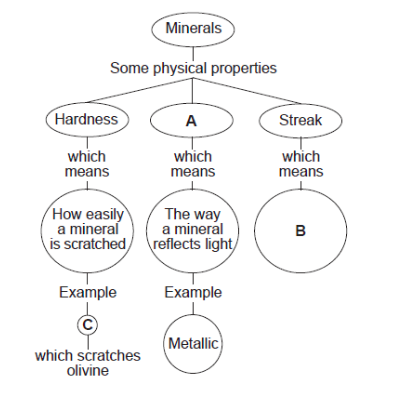
Which physical property of a mineral is represented by letter A?
The chemical formula for sulfuric acid is H2SO4. How many total atoms are contained in each molecule of sulfuric acid?
How many Chlorine atoms does 3MgCl2
How many elements does 3MgCl2
Which of the following is the correct formula for 6 water molecules?
Which of the following is a Element?
Which of the following is a Compound?
Which of the following is a Homogeneous Mixture?
Which of the following is a Heterogeneous Mixture?
You find material made from these elements H2SO4, which type of matter would it be best described as?
Which of the following is a Sulfide?
Which of the following is a Sulfate?
Which of the following is a Silicate?
Which of the following is a Carbonate?
Which property of mineral leaves a powder behind when you rub it on a tile/plate?
If a mineral scratches a piece of glass what is the hardness of the mineral?
Which physical property of a mineral is represented by letter A?
What is the difference between emission and absorption spectrum?
How many Protons does Gallium have?
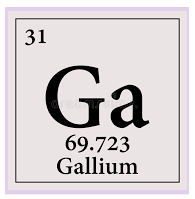
How many Nuetrons does Gallium have?
What is the atomic mass of Gallium?
Which best describes a stable atom?
If a wave moves 950nm/seconds and passes every 2.3seconds what is the wavelength of this wave? What color is this wave?
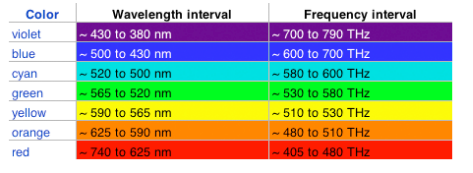
Which wave has a greater frequency ? How do you know?
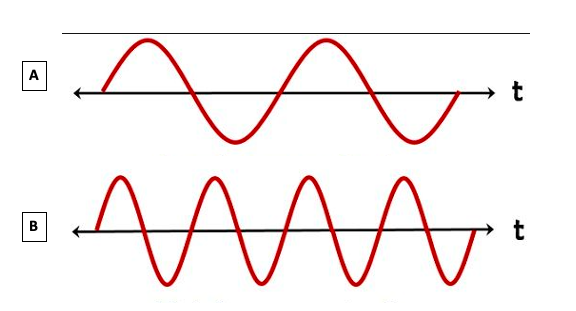
Which type of observation would the "wavelength" be considered?
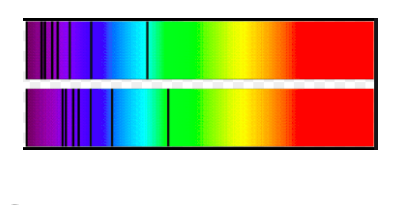
Which type of spectra is pictured below?

What type of spectra is the one pictured below?

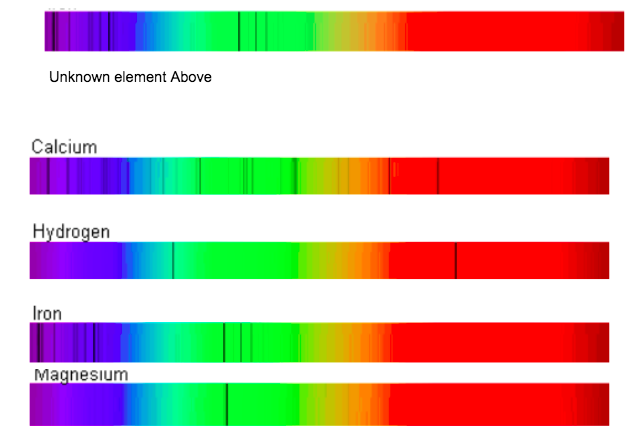
Which element(s) are in the unknown element below?
Convert 5 meters to millimeters, show your work below.
Convert 60 centimeters to meters, show your work below.
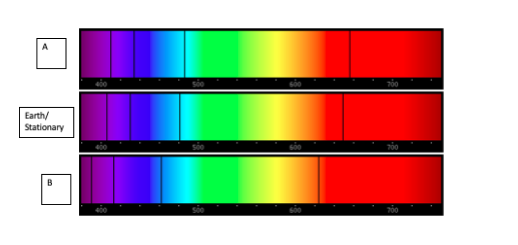
What type of shift is the bottom spectra? What happens to the wavelength?
Which star is moving away from us?
Which picture represents an Atom?
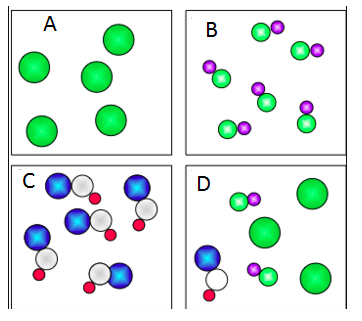
Which picture represents a Mixture?
Which property is least helpful in identifying minerals?
Which two properties are the most helpful when identifying minerals? EXPLAIN WHY.
You find a mineral that appears white-yellow it also feels greasy. It leaves behind a white streak. It does not scratch a glass plate and falls apart with a fingernail scratch. It’s chemical formula is H2Mg3(SiO3)4. It has a mass of 25g and a volume of 9.09 cm3. What is the hardness?
You find a mineral that appears white-yellow it also feels greasy. It leaves behind a white streak. It does not scratch a glass plate and falls apart with a fingernail scratch. It’s chemical formula is H2Mg3(SiO3)4. It has a mass of 25g and a volume of 9.09 cm3. What is the density?
You find a mineral that appears white-yellow it also feels greasy. It leaves behind a white powder. It does not scratch a glass plate and falls apart with a fingernail scratch. It’s chemical formula is H2Mg3(SiO3)4. It has a mass of 25g and a volume of 9.09 cm3. What is the streak?
You find a mineral that appears white-yellow it also feels greasy. It leaves behind a white powder. It does not scratch a glass plate and falls apart with a fingernail scratch. It’s chemical formula is H2Mg3(SiO3)4. It has a mass of 25g and a volume of 9.09 cm3. What is the luster?
Does this mineral have cleavage or fracture?
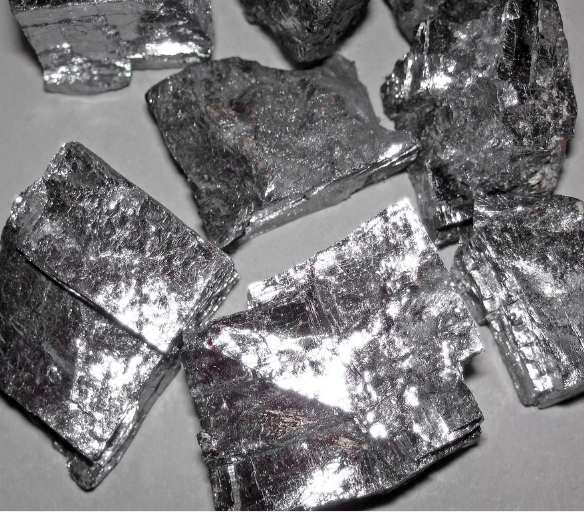
What is the luster of this mineral?
A mineral has a mass of 4.6g and a volume of 2mL. It also is irregularly shaped with a pearly/dull luster and when scratched with a fingernail it breaks apart. Finally it leaves behind a white mark. Answer the following about this mineral:
a. Luster:
b. Hardness:
c. Crystal shape:
d. Streak:
e. Density:
f. Mineral Name: