Ɛhia
1
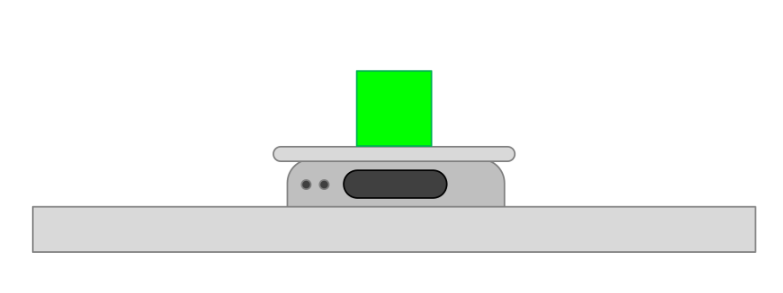
When mass is measured, does it change the identity of the sample?
When mass is measured, does it change the identity of the sample?
Ɛhia
1
Is mass a chemical or physical property of matter?
Is mass a chemical or physical property of matter?
In this skill we will learn the difference between physical and chemical properties of matter.
When physical properties are measured, the identity of the sample does not change.
When chemical properties are measured, the identity of the sample changes.
Hardness (ability to resist scratching) is a physical property because when an object is scratched it does not change the identity of an object.
Flamabillity (how easily a substance sets fire) is a chemical property because when an object burns it undergoes a chemical reaction and gets used up, meaning that the identity of the sample changes.
In this skill we will learn the difference between physical and chemical properties of matter.
When physical properties are measured, the identity of the sample does not change.
When chemical properties are measured, the identity of the sample changes.
Hardness (ability to resist scratching) is a physical property because when an object is scratched it does not change the identity of an object.
Flamabillity (how easily a substance sets fire) is a chemical property because when an object burns it undergoes a chemical reaction and gets used up, meaning that the identity of the sample changes.
When mass is measured, does it change the identity of the sample?
Is mass a chemical or physical property of matter?

When hardness (abilty to resist scratching) is measured, does it change the identity of the sample?
Is hardness a chemical or physical property of matter?
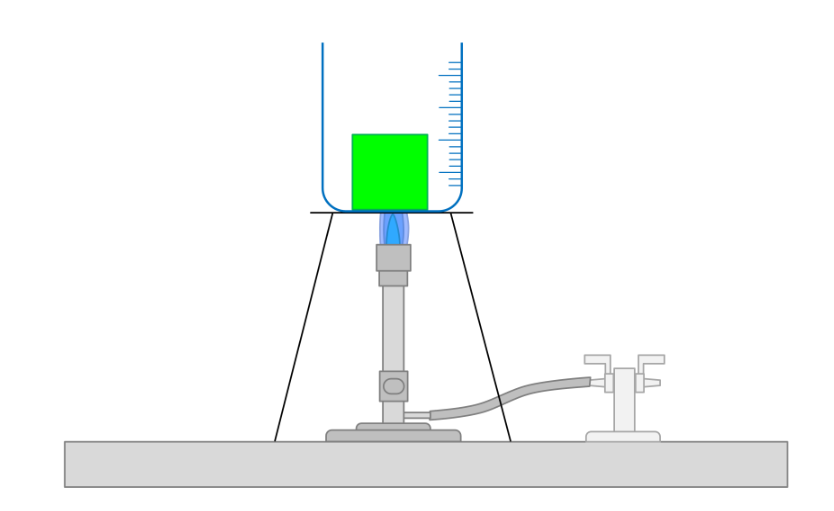
When melting point is measured, does it change the identity of the sample?
Is melting point a chemical or physical property of matter?

When reactivity (how easily a substance chemically reacts with another substance, such as acid, to form a new substance) is measured, does it change the identity of the sample?
Is reactivity a chemical or physical property of matter?
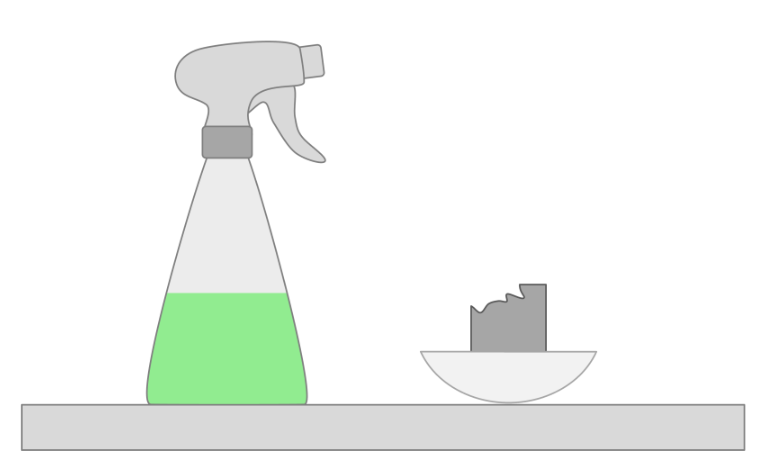
When corrosiveness (how easily a substance can cause chemical damage to another substance) is measured, does it change the identity of the sample?
Is corrosiveness a chemical or physical property of matter?
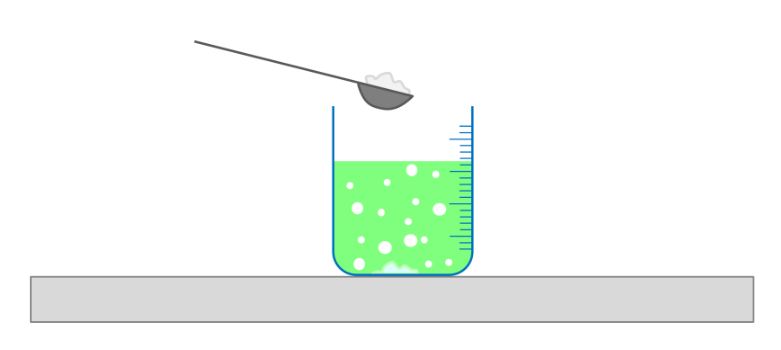
When acidity (how easily a substance reacts with a base to produce a new substance and water) is measured, does it change the identity of the sample?
Is acidity a chemical or physical property of matter?
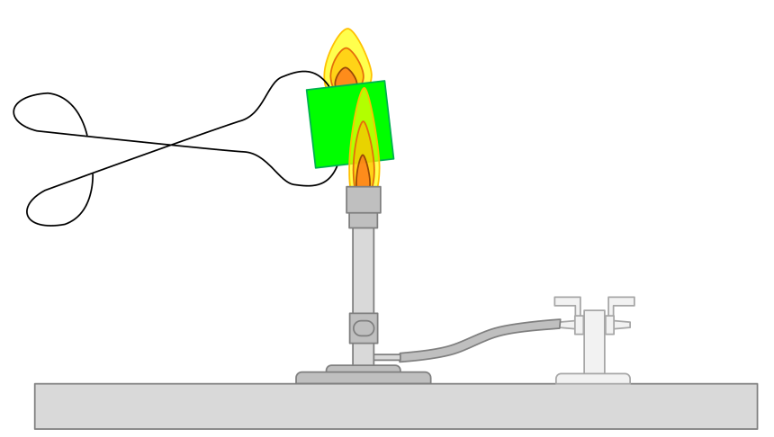
When flammability (how easily a substance sets fire) is measured, does it change the identity of the sample?
Is flammability a chemical or physical property of matter?