Log in
Sign up for FREE
arrow_back
Library

Outcome A1, and A3 Quiz #1 Review

star
star
star
star
star
Last updated over 1 year ago
37 questions
1
1
1
1
1
1
1
1
1
1
1
1
1
1
1
1
1
1
Question 11
11.

1
1
1
1
1
Question 17
17.

List the four Household hazard symbols.

Question 18
18.

The household hazard symbols come with three levels of severity. What are the three levels and what shapes does each level have?

Question 19
19.

What is the difference between a pure substance and a mixture. Give two examples of each.

1
1
1
1
1
1
1
1
1
1
1
1
1
1
Question 33
33.

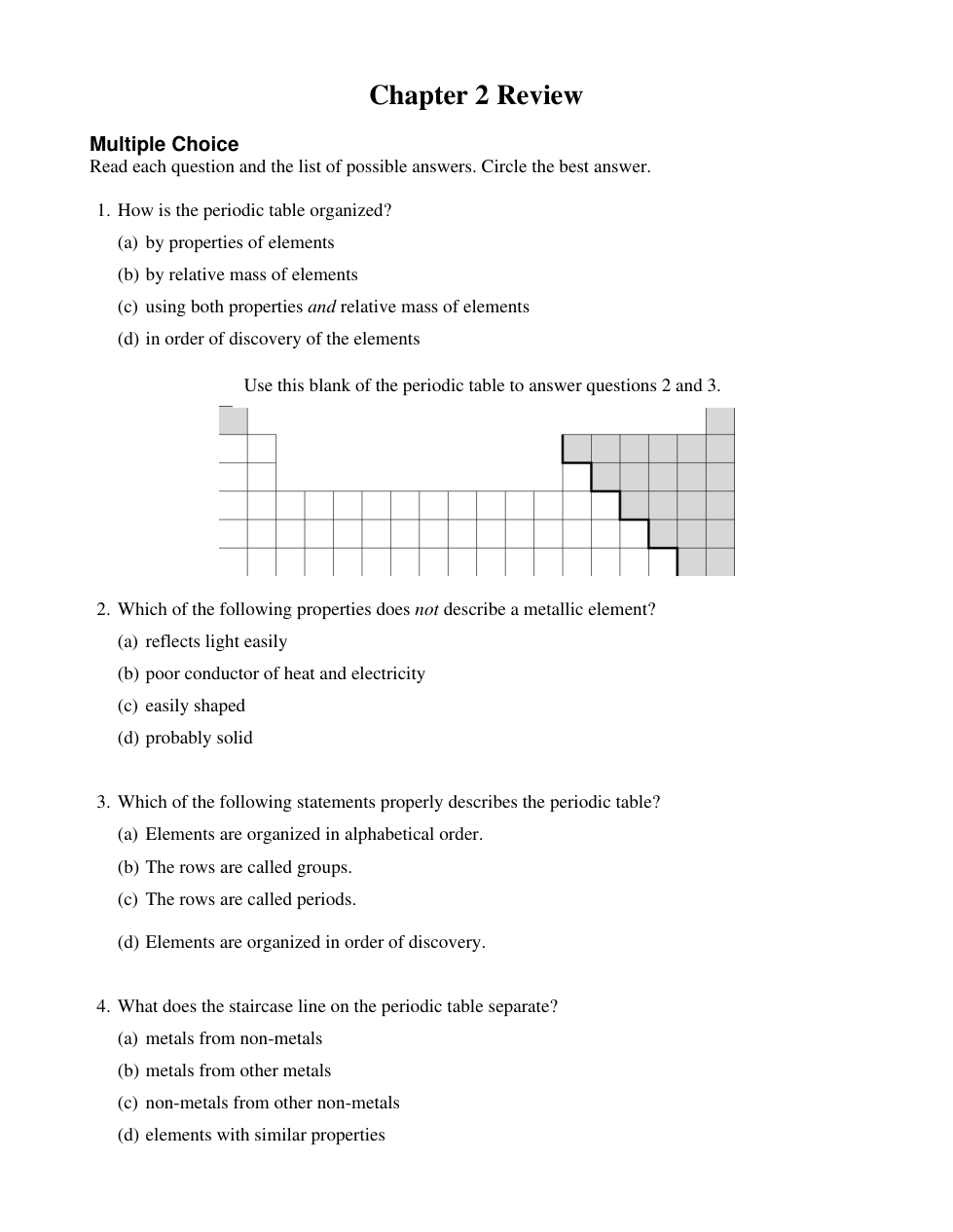
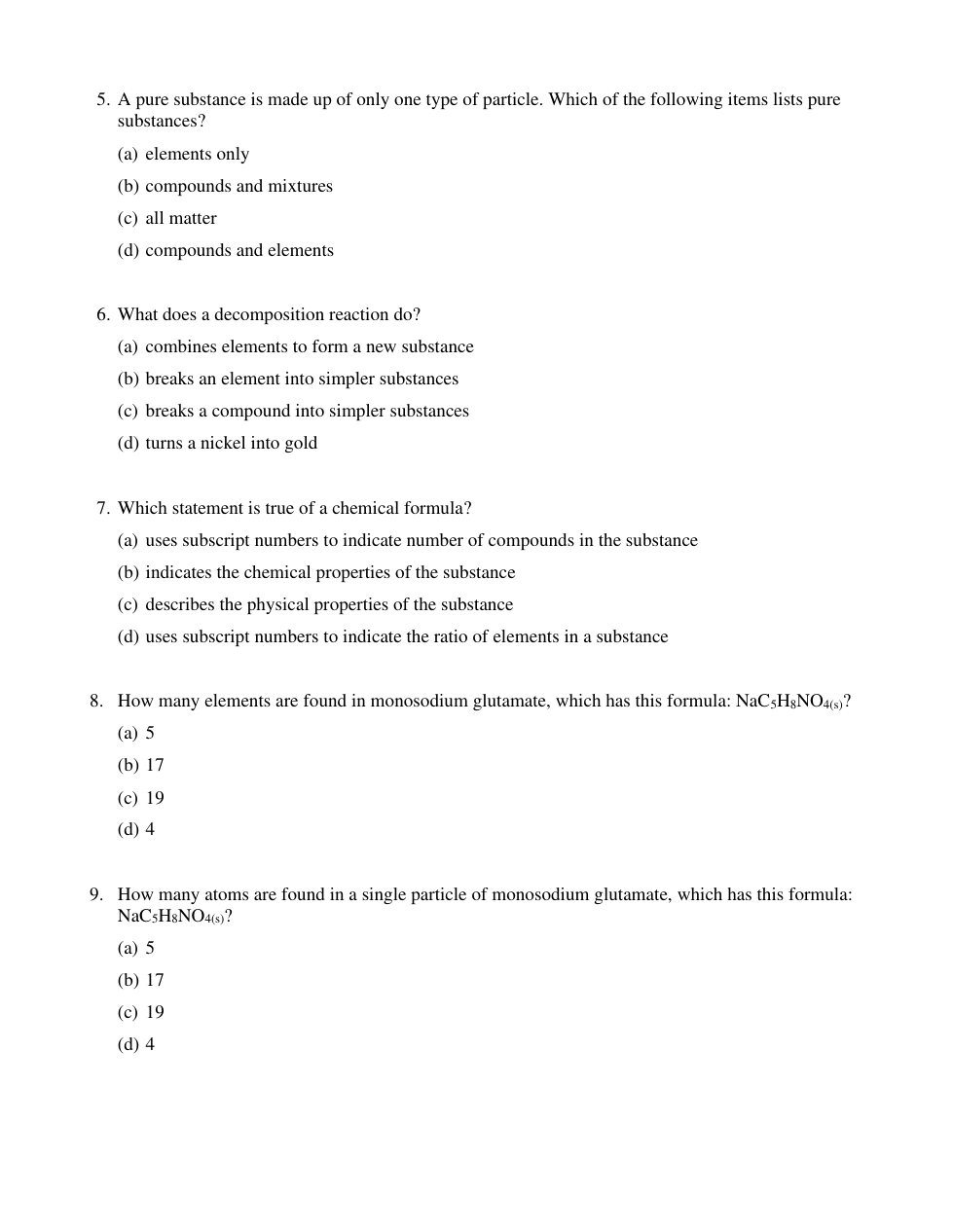
Describe two ways the periodic table is organized.

Question 34
34.

Compare metallic and non-metallic elements by completing this chart. List at least two similarities and two differences.

Question 35
35.

(a.) How many different elements are found in acetaminophen, C9H9NO2(s)?
(b) How many atoms are found in a single particle of acetaminophen? Show your work.

Question 36
36.

Why is it important for scientists everywhere around the world to use standard symbols for the elements?

Question 37
37.

You are given a sample of an unknown element. Describe three tests you would use to determine whether this element is a metal or a non-metal.

Question 1
1.

Question 2
2.

Question 3
3.

Question 4
4.

Question 5
5.

Question 6
6.

Question 7
7.

Question 8
8.

Question 9
9.

Question 10
10.

A product's safety label shows that it is flammable and combustible. What two things should you consider when choosing a storage site for this substance?
Question 12
12.

WHMIS labels are found in science labs. Name two other places WHMIS labels are found.

Question 13
13.

Explain two reasons WHMIS training is important in a wide variety of jobs.

Question 14
14.

If someone with a visual impairment needed to identify a substance, what three properties would help them recognize it?

Question 15
15.

Every substance has a unique set of properties. List two physical properties and two chemical properties of baking soda.

Question 16
16.

Describe the three states of matter and provide an example of each.

Question 20
20.

Question 21
21.

Question 22
22.

Question 23
23.

Question 24
24.

Question 25
25.

Question 26
26.

Question 27
27.

Question 28
28.

Question 29
29.

Question 30
30.

Question 31
31.

Question 32
32.

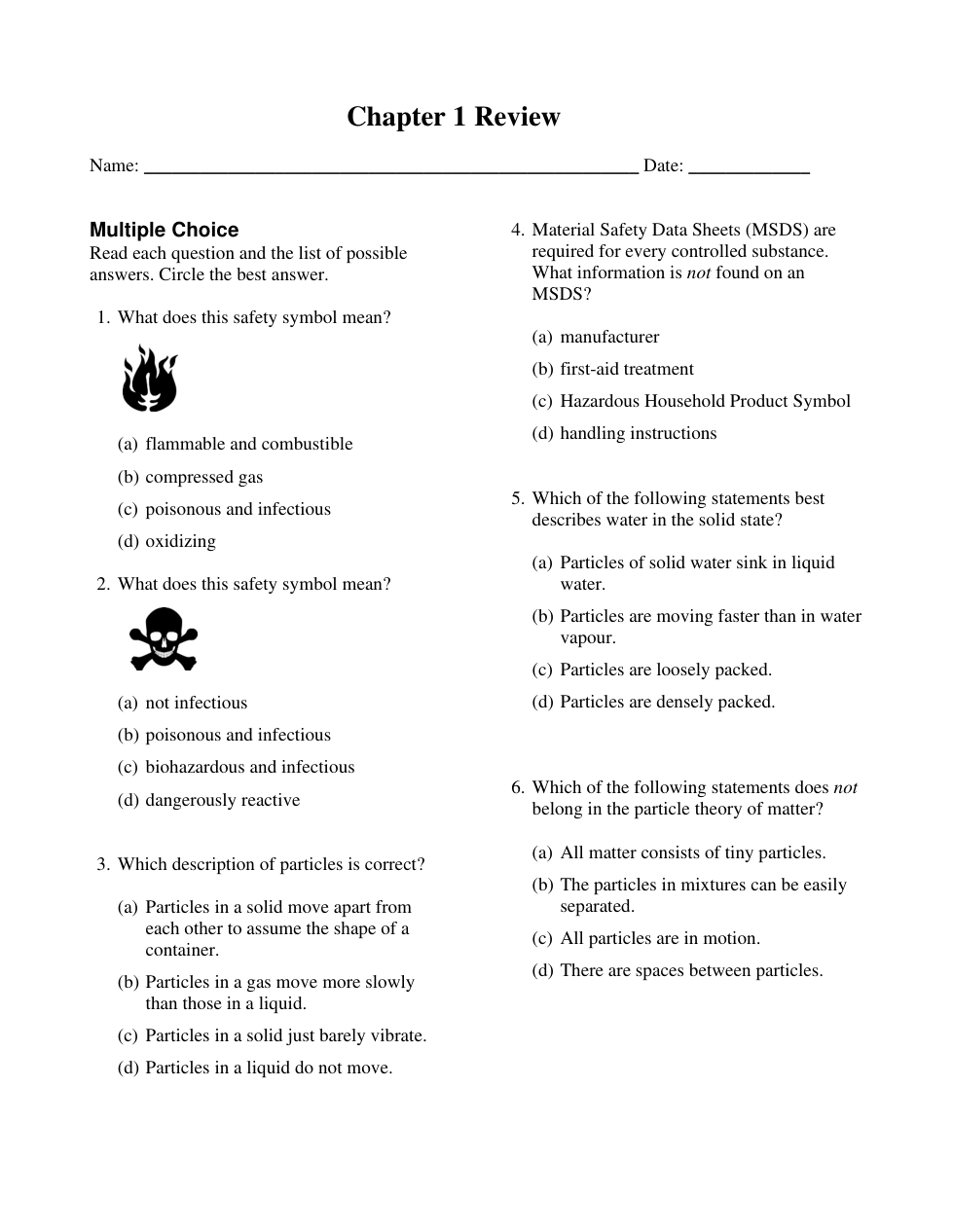
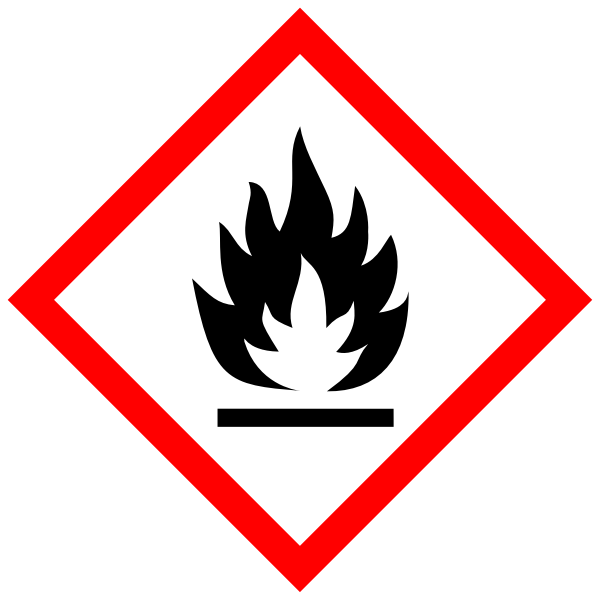
What does this safety symbol mean?
flammable and combustible
compressed gas
poisonous and infectious
oxidizing
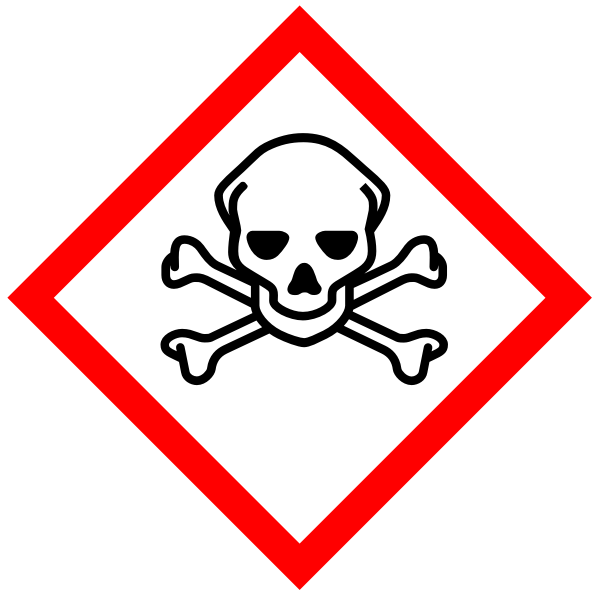
What does this safety symbol mean?
poisonous causing long-term effects
poisonous causing immediate effects
biohazardous and infectious
dangerously reactive
Which description of particles is correct?
Particles in a solid move apart from each other to assume the shape of a container.
Particles in a gas move more slowly than those in a liquid.
Particles in a solid just barely vibrate.
Particles in a liquid do not move.
Material Safety Data Sheets (MSDS) are required for every controlled substance. What information is not found on an MSDS?
manufacturer
first-aid treatment
Hazardous Household Product Symbol
handling instructions
Which of the following statements best describes water in the solid state?
Particles of solid water sink in liquid water.
Particles are moving faster than in water vapor.
Particles are loosely packed.
Particles are densely packed.
Which of the following statements does not belong in the particle theory of matter?
All matter consists of tiny particles.
The particles in mixtures can be easily separated.
All particles are in motion.
There are spaces between particles.
Question 7: What physical property can be used to distinguish between a 1 cm cube of copper and a 1 cm cube of sugar?
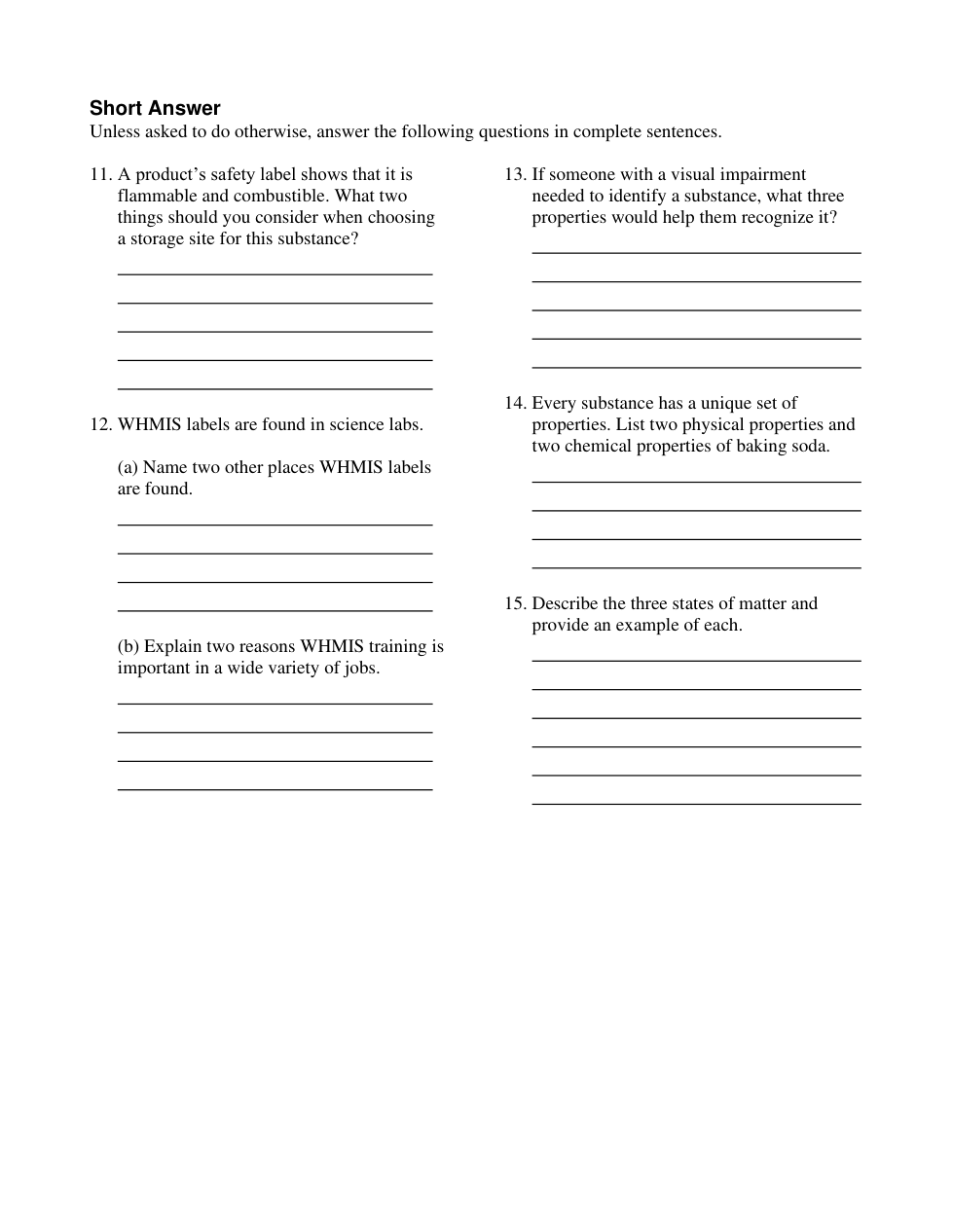
Lustre
Size
Cost
State
Question 8: Which of the following statements is false?
Adding salt to water will make the boiling temperature increase.
Melting point is a physical property.
Density is a chemical property.
Water exists in three states of matter.
Question 9: Which of the following is a pure substance?
gold jewellery
pile of salt and pepper
sugar
crunchy peanut butter
Question 10: A science student is about to mix two unlabelled chemicals. Which piece of advice would you offer to this student?
Use caution since chemicals will form a solid.
Do not mix these chemicals. They may react dangerously.
Nothing will happen.
Label the chemicals after mixing.
How is the periodic table organized?
by properties of elements
by relative mass of elements
using both properties and relative mass of elements
in order of discovery of the elements
Which of the following properties does not describe a metallic element?
reflects light easily
poor conductor of heat and electricity
easily shaped
probably solid
Which of the following statements properly describes the periodic table?
Elements are organized in alphabetical order.
The rows are called groups.
The rows are called periods.
Elements are organized in order of discovery.
What does the staircase line on the periodic table separate?
metals from non-metals
metals from other metals
non-metals from other non-metals
elements with similar properties
Question 5: A pure substance is made up of only one type of particle. Which of the following items lists pure substances?
(a) elements only
(b) compounds and mixtures
(c) all matter
(d) compounds and elements
Question 6: What does a decomposition reaction do?
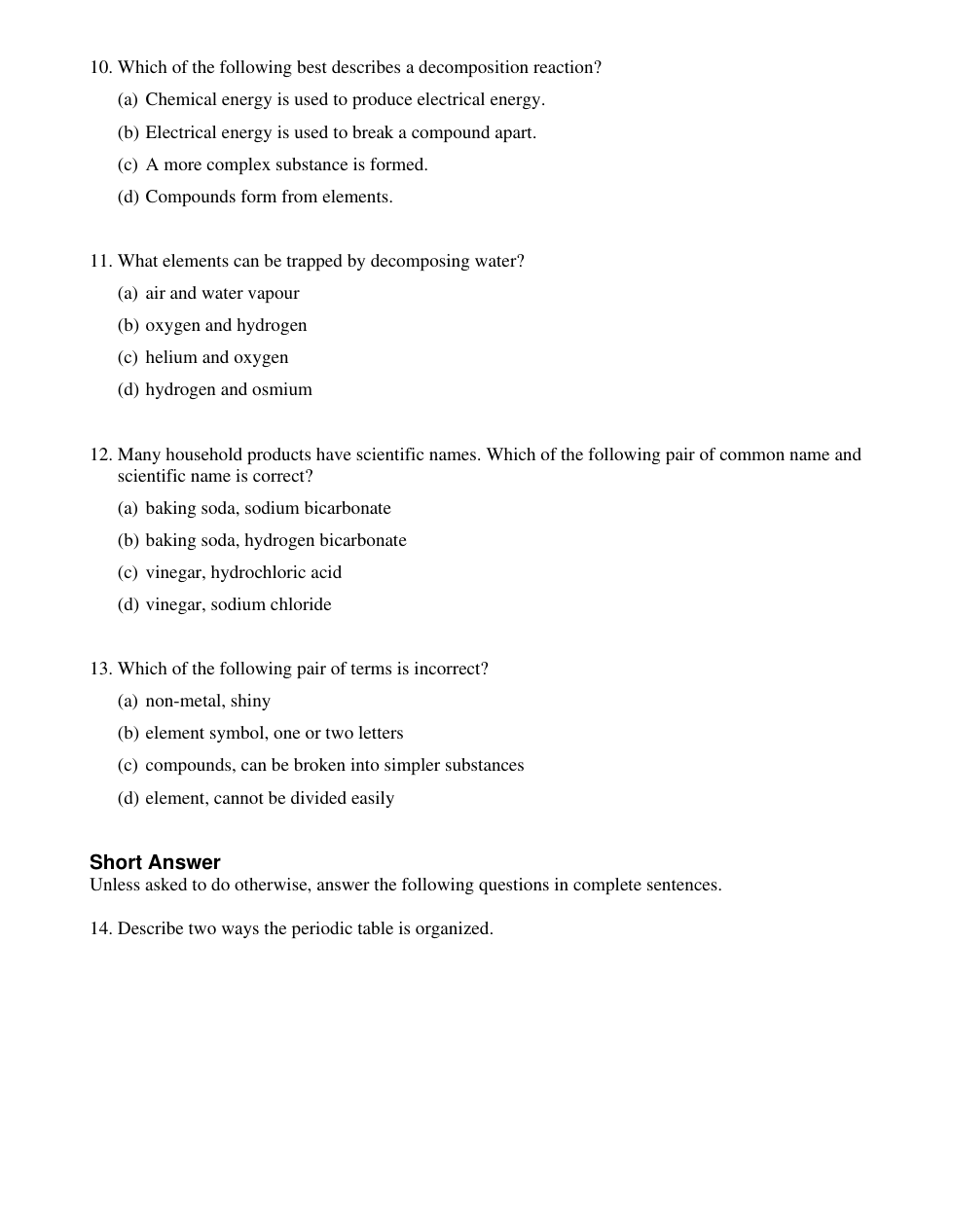
(a) combines elements to form a new substance
(b) breaks an element into simpler substances
(c) breaks a compound into simpler substances
(d) turns a nickel into gold
Question 7: Which statement is true of a chemical formula?
(a) uses subscript numbers to indicate number of compounds in the substance
(b) indicates the chemical properties of the substance
(c) describes the physical properties of the substance
(d) uses subscript numbers to indicate the ratio of elements in a substance
Question 8: How many elements are found in monosodium glutamate, which has this formula: NaC5H8NO4(s)?
(a) 5
(b) 17
(c) 19
(d) 4
Question 9: How many atoms are found in a single particle of monosodium glutamate, which has this formula: NaC5H8NO4(s)?
(a) 5
(b) 17
(c) 19
(d) 4
Which of the following best describes a decomposition reaction?
Chemical energy is used to produce electrical energy.
Electrical energy is used to break a compound apart.
A more complex substance is formed.
Compounds form from elements.
What elements can be trapped by decomposing water?
air and water vapor
oxygen and hydrogen
helium and oxygen
hydrogen and osmium
Many household products have scientific names. Which of the following pair of common name and scientific name is correct?
baking soda, sodium bicarbonate
baking soda, hydrogen bicarbonate
vinegar, hydrochloric acid
vinegar, sodium chloride
Which of the following pair of terms is incorrect?
non - metal, shiny
element symbol, one or two letters
compounds, can be broken into simpler substances
element, cannot be divided easily