Complete the following Questions. You may use a periodic table. If you Copy and Paste an answer you will get a zero for that problem.
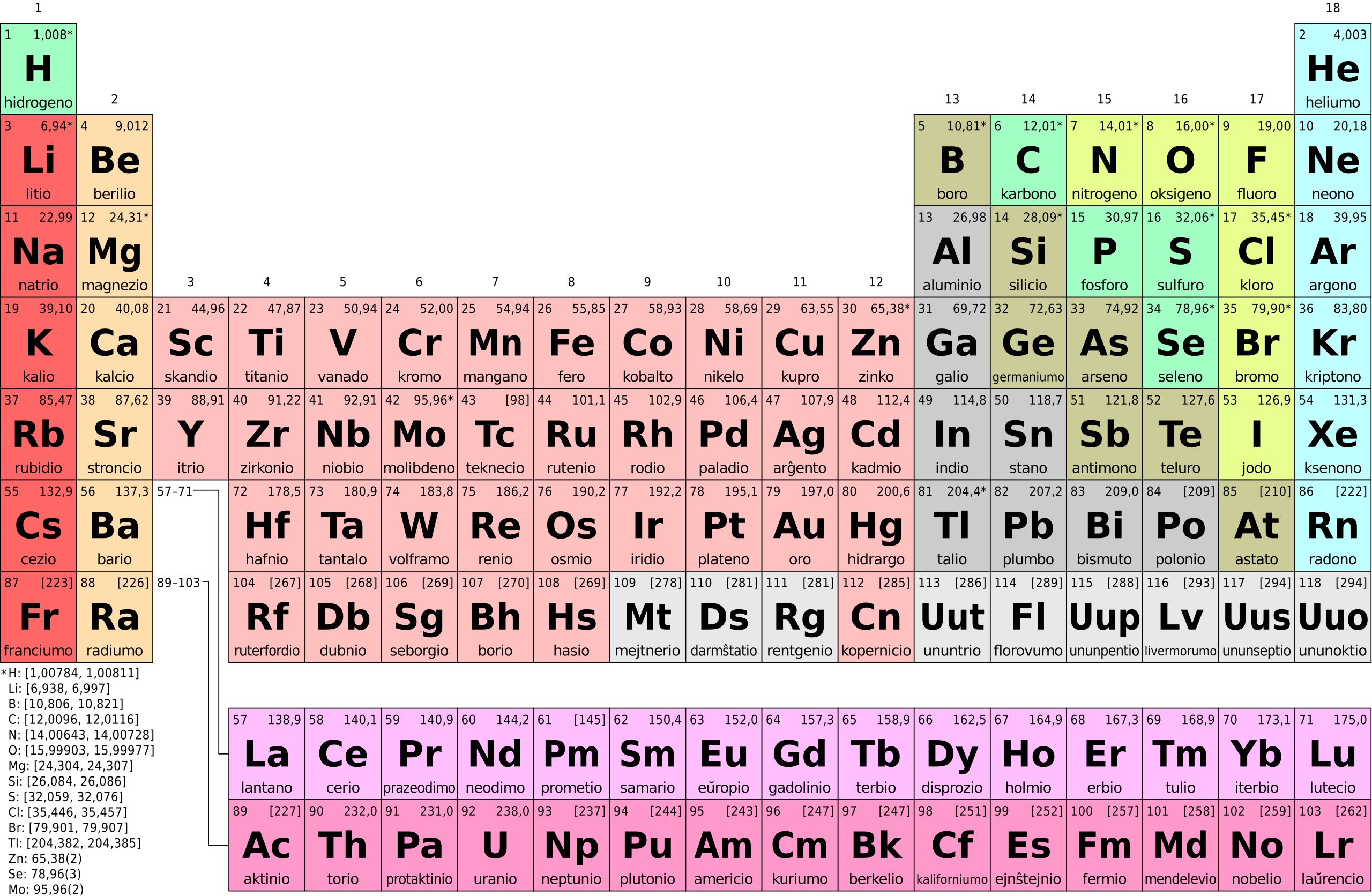
Complete the following Questions. You may use a periodic table. If you Copy and Paste an answer you will get a zero for that problem.
Match each item with the correct statement.
| Draggable item | arrow_right_alt | Corresponding Item |
|---|---|---|
Structural formula where dots and lines are used to show the bonds between atoms | arrow_right_alt | molecular compound |
Structural formula where dots are used to show the bonds between atoms | arrow_right_alt | single bond |
Substance made of a nonmetal and nonmetal | arrow_right_alt | double bond |
a covalent bond in which two pairs of electrons are shared | arrow_right_alt | triple bond |
a covalent bond in which three pairs of electrons are shared | arrow_right_alt | electron dot diagram |
a covalent bond in which one pair of electrons is shared | arrow_right_alt | Lewis Structure |
Which of the following elements will form a diatomic molecule.
How many valence electrons does the element iodine have?
How many valence electrons does the element carbon have?
Using the electron dot diagrams or Lewis Structures, show how S and F or SF2 would combine to form a molecular compound.
Using the electron dot diagrams or Lewis Structures, show how P and H or PH3 would combine to form a molecular compound.
Name the following molecular compound: S5O9
Name the following molecular compound: C2Se2
Name the following molecular compound: PH3
Name the following molecular compound: SiO
Name the following molecular compound: N4I6
Write the formula for the following molecular compound: disulfur trioxide
Write the formula for the following molecular compound: trinitrogen heptaoxide
Write the formula for the following molecular compound: phosphorus tribromide
Write the formula for the following molecular compound: pentasilicon octaoxide
Write the formula for the following molecular compound: iodine monobromide