The density of the gas molecules per unit of air volume varies throughout the atmosphere because gravity pulls its gas molecules toward the earth’s surface. About 75-80% of the earth’s air mass is found in the atmospheric layer closest to Earth’s surface – the troposphere. This layer extends about 11 miles above sea level at the equator and 4 miles above sea level over the poles. Most of the weather we experience occurs in this layer. Air currents, winds, and concentrations of CO2 and other greenhouse gases in the troposphere play a major role in the planet’s weather and climate.
The layers of the atmosphere are based on differences in temperature as altitude increases. Because of radiation from Earth and the objects on it, the troposphere is warmer at sea level (0 km altitude) and cools as altitude increases.
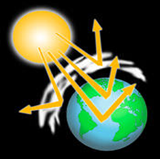
Moving away from Earth, the next layer of the atmosphere is the stratosphere. The stratosphere contains a layer of air with a high concentration of ozone molecules (O3), called the ozone layer. Stratospheric ozone is formed when oxygen molecules (O2) in this layer interact with ultraviolet (UV) radiation from the sun. The ozone layer keeps about 95% of the sun’s harmful UV radiation from reaching the Earth’s surface. This UV filtering effect allows life to exist on Earth and protects us from sunburn, skin and eye cancers, cataracts, and damage to our immune systems. This absorption of UV also makes the stratosphere warm as altitude increases, a trend opposite to that of the troposphere.
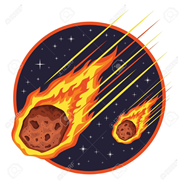
Above the stratosphere is the mesosphere and then the thermosphere. Without any heat-absorbing materials, the mesosphere is the coldest layer of the atmosphere.
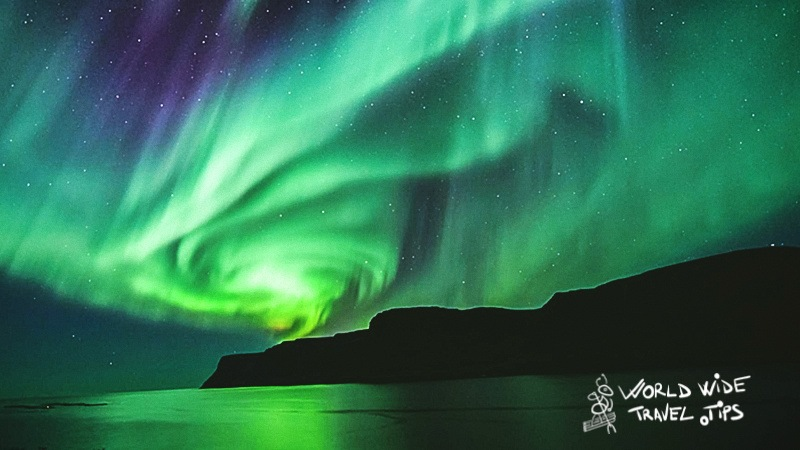
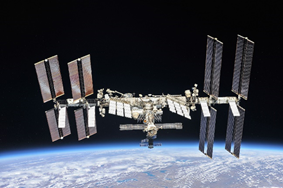
The thermosphere is sometimes broken down further into the ionosphere (an area of highly charged particles where auroras occur) and the exosphere (where many satellites orbit). Despite this distinction, the entire thermosphere warms as altitude increases.
Although there is no distinct beginning or end to any of the layers, the transition from one to another is known as a “pause”. For example, the transition from troposphere to stratosphere is called the tropopause. The stratopause divides the stratosphere and mesosphere and the mesopause divides the mesosphere and thermosphere. There is no pause after the thermosphere because it blends into space as the concentration of atmospheric molecules gets lower and lower.
1 point
1
Question 1
1.
Use the video to fill out the chart.
1 point
1
Question 2
2.
Take a deep breath. About 99% of the volume of air you inhaled consists of two gases: nitrogen (78%) and oxygen (21%). The remainder consists of water vapor (varying from 0.01% at the frigid poles to 4% in the humid tropics, for an average of about 1%), 0.93% argon (Ar), 0.039% carbon dioxide (CO2) and trace amounts of dust and soot particles as well as other gases including methane (CH4), ozone (O3), and nitrous oxide (N2O). The atmosphere is 78% nitrogen but it is in a form we are unable to utilize. Which step of the nitrogen cycle shows how are able to convert nitrogen gas (N2) into a more useable form
1 point
1
Question 3
3.
In which level of the atmosphere does weather occur?
1 point
1
Question 4
4.
Which level of the atmosphere is the most dense?
1 point
1
Question 5
5.
Which level of the atmosphere has the layer that blocks harmful UV radiation?
1 point
1
Question 6
6.
What best describes the density of the atmosphere?
1 point
1
Question 7
7.
What is the importance of the ozone layer?
Part 1 : Troposphere-Layer 1
1 point
1
Question 8
8.
Which of the following is the order of the layers of the atmosphere? From closest to the earth to farthest away
1 point
1
Question 9
9.
The troposhere is...
1 point
1
Question 10
10.
Mountains and Precipitation
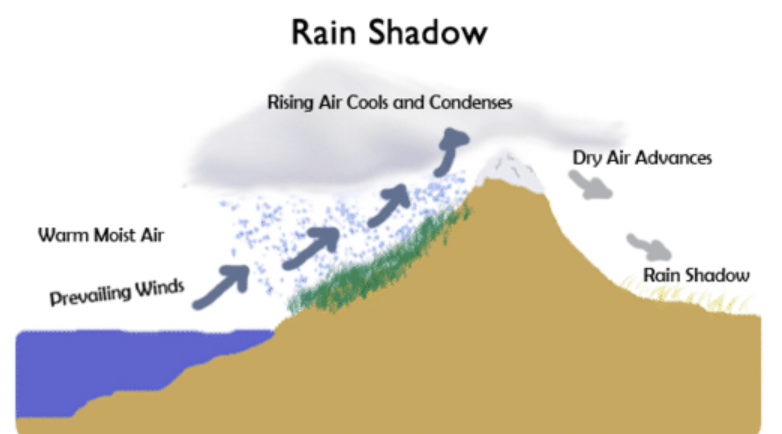
We now know that weather (like rain, wind, hail, snow, ect) all occur in the troposphere - how does this tie into plate tectonics from yesterday? When mountains are created at convergent boundaries, these mountains affect what happens in the troposphere - therefore affect the weather!
Mountains can affect precipitation. Mountains and mountain ranges can cast a rain shadow. As winds rise up the windward side of a mountain range, the air cools and precipitation falls. On the other side of the range, the air is dry, and it sinks. So there is very little precipitation on that side of a mountain range.
How are the tectonic plates and atmosphere related to on another?
Part 2: The stratosphere- Layer 2
1 point
1
Question 11
11.
Where is the stratosphere located?
1 point
1
Question 12
12.
Which of the following is NOT true about the stratosphere?
Part 3: The mesosphere-Layer 3
1 point
1
Question 13
13.
Where is the mesophere located?
1 point
1
Question 14
14.
What is the mesosphere known for?
1 point
1
Question 15
15.
Match the layer with the correct characteristic
Draggable item
arrow_right_alt
Corresponding Item
Mesosphere
arrow_right_alt
Weather/people
Troposphere
arrow_right_alt
Ozone/blocks UV rays
Stratosphere
arrow_right_alt
Middle/Meteors
Part 4: Thermosphere-Layer 4
1 point
1
Question 16
16.
Thermo means heat. How hot can it get in the Thermosphere?
1 point
1
Question 17
17.
What is found in the Thermosphere?
Part 5: The Exosphere-Layer 5
1 point
1
Question 18
18.
Where is the exosphere located?
1 point
1
Question 19
19.
What does exo mean?
1 point
1
Question 20
20.
What is the exosphere?
1 point
1
Question 21
21.
Match the atmospheric item with its atmospheric level. No answers will be used twice
Northern lights
Weather/clouds
Us/people
Meteors/Shooting Star
Space
International space station
Troposphere (2 answers)
Stratosphere
Mesosphere
Thermosphere (2 answers)
Exosphere
1 point
1
Question 22
22.
Match the layer with the characteristic
Draggable item
arrow_right_alt
Corresponding Item
Troposphere
arrow_right_alt
Causes weather
Stratosphere
arrow_right_alt
Protects us from UV rays/ ozone found here
Mesosphere
arrow_right_alt
Where meteors/shooting stars
Thermosphere
arrow_right_alt
The "hot"layer where the northern lights are found
exosphere
arrow_right_alt
Space
1 point
1
Question 23
23.
What is the importance of the ozone layer?
1 point
1
Question 24
24.
Which level of the atmosphere is found do we live in?