

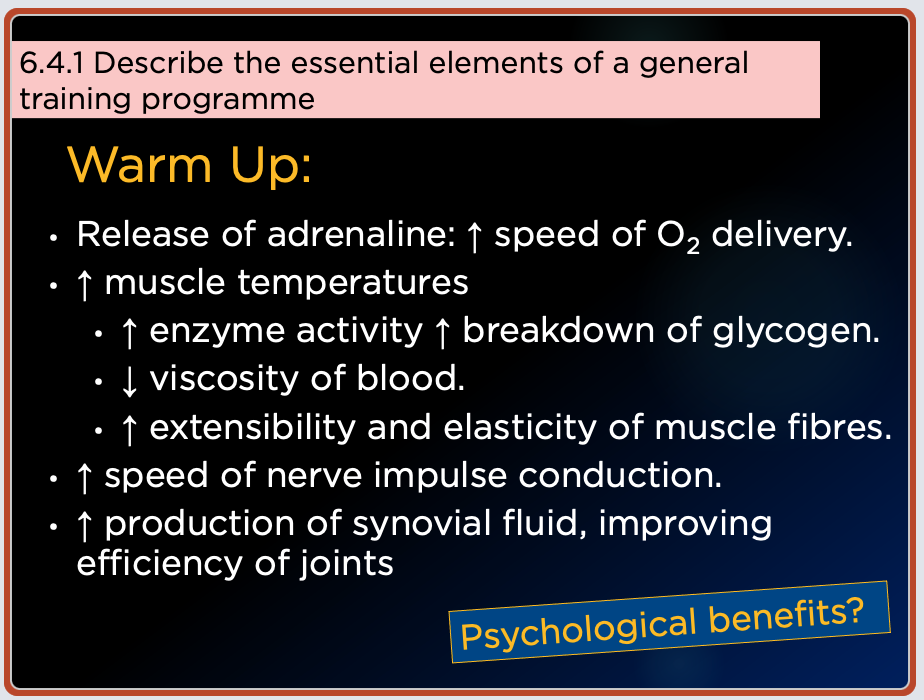
What is the purpose of warming up?

Give one other physiological benefit of warming up.
Which type of stretching uses repetitive bouncing movements?
What is the generally accepted minimum duration of endurance training?

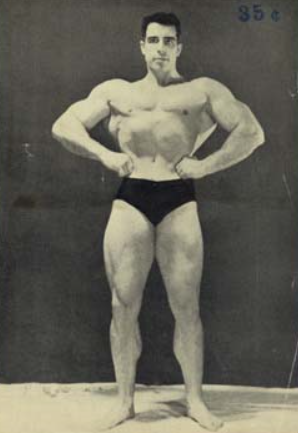
If Amir really wants to build his muscles for a Summer gun show in 2024, he should focus on high reps at around 60% of his 1 rep max
What's the point of recreational activities in a training programme?

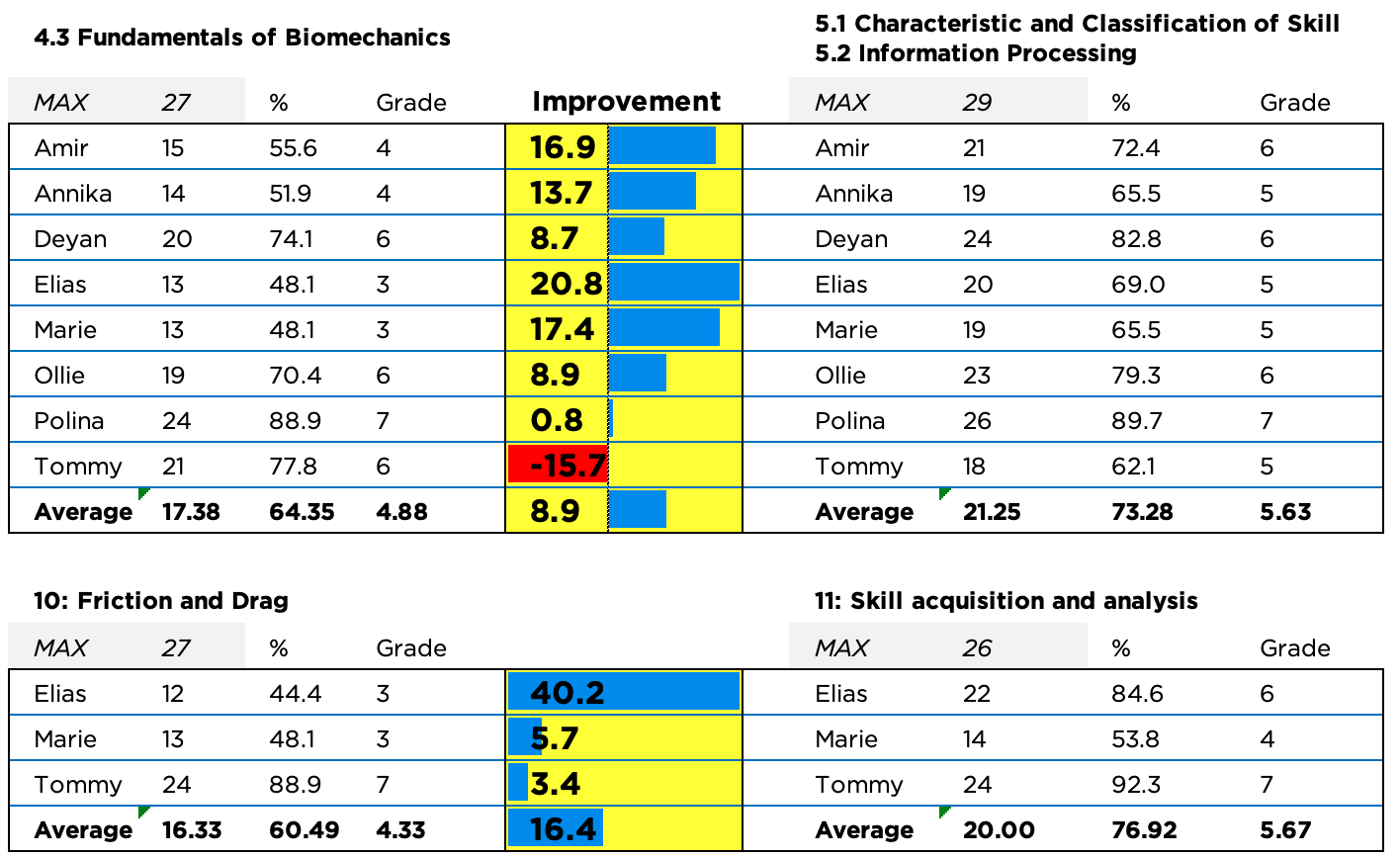
5.1 Characteristic and Classification of Skill
5.2 Information Processing
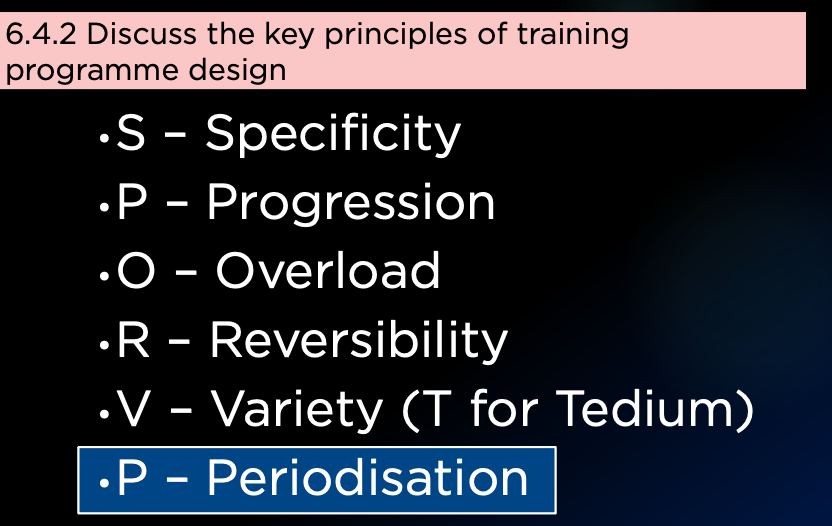
What are the key principles of training programme design?
S is for:
P is for:
O is for:
R is for:
T is for:
Just to make doubly sure our pneumonic doesn't work, they've added an extra P!

Ankify this picture under 6.4.2.
Now, choose any two of the SPPORT principles and tell me two things about each of them.
You can write if you like, but you know I'll be dishing out points much more easily if you record your voice ;)
How does specific training benefit athletes?
What happens if training is not progressive?
Fill the missing blanks on this representation of performance over time.
If I tell you you've got it right, take a screenshot and get Ankifying!
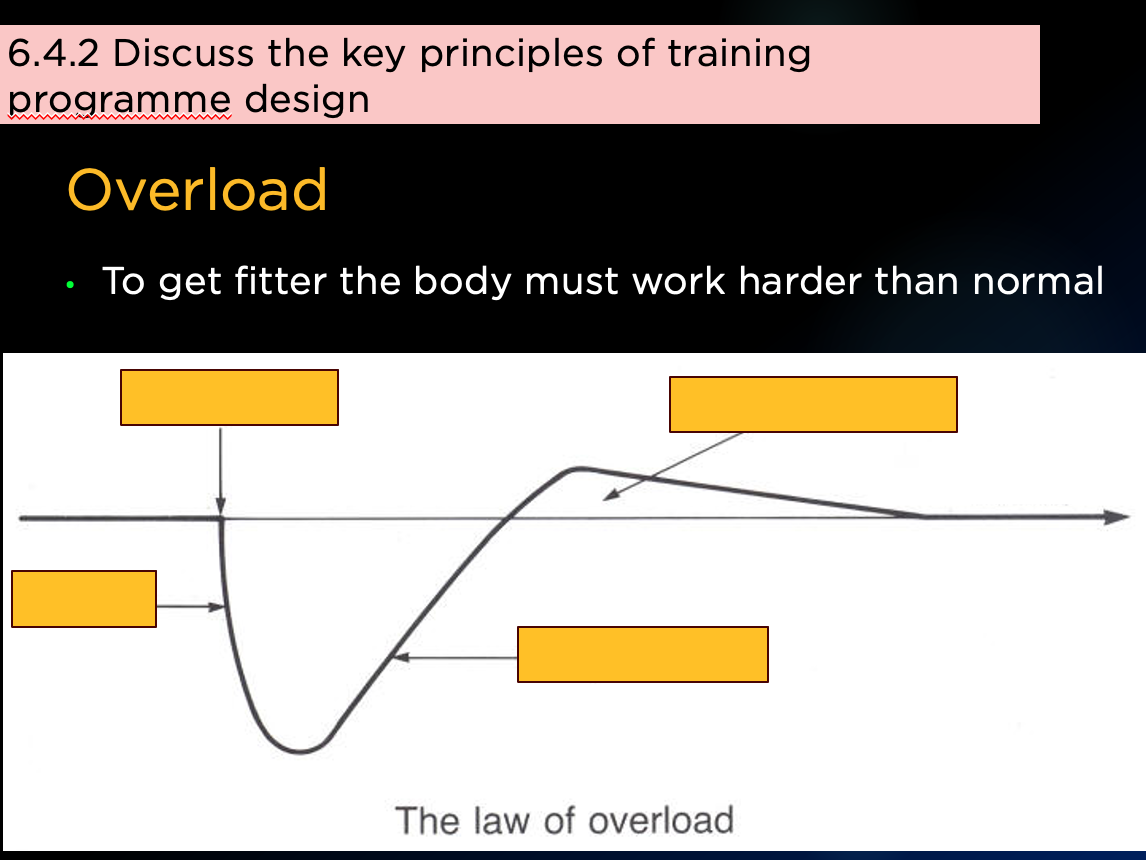
Unfortunately, Ollie is spending so much time revising for his SEHS tests these days, he has been unable to get to the gym. He can no longer bench 300kg :(
Which principle of training programme design is at play here?
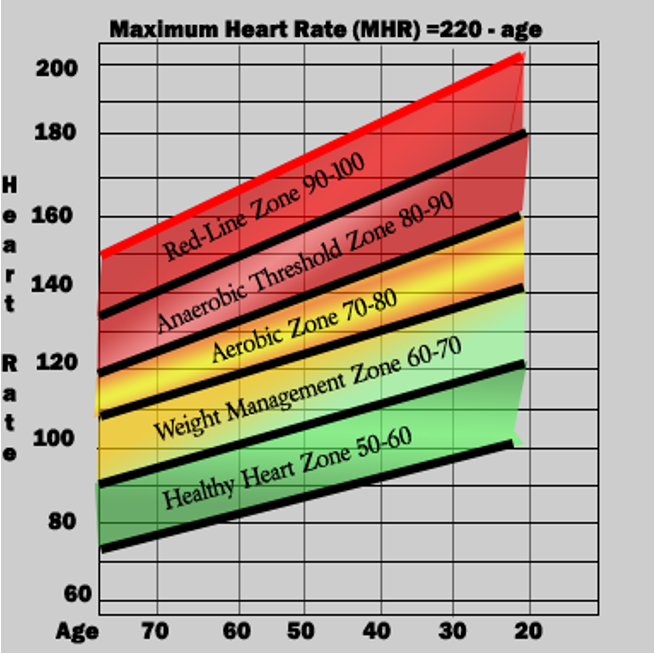
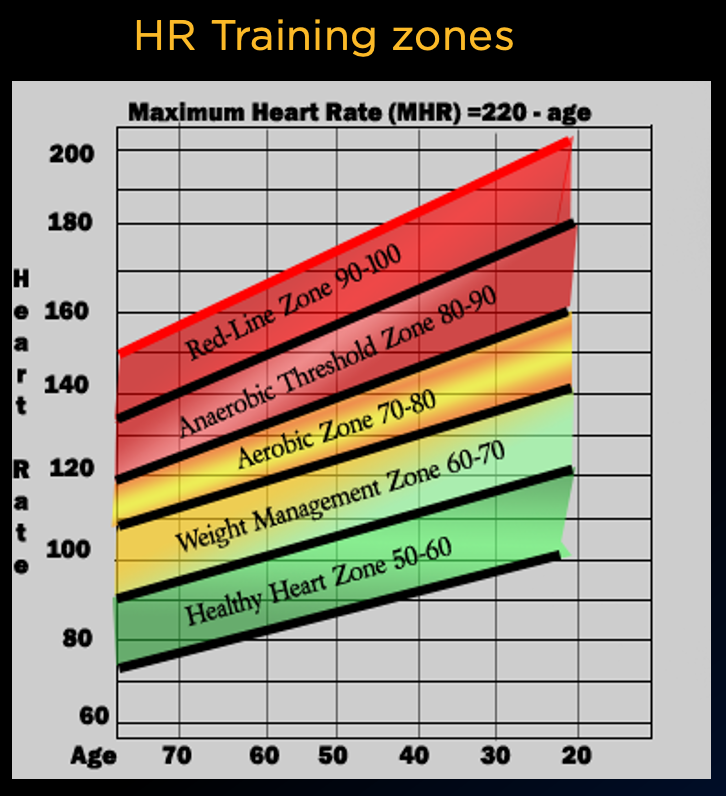
Geraldine is 40. She wants to get in to the Aerobic zone. What HR would you recommend?
Brian gets in to the red line zone at around 180 - 200BPM. How old do you think he is?
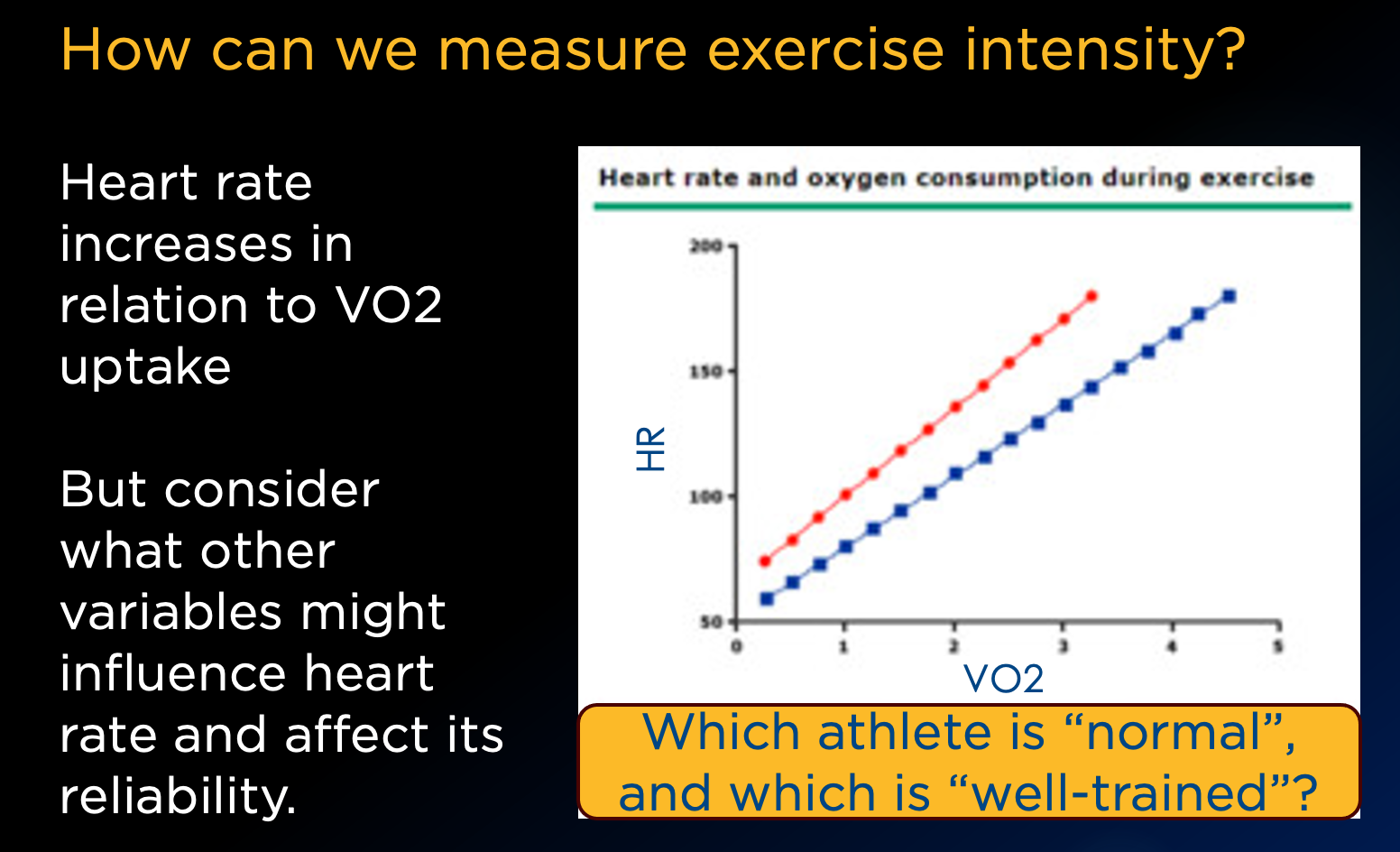
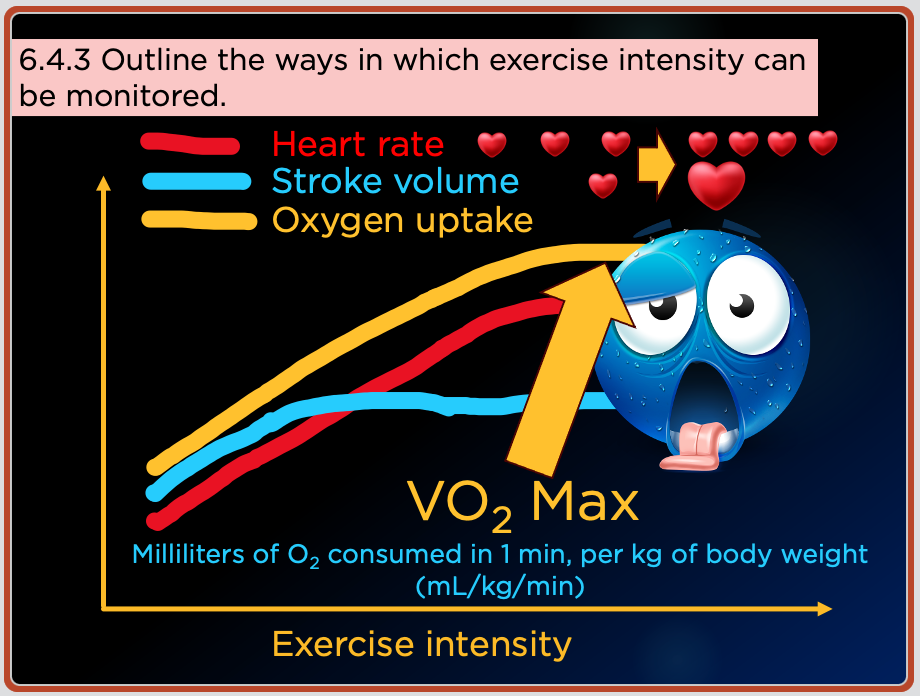
Which athlete has the lowest resting heart rate?
Which athlete can achieve the greatest oxygen uptake?
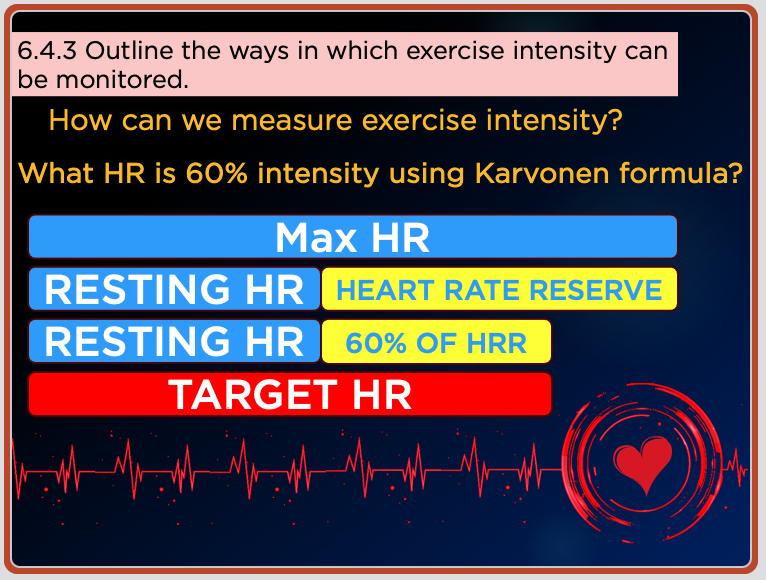
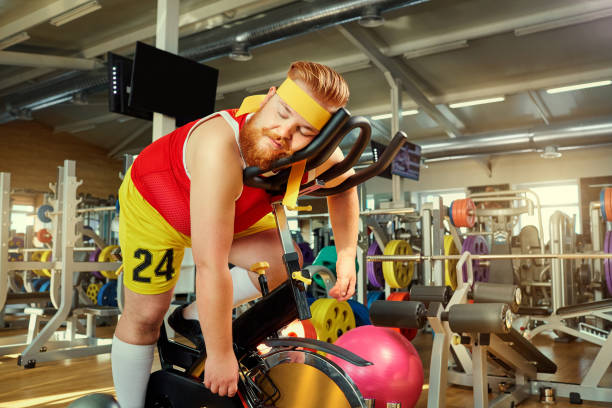
Dave has overdone it again! He should have worked at 50 - 70% intensity using the Karvonen formula. What should his HR range have been?
NB. You will need to know that his Resting HR is 80 and his Max HR is 180.
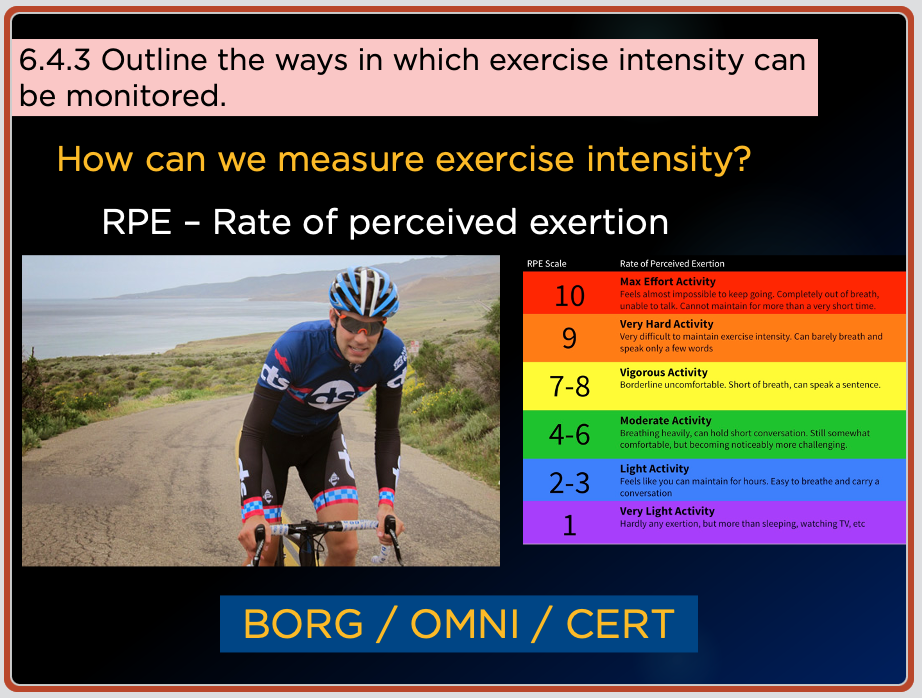
Amir is going to run the Escalade. He doesn't have any fitness monitoring devices, but Ollie is going to ask him how hard he feels like he's working as he passes each lap.
What is Ollie asking Amir in fancy sport science terms?
For a bonus point, name one of the universally accepted scales they could use.
Periodization can be used to optimize an athlete’s performance. Explain how a coach uses the other key principles of training to maximize athletic development.
Choose from the list below and explain how it is applied. Use the FIT(T) principle to do this.
- Overload
- Endurance training
- Progression
- Variety
What are essential elements of a general training programme?
There are 6 here that are mentioned on the syllabus and 6 that are not.
You should be able to check if you got it right; do this as many times as is necessary.

Which athlete is better trained than the other in terms of cardiovascular fitness?