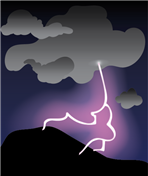
What type of energy is being illustrated in the figure above?
What type of energy is being illustrated in the figure above?
What type of energy is being illustrated in the figure above?
The diagram above shows a light ray as it strikes an object. Based on the way the light rays travel, the object in the diagram is MOST LIKELY —
In the lab, Andrew uses a hot plate that is plugged into the wall to heat a beaker of water. The water is heated, which causes the molecules to start moving around. Choose the response that lists the 3 types of energy being converted in the proper order.
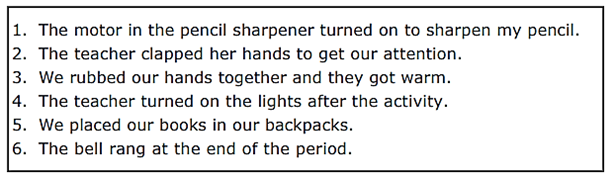
Students were asked to list observations of the uses of energy in the classroom. One student’s list is provided below.
Which observations listed above involved the use of electrical energy?
Which action involves the most efficient conversion of electrical energy into thermal energy?
This telescope is a refracting telescope because —
Students were asked to investigate the behavior of light. Students were given a candle and a piece of cardboard with a hole in it. Students placed the cardboard between the candle and the wall and observed the location of the image on the wall.
Which property of light causes the image of the candlelight to appear near the bottom of the wall?
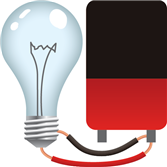
A student builds the circuit shown in the figure.
In this circuit, the bulb does not light up. Which change should the student make to light the bulb?
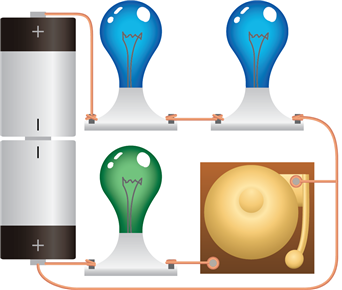
Students have made a circuit with 3 bulbs and one bell. It is being powered by two size D batteries.
As shown, the circuit will not work. What correction can the students make to allow the circuit to work?
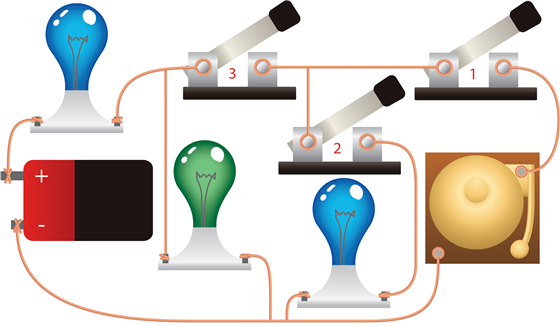
Students have constructed a circuit with 3 different light bulbs and a bell.
If all the switches are closed and then switch 3 was opened, how many light bulbs would be affected?
Which best describes a parallel circuit?
Describe a use for each of the following types of energy:
Mechanical Energy:
Thermal Energy:
Electrical Energy:
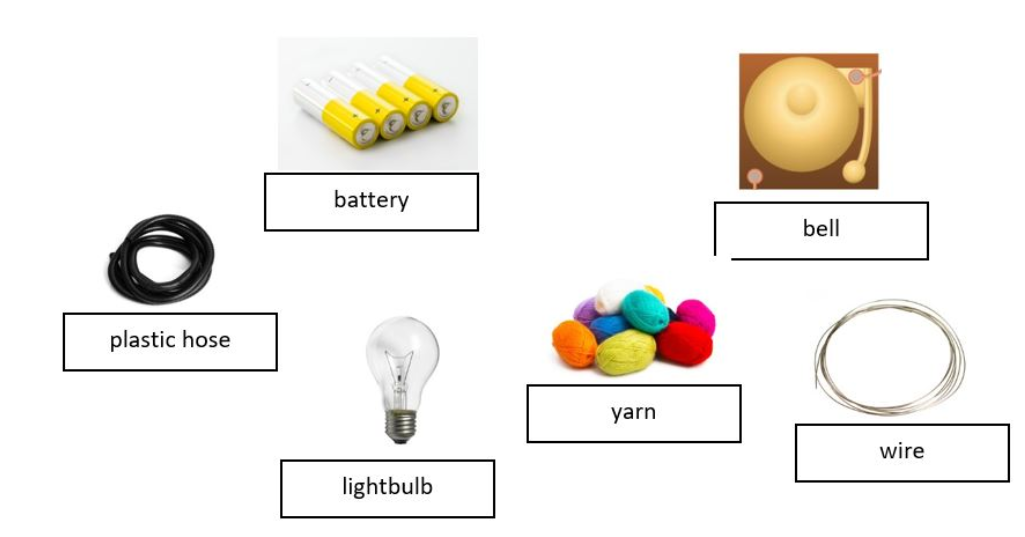
Look at the picture below.
Mr. Streeter put different objects on a table. He wanted his students to choose the objects that would make a complete circuit producing sound. Which objects would his students need in order to make the circuit?
Select Three correct answers.
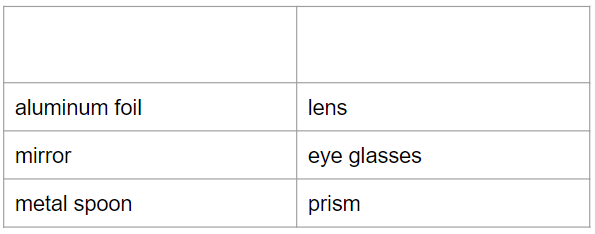
Students collected items around the room and tested them with a flashlight. They sorted the items in the table below. What would the BEST title be for each column?
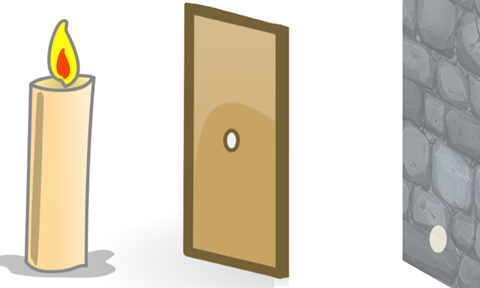
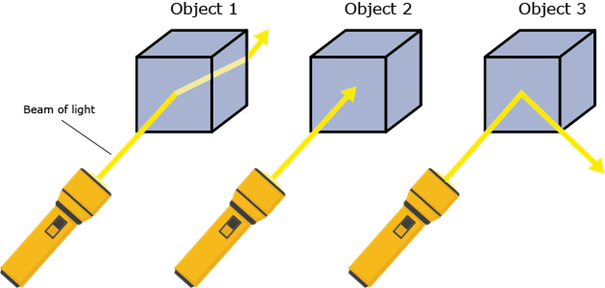
Elizer shines a flashlight at three objects. Look at the picture below.
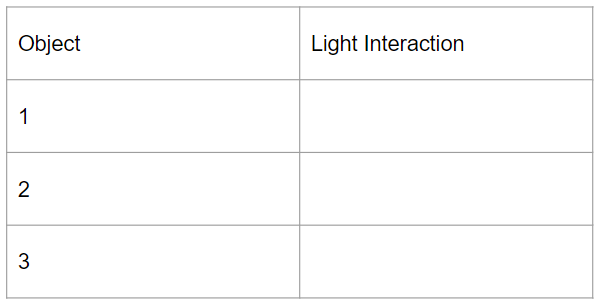
Complete the table below by filling in the correct way light interacts with each object.