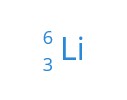
Ɛhia
1
Number of protons:
Number of protons:
Ɛhia
1
Number of electrons:
Number of electrons:
Ɛhia
1
Number of neutrons:
Number of neutrons:
Learning Objectives
In this skill we will learn to calculate the number of subatomic particles from the nuclear symbol.
The atomic number represents the number of protons in the atom, and is the number on the bottom left of the nuclear symbol.
The mass number represents the total number of protons and neutrons in the atom, and is the number on the top left of the nuclear symbol.
The number of protons is always equal to the atomic number!
The number of neutrons can be calculated by subtracting the atomic number from the mass number.
In a neutral atom, the number of electrons is equal to the number of protons.
Use the image below to help format nuclear symbols.
Learning Objectives
In this skill we will learn to calculate the number of subatomic particles from the nuclear symbol.
The atomic number represents the number of protons in the atom, and is the number on the bottom left of the nuclear symbol.
The mass number represents the total number of protons and neutrons in the atom, and is the number on the top left of the nuclear symbol.
The number of protons is always equal to the atomic number!
The number of neutrons can be calculated by subtracting the atomic number from the mass number.
In a neutral atom, the number of electrons is equal to the number of protons.
Use the image below to help format nuclear symbols.
Number of protons:
Number of electrons:
Number of neutrons:

Number of protons:
Number of electrons:
Number of neutrons:

Number of protons:
Number of electrons:
Number of neutrons:

Number of protons:
Number of electrons:
Number of neutrons:
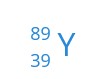
Number of protons:
Number of electrons:
Number of neutrons:
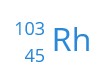
Number of protons:
Number of electrons:
Number of neutrons:

Number of protons:
Number of electrons:
Number of neutrons:
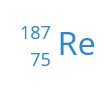
Number of protons:
Number of electrons:
Number of neutrons: