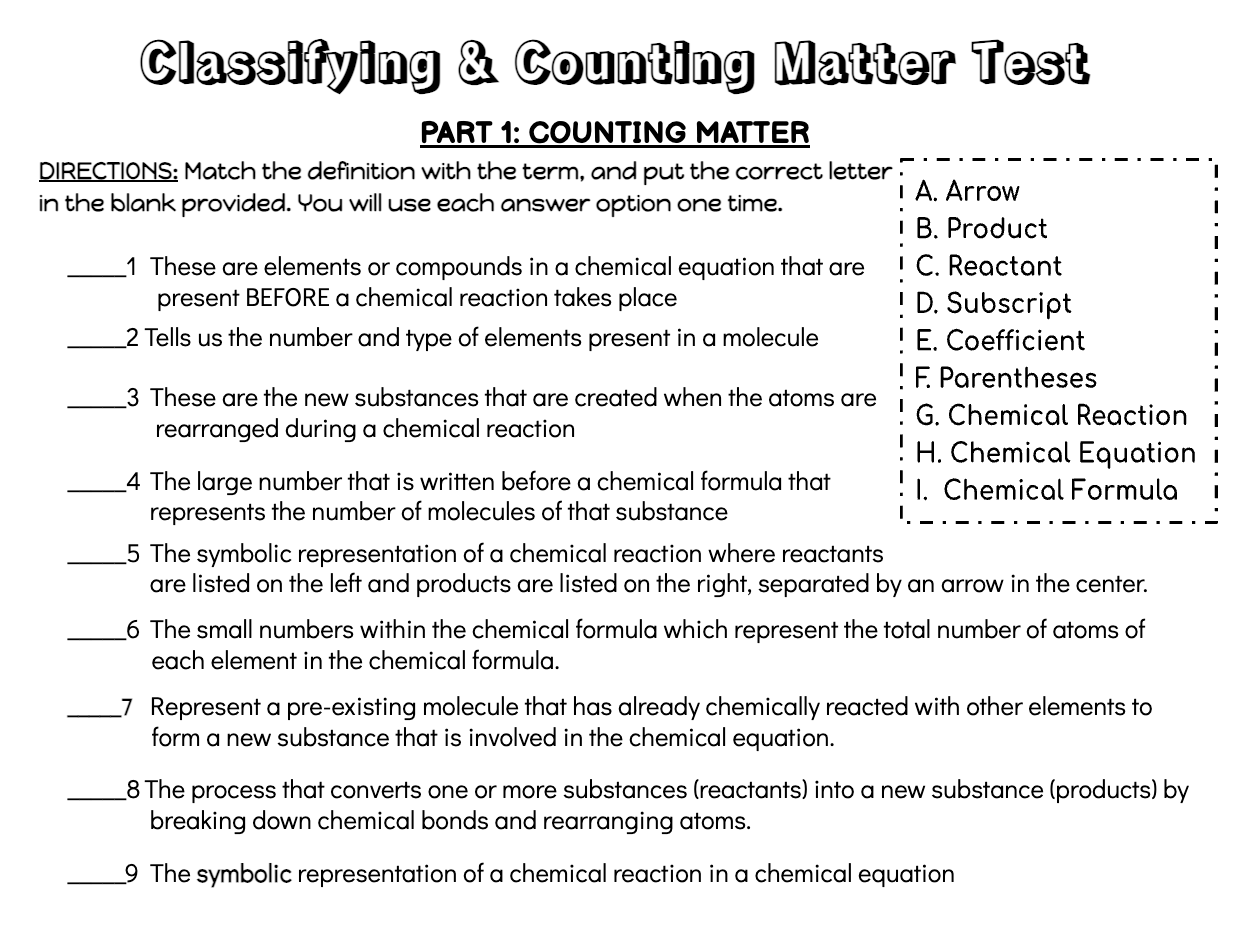
These are the SAME terms and definitions you've seen all week. However, please read carefully as the terms are listed in a different order.
1
1
1
1
1
1
1
1
1
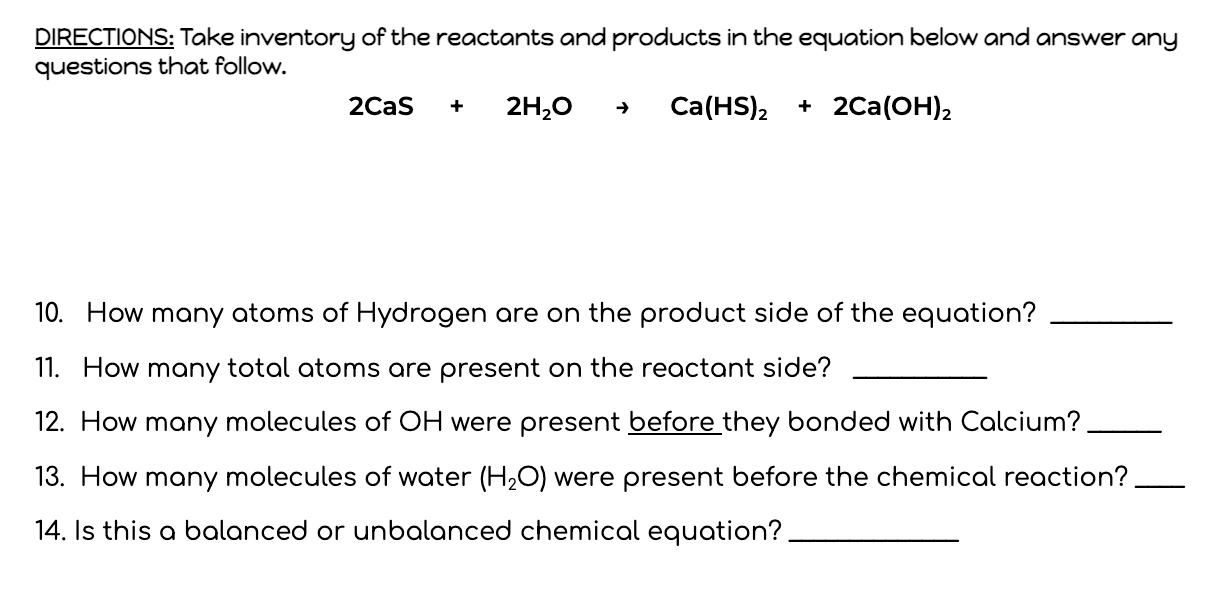
How many atoms of Hydrogen are on the product side of this equation
How many TOTAL atoms are on the REACTANT side of this equation
How many molecules of (OH) were present BEFORE (prior to) they bonded with Calcium?
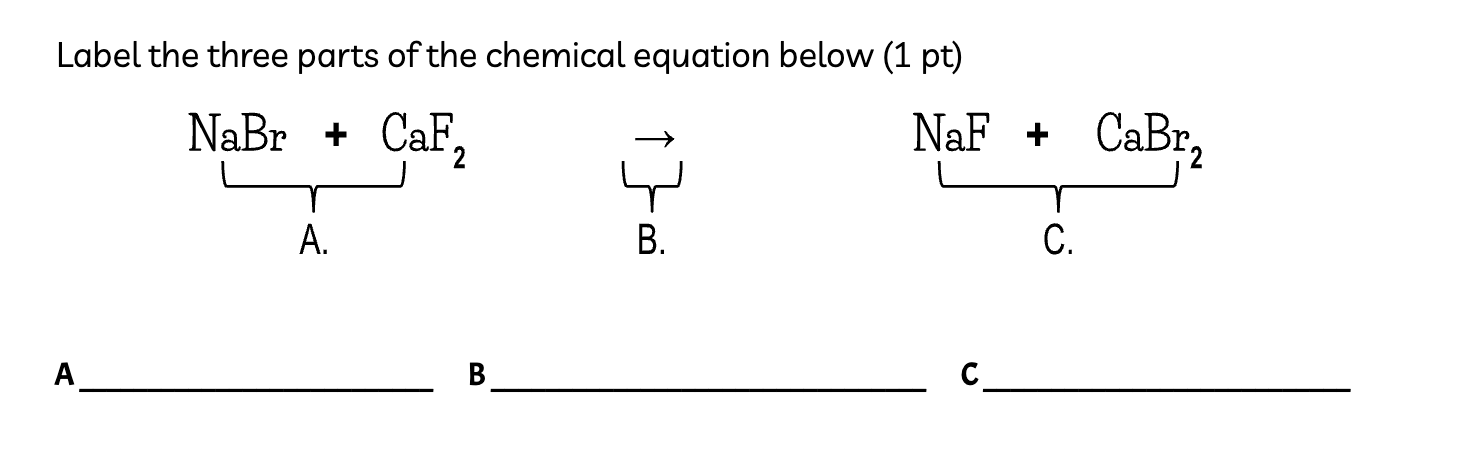
Letter A. (LEFT side of the chemical equation) is called the
Letter C. (RIGHT side of the chemical equation) is called the
What does the "3" in this chemical formula for sucrose tell us about this substance?
3C12H22O11
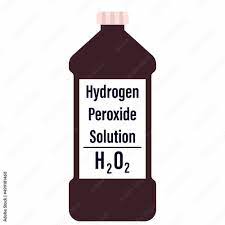
Hydrogen Peroxide is a , which is a

Salsa is a example of a that is a
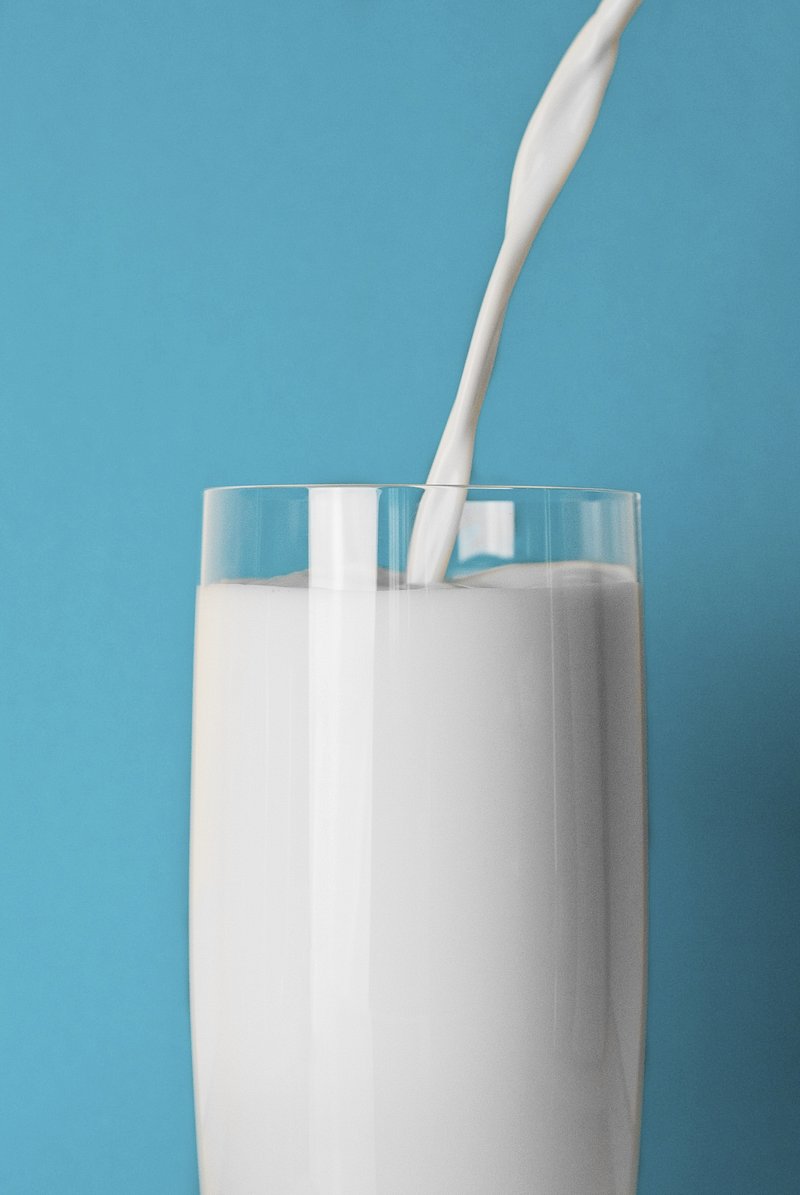
Milk is , which is a
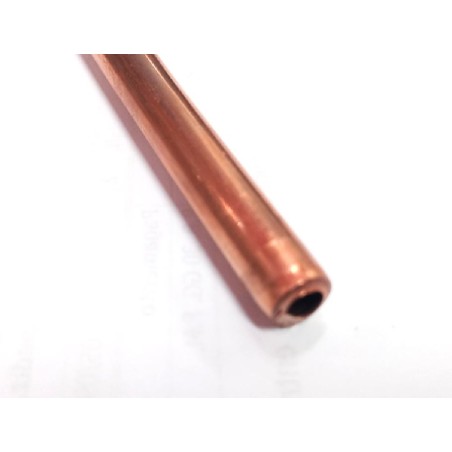
Copper (Cu) is a example of a that is a
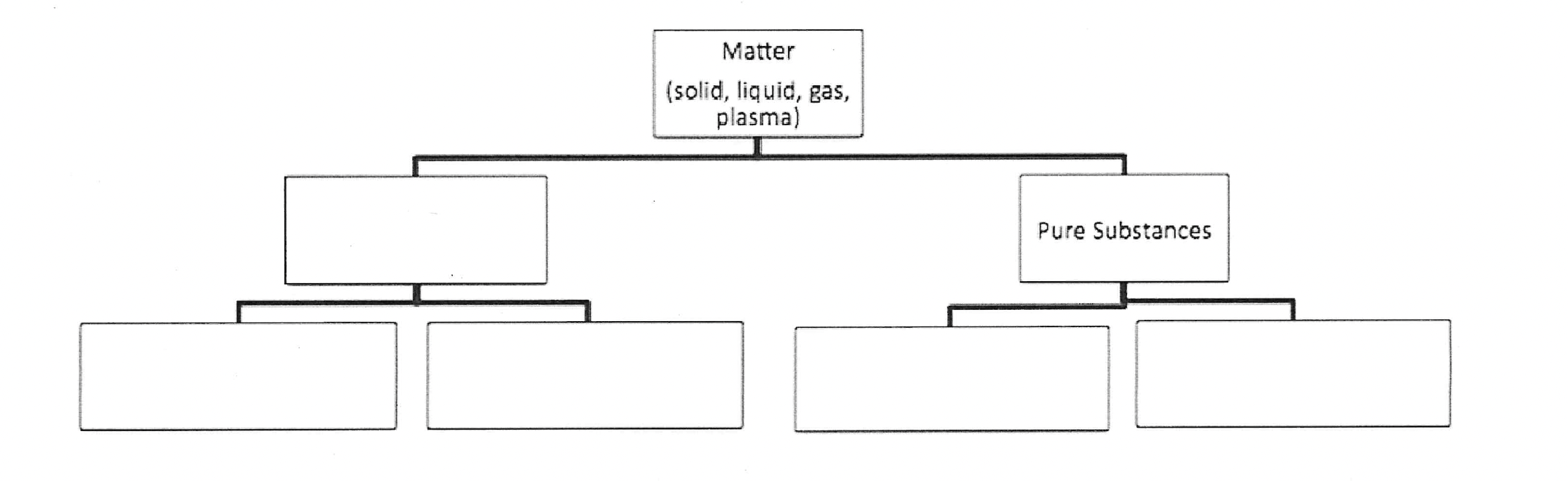
Drag the items to the correct place.
LIST EACH SUBCATEGORY OPTIONS IN ORDER FROM SIMPLE TO COMPLEX (reverse alphabetical order)
The law of conservation of matter states that
" Matter be or . It can only
How many molecules of water (H2O) existed BEFORE the chemical reaction?
This equation is
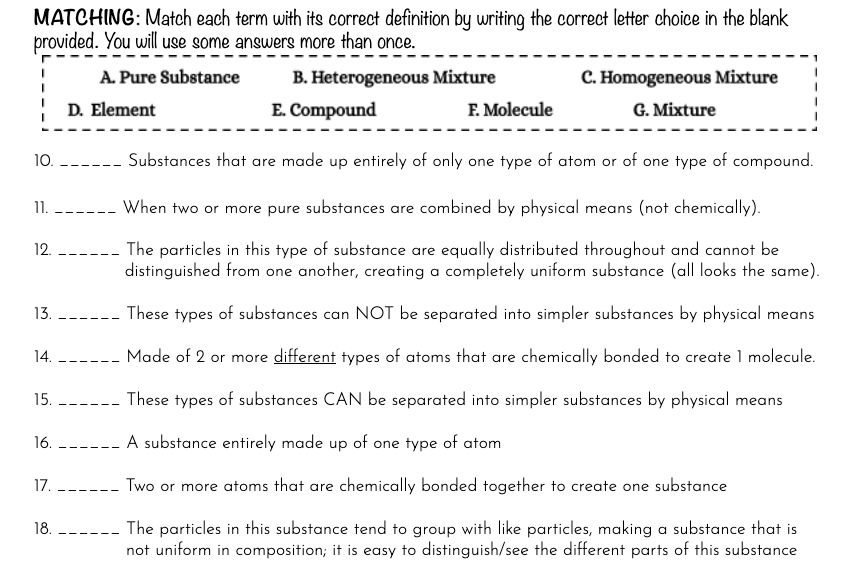
Substances that are made entirely of only one type of atom OR one type of compound.
(You will use some answers more than once)
When two or more pure substances are combined by physical means (not chemically).
(You will use some answers more than once)
The particles in this type of substance are equally distributed throughout and cannot be distinguished from one another, creating a completely uniform substance (looks the same throughout).
(You will use some answers more than once)
These types of substances can NOT be separated into simpler substances by ·physical means
(You will use some answers more than once)
Made of 2 or more DIFFERENT types of atoms chemically bonded together, to create one molecule.
(You will use some answers more than once)
These types of substances CAN be separated into simpler substances by physical means
(You will use some answers more than once)
A substance entirely made up of one type of atom
(You will use some answers more than once)
Two or more atoms chemically bonded together into one substance (It doesn't matter if the atoms are the same or different, just that they're bonded together)
(You will use some answers more than once)
The particles in this substance tend to group with like (the same type of) particles, making a substance that is not uniform in composition (it is easy to distinguish/see the different parts of this substance).
(You will use some answers more than once)
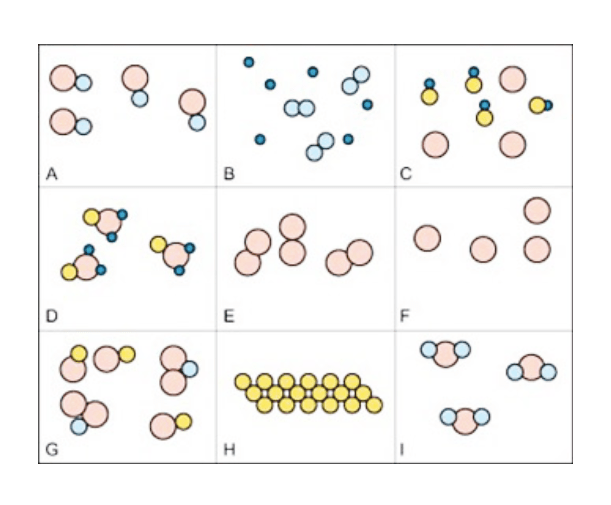
Select every letter representing a box on the left that is an example of an element
Select every letter representing a box on the left that is an example of a compound
Select every letter representing a box on the left that is an example of a mixture