
El doctor me recomienda que...
El doctor me recomienda que...
Doubt or certainty. Put the following expressions under the right category.
es obvio
es probable
es claro
es posible
es cierto
es evidente
no hay duda
es dudoso
es imposible
es difícil
Duda
Certeza
Choose the right beginning for these partial sentences. Be careful when choosing, as some of the endings use indicative and some use subjuctive.
Watch out: If the selection blank is a circle, there is only one possible answer. If the selection blank is a square, there are multiple possible answers.
... que ellos saben las respuestas
... que los semáforos funcionen correctamente.
... que le escribas una carta al alcalde.
... que los conductores de coches manejen más despacio en las avenidas.
...que los Chiefs ganen el Súper Tazón.
Escoge el final apropiado para terminar estas oraciones. ¡Mucho cuidado con el uso del infinitivo, el indicativo y el subjuntivo en la segunda cláusula!
Prefiero que ...
Es bueno...
Tal vez...
La profesora recomienda que...
El doctor me recomienda que...

No es bueno que...

Es verdad que...
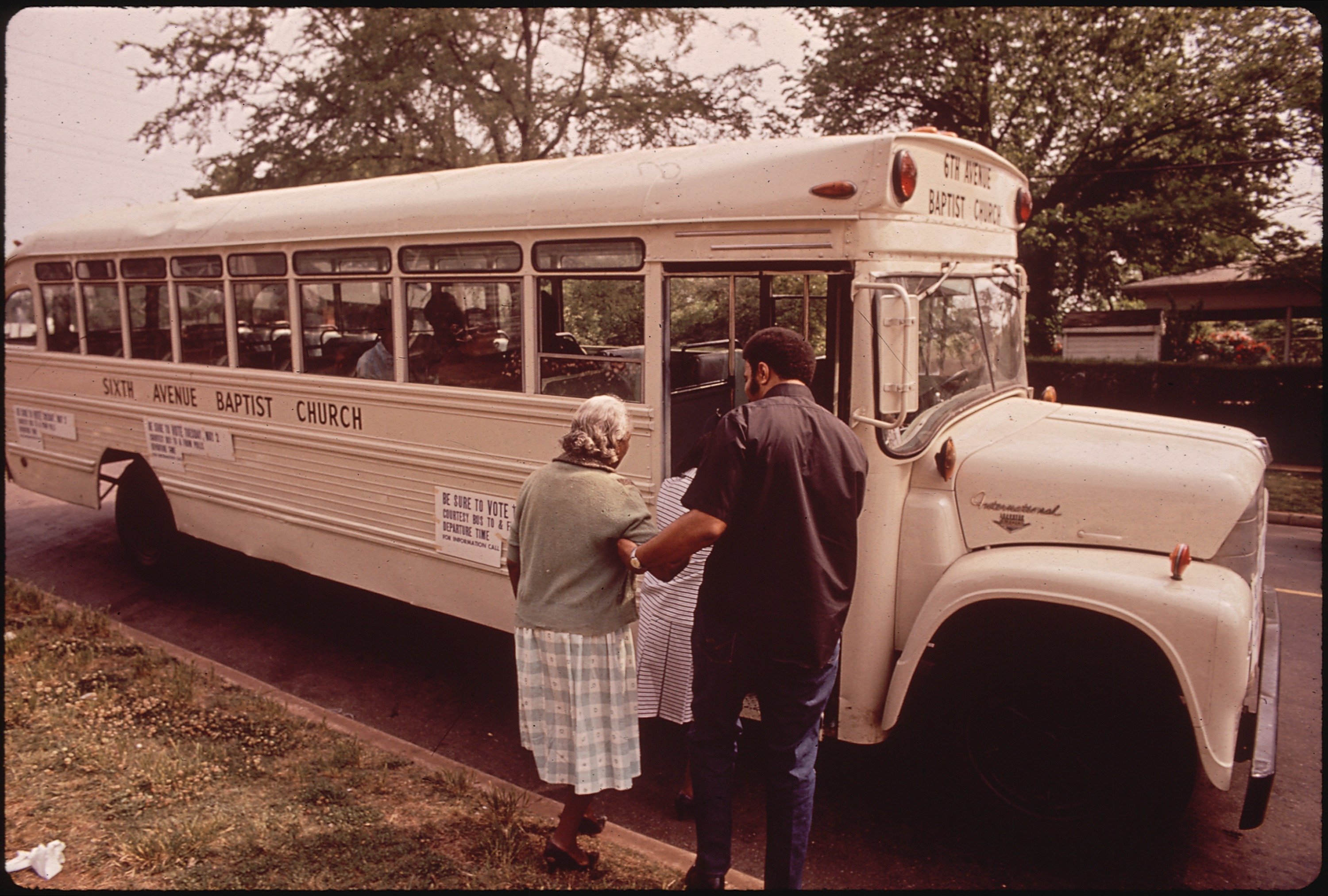
Es necesario ...
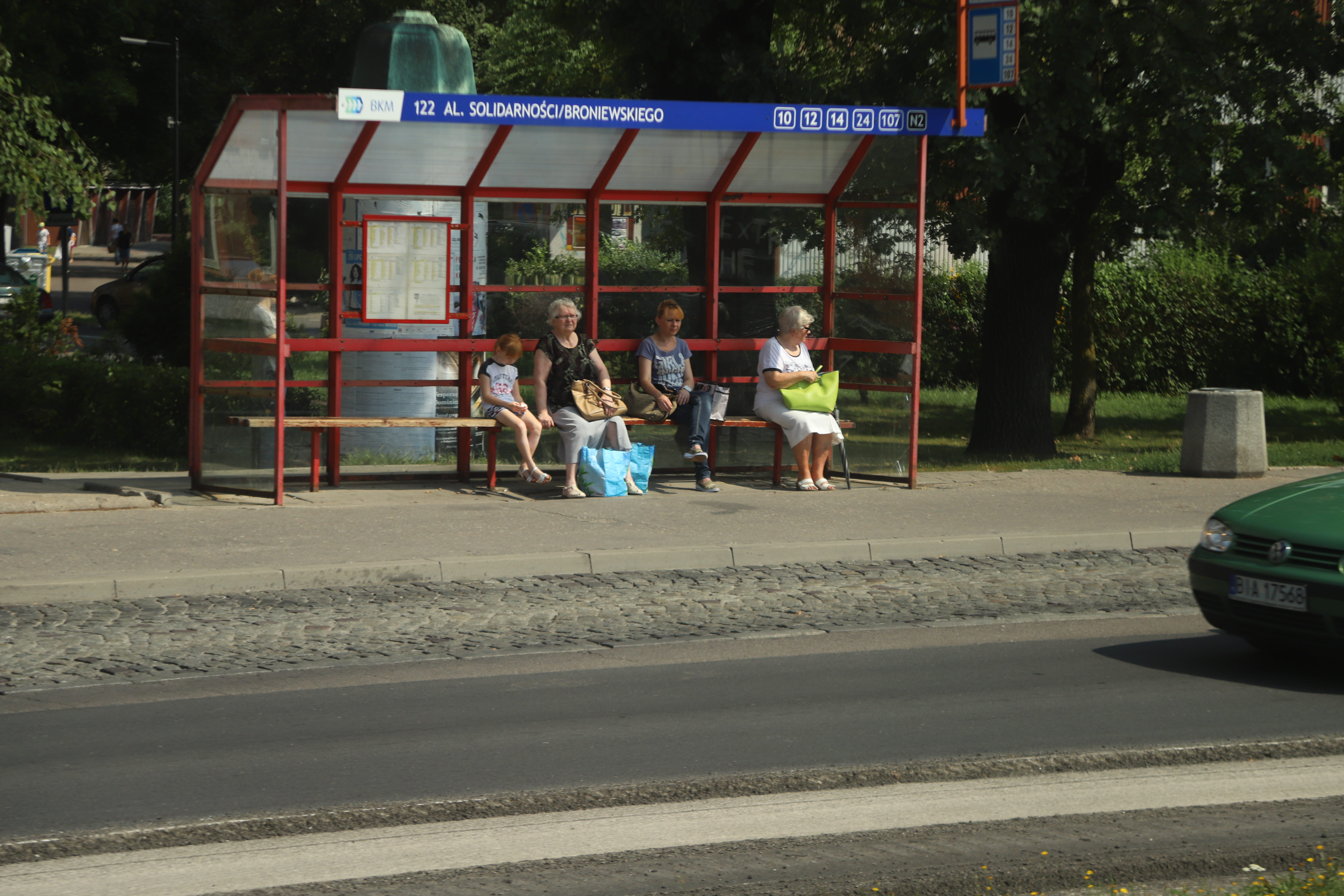
Es importante que...
Complete the following sentences by writing the correct form of the verb. You may need infinitive, indicative or subjunctive.
Es claro que la contaminación del aire
Es buena idea
Exigimos que todos los alcaldes de las ciudades
Observe the following images and think of three things to say about each one. You have freedom to use any three statements, but at least 2 of them must be either an opinion, a recommendation, a suggestion, a desire or a prediction. Answers must be recorded orally.