12/1 Green Revolution 5.3 - Impacts of Agriculture 5.4
star
star
star
star
star
Last updated 12 months ago
24 questions
1
1
1
1
1
1
1
1
1
1
1
1
1
1
1
1
1
1
1
1
1
1
1
1
USE THIS LINK FOR YOUR TABLE!
Question 1
1.
Use the PPT to fill in the table. Green Revolution
Question 2
2.
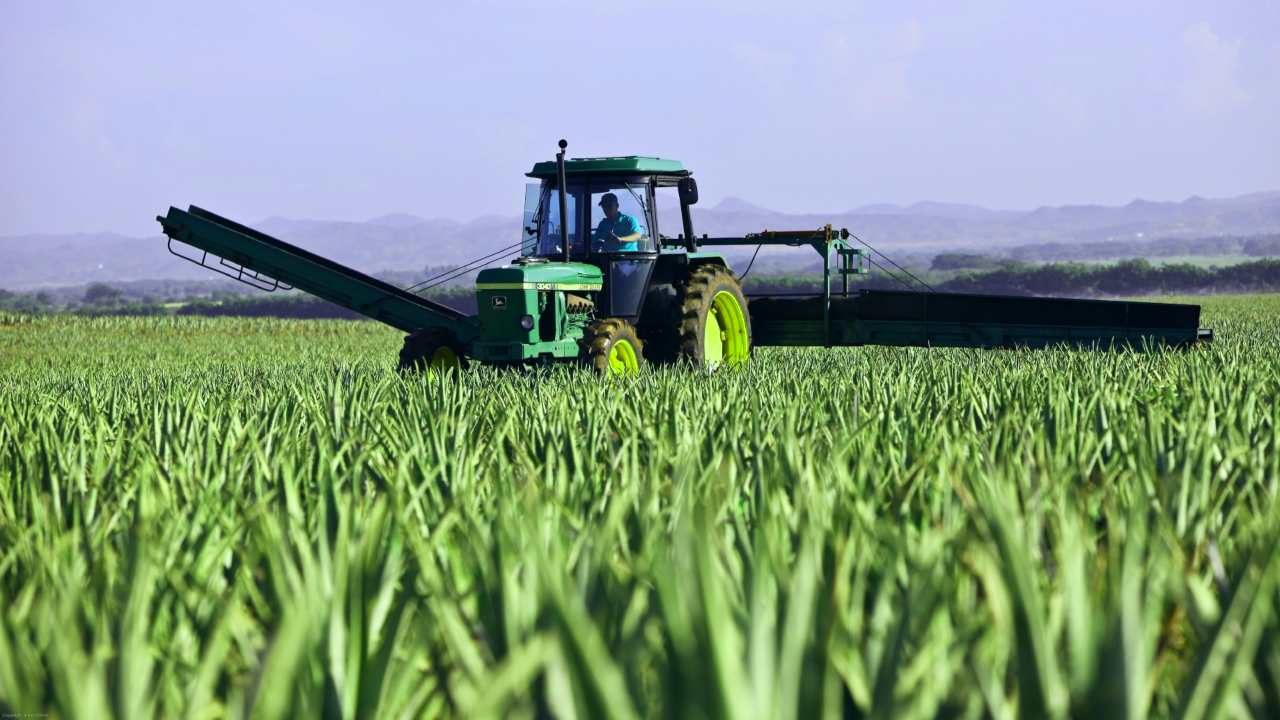
Use the PPT to fill in the table. Mechanization
Question 3
3.
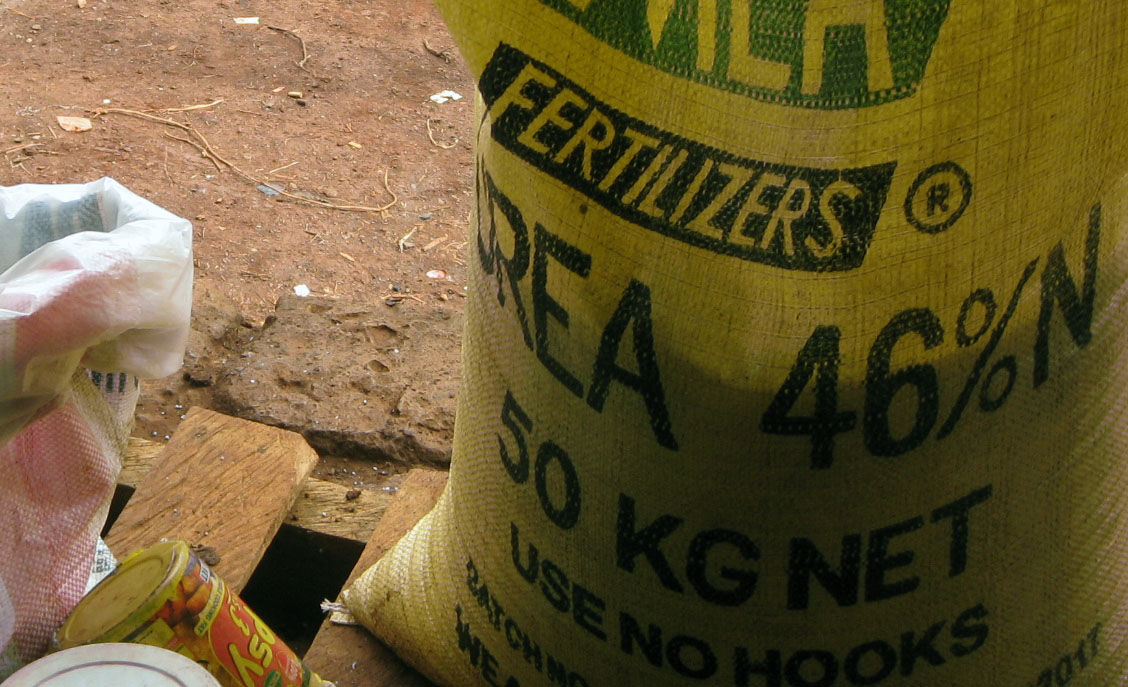
Use the PPT to fill in the table. Fertilizers
Question 4
4.
Use the PPT to fill in the table.
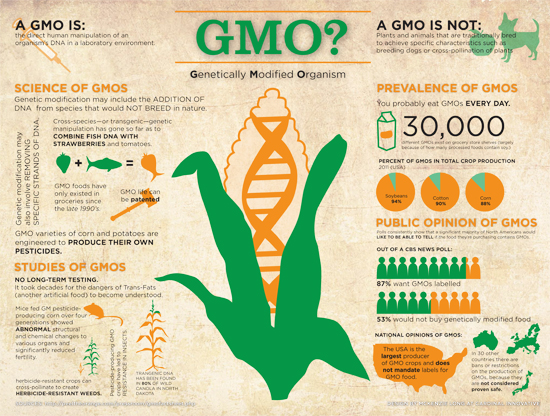
Genetically Modified Organisms
Question 5
5.
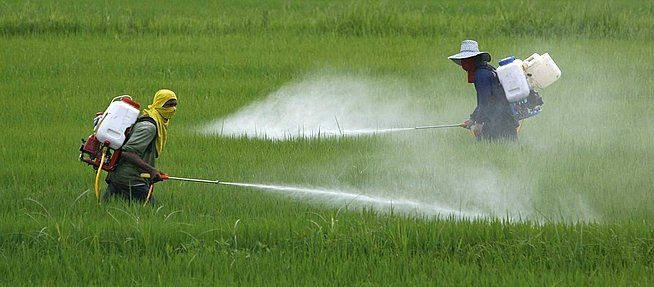
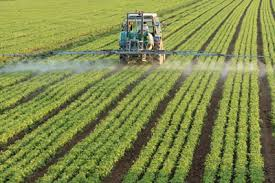
Use the PPT to fill in the table. Pesticides
Question 6
6.
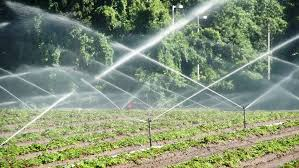
Use the PPT to fill in the table. Irrigation
Question 7
7.
Question 8
8.
Question 9
9.
Question 10
10.
Question 11
11.
Question 12
12.
Go HERE for PPT
Question 13
13.
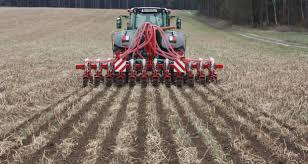
Draw a picture of the agricultural method of tilling.
Question 14
14.
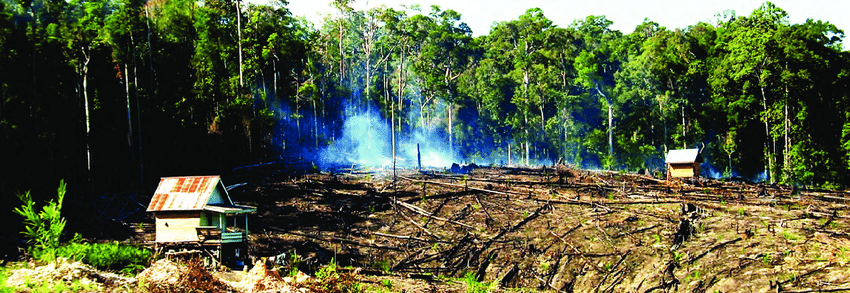
Draw a picture of the agricultural method of slash-and-burn.
Question 15
15.
Draw a picture of the agricultural method of fertilizer use.
Question 16
16.
Question 17
17.
Question 18
18.
Question 19
19.
Question 20
20.
Question 21
21.
Question 22
22.
Describethe environmental damage caused by tilling.
Question 23
23.
Describethe environmental damage caused by slash-and-burn agriculture.
Question 24
24.
Describethe environmental damage caused by the use of fertilizers.
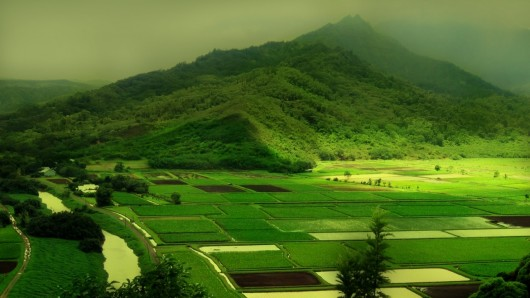
All of the following describe the "Green Revolution" except
Only used in the developing countries
Introduced new farming practices
Introduced new technology
Increased food production drastically
Mechanization includes
Using horses and mules to plow fields to be more efficient
Using machines to increase profits and efficiency but also use of fossil fuels
Using hand tools to work in agricultural fields to use less fossil fuels
Applying chemicals sprayed on crops in order to kill organisms that do harm to crops
Irrigation includes
Applying chemicals sprayed on fields in order to give them the nutrients that they need to grow
Applying chemicals sprayed on crops in order to kill organisms that do harm to crops
Applying controlled amounts of water to plants at needed intervals to grow agricultural crops
Inserted new genetic material into the DNA of crops in order to help them fight diseases
Pesiticides include
Chemicals inserted into the DNA of crops in order to help them fight diseases
Chemicals sprayed on fields in order to give them the nutrients that they need to grow
Chemicals inserted into the DNA of crops in order to help them grow
Chemicals sprayed on crops in order to kill organisms that do harm to crops
Fertilizer use increased during the Green Revolution because
Humans increased the amount of food they grew and overused the nutrients in soil
Humans decreased the amount of food because they couldn't protect the crops from diseases
Humans decreased the amount of food they grew and needed a more reliable source of food
Humans increased the amount of food they grew and needed protection from pests
Genetically Modified Organisms (GMOs) include
A plant, animal, microorganism, or other organism that humans have selectively bred to withstand certain diseases or problems
A plant, animal, microorganism or other organism whose genetic makeup has been modified in a laboratory using genetic engineering or transgenic technology
No organisms on Earth have ever been genetically modified
All organisms on Earth
What is left after tilling?
spray that can potentially kill pests
overturned soil
liquid or pellets of concentrated nutrients
ash and remains of fire
What is left after slash-and-burn farming?
liquid or pellets of concentrated nutrients
spray that can potentially kill pests
overturned soil
ash and remains of fire
What is left after fertilizer application?
overturned soil
ash and remains of fire
spray that can potentially kill pests
liquid or pellets of concentrated nutrients
What is the purpose of tilling?
removing existing vegetation and providing a layer of nutrients to start new growing
controling weeds, insect infestation and diseases of plants
replacing the essential nutrients for plant growth to the soil after they have been depleted
turning the soil to control for weeds and pests and to prepare for seeding
What is the purpose of slash-and-burn farming?
replacing the essential nutrients for plant growth to the soil after they have been depleted
turning the soil to control for weeds and pests and to prepare for seeding
removing existing vegetation and providing a layer of nutrients to start new growing
controling weeds, insect infestation and diseases of plants
What is the purpose of fertilizer use?
removing existing vegetation and providing a layer of nutrients to start new growing
replacing the essential nutrients for plant growth to the soil after they have been depleted
controling weeds, insect infestation and diseases of plants
turning the soil to control for weeds and pests and to prepare for seeding