The immune system
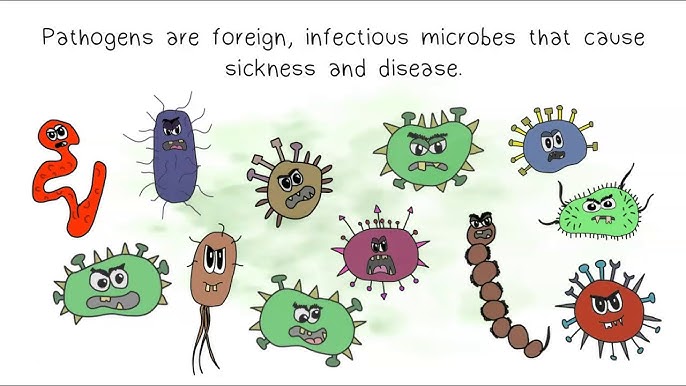
Pathogens are microorganisms that can cause disease.
Physical: Skin, epithelial linings, mucosal secretions
Chemical: pH of bodily fluids, hormones and other soluble factors.
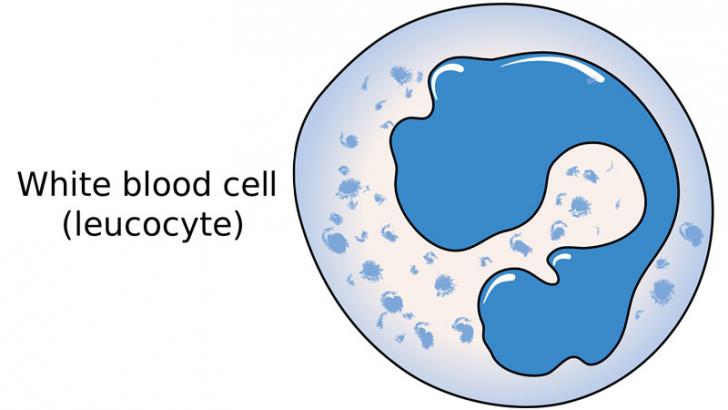
Leucocytes: White blood cells that fight disease.
Inflammation
Clotting
Lymphocyte and antibody production.
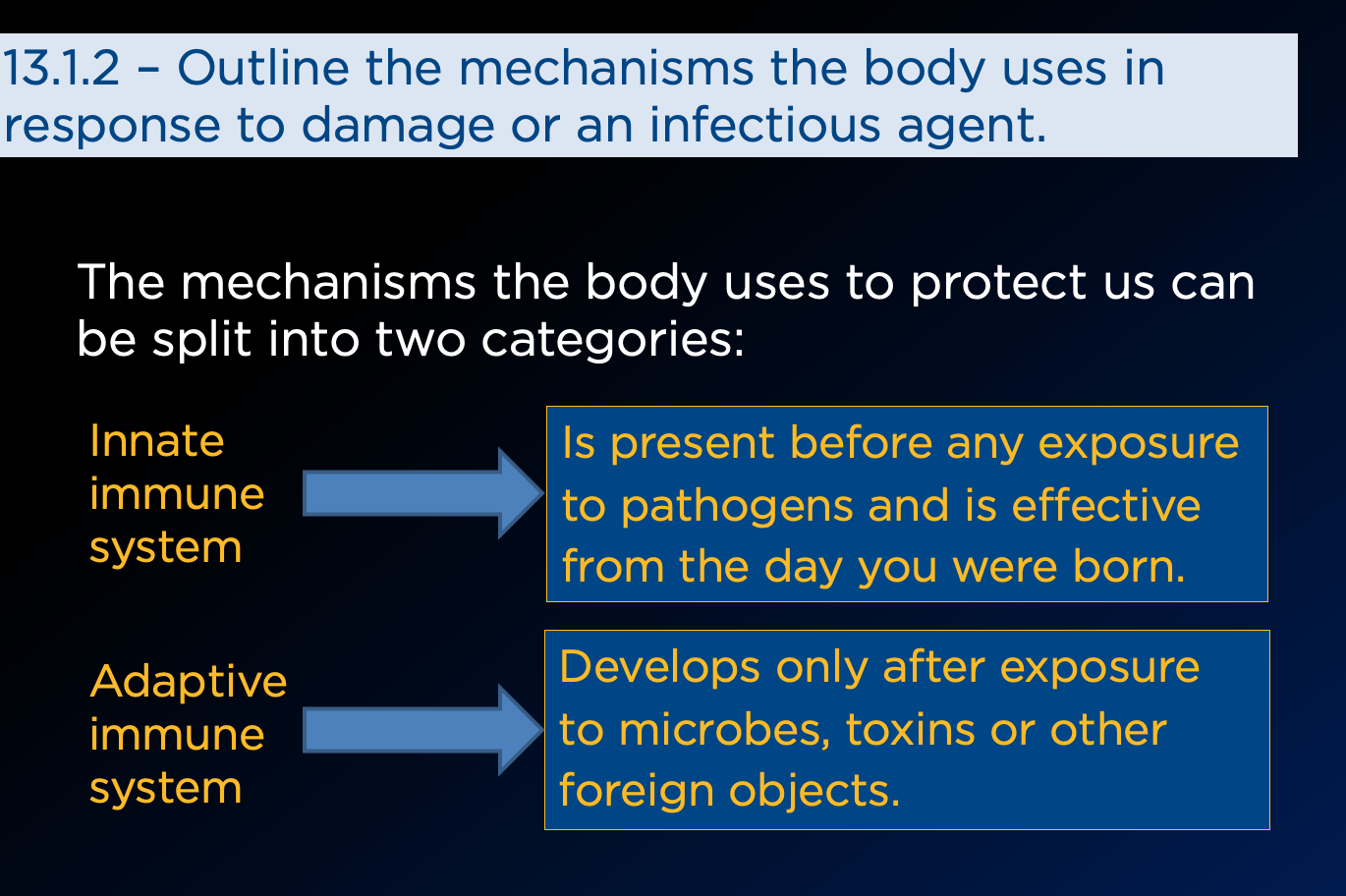
Innate immune system:
Adaptive immune system:
Which describes inflammation?
What can be a response that is similar to an infection after intense exercise?
What can be an effect of exercise intensity on leucocyte count which is similar to infection?
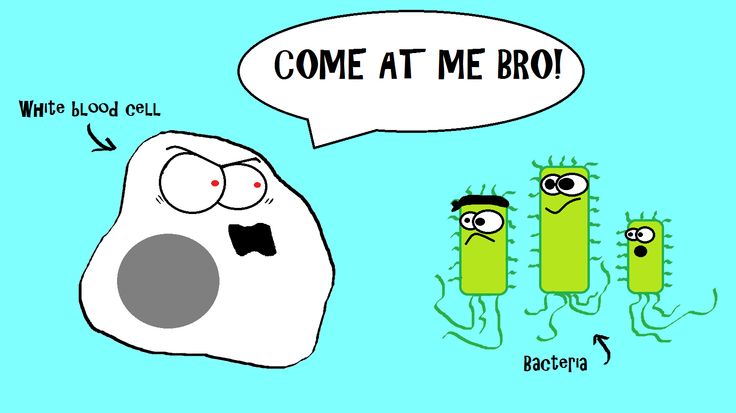
High and prolonged training loads can lead to an increase in immune function.
Which hormones can suppress the immune system after long periods of exercise?

Another way to use Anki:
Copy this passage:
When training loads are high and prolonged, there tends to be a decrease in innate and adaptive immune function.
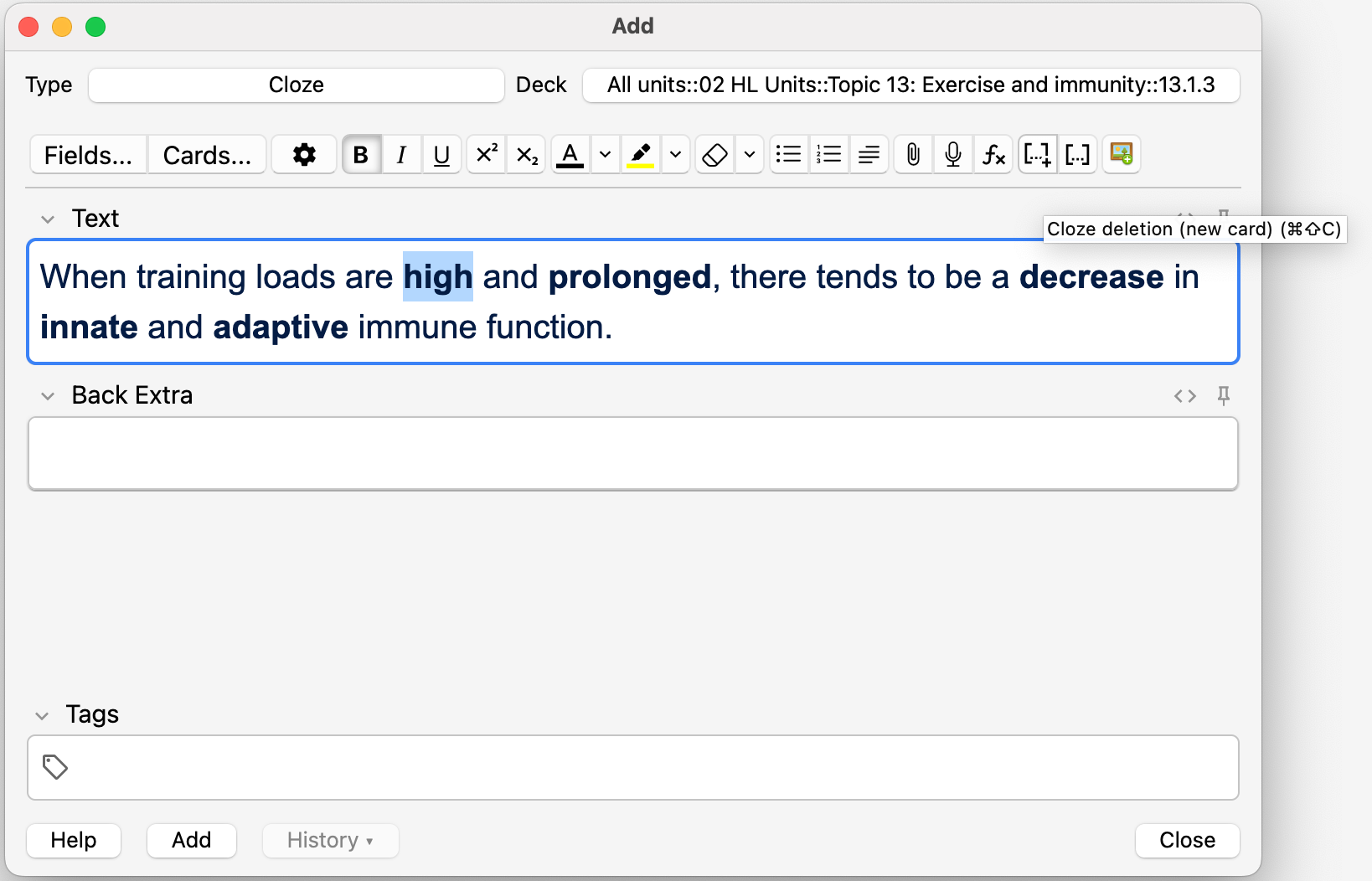
Add a new deck and chose "Cloze" instead of "image occlusion"

Select the bold words and press the plus button on the top line:

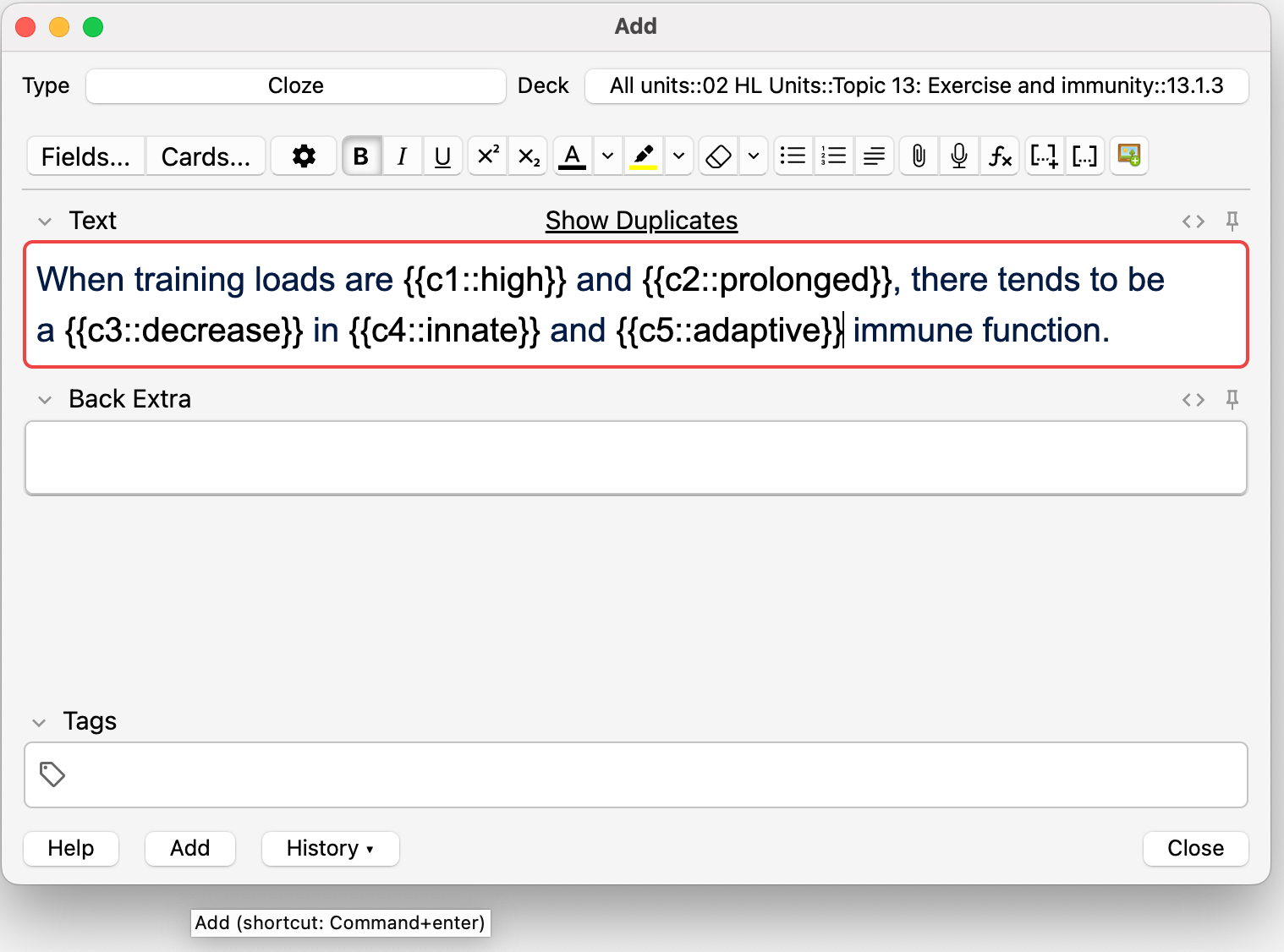
Once it looks like this, press add and your cards are made!
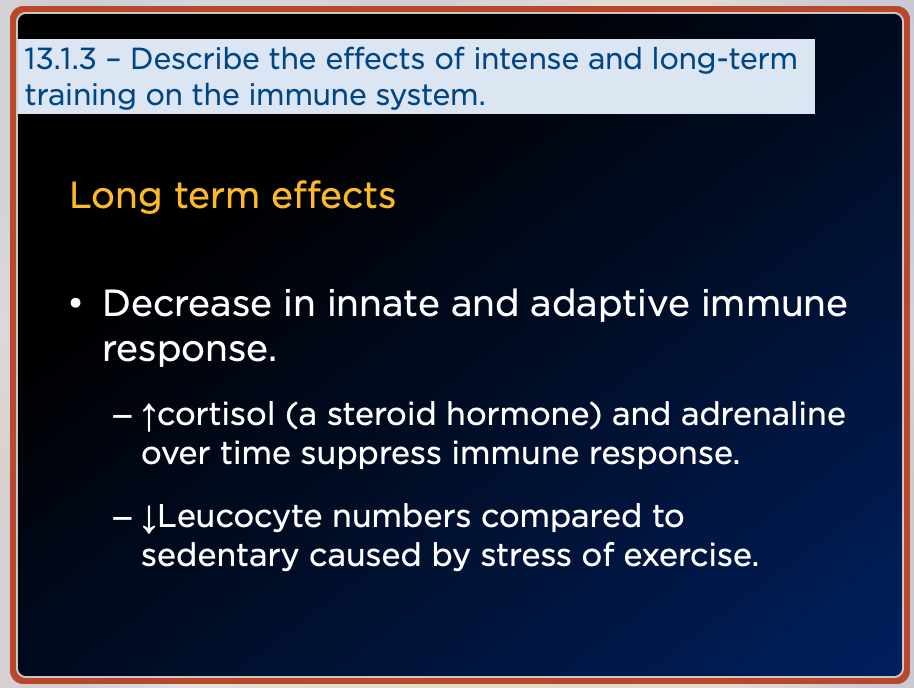
From a past paper:
An athlete has sustained cortisol levels that suppress their immune system. What has caused this?
Which is the main immune response that leads to the symptoms of DOMS?
A cyclist is training for the ultra-distance IncaDivide race across Ecuador and Peru. Explain the effect of the training load on the cyclist’s susceptibility to infection. [5]

Look at the mark scheme in the hint and note down the points you missed (your knowledge gap)