Intro to Electricity
star
star
star
star
star
Last updated 11 months ago
41 questions
3
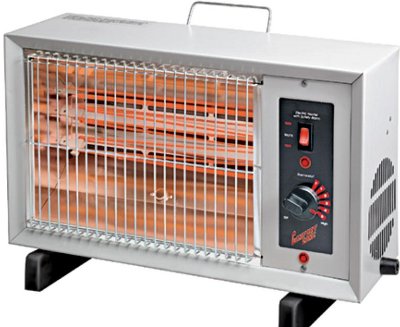
Which of the following are electrical appliances? (select ALL that apply)
3
Which TWO are sources of electricity for everyday use?
2
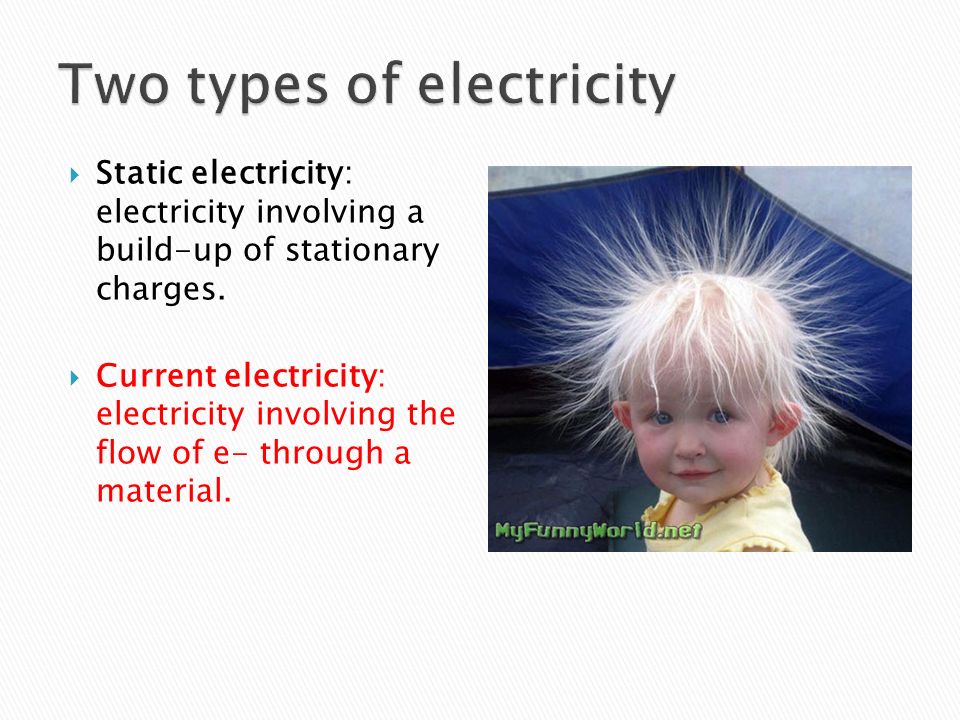
Normally, the electrons and protons in an atom balance out.
2
If an object loses electrons, it becomes ___________ charged.
2
When an object gains electrons, it becomes _________________ charged.
2
When two objects with opposite charges come into contact, _______________ move from the _____________ object to the _________________ object.
0
Drag John Travoltage’s FOOT across the carpet. Describe what happens!
0
Bring John Travoltage’s FINGER down to the door knob. Describe what happens!
0
Why doesn’t John Travoltage get a shock if he touches the doorknob without rubbing his foot on the carpet?
0
Observe which direction the spark travels when John Travoltage’s finger comes close to the metal doorknob.
a) Draw on the diagram of his finger and the doorknob below.
b) Label the CHARGES (positive, negative, neutral) of both objects and show the direction the spark is traveling!
Observe which direction the spark travels when John Travoltage’s finger comes close to the metal doorknob.
a) Draw on the diagram of his finger and the doorknob below.
b) Label the CHARGES (positive, negative, neutral) of both objects and show the direction the spark is traveling!
0
Sketch the charges (+ and -) on the sweater AND the balloon in the BEFORE RUBBING in box below.
2
What is the overall charge of the sweater before rubbing?
2
What is the overall charge of the balloon before rubbing?
0
Sketch the charges (+ and -) on the sweater AND the balloon in the AFTER RUBBING in box below.
0
Make the balloons repel! Draw the charges on the balloons that repel in the picture below.
0
Make the balloon and sweater attract! Draw the charges on the balloon and sweater that attract in the picture below.
2
Objects with OPPOSITE charges will ____________.
2
Objects with SAME charges will ____________.
2
Everything in the universe is made up of __________.
2
Ants are made of more than a ______________ atoms!
2
When talking about electricity, the most important part of an atom is the ________________.
2
Electrons can move between atoms.
2
The flow of electrons is called _________________.
0
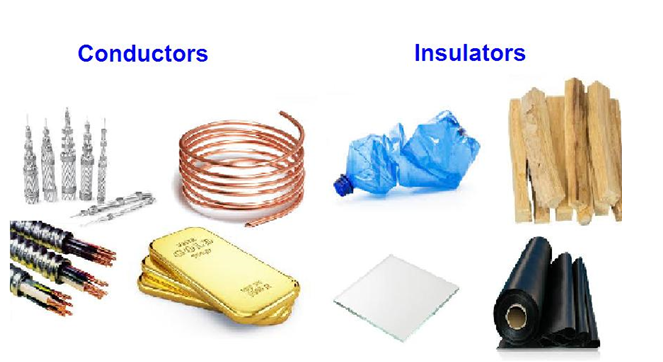
Look at the materials above. Which do you think are conductors?
0
Look at the materials above. Which do you think are insulators?
2
Look at your list of conductors.
What kind of material are most conductors?
Look at your list of conductors.
What kind of material are most conductors?
0
Label the conductors and insulators shown on the plug in the picture.
2
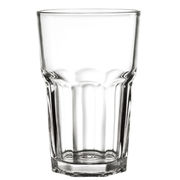
Glass Cup: Conductor or Insulator?
2
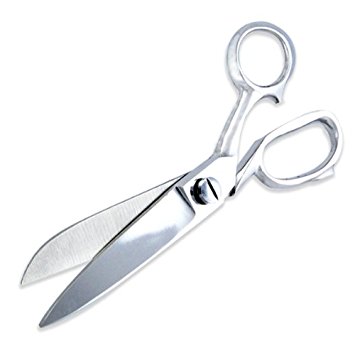
Metal Scissors: Conductor or Insulator?
2
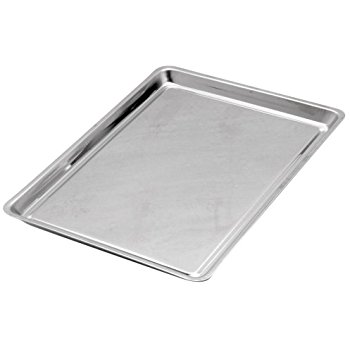
Metal Baking Pan: Conductor or Insulator?
2
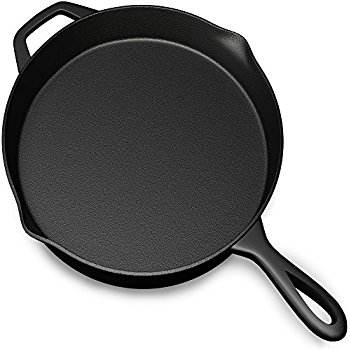
Iron Skillet: Conductor or Insulator?
2
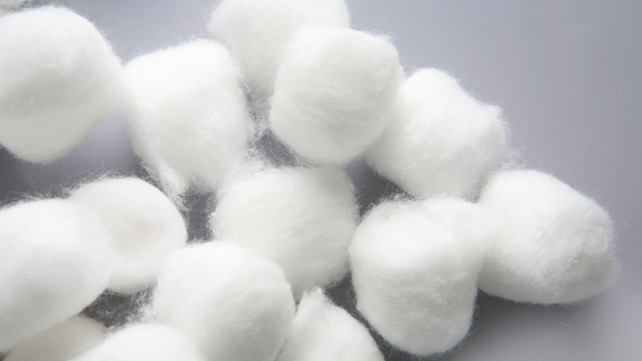
Cotton Balls: Conductor or Insulator?
2
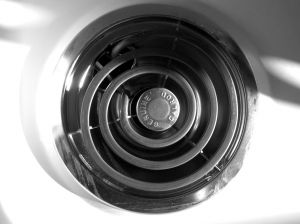
Stove Eye: Conductor or Insulator?
2
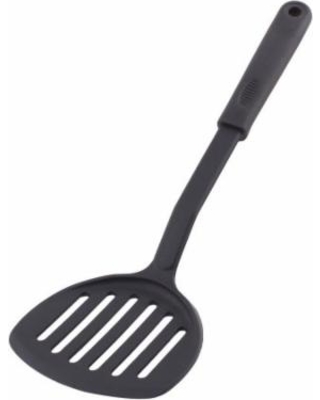
Plastic Spatula: Conductor or Insulator?
2
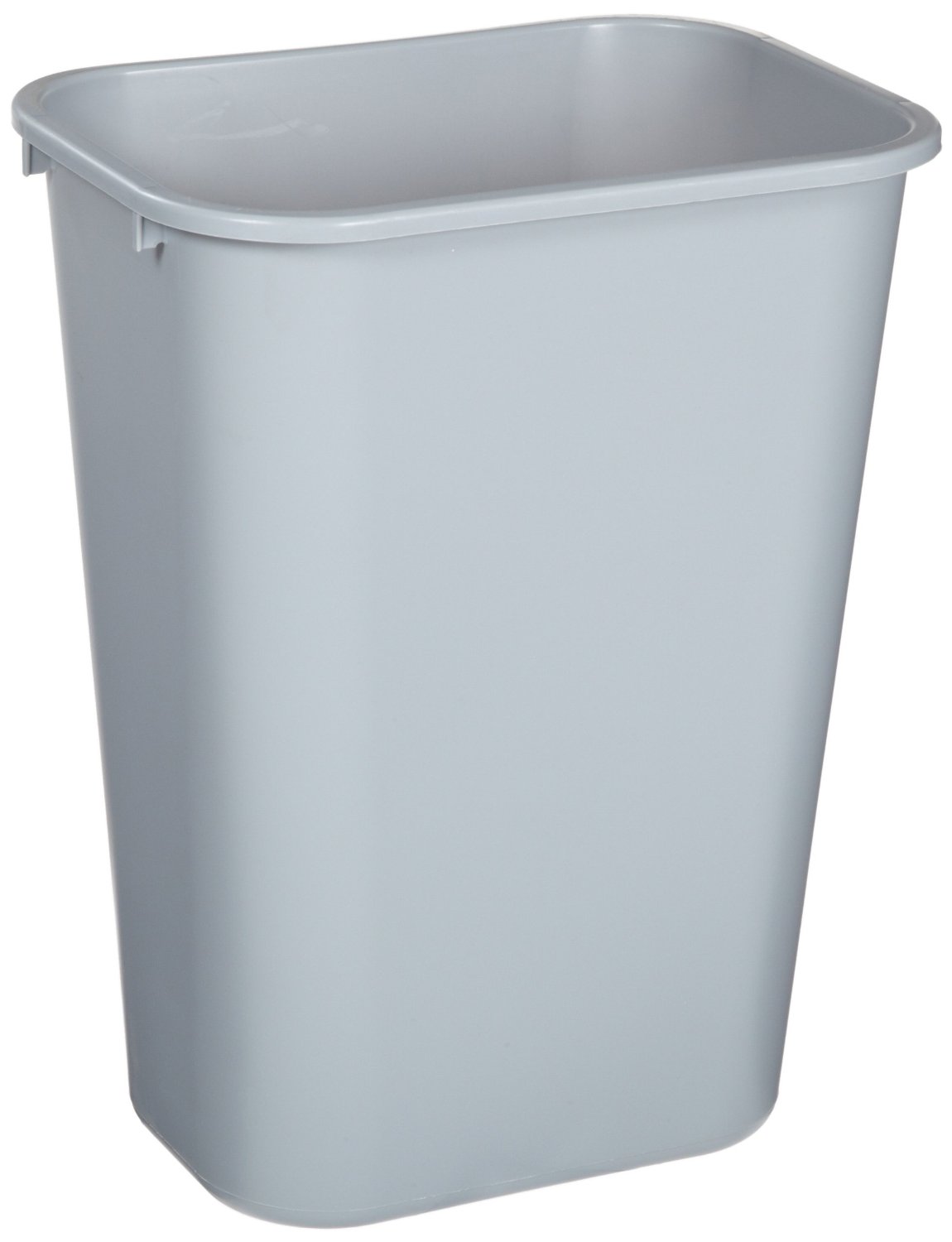
Trash Can: Conductor or Insulator?
2
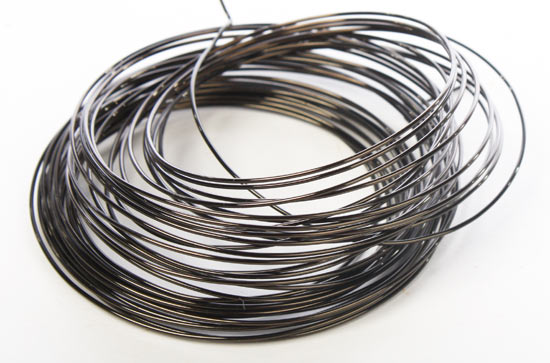
Metal Wire: Conductor or Insulator?
2
Paper: Conductor or Insulator?
2
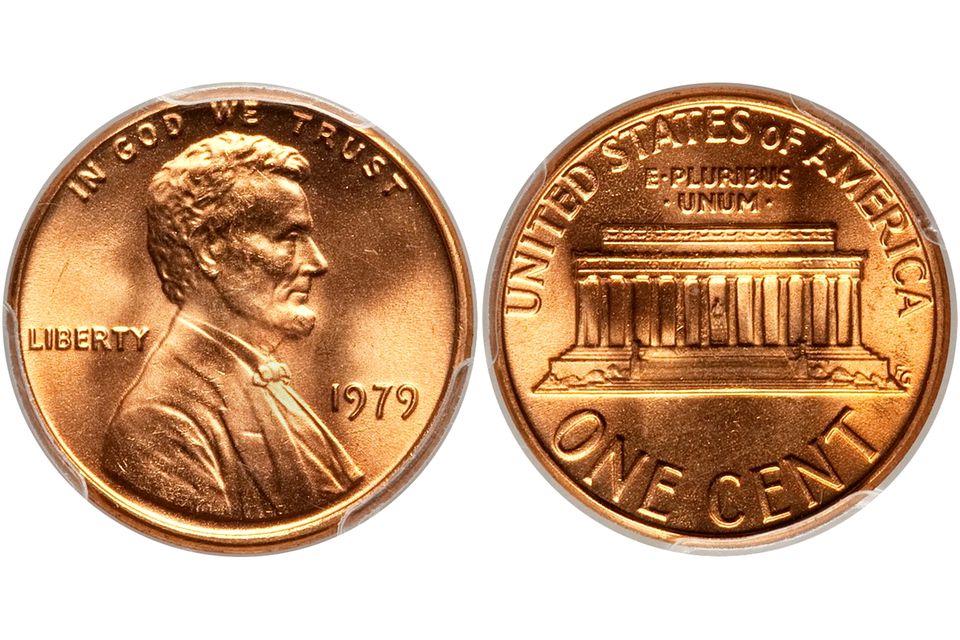
Penny: Conductor or Insulator?
2
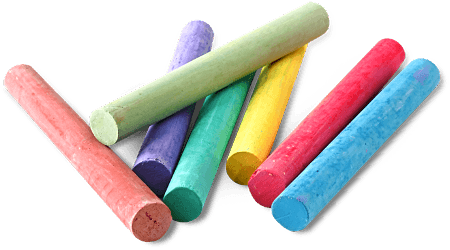
Chalk: Conductor or Insulator?
2
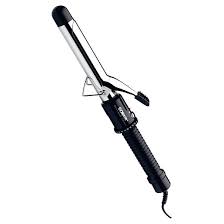
Curling Iron (part that touches hair): Conductor or Insulator?
2