Species of organisms vary in the number of births per reproduction cycle, in the age that reproduction begins, and in the life span of the organism. Both plants and animals are placed into groups based on their reproductive factors.
Although, we must acknowledge that not all organisms fit under a specific reproductive strategy.
Reproductive Strategies
5
3
The Rate Strategy (r-strategists)
This is an adaptation for living in an environment where fluctuations in biotic or abiotic factors occur. These organisms tend to:
be smaller
have a short lifespan
have many offspring in a short time
invest little to no energy in raising their offspring
are controlled by density-independent factors
population numbers are usually not near carrying capacity
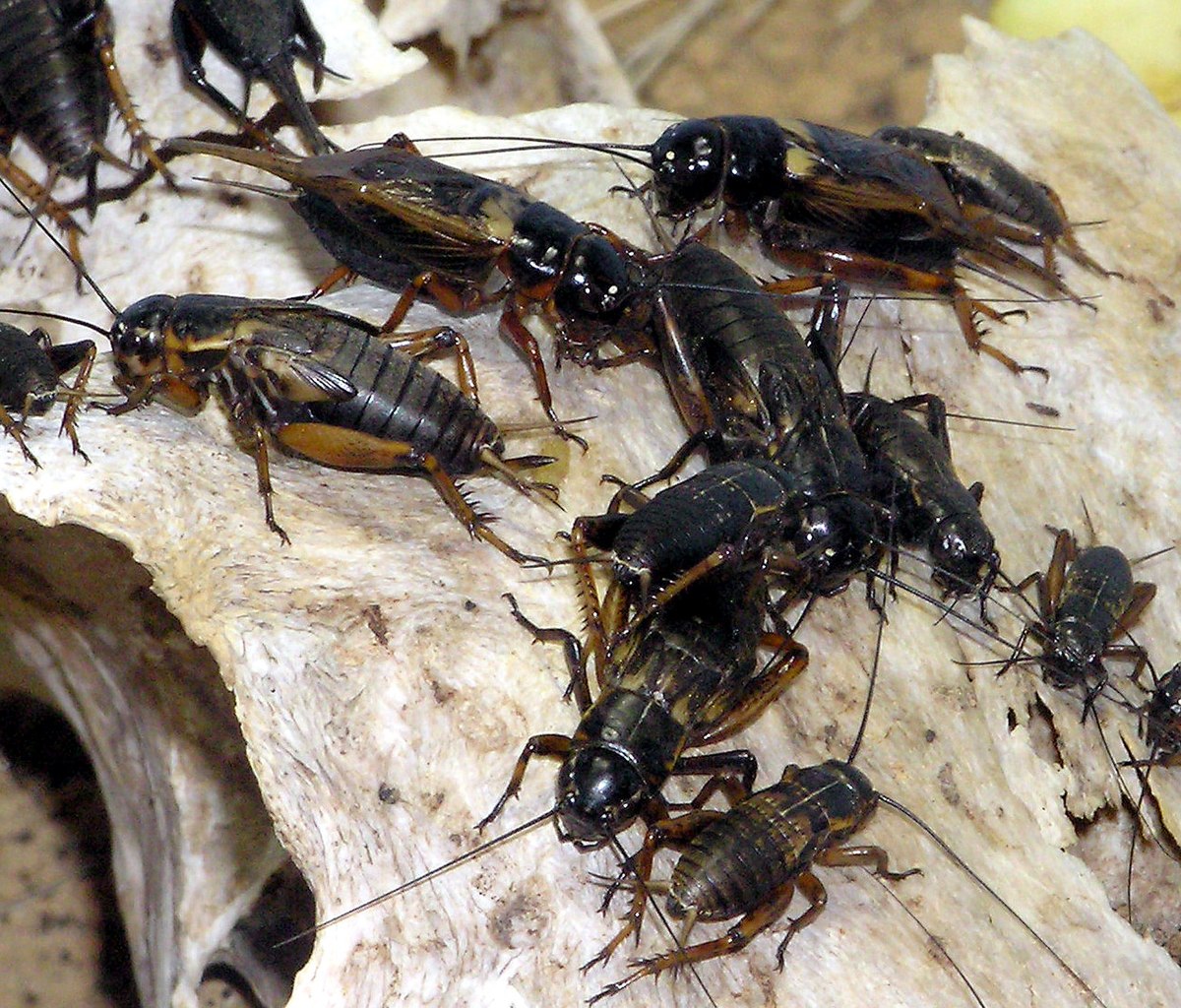
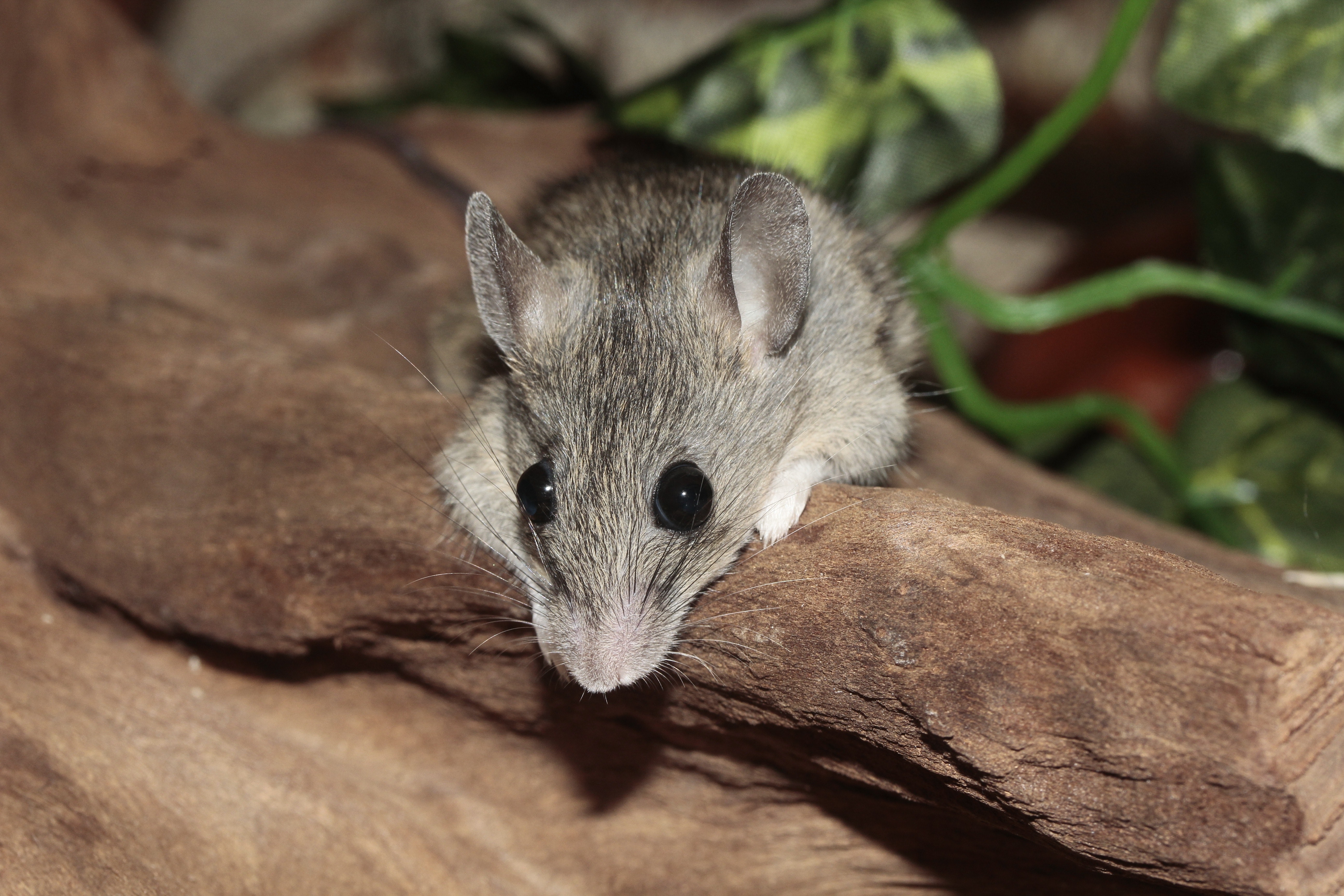
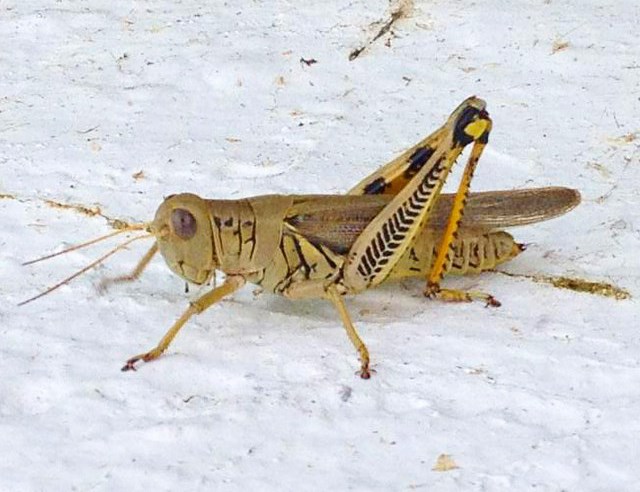
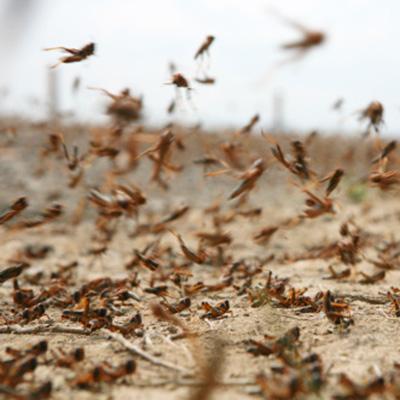
Examples: Bacteria, mice, rates, insects
The Carrying-Capacity Strategy (k-strategy)
This is an adaptation for living in an environment that is fairly predictable. These organisms tend to:
larger organisms
have a longer life span
have only a few offspring
invest energy and resources into raising their young
are controlled by density-dependent factors
reach an equilibrium at the carrying capacity
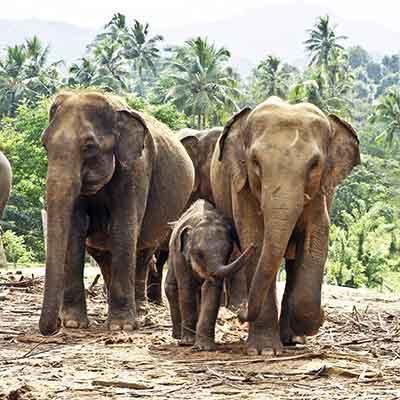
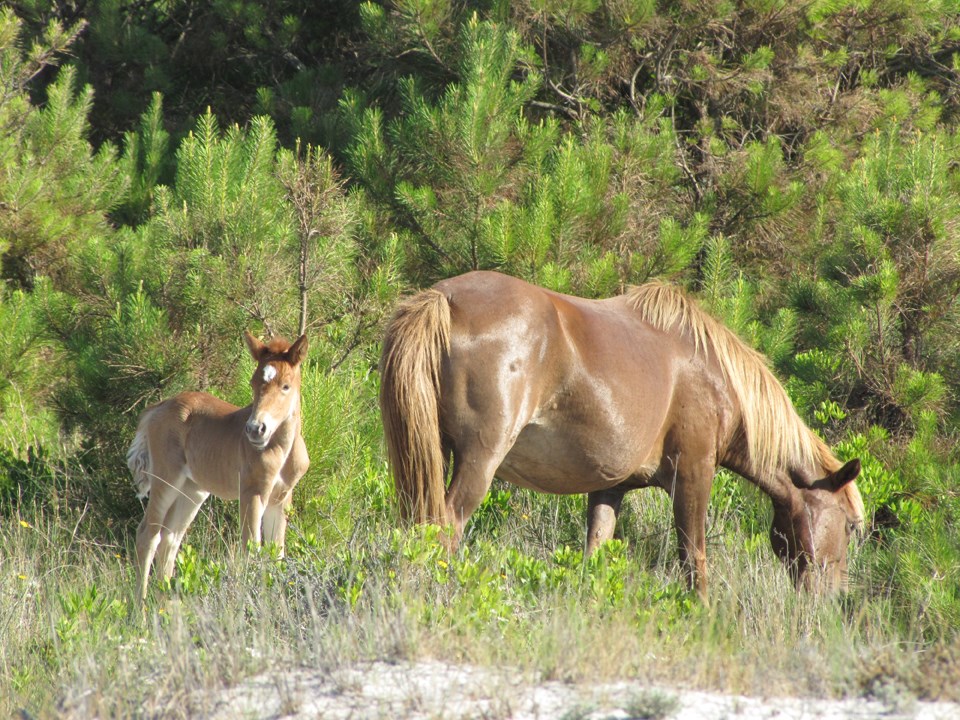
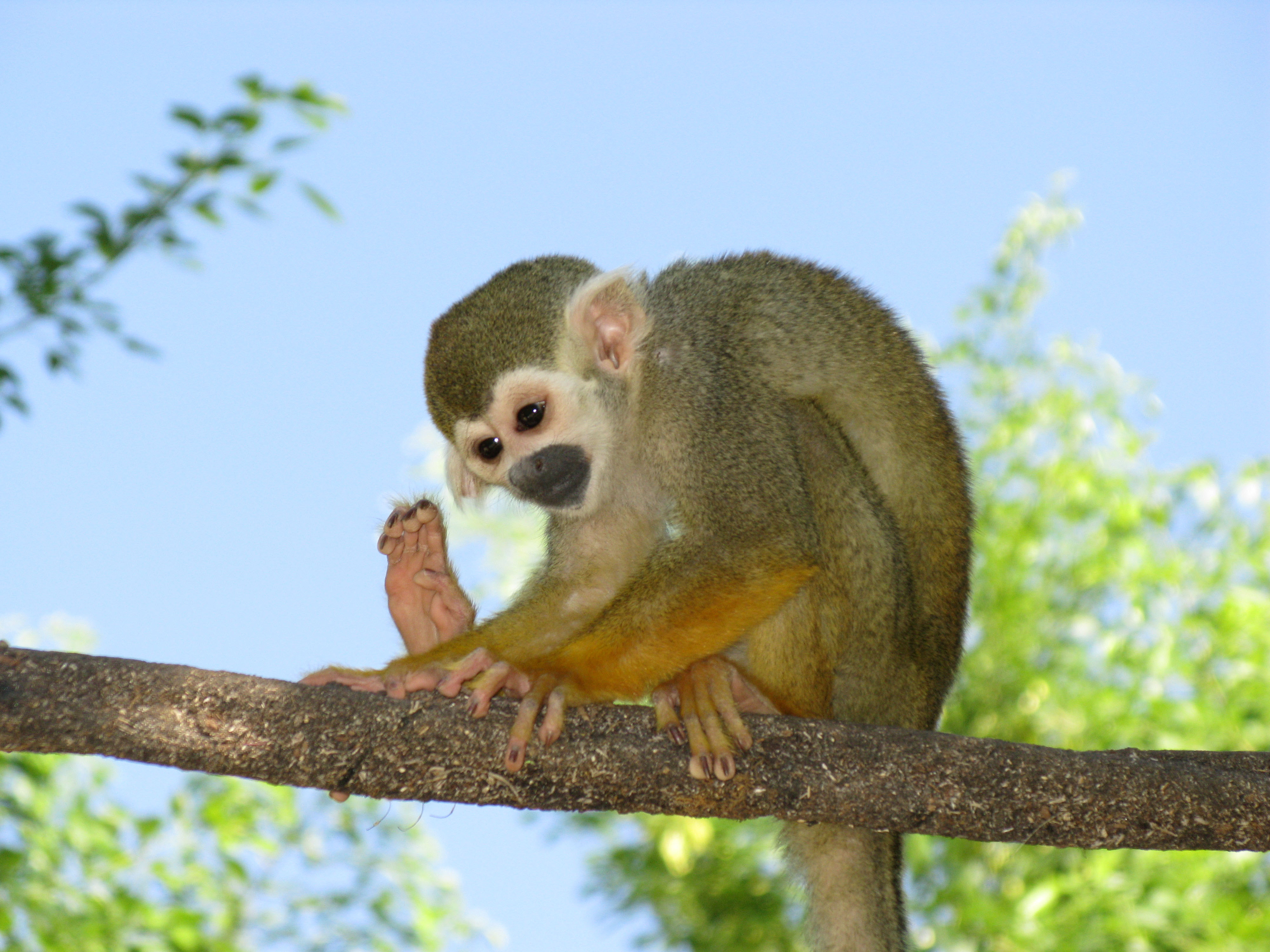
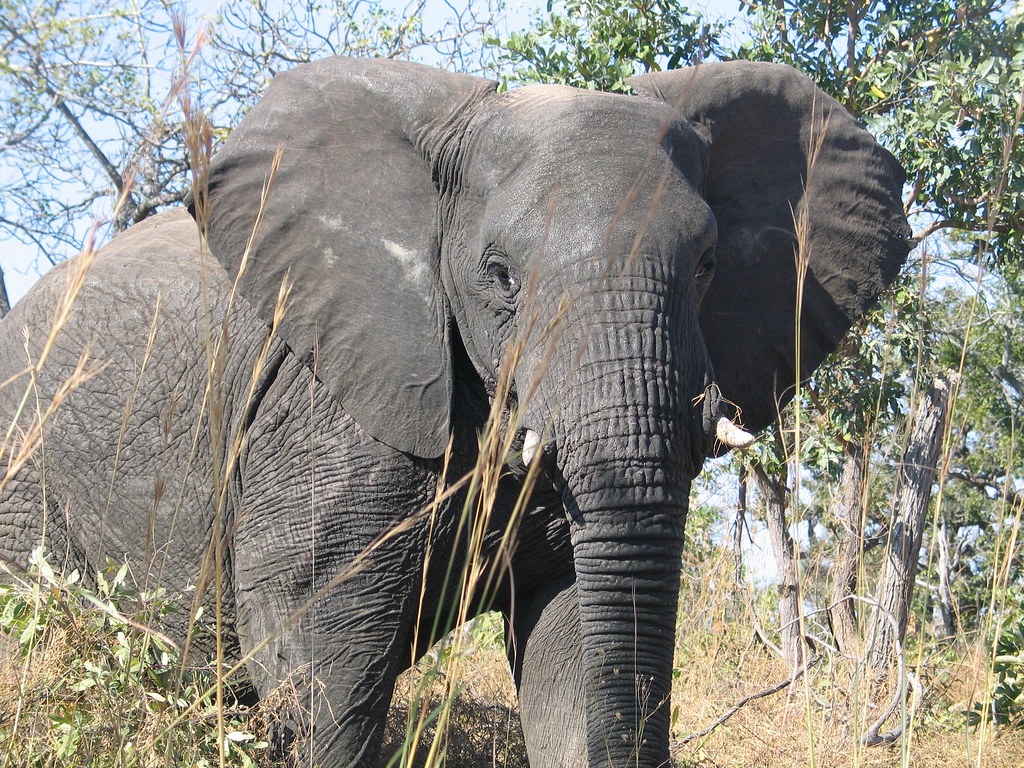
Ex: birds, elephants, other large mammals
Question 1
1.
only have a few offspring at a time
invest no energy into raising young
long life span
reproduce many offspring in a short time
small organism
invest time and energy into raising their young
short life span
controlled by density-dependent factors
controlled by density-independent factors
larger organisms
r-strategy
k-strategy
Question 2
2.
Use your knowledge of each reproductive type and categorize each animal into what type of reproductive strategy you think they would use.