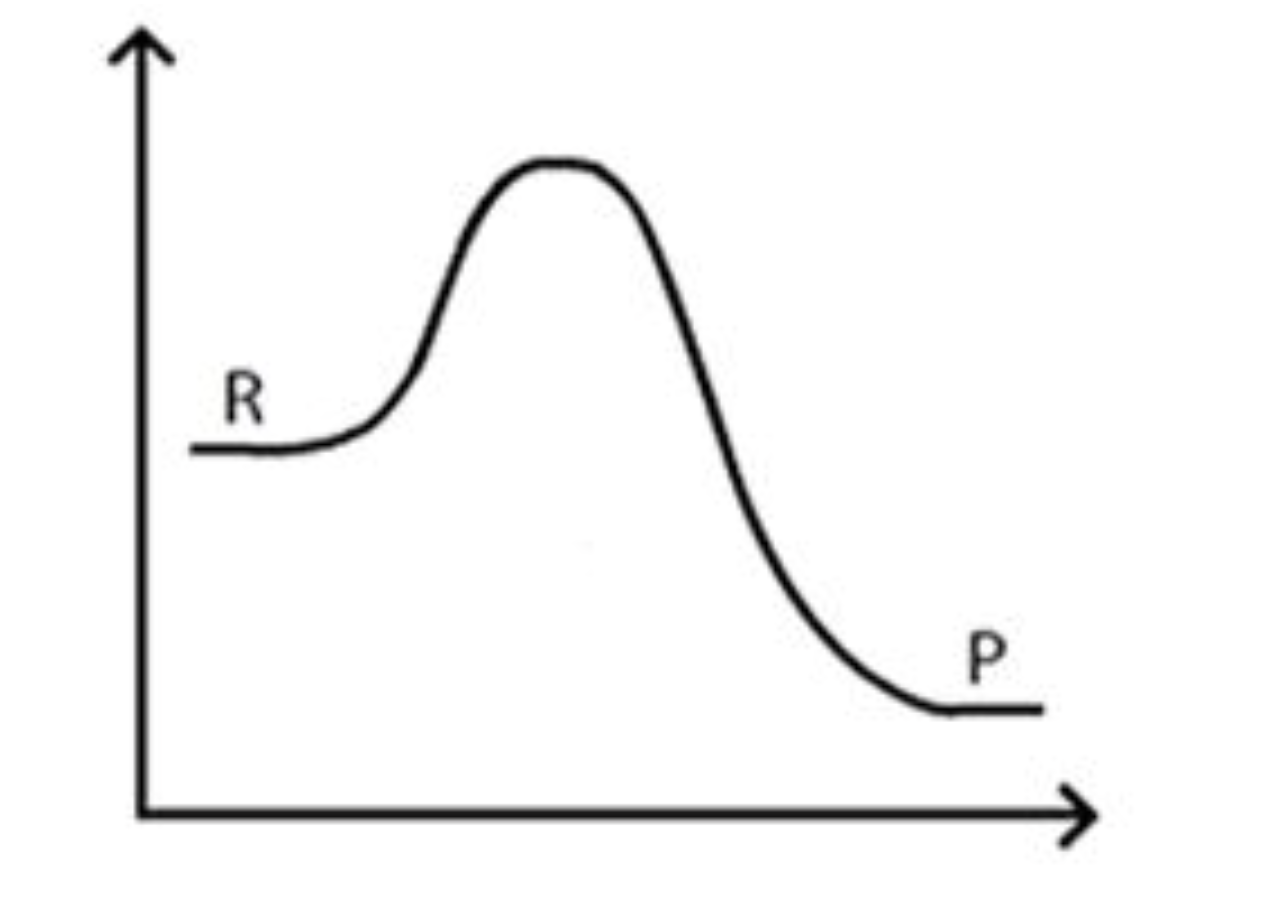
This energy graph shows a
The sum of all the chemical reactions in an organism is called
All chemical reactions require
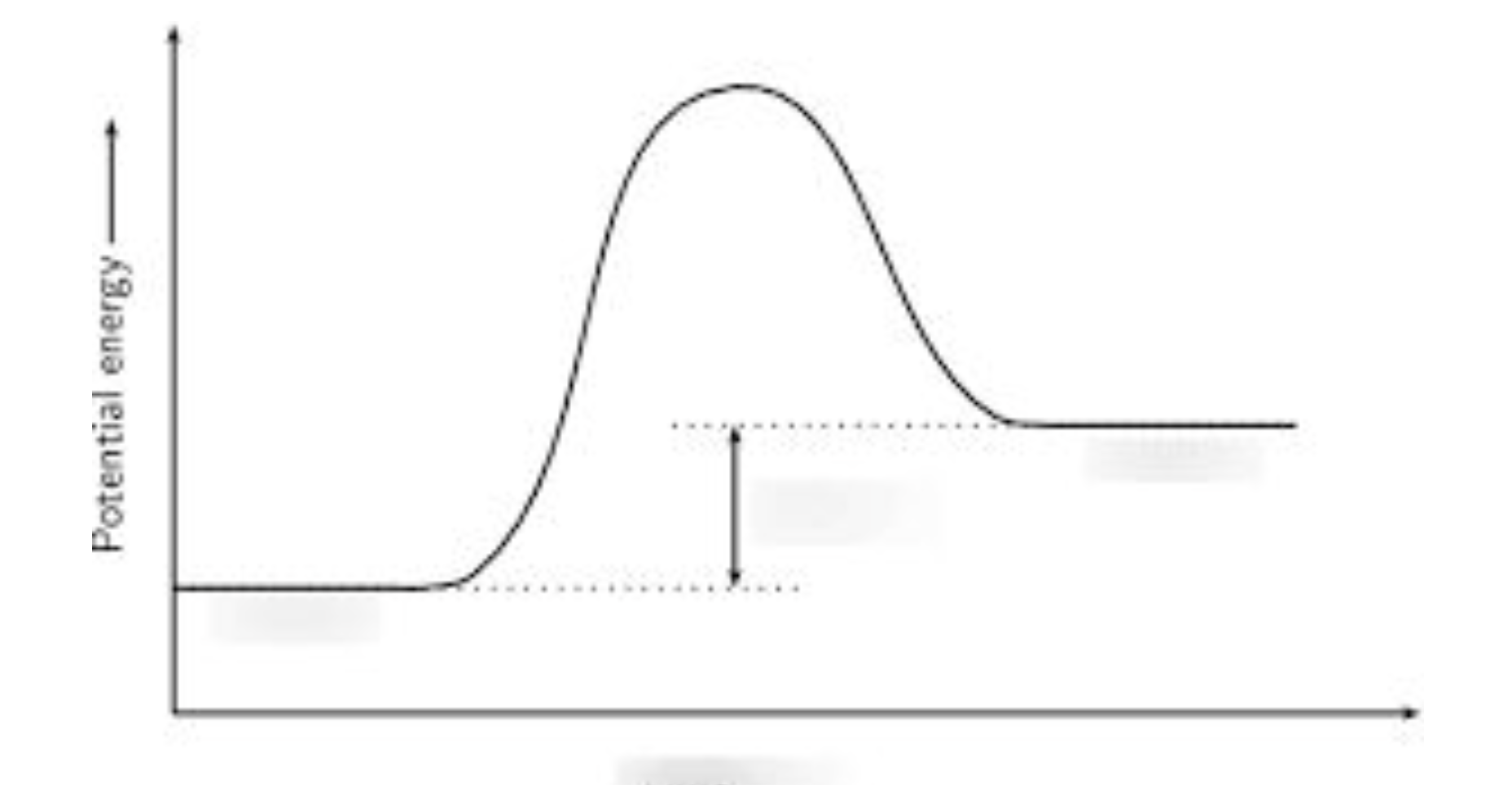
This energy graph shows a
This energy graph shows a
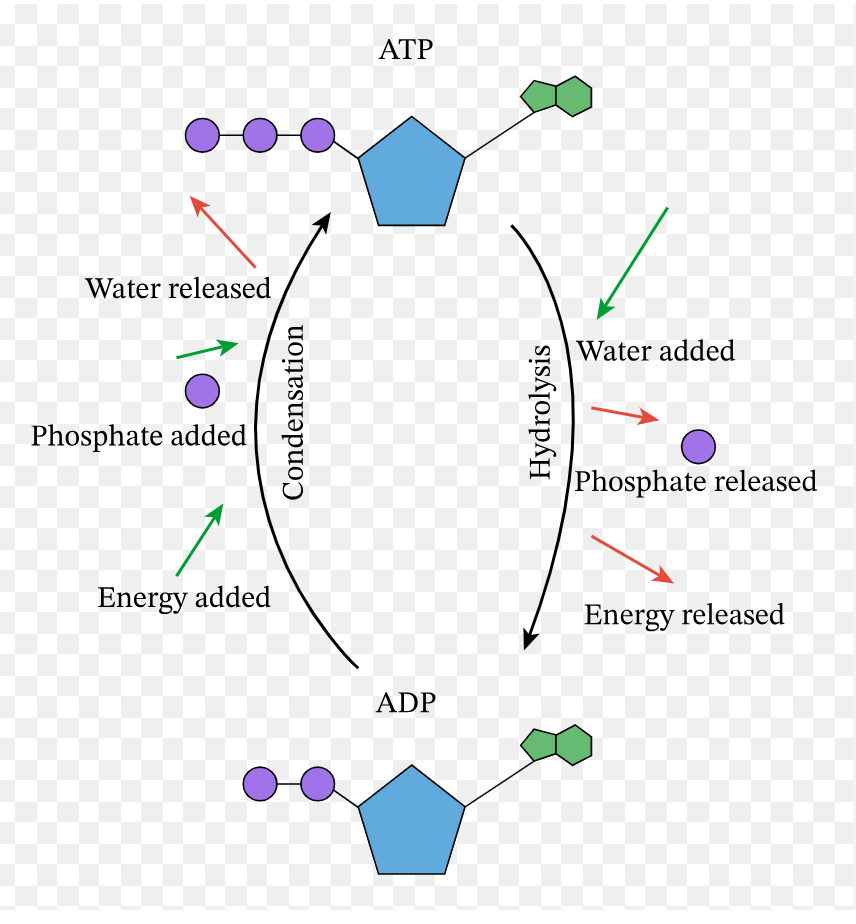
Once an ATP molecule is used to release energy (ATP --> ADP + P + ENERGY), that ATP molecule is used up and can never be used again
Why would sucrose not get broken down (hydrolysis) into glucose and fructose by the enzyme lactase?
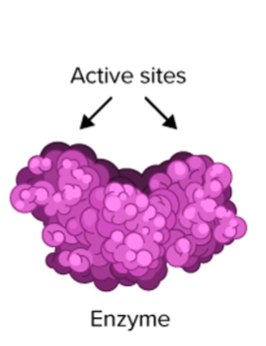
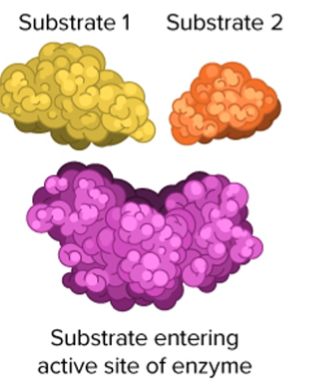
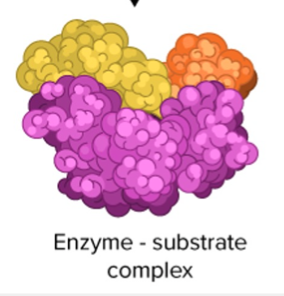
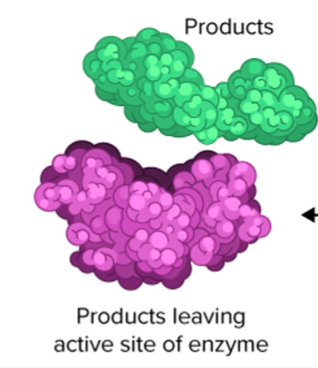
Put the steps of this enzyme reaction in order from first to last ....
What point on the graph represents the activation energy?

Which has more stored energy in this energy graph of an exothermic reaction?
In the lock and key model of of enzyme function shown above, what is happening in step 3?


This diagram shows what happens to lactose in the small intestine with lactase present
| Draggable item | arrow_right_alt | Corresponding Item |
|---|---|---|
glucose + galactose | arrow_right_alt | substrate |
lactase | arrow_right_alt | products |
lactose | arrow_right_alt | enzyme |
Drag one of the two reactions to each of the catergories
Item 1

Item 2

Catabolic/Breaking Rx
Anabolic/Making Rx
1 substrate broken into 2 products
2 substrates bonded into 1 product
Would happen inside the small intestine/digestion
Would happen in the mammary glands of female mammals as part of the making milk for their newborns
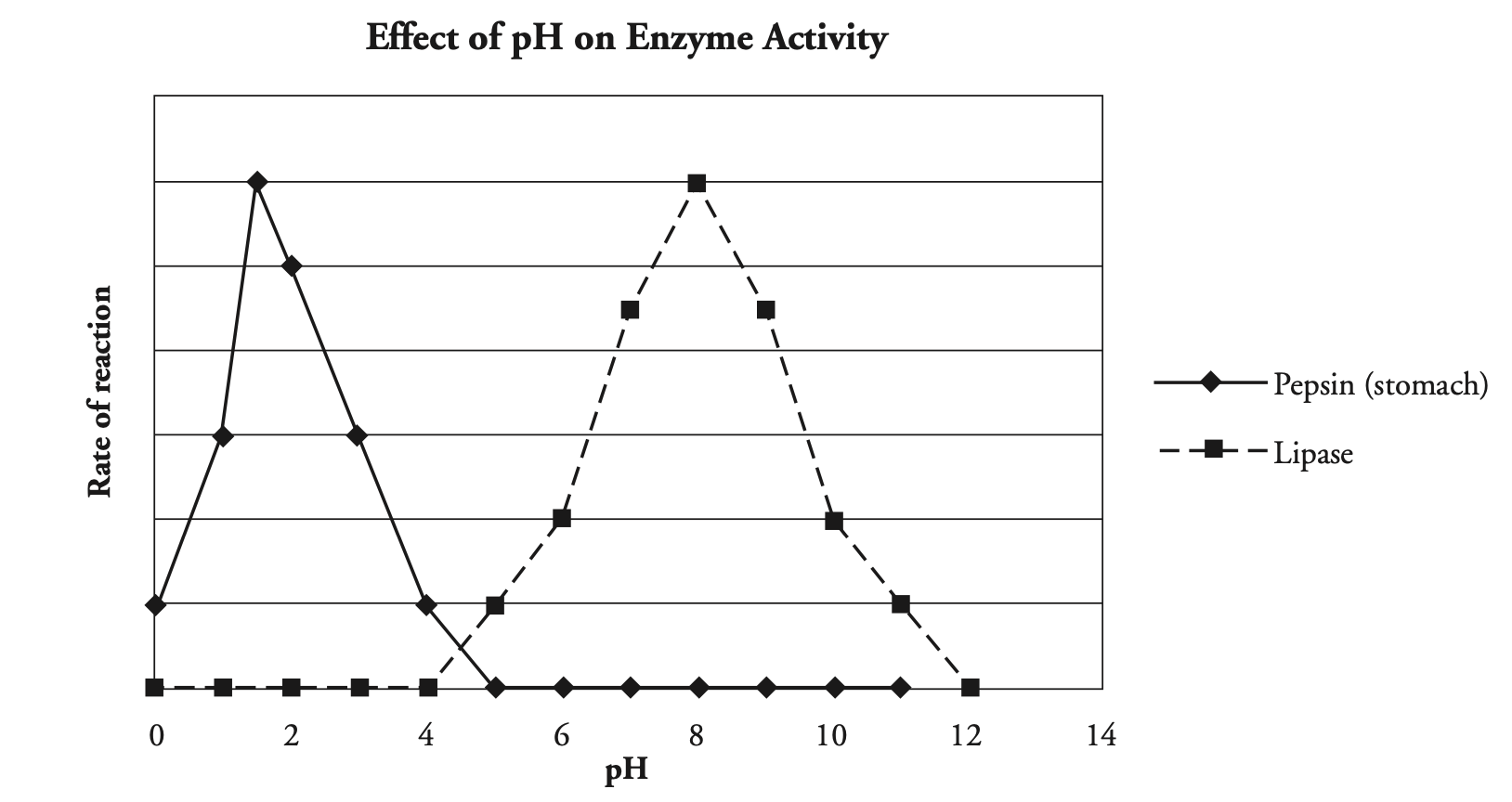
On the graph below, sketch the rate of reaction graph for an enzyme-catalyzed reaction, where the optimal pH is 8
on the graph skeleton below, draw a LINE that shows an endothermic reaction WITHOUT an enzyme and then a SECOND LINE that shows the reactions WITH an enzyme. YOU NEED TO DRAW 2 LINES - USE 2 DIFFERENT COLORS OR MAKE ONE SOLID AND ONE DASHED and then LABEL one line "with enzyme" and the other line "without enzyme"
Explain HOW enzymes catalyze chemical reactions and then explain WHY enzymes are needed to catalyze chemical reactions in order for an organism to be alive
Explain WHAT would happen to the rate of reaction of lipase if it was put into an environment with a pH of 2 (like where pepsin works in the stomach? Then explain WHY that would happen?