Predict and model the different properties of ionic, polar covalent, and nonpolar covalent compounds based on their intermolecular attractive forces.
using language such as ”the molecule ____ will have a higher melting point than ____ because of _____. OR ”the molecule ____ will be more soluble than ____ because of _____.
1 point
1
Question 1
1.
Which molecule will have the highest melting point, HCl or CH4? Your answer must discuss both compounds and address:
the type of compound (ionic, polar covalent, or nonpolar covalent)
the type of intermolecular attractions
the strength differences of the attractions
1 point
1
Question 2
2.
Which molecule will have the lower boiling point, NaCl or MgO? Justify your answer must discuss both compounds and address:
the type of compound (ionic, polar covalent, or nonpolar covalent)
the type of intermolecular attractions
the strength differences of the attractions
1 point
1
Question 3
3.
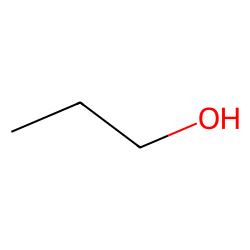
Which substance will require more energy to melt the substance, propanol or octane? Justify your answer must discuss both compounds and address:
the type of compound (ionic, polar covalent, or nonpolar covalent)
the type of intermolecular attractions
the strength differences of the attractions
propanol

octane
1 point
1
Question 4
4.
Circle all the groups that can form hydrogen bonds with water.
1 point
1
Question 5
5.
Acetic acid, also known as vinegar, is frequently mixed with water to create an all-purpose disinfectant spray. Draw a model to show how acetic acid (CH3COOH) and water interact when mixed together. If the substance will not interact with water, explain why.
Note: Your model should include any relevant charges and all intermolecular forces should be labeled.
1 point
1
Question 6
6.
Hexane (C6H14) is a straight chain hydrocarbon and is a significant constituent of gasoline. Draw a model to show how hexane and water interact when mixed together. If the substance will not interact with water, explain why.
Note: Your model should include any relevant charges and all intermolecular forces should be labeled.
1 point
1
Question 7
7.
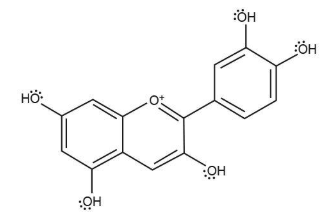
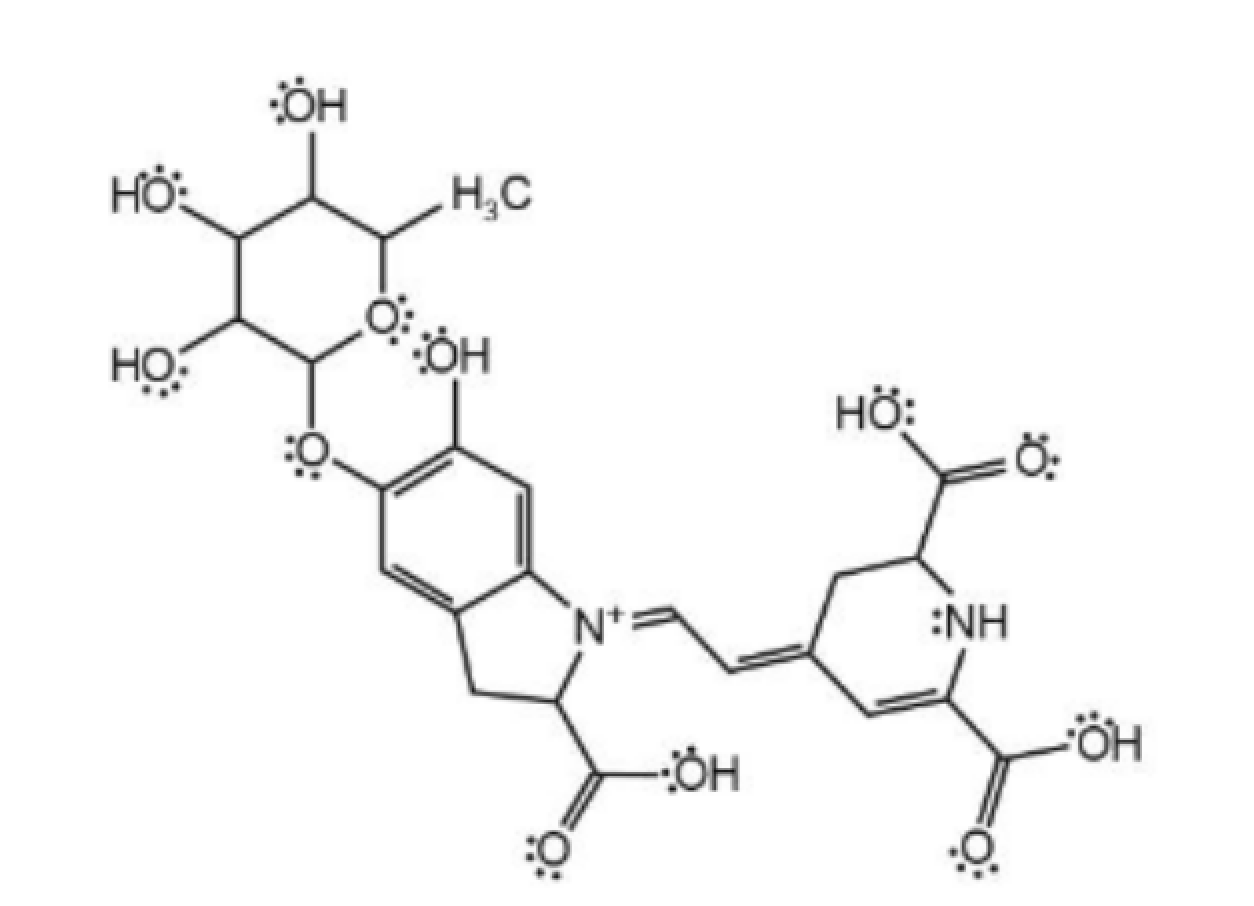
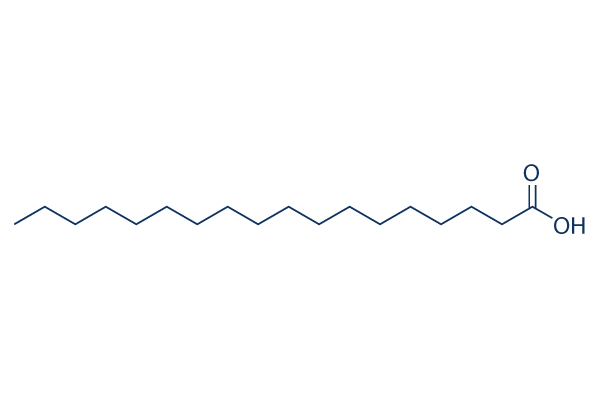
Rank the following substances from least soluble in water to most soluble in water. (The least soluble molecule will be ranked at the ranked at the top)
Stearic acid
Cyanidin
Mineral oil
Betanin
1 point
1
Question 8
8.
Justify your answer to question 7. Your justification should discuss intermolecular forces.