Read each question carefully and choose the best response. Use the periodic table below to help you as needed. If you click on it, it will enlarge on your screen.
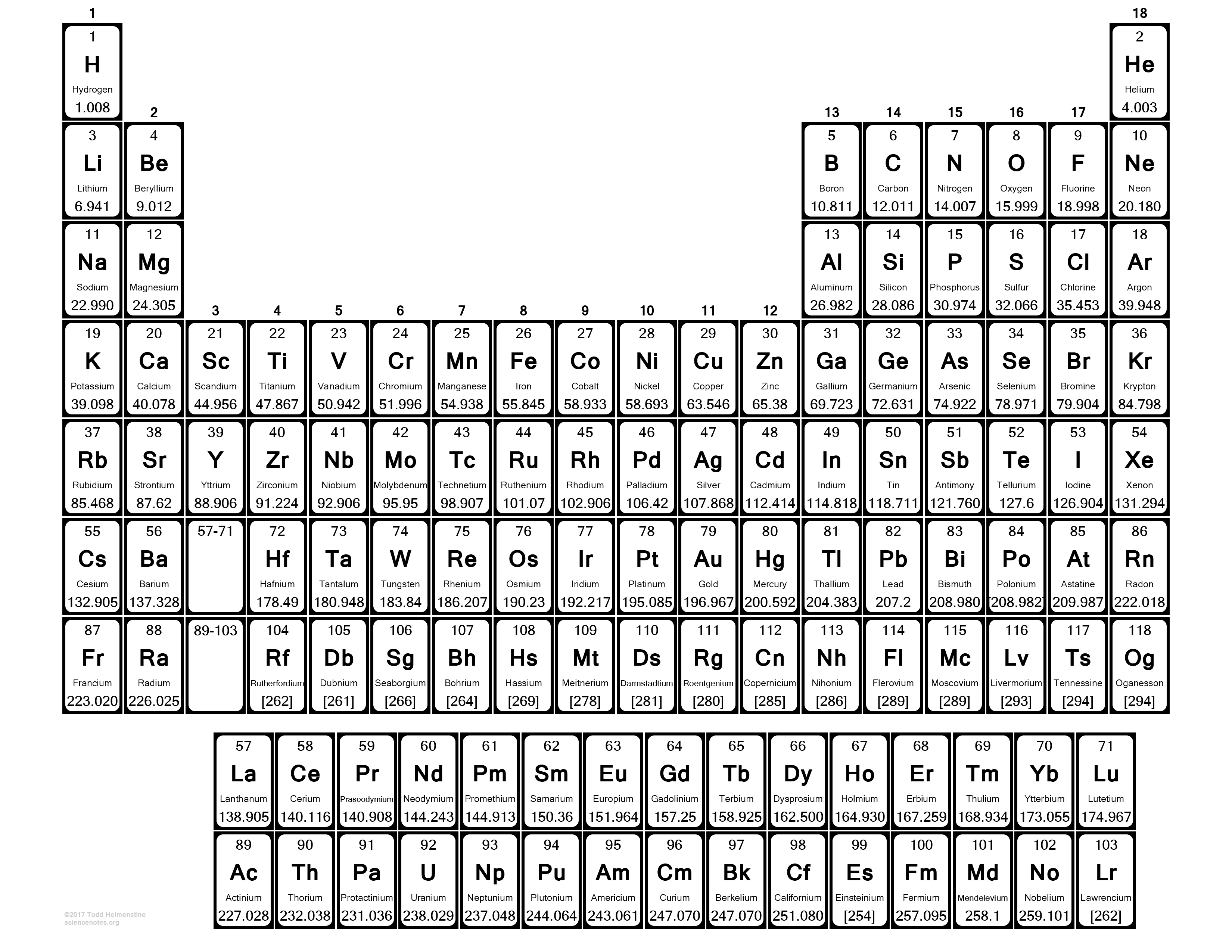
Read each question carefully and choose the best response. Use the periodic table below to help you as needed. If you click on it, it will enlarge on your screen.
Which element would have properties characteristic of both a metal and a nonmetal?
In the modern Periodic Table, the elements are arranged in order of increasing
Ms. Frizzle measured the mass of a closed beaker containing several ice cubes. The mass was 100 g. An hour later, after the ice cubes had melted, Ms. Frizzle measured the mass of the beaker again.
What was the mass of the beaker filled with water the second time?
Which two substances can not be broken down by chemical change?
Which element in Period 3 is the most reactive metal?
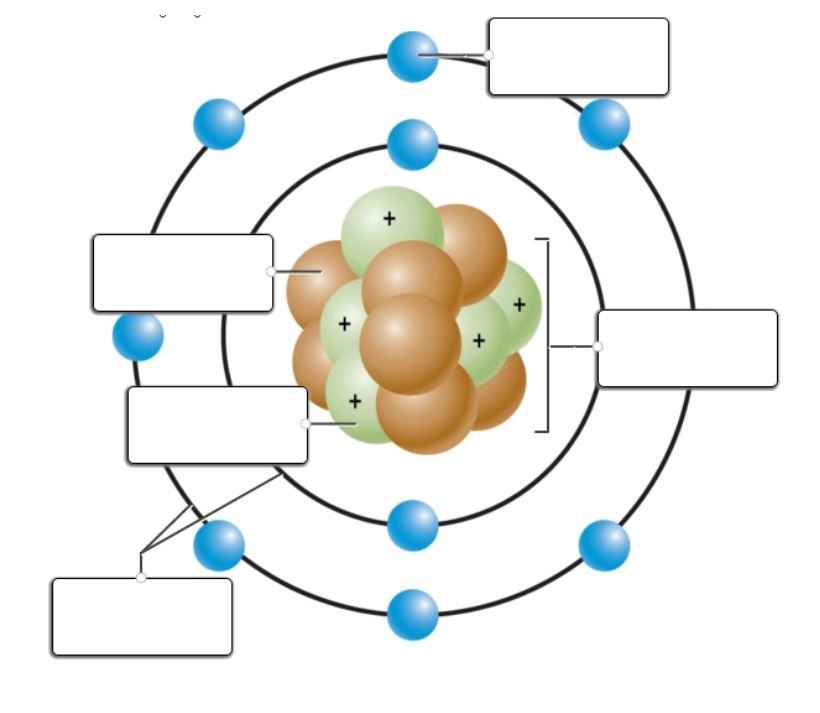
Which particles are found in the nucleus of an atom?
What is the total number of valence electrons in an atom of phosphorus (P) in the ground state?
To determine the density of an irregularly shaped object, a student placed the object in 21.2 milliliters of H2O in a graduated cylinder, causing the level of the H2O to rise to 27.8 milliliters. If the object has a mass of 22.4 grams, what was the density of the object?
Which atoms represent different isotopes of the same element?
What happens in the Group 1 (IA) elements of the Periodic Table as you go further down the periods?
Which diagram represents the change from a solid to a liquid state of matter?
Which of the following is an example of a physical change?
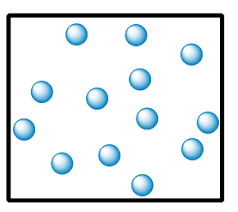
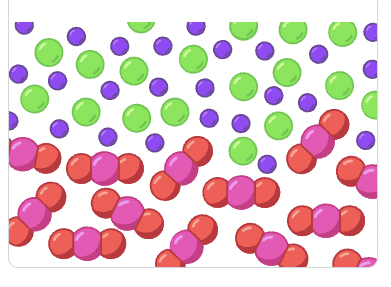
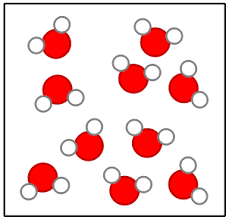
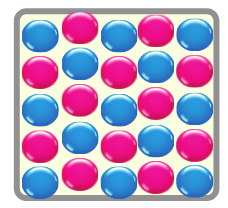
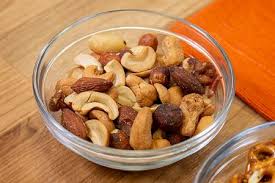
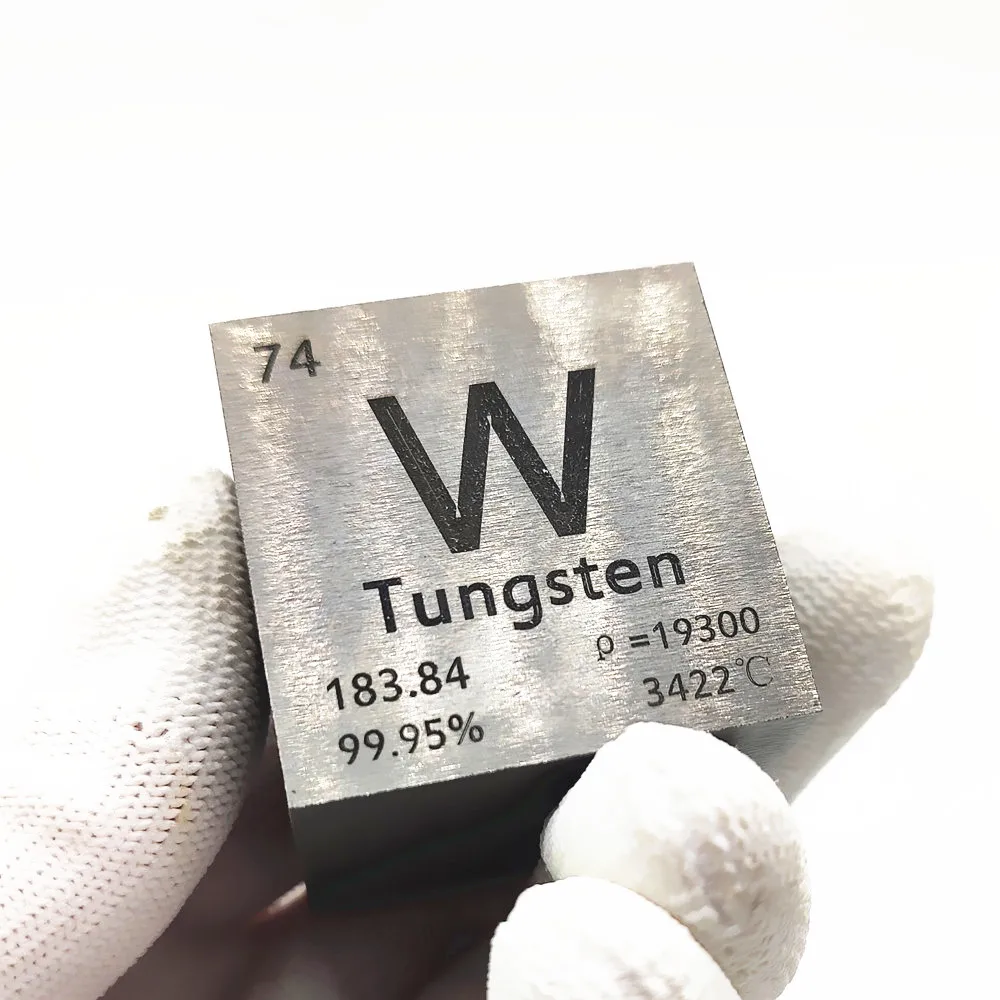
Different arrangements of atoms are shown in the figures below
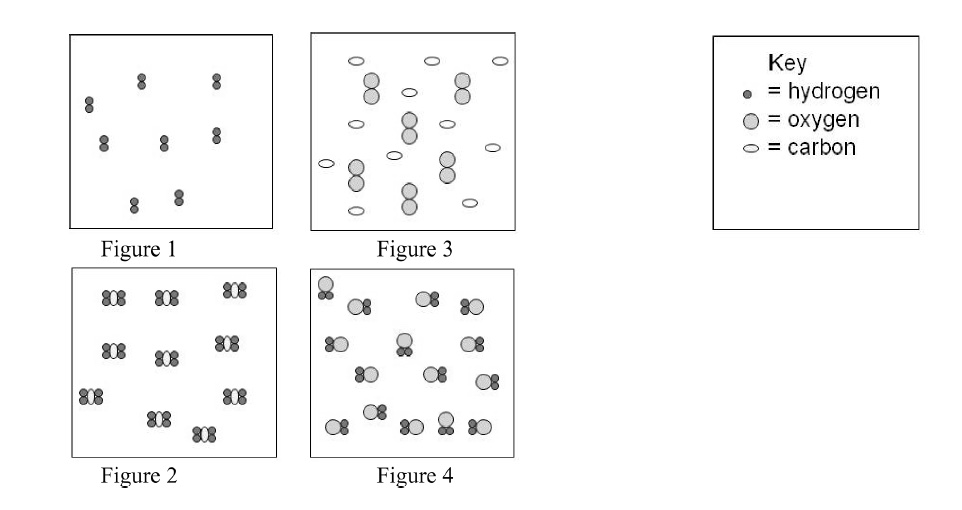
Which figure represents a mixture?
In which pair do the particles have approximately the same mass?
Which statement correctly describes a sample of gas in a sealed container?
Which element is least likely to undergo a chemical reaction?
After a neutral sulfur atom gains two electrons what is the resulting charge of the ion?
What is the total number of valence electrons in an atom with a total of 13 protons?
What is the mass number of an atom which contains 21 electrons, 21 protons, and 24 neutrons?
At STP (standard temperature and pressure), which substance is the best conductor of electricity?
Which is the atomic number of an atom that forms an ion with 18 electrons and a charge of 2+?
Atoms of metallic elements tend to
Elements X and Y react to from compound XY.
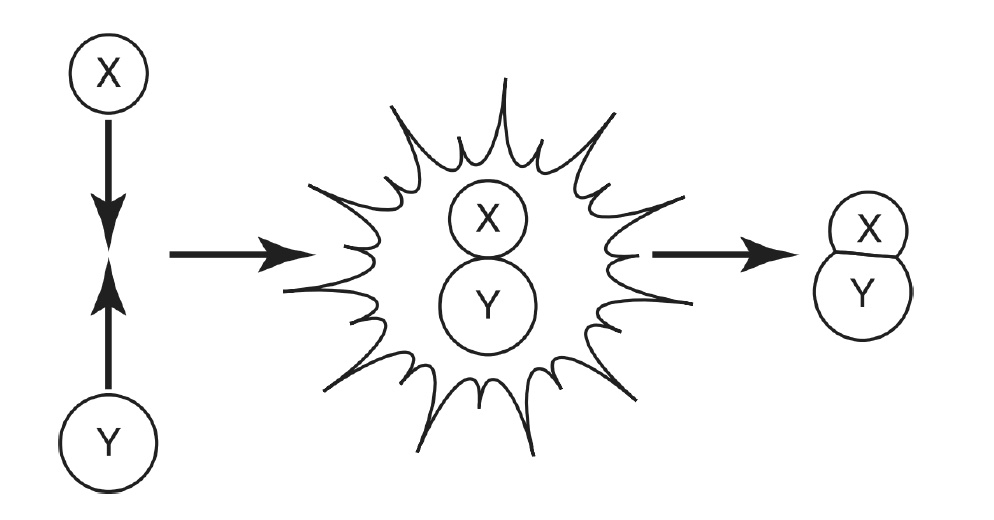
How is compound XY different from elements X and Y?
Which statement best describes the nucleus of an aluminum atom?
Which are two properties of most nonmetals?
Jennifer wanted to eat a hard-boiled egg for breakfast. She put the egg in boiling water for fifteen minutes. When she broke the shell, the liquid parts of the egg had become solid. This was because
Which type of matter is composed of two or more different elements that are chemically combined in a whole number ratio?
Which element is considered the most malleable?
In the Kitchen
Common kitchen appliances include electric stoves, toasters, and blenders. Each appliance uses an energy source and involves energy changes to prepare food.
An open pot of water is heated on the stove. As water boils, the molecules
Which of these phrases best describes the most modern theory of the atom?
Which of the following atoms would most likely gain electrons in a chemical reaction?
An atom in the ground state contains 8 valence electrons. This atom is classified as
Which action will result in a product with new chemical properties?
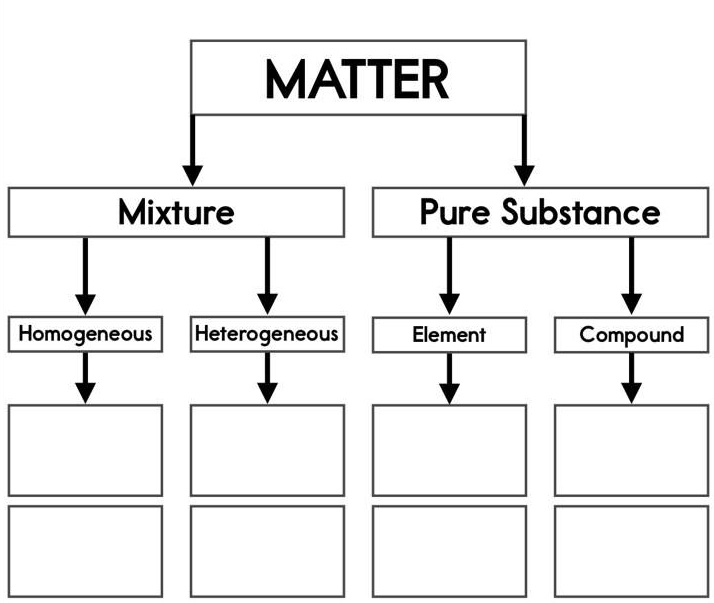
Drag the matter choices to the correct box in the chart.brass