Log in
Sign up for FREE
arrow_back
Library

8th Grade S1 Final Exam

star
star
star
star
star
Last updated about 1 month ago
51 questions
Unit 1: Nature of Science & Engineering
4
2
2
2
2
2
2
Unit 2: Earth Science
2
3
2
3
2
2
2
2
2
2
2
2
2
Unit 3: Substances & Chemical Reactions
2
2
2
2
3
2
2
2
4
5
3
4
4
2
Unit 4: Resources & Thermal Energy
2
2
2
2
2
2
2
2
2
2
2
2
Bonus Essay!
0
Question 1
1.

Which best describes "pseudoscience" and gives an example of it?

Question 2
2.

A scientific law...

Question 3
3.

A scientific theory...

Question 4
4.

If someone collects the temperature of a beaker of water at room temperature (about 20oC) five times and gets the following data, their data would be best described as...

20.2oC, 23oC, 18oC, 20.3oC

Question 5
5.

If someone collects the temperature of a beaker of water at room temperature (about 20oC) five times and gets the following data, their data would be best described as...

10.2oC, 10.1oC, 10.2oC, 10.0oC

Question 6
6.

Empirical Evidence is just another word for...

Question 7
7.

"The ceiling in my house is dripping water. It is also raining outside."

Which option is NOT a valid inference based on the observations above?

The following is a description of an engineering project:

A student sets out to build a robot. This robot has to use a certain brand of pieces, cannot be longer than 19", wider than 11", or taller than 15", and cannot use more than 6 motors. The goal is to make the robot able to pick up a 3"x3" cube and score it into a goal area, preferably quickly.
2
2
2
2
Question 12
12.

Greenhouse gases, such as CO2, H2O, SO2, and NO2, ...

Question 13
13.

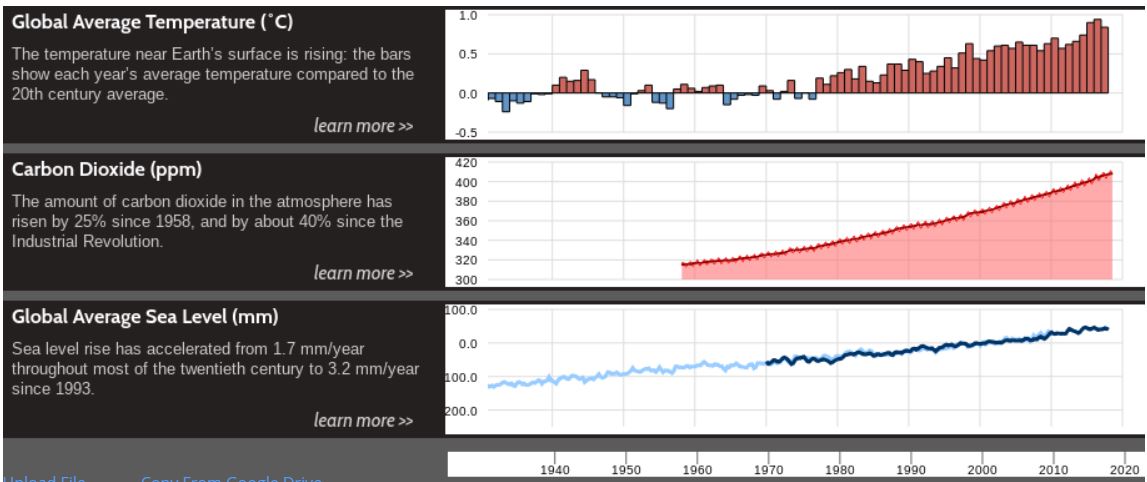
According to these graphs, the global average temperature has been __________, the carbon dioxide levels has been __________, and the global average sea level has been __________.
Question 14
14.

Which best describes the main cause(s) of global climate change?

Question 15
15.
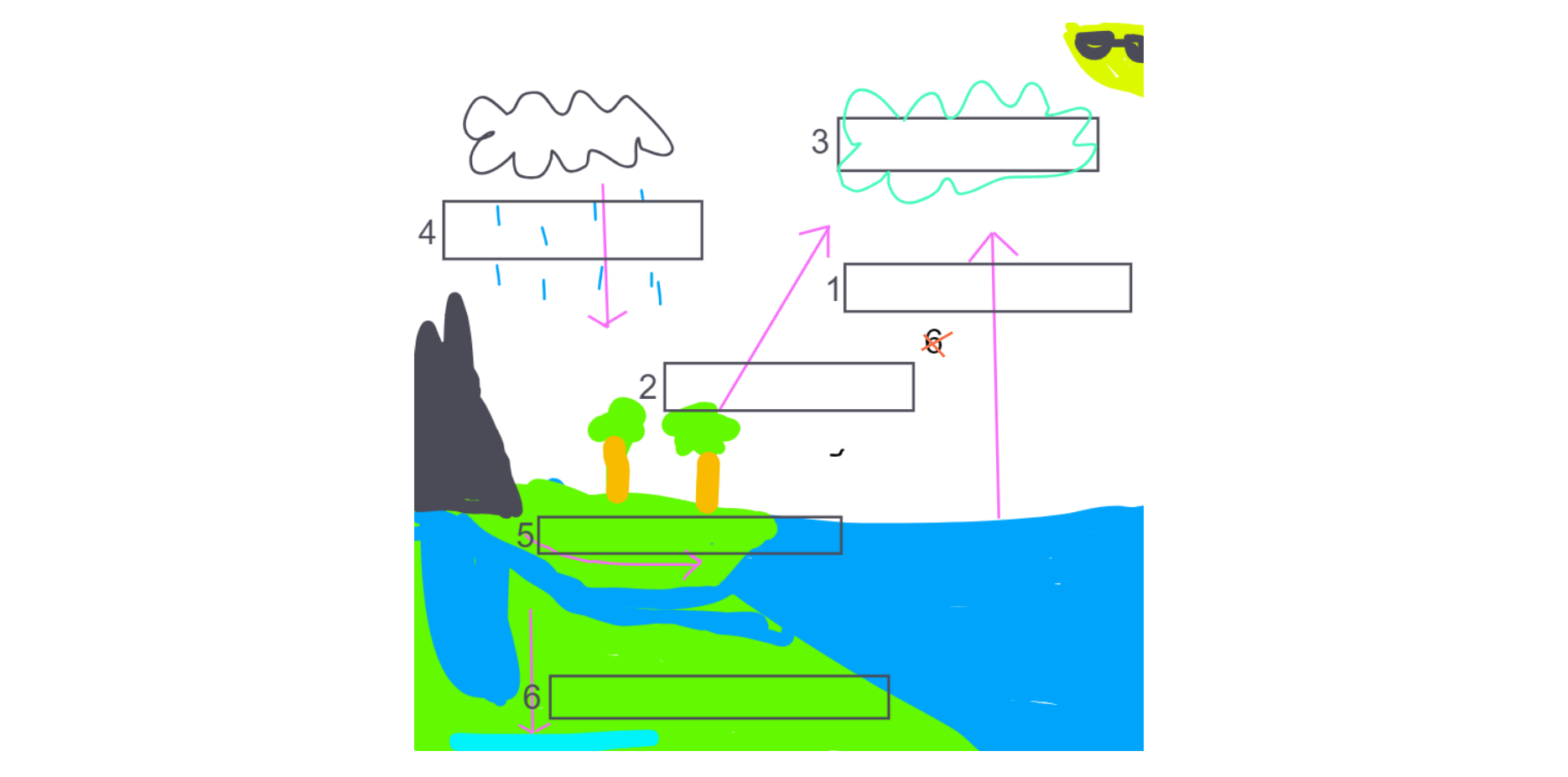
Drag and drop the various steps of the water cycle to their appropriate boxes.
Other Answer Choices:
precipitation
run-off
condensation
transpiration
evaporation
infiltration
Question 16
16.

Which of the following helps water to precipitate and is considered one of two things to power the water cycle?

Question 17
17.

Which of the following helps water to evaporate and is considered one of two things to power the water cycle?

Question 18
18.

The main cause of air pollution is...

Question 19
19.

The main cause of water pollution is...

Question 20
20.

The main cause of land pollution is...

Question 21
21.

Greenhouse gases are called greenhouse gases because...

Question 22
22.

Climate Zones are determined by...

Question 23
23.

Sub-climates within a climate zone are determined by...

Question 24
24.

When two air masses run into each other, weird weather can occur (tornadoes, thunderstorms, etc.). What do we call it when two air masses run into each other?

Question 25
25.
Protons have a mass of__________ and a charge of __________.
Question 26
26.
Neutrons have a mass of__________ and a charge of __________.
Question 27
27.
Electrons have a mass of__________ and a charge of __________.
Question 28
28.

On the periodic table, the elements are organized by increasing

Question 29
29.
Metals __________ and are found __________ the zig-zag line.
Nonmetals __________ and are found __________ the zig-zag line.
Metalloids __________ and are found __________ the zig-zag line.
Question 30
30.

The atomic number always equals

Question 31
31.

The charge of an ion (charged atom) is always equal to

Question 32
32.

The mass number is always equal to

Question 33
33.
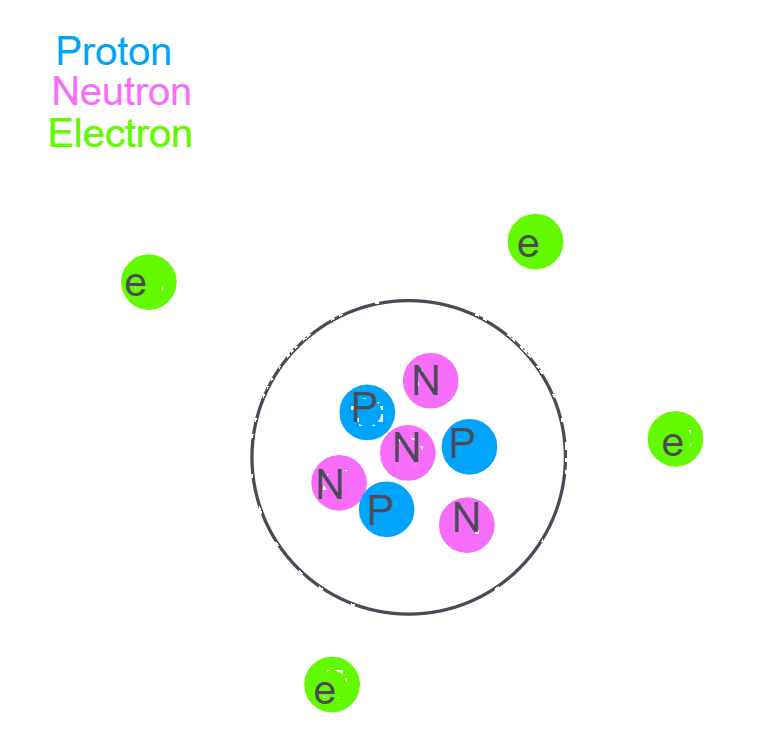
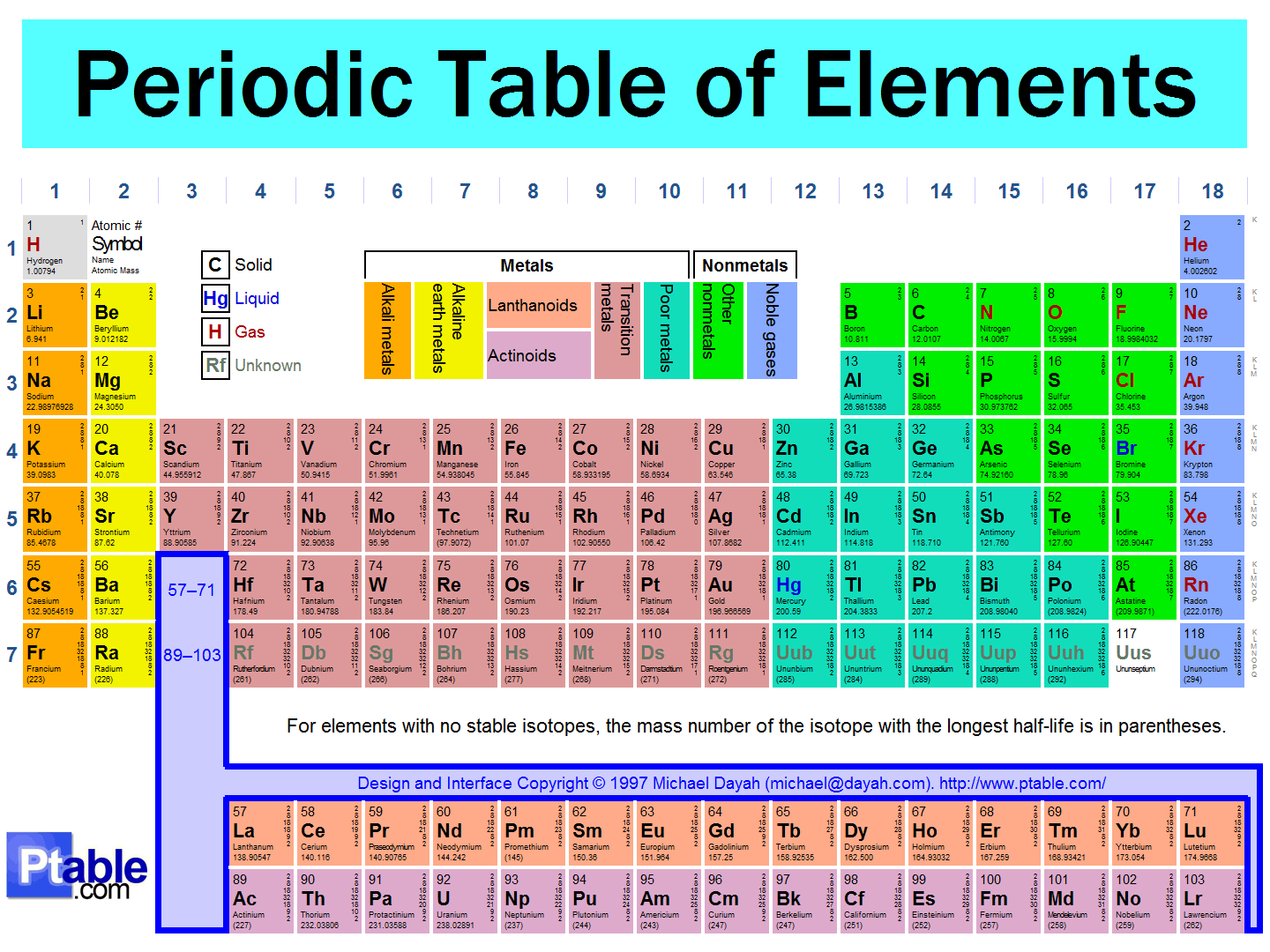
Based on the picture above (and the periodic table), answer the following questions:
What is the atomic number?______
What is the mass number?______
What is the chemical symbol?_______
What is the charge? _______
Other Answer Choices:
+1
-1
7
Be
0
4
9
3
Li
Question 34
34.
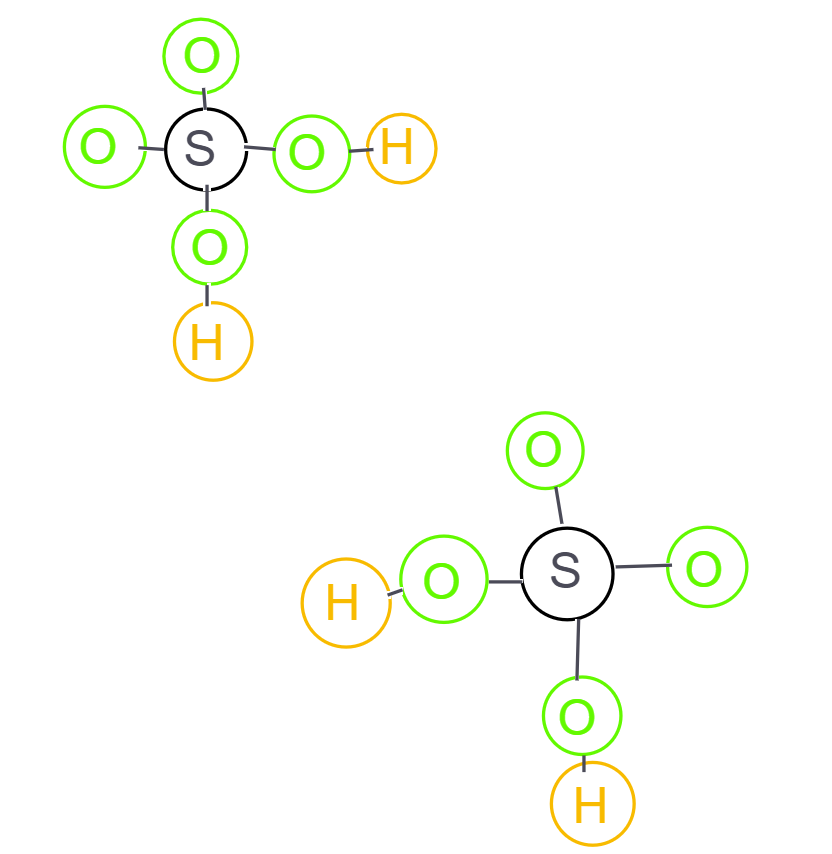
Based on the picture above, choose the correct answers to the following questions:
  1. Is this a molecule or an atom? __________
  2. Is this a compound or an element? __________
  3. How many molecules are there? __________
  4. How many atoms are there?__________
  5. What is the formula for the whole picture?__________
Question 35
35.

According to the Law of Conservation of Mass...(Select all that apply)

Question 36
36.
Balance the equation. Be sure to SHOW ALL OF YOUR WORK!!

Put the coefficients into the equation here!
__________KClO3-->__________KCl+__________O2
Question 37
37.
Balance the equation. Be sure to SHOW ALL OF YOUR WORK!!
__________P4+__________O2-->__________P2O5
Question 38
38.

Which of the following is NOT an indicator that a chemical change likely occurred?

Question 39
39.

A synthetic material is...

Question 40
40.

A synthetic materials are made from...

Question 41
41.

Why are synthetic materials made?

Question 42
42.

The structure of a synthetic material describes its...

Question 43
43.

The function of a synthetic material describes its...

Question 44
44.

In creating synthetic materials, we sometimes hurt the Earth by...

Question 45
45.

When a substance increases in temperature, its particles...

Question 46
46.

Which state change does not involve an increase in thermal energy?

Question 47
47.

When a chemical reaction releases energy, its surroundings

Question 48
48.

When a chemical reaction causes its surroundings to become colder, it...

Question 49
49.

If you discover a chemical reaction that makes its surroundings warmer, what's one way you can increase the amount of heat it gives off?

Question 50
50.

Substances exist as solids, liquids, or gases due to their...

Question 51
51.

Bonus Essay! For bonus points, write 4-6 complete sentences responding to one of the following prompts:

A: Describe the difference between a Scientific Law and a Scientific Theory. Explain which one can change and why! It might help to even use examples of some scientific (theories or laws) that have changed over time, to illustrate how that works!

B: What is climate change, what causes it, and how can we fix it?

C: Describe the parts of a chemical equation (products, reactants, coefficients, etc), what it represents, and why we never change subscripts while balancing equations.

Question 8
8.

Which would be a "criteria" of this design?

Question 9
9.

Which would be a "constraint" of this design?

Question 10
10.

The student comes up with the following 4 designs. Which would be best?

Question 11
11.

The student choses the following design:

A robot that uses 7 motors, moves at 1mph, and can pick up 1 cube at a time.

Which of the following sets of changes would most improve upon the student's design, allowing it to fit within its criteria and constraints?