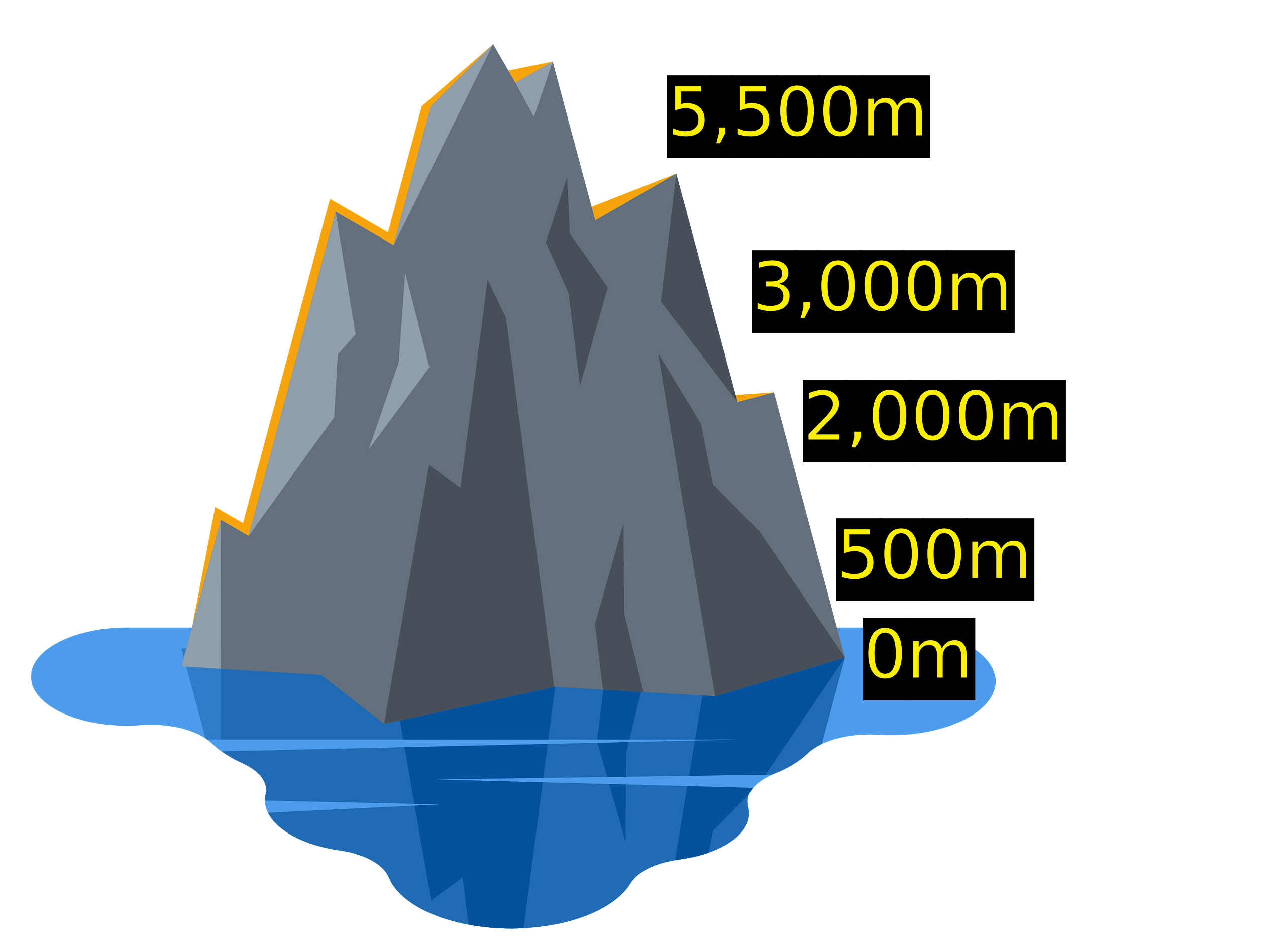
Mmuae Afoforo a Wobɛpaw:
Near sea level
Moderate altitude
Extreme altitude
Low altitude
High altitude

Which condition is caused by insufficient oxygen supply to cells?
is the condition in which the supply to is insufficient.
At altitude, there is air density and so oxygen partial pressure.
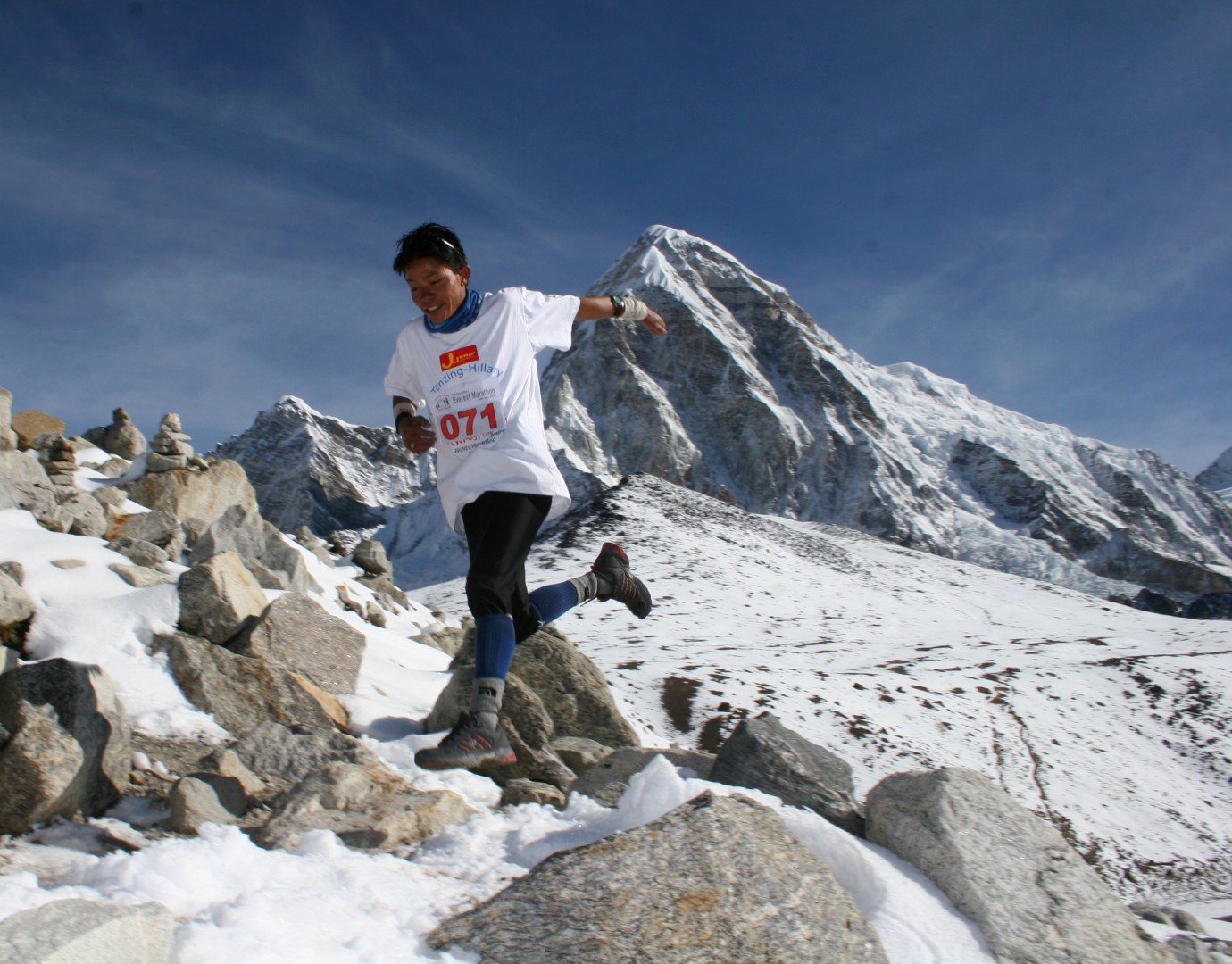
Hypoxia caused by decreased air density can result in:
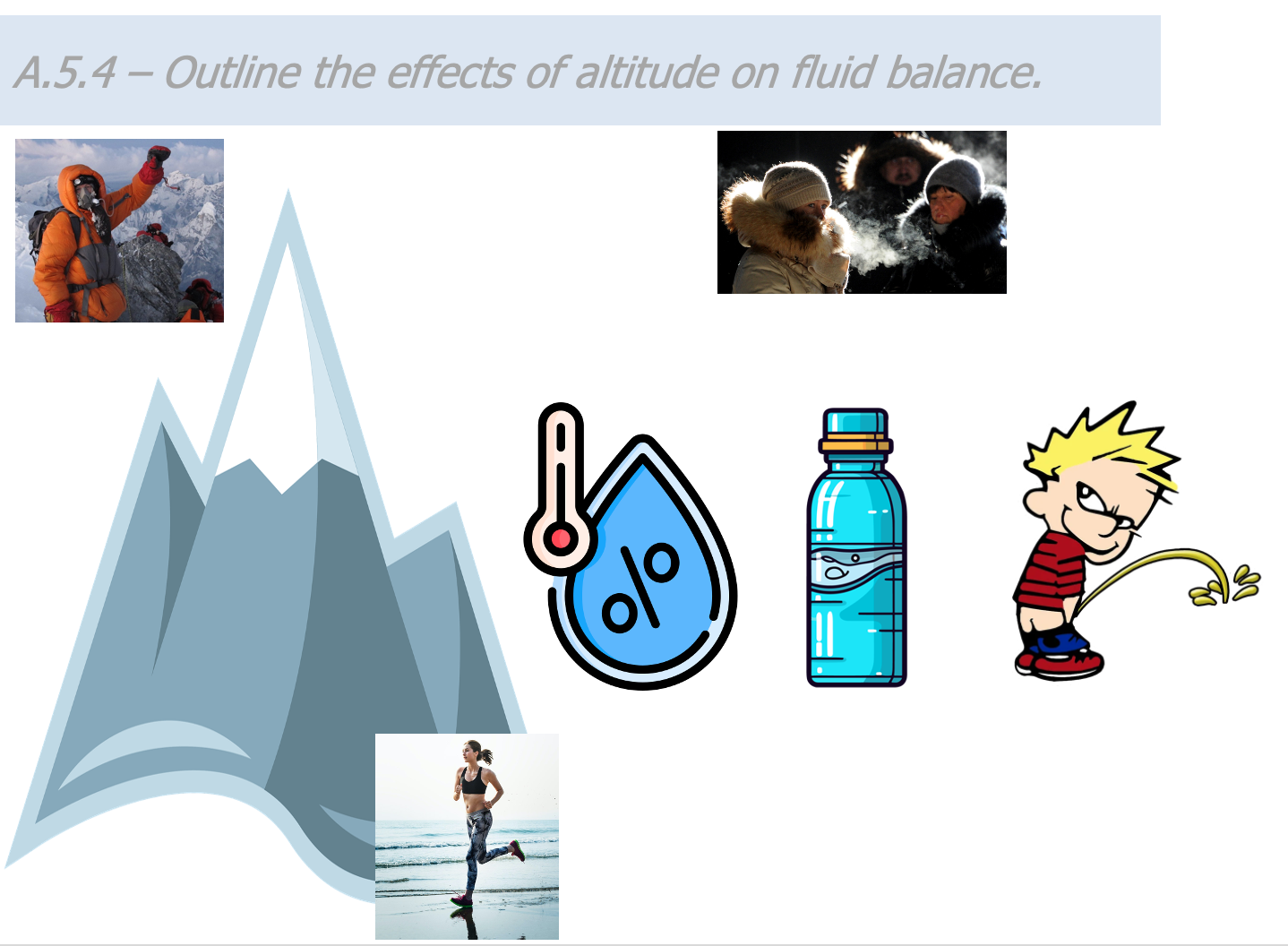
Outline the effects of altitude on fluid balance.
Bobby and Billy have different coaches. Bobby's coach sends him to a high altitude training camp whereas Billy's coach sends him to the UK to train. Why might this be?
Barbara and Brenda have qualified for the Winter Olympics, they are both hoping to break the world record in their respective sports.
Barbara is a cross country skier, Brenda is a ski jumper.
The host city is Squaw Valley at 2,000m above sea level, how does this affect their chances?
Click here to read a short New Scientist article on Hypoxia.
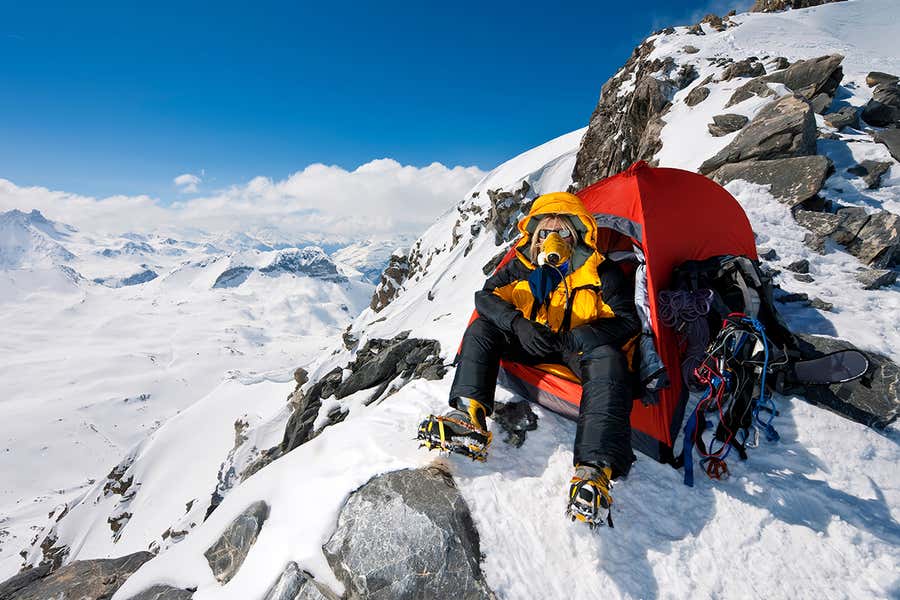
Explain the adaptations resulting from altitude hypoxia:
Blood adaptations:
Muscle adaptations:
Cardiorespiratory adaptations:
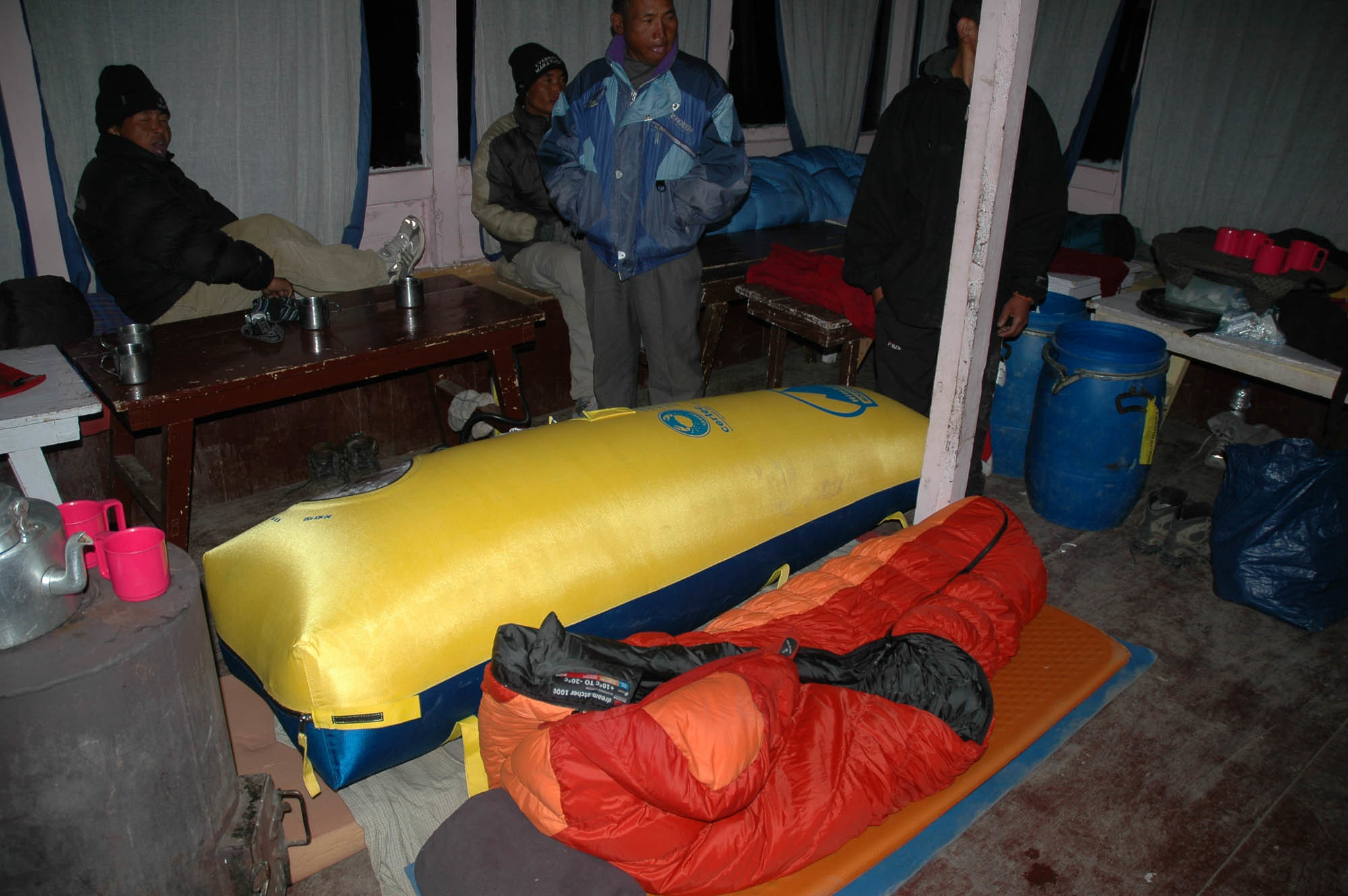
Distinguish between the symptoms of acute mountain sickness (AMS), high-altitude pulmonary edema (HAPE) and high-altitude cerebral edema (HACE).
nausea or vomiting
loss of consciousness
wheezing while breathing
confusion
coughing
cessation of physical activities
headache
accumulation of fluid in the lungs
elevated heart rate
severe headaches
dizziness
elevated heart rate
photophobia (aversion to bright light)
fever
shortness of breath
a bluish appearance to the skin
shortness of breath
accumulation of fluid in the brain
Acute mountain sickness (AMS)
High-altitude pulmonary edema (HAPE)
High-altitude cerebral edema (HACE).
Which of the following is a method to prevent high-altitude illness?