Energy metabolism is controlled by many hormones including:
Use Chat GPT to generate an analogy for this:
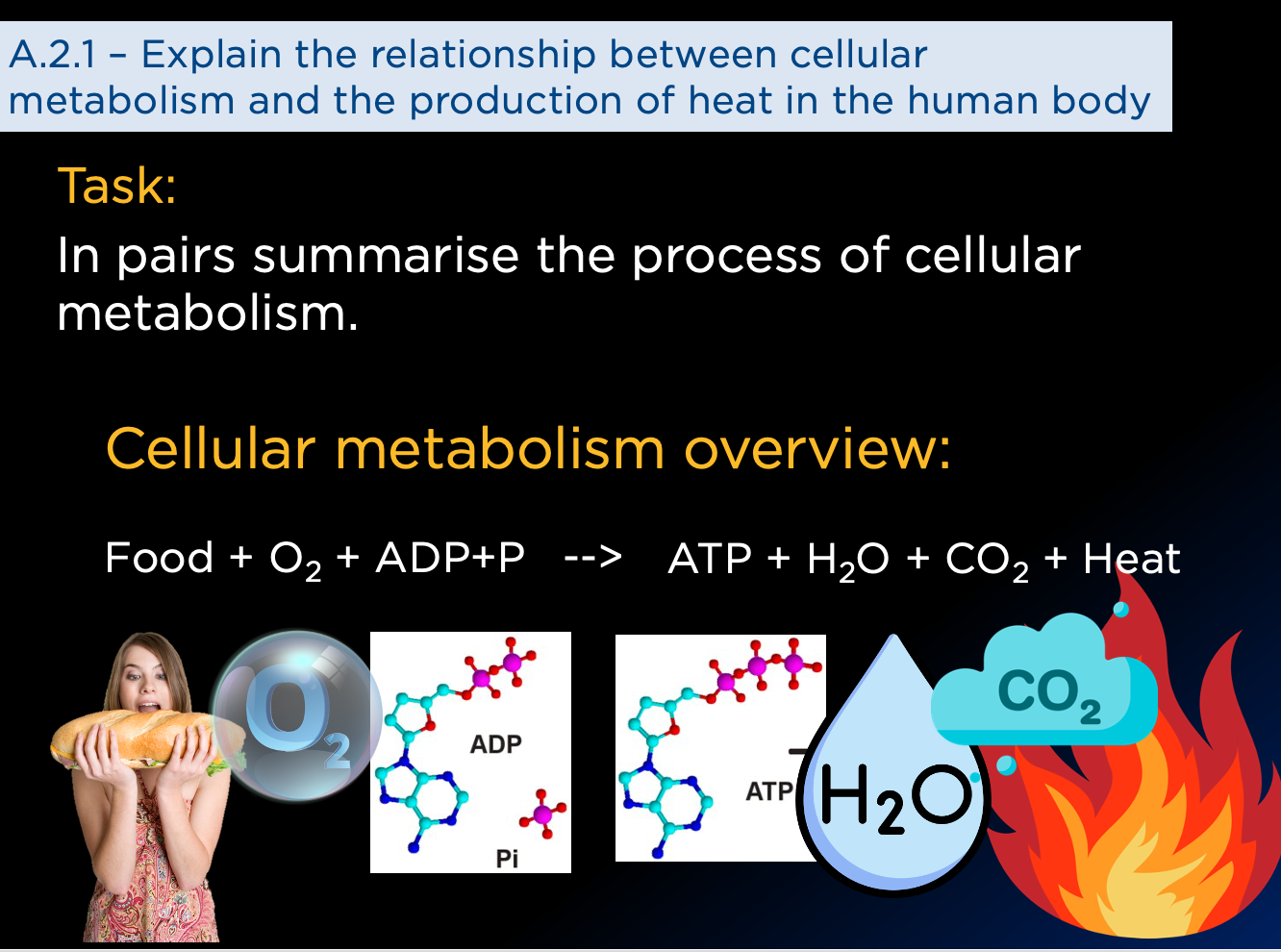
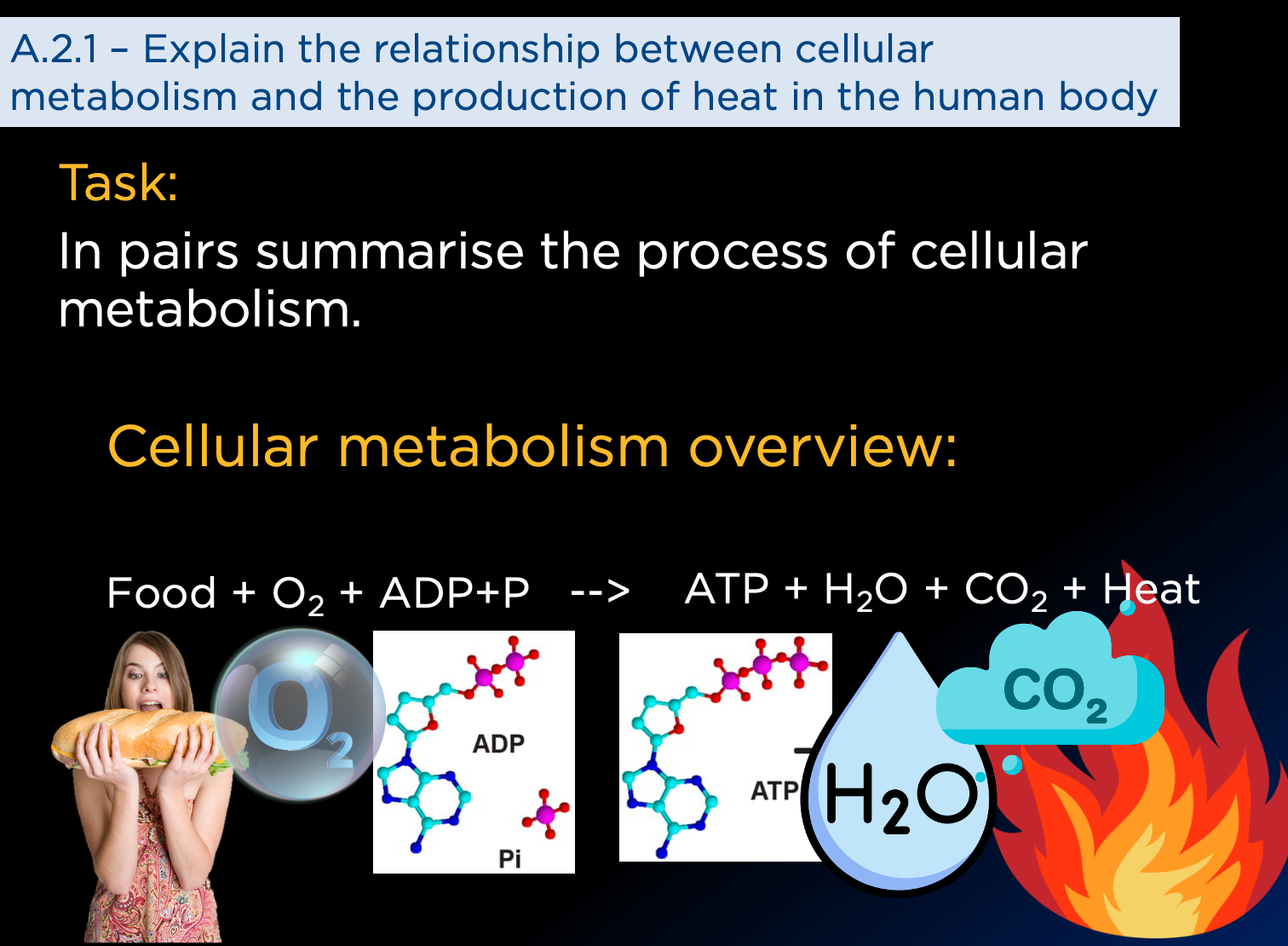
Explain the relationship between cellular metabolism and the production of heat in the human body.
Include consideration of the meaning of efficiency with regard to energy liberation, ATP re-synthesis and heat production.
Limit it to 50 words and read it to make sure it makes (some) sense!
Where is the normal physiological range for core body temperature?

Hot environments:
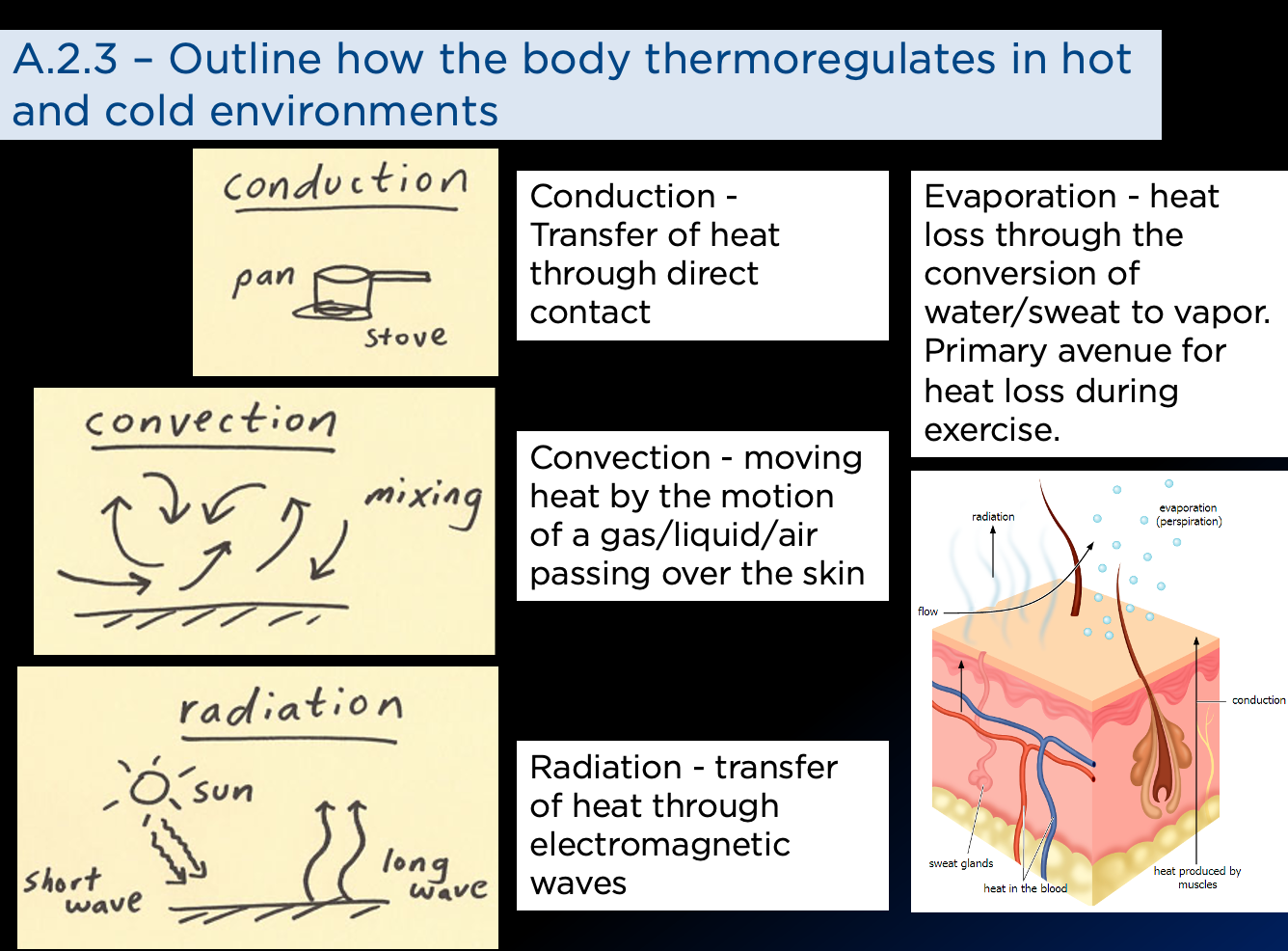
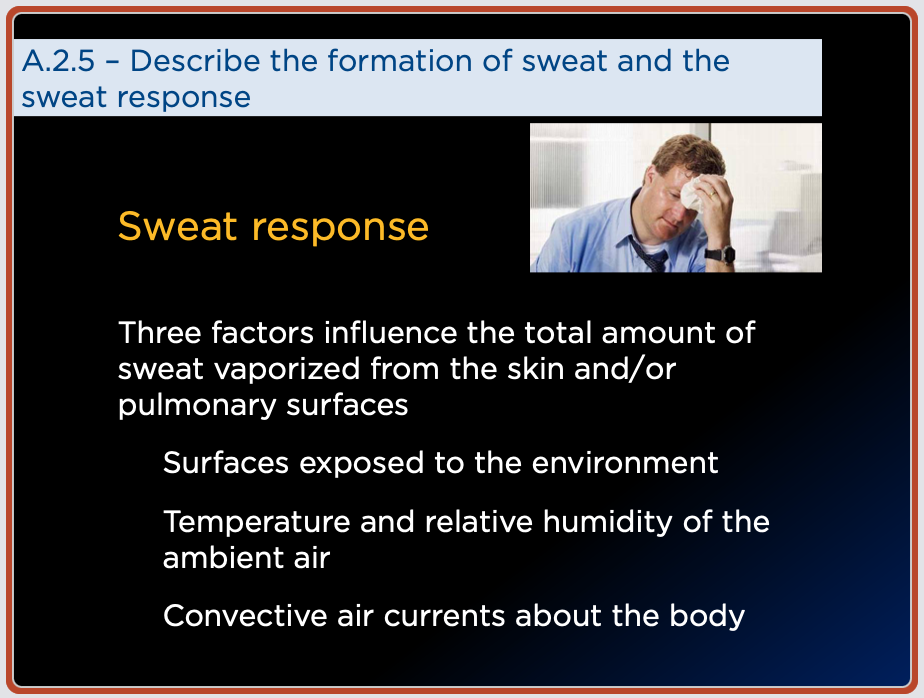
The body uses the principles of conduction, convection, radiation and
Exercise in the heat or humid conditions reduces the between skin and environment and thus between the skin and core.
Humidity imposes a heat loss barrier to the process and this severely limits our ability to perform. This then puts more pressure on the system and the result is an elevated heat rate. When exercising it is important to remember that:
If you were exercising (which produces heat) or enter a steamy sauna, your skin blood vessels would to direct that warm blood towards the skin surface so heat can be dispersed.
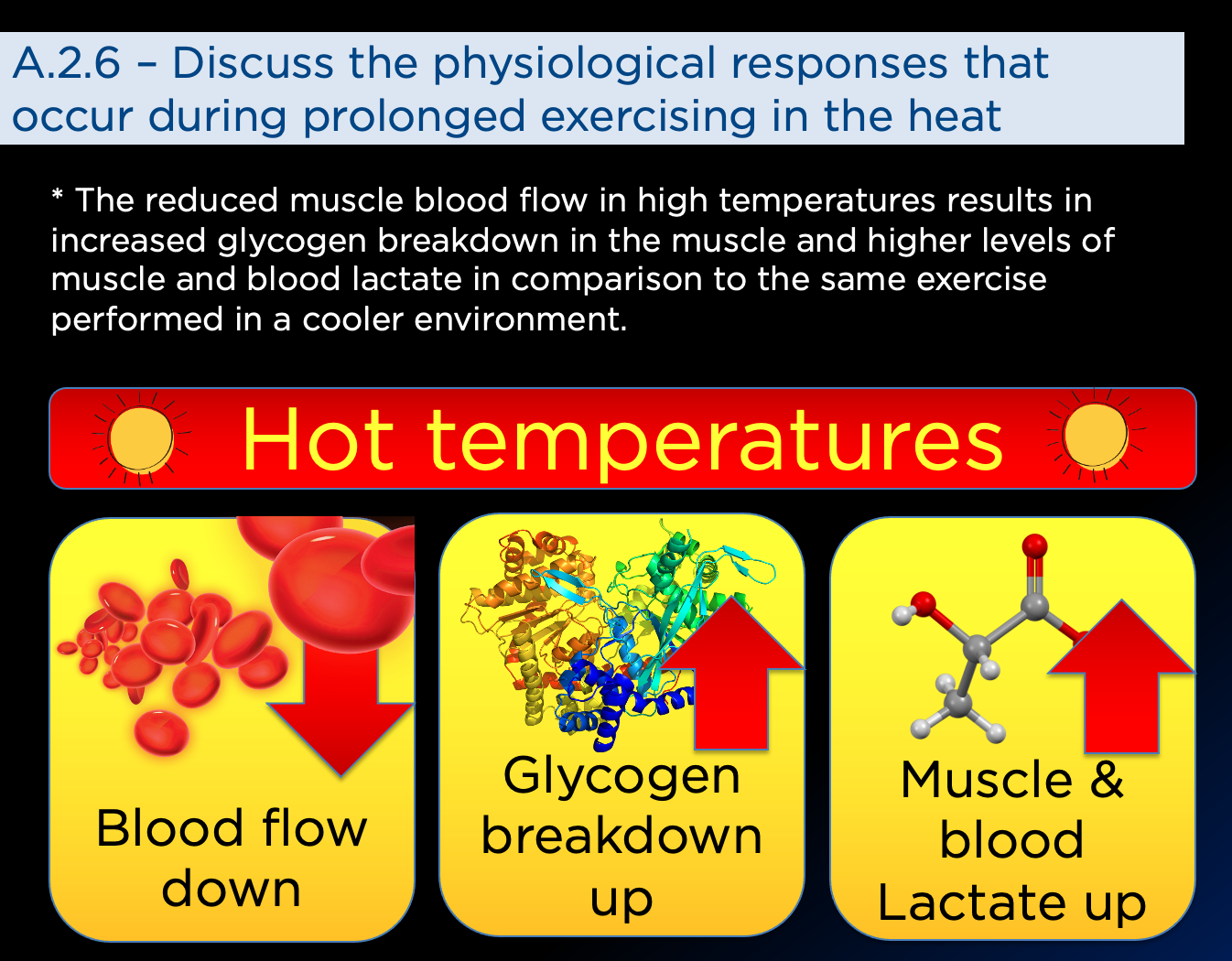
During heavy work, muscles need blood flow, which reduces the amount of blood available to flow to the skin and release the heat.
In the wind: Wind the speed of evaporation as it carries the sweat particles away. The wind increases the thermal gradient.

Look at the mark scheme in the hint and fill in your knowledge gap here.
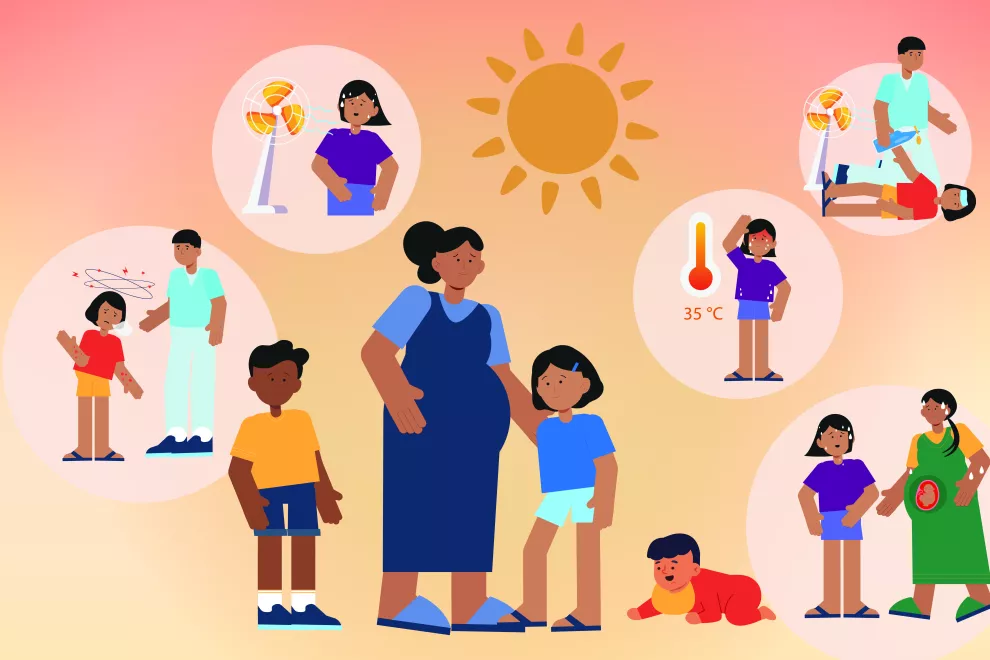
Heat-related disorders include heat c****s
Because of their relatively
Sweating removes needed salt and minerals from the body. When it is hot, drink more water, juice and sports drinks. Avoid drinks with caffeine (tea, coffee, and cola) and alcohol. Be sure to eat regularly.
The best way to beat the heat is to stay in an air conditioned area. If you don’t have an air conditioner, go to a shopping mall or public building for a few hours. A cool shower or bath is also a good way to cool off.
Wear as little clothing as possible when you are at home. Choose lightweight, light-colored, loose-fitting clothing. In the hot sun, a wide-brimmed hat will keep the head cool. If you will be in direct sun, use a sunscreen with a sun protection factor (SPF) of 15 or higher and follow package directions. Reapply every 2 hours while in the sun.
Try to be less active during the hottest part of the day, late afternoon. If you must be out in the heat, plan your activities so that you are outdoors either before noon or in the evening. While outdoors, rest often in a shady area. Never leave kids or pets in a parked ca
If you are not used to working or exercising in hot weather, start slowly and pick up the pace gradually. Take frequent, regularly scheduled breaks. If activity in the heat makes your heart pound or leaves you gasping for breath, stop activity, get into a cool or shady area, and rest. Especially if you become lightheaded, confused, weak or feel faint.
Pace Yourself
Stay Cool Indoors
Get Plenty to Drink
Wear Light Clothing and Sunscreen
Schedule Outdoor Activities Carefully
Explain the impact of high humidity on performance during a 10-kilometre race.
[3]
Look at the mark scheme in the hint and fill in your knowledge gap here.

That's prevention covered. Now let's imagine we are given a 3 point question on the treatment of a heat-related illness. Use the link below (the Ozzys know all about being too hot!) and give what you think would be 3 solid points in a sporting situation.

Coach Jamie has signed up for the Etape du tour bike race again in 2024. What an idiot!
Last year it was roasting hot and this year, for the first time ever, it's in the South of France. It could be even hotter!!
What advice do you have for him to prepare for this race?
Outline the principal means by which the body maintains core temperature in cold environments.
| Draggable item | arrow_right_alt | Corresponding Item |
|---|---|---|
non-shivering thermogenesis occurs which is ... | arrow_right_alt | ... to areas not being used or outside the core |
(peripheral) vasoconstriction ... | arrow_right_alt | ... involuntary contractions of skeletal muscles |
reduction in ... | arrow_right_alt | ... an increase in heat production due to increasing cellular metabolic rates |
shivering which is ... | arrow_right_alt | ... sweat production |
Explain why the body surface area to body mass ratio is important for heat preservation.
Large body surface area to body mass ratio | Small body surface area to body mass ratio | More susceptable to hypothermia | Less susceptable to hypothermia | |
|---|---|---|---|---|
Baby LJ:
| ||||
Actual LJ
|
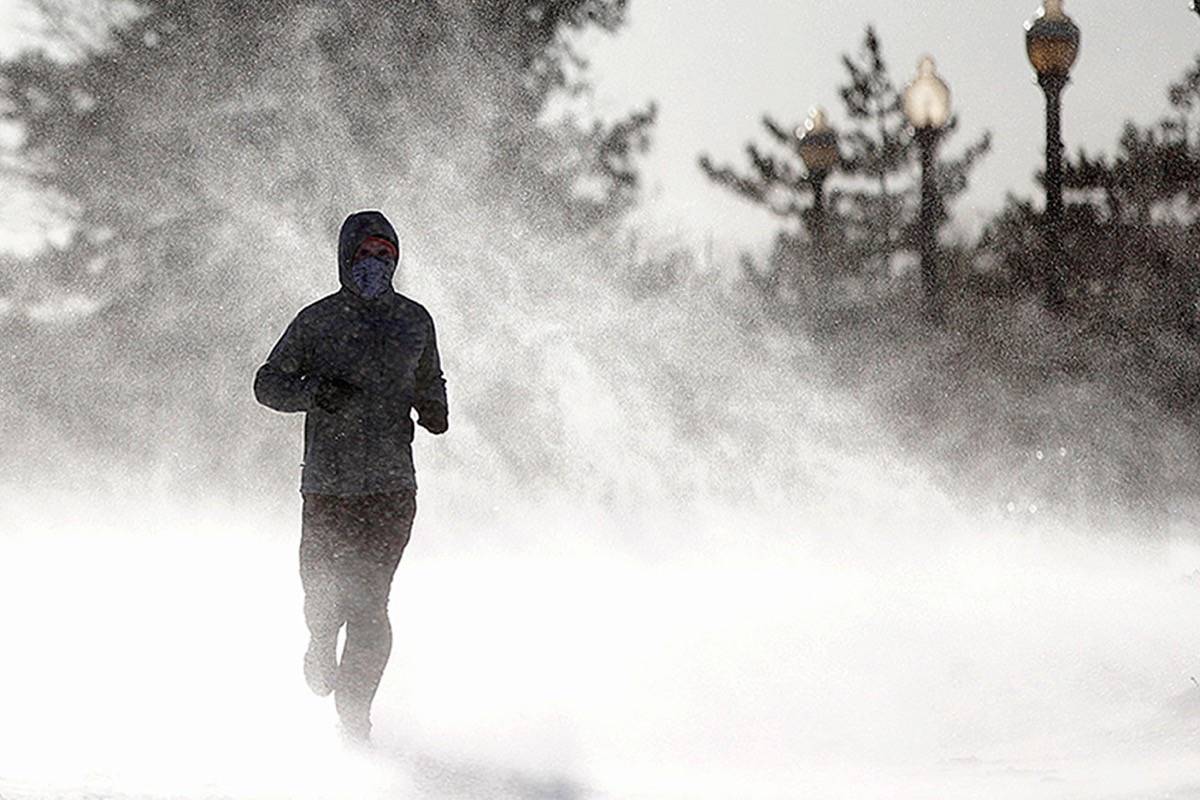
Wind chill is caused by the increase in the rate of heat loss via which processes?

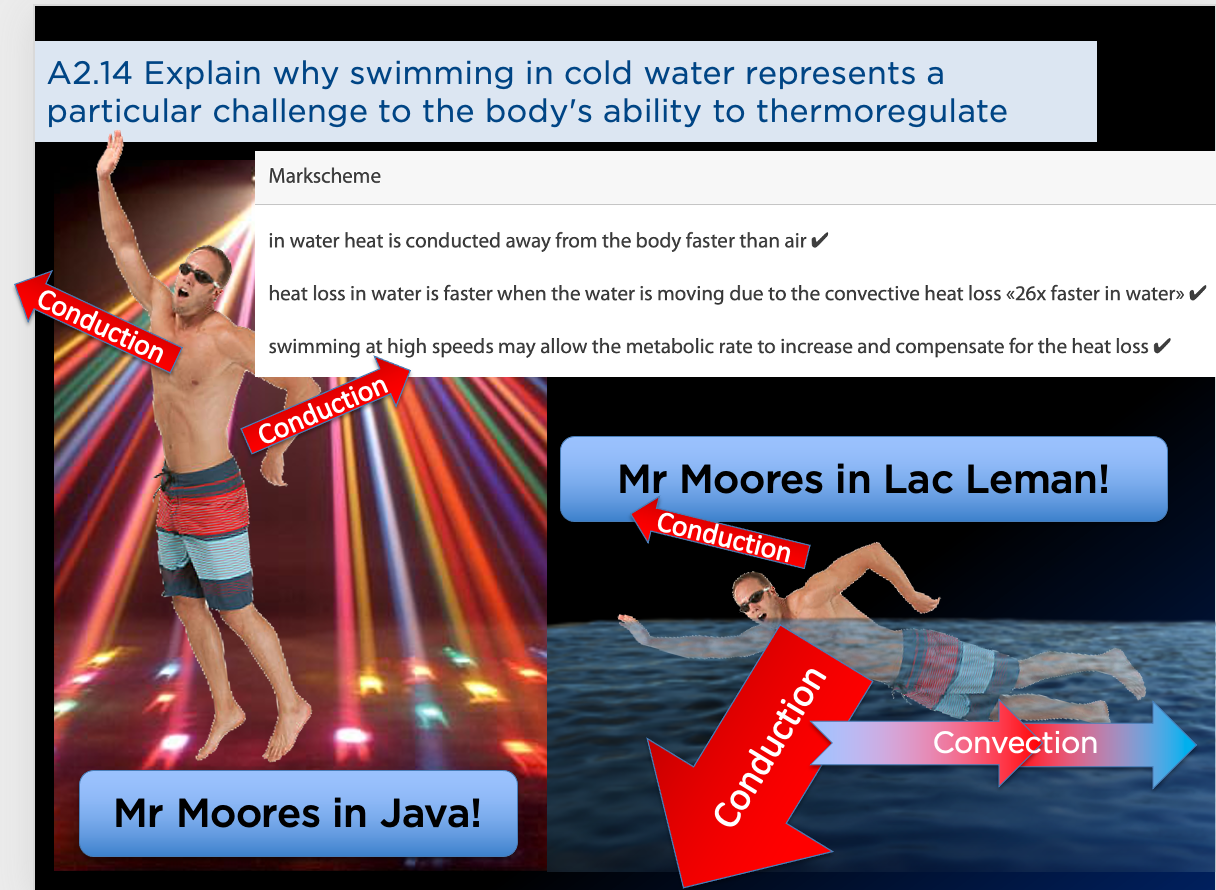
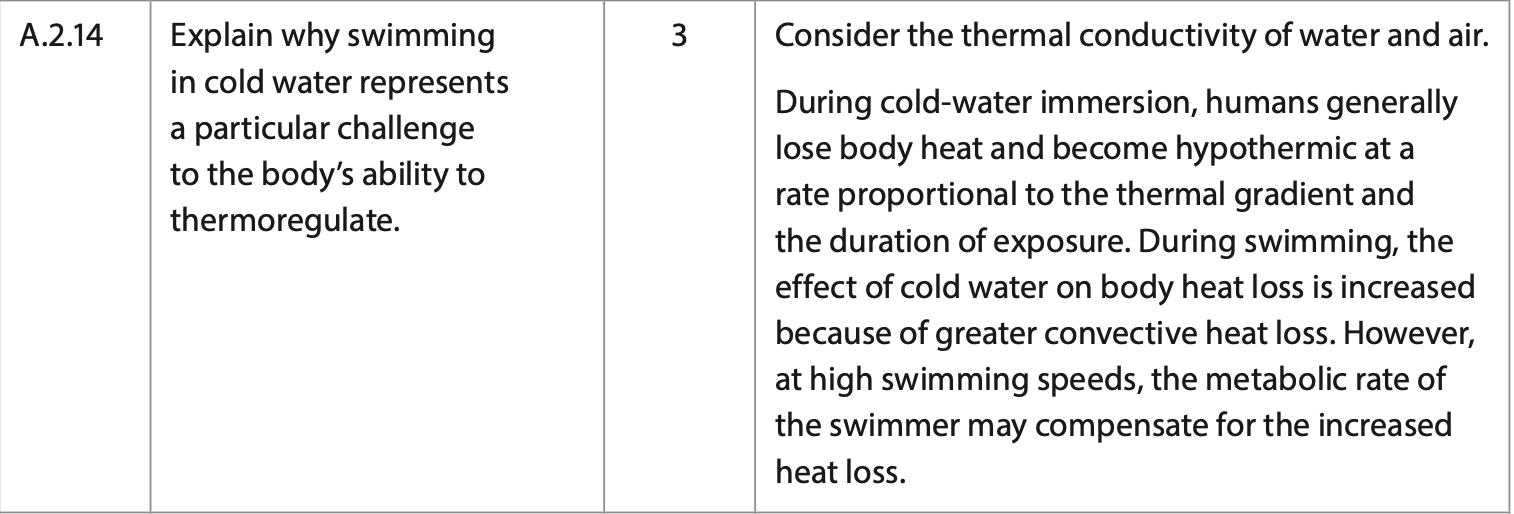
Look back to question 10. What do you think might be the physiological responses to cold exposure?