U1D1 Modeling Chance Behavior Jan7
star
star
star
star
star
Last updated about 1 year ago
28 Nsɛmmisa
Hyɛ no nsow a efi ɔkyerɛwfo no hɔ:
1
1
1
1
1
1
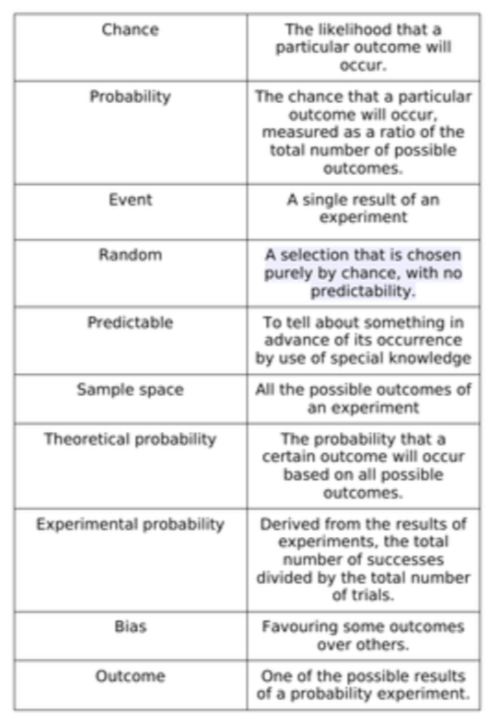
Vocabulary
You toss a fair penny. It bounces, lands and comes to rest.
What are the possible outcomes?
What is this list of all possible outcomes called?
You toss a fair penny. It bounces, lands and comes to rest.
You win if it lands on "heads."
a. The number of ways the coin can land on heads is
b. The number of total possible outcomes is
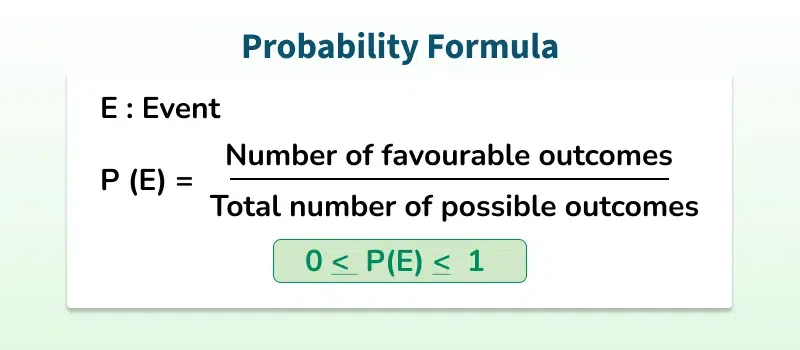
c. Using the probability formula, the probability of flipping the coin and having it land on heads is
Based on this information, what is the probability of flipping the coin and having it land on heads? Write your answer as a decimal.
Based on this information, what predicted percent of coin flips will land on heads?
Write your answer as a percentage.
Predict:
a. If a coin is flipped thirty times, I would expect the coin to land on TAILS
b. If a coin is flipped thirty times, I would expect the coin to land on HEADS
Click on the link to get to the Random Coin Flipper.
https://www.random.org/coins/?num=2&cur=60-usd.0001c
Flip a coin 30 times and record your results.
Flip a coin 30 times.
What were your results?
Heads =
Tails =
Did your results match your prediction exactly? _________ If not, why do you think they may have been different?
What do you think might happen if we combine the results from all the students in the class?
When you combined the data (results) from all of your classmates, what was the total number of:
heads
tails
Is this combined total closer to your original prediction? If so, why do you suppose this is true?
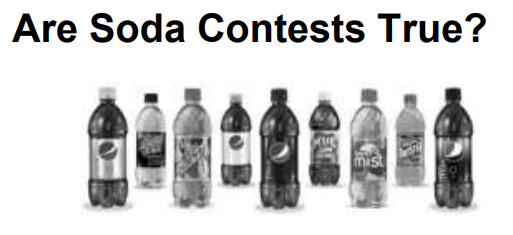
SugarWater, a beverage company, ran a promo contest for their 20 oz. bottles of soda. Some of the caps said, “Please try again!” while others said, “You’re a winner!” SugarWater advertised the promotion with the slogan, “1 in 6 wins a prize.” Mrs. Gallas’ statistics class wonders if the company’s claim is true. To find out, all 30 students in the class go to the store, and each buys one 20-ounce bottle of soda.
How many winners would you expect to get out of a class of 30? How did you determine your answer?
Of the 30 students who purchased a SugarWater soda, only two have caps that say, “You’re a winner!” Does this result give convincing evidence that the company’s 1-in-6 claim is inaccurate?
Since we are working together as a class, we will use a six-sided die to represent our 1/6th probability. What are the possible outcomes (sample space) for our model?
Roll your die 30 individual times to imitate the process of each student in Mrs. Gallas’ statistics class buying their sodas. For each roll, record whether the student was a winner or a loser in the frequency table below using tally marks.
Use the link to roll an electronic number cube.
https://www.random.org/dice/
Record your results.
For this simulation, we will complete 3 trials, with 30 dice rolls each. Each dice roll represents a single attempt to purchase a soda and win a prize.
Since the company claims that 1 in 6 wins a prize, we will assign one outcome from the sample space above to be a “winner”. The rest will be “losers”.
You lose if you get: 1, 2, 3, 4, or 5
You win if you get: 6
Six is my least favorite number. Do we have to use 6 as the winning value?
Would it matter if we choose different numbers to be winners and losers? Will it affect the outcome of the simulation? Explain:
Trial #1:
What is the number of winners?
Trial #2:
What is the number of winners?
Trial #3:
What is the number of winners?
Plot the average number of prize winners of your 3 trials on the dot plot in the classroom. Once all of your classmates have plotted their data, sketch the class dot plot below.
Step-By-Step
What is the probability our class gets two or fewer prizes, just by chance?
a. How many times did the class get 2 or fewer prizes?
b. How many times was the experiment done?
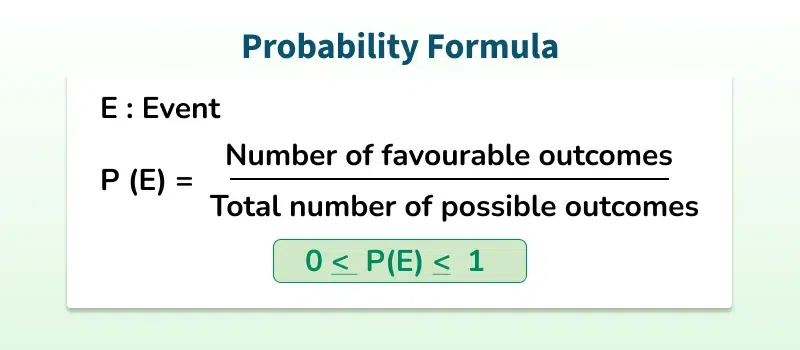
c. What is the probability our class gets two or fewer prizes, just by chance? Write your answer as a fraction.
What percent of the time did our class get two or fewer prizes, just by chance?
Write your answer as a percent, rounded to the nearest hundredths.
Does it seem plausible that the company is telling the truth but that the class just got unlucky? Or in other words, do we have convincing evidence that SugarWater is lying?
Check Your Understanding
A basketball announcer suggests that a certain player is a streaky shooter. That is, the announcer believes that if the player makes a shot, the player is more likely to make the next shot. If the player misses a shot, he is more likely to miss the next shot. As evidence, the announcer points to a recent game where the player took 30 shots and had a streak of 10 consecutive successful shots. Is this convincing evidence of streaky shooting by the player?
Assume that this player makes 50% of the shots and that the results of a shot don’t depend on previous shots.
Assuming the player makes 50% of their shots and the player took 30 shots and had a streak of 10 consecutive successful shots, do you think there is evidence that shows the player is a streaky shooter?
When the basketball player attempts a shot. It is either made or missed and he is a 50% shooter.
Describe how you would carry out a simulation to estimate the probability that a 50% shooter who takes 30 shots in a game would have a streak of 10 or more made shots.
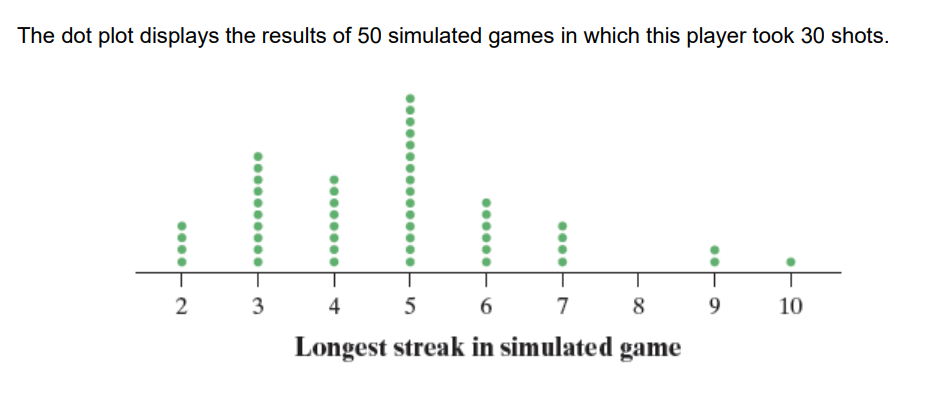
Explain what the two dots above 9 indicate.
What conclusion would you draw about whether this player was streaky? Explain your answer.
What are some ways we could model a 1/6th probability?
What is the average of your 3 trials?