Log in
Sign up for FREE
arrow_back
Library

Chemistry Unit Evidence Assessment

star
star
star
star
star
Last updated 12 months ago
38 questions
Note from the author:
Complete the questions below to demonstrate your understanding of Chemistry content.

You may use your study guide if it is SIGNED and any homework that has a STAMP on it. 🐝
Complete the questions below to demonstrate your understanding of Chemistry content.

You may use your study guide if it is SIGNED and any homework that has a STAMP on it. 🐝
Level One Questions
Required
3
3
Required
3
Required
4
Required
3
9
Required
1
Required
1
Required
1
4
Level Two
Required
5
Required
2
Required
4
Required
1
Required
5
Required
1
Required
4
Required
1
Required
1
Required
5
Required
4
Required
3
Required
3
2
Level Three Questions
Required
1
Required
4
Required
1
Required
2
Required
6
Required
5
Required
1
Required
3
Required
1
SURVEY- This section is required but does NOT impact your score
Required
0
Required
0
Question 1
1.

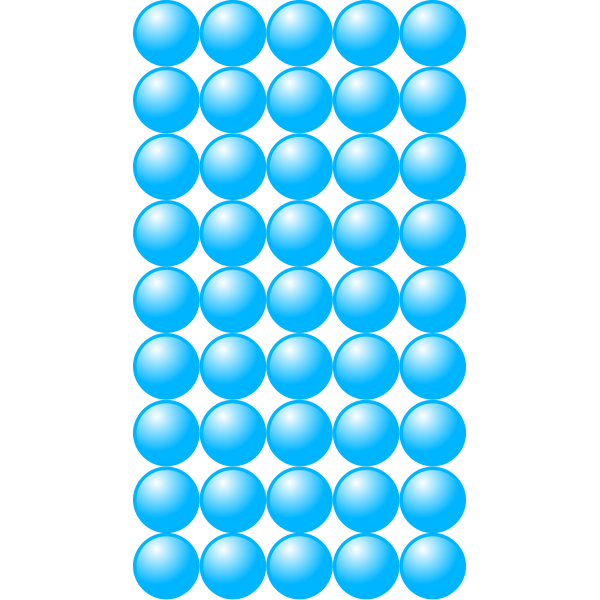
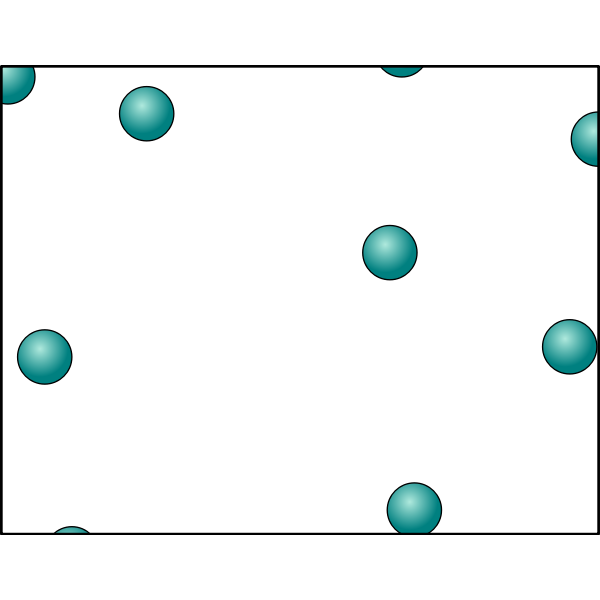
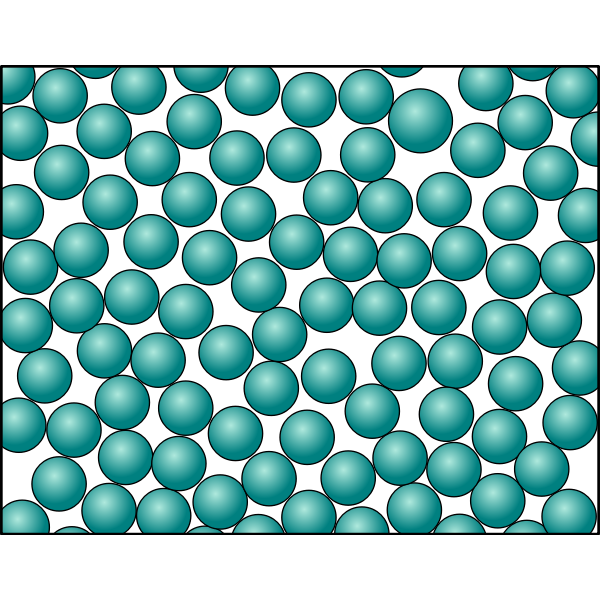
Match the illustrations of particle motion and the energy assumptions you can make with the states of matter

  • Least energy
  • Most energy
  • Solid
  • Liquid
  • Gas
Required
1
Question 3
3.

Match the physical state with its example.

  • Steam
  • Ice
  • Water
  • Solid
  • Liquid
  • Gas
Question 4
4.

Classify these particles based on their location in an atom.

  • Protons
  • Neutrons
  • Electrons
  • In the nucleus
  • Outside the nucleus
Question 5
5.

Identify if the following scenarios are examples of Physical or Chemical changes

  • Dissolving sugar in water
  • Boiling water
  • Melting Ice Cream
  • Burning Wood
  • Physical Change
  • Chemical Change
Question 6
6.
Complete the statement below:

Matter ___________ be____________ or______________
Other Answer Choices:
rearranged
created
assembled
cannot
synthesized
can
destroyed
Question 7
7.

Sort the charge, size, and role of subatomic particles

  • Larger mass (+ charge)
  • Neutral
  • Gives atom mass and identity
  • Positive
  • Larger mass (no charge)
  • Determines atom's bonding and reaction behaviors
  • Smallest mass
  • Negative
  • Gives atoms only mass
  • Protons
  • Neutrons
  • Electrons
Question 8
8.
When you increase thermal energy, you_____________ pressure (in an open system)
Other Answer Choices:
Increase
Decrease
Question 9
9.

When ice melts into water, what happens to its mass according to the Law of Conservation of Mass?

Required
1
Required
1
Question 11
11.
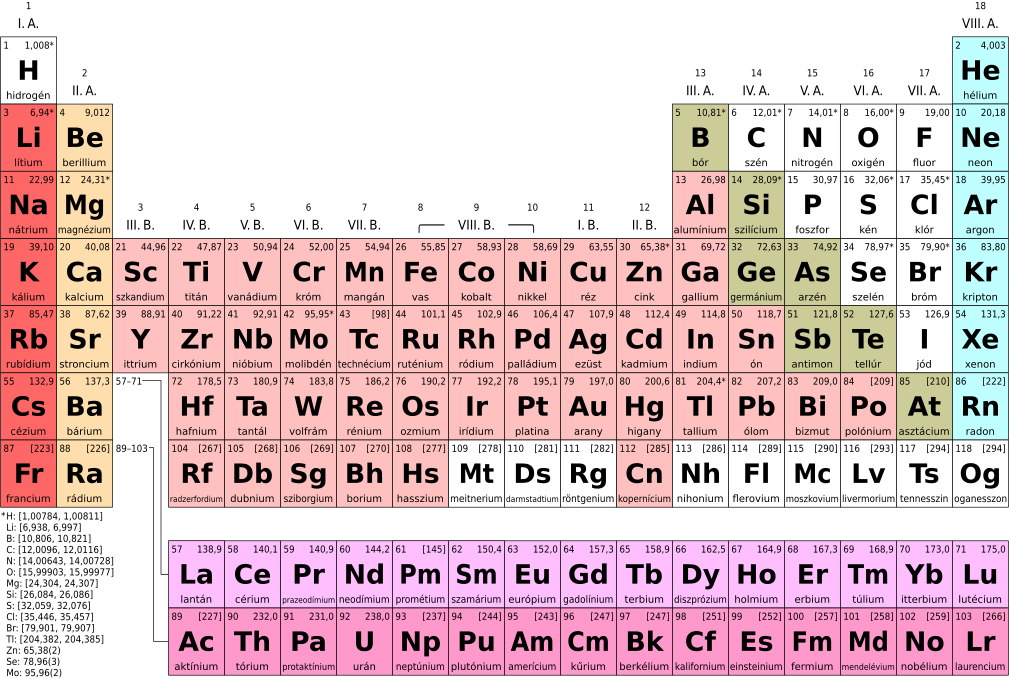
It will most likely form an ionic bond with an element from column _______
Question 12
12.

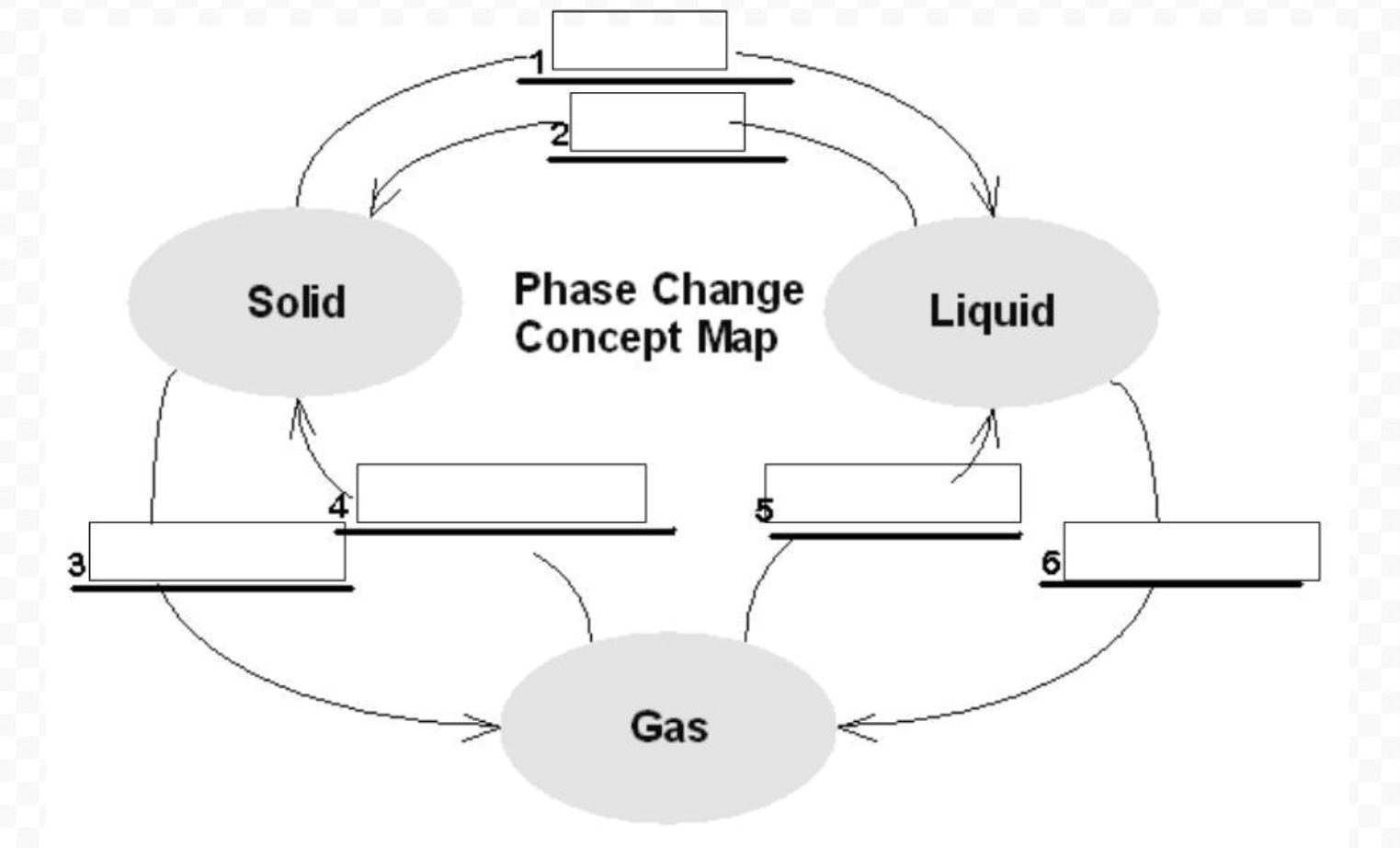
Which phase change is melting?

Question 13
13.

Combine the listed scenarios with their type of change.

  • Clothing is bleached
  • Ice Melts
  • Water Boils
  • Paper Burns
  • Physical Change
  • Chemical Change
Question 14
14.
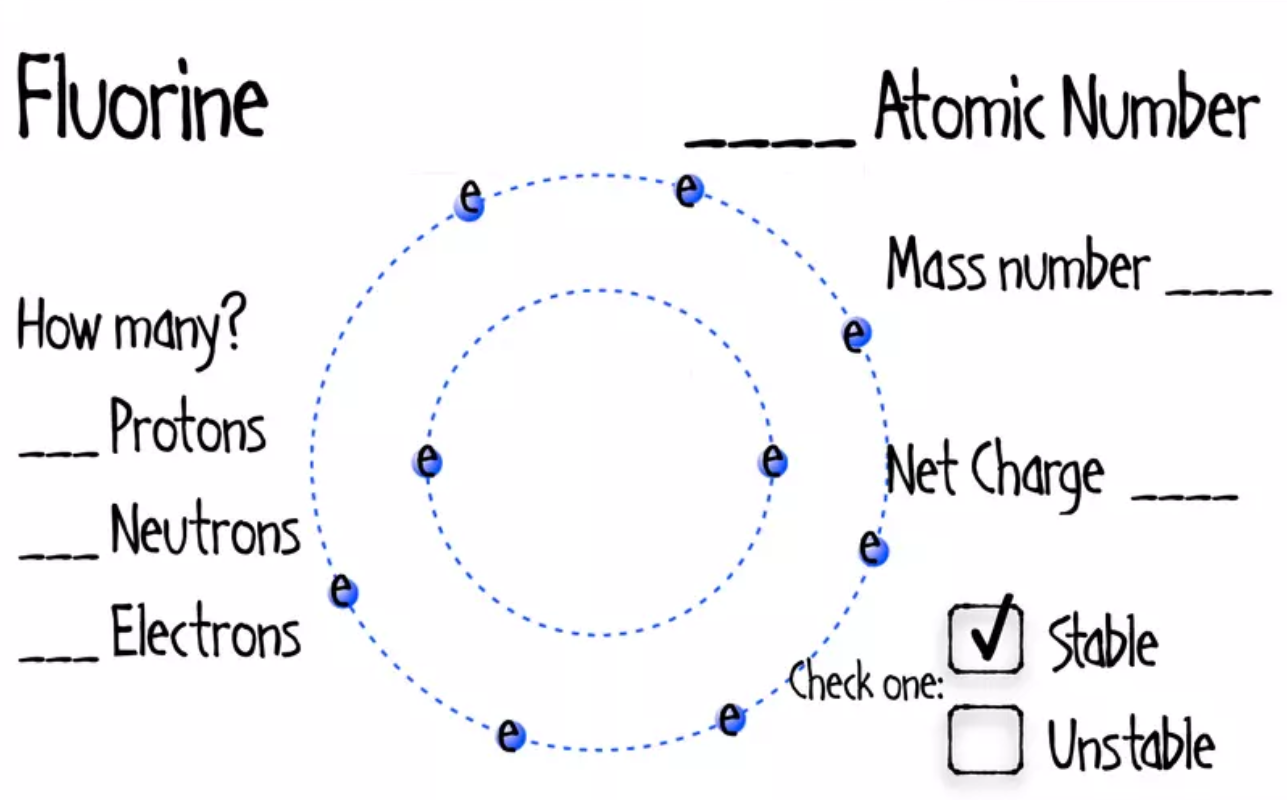
Label the Atomic model below
Other Answer Choices:
7
+1
0
9
18
-1
Question 15
15.

What is characteristic of ionic bonds?

Question 16
16.

Categorize the following into Elements, Compounds, or Mixtures

  • Gold
  • Milk
  • Oxygen
  • Water
  • Element
  • Mixture
  • Compound
Question 17
17.

Which phase change is condensation?

Question 18
18.
Balance this chemical reaction by adding coefficients.
*Put in a 1 if the molecule does not need to be changed*

_______ HCl + _______ CaCO3 → _______ CaCl2 + _______ H2O + _______ CO2
Question 19
19.
How many IODINE atoms are there in 4 molecules of CI4?
(that is an "I" for Iodine)

There are _______ atoms of Iodine
Question 20
20.

Which reactions given are endothermic or exothermic?

  • Photosynthesis
  • Burning candle
  • Freezing water/ ice
  • baking bread
  • condensation on cold glass
  • Endothermic
  • Exothermic
Question 21
21.
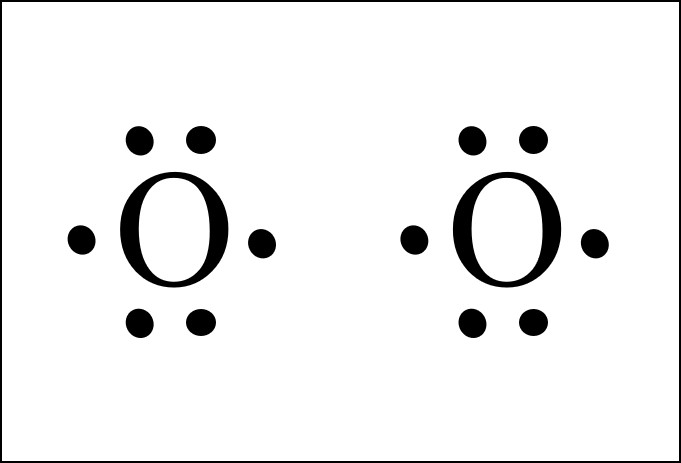
Determine if this is will form a single, double, or triple bond
Other Answer Choices:
double bond
triple bond
single bond
this will form an ionic bond
Question 22
22.

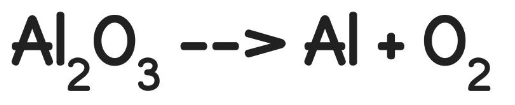
What coefficient goes in front of Al on the PRODUCTS side?

Question 23
23.
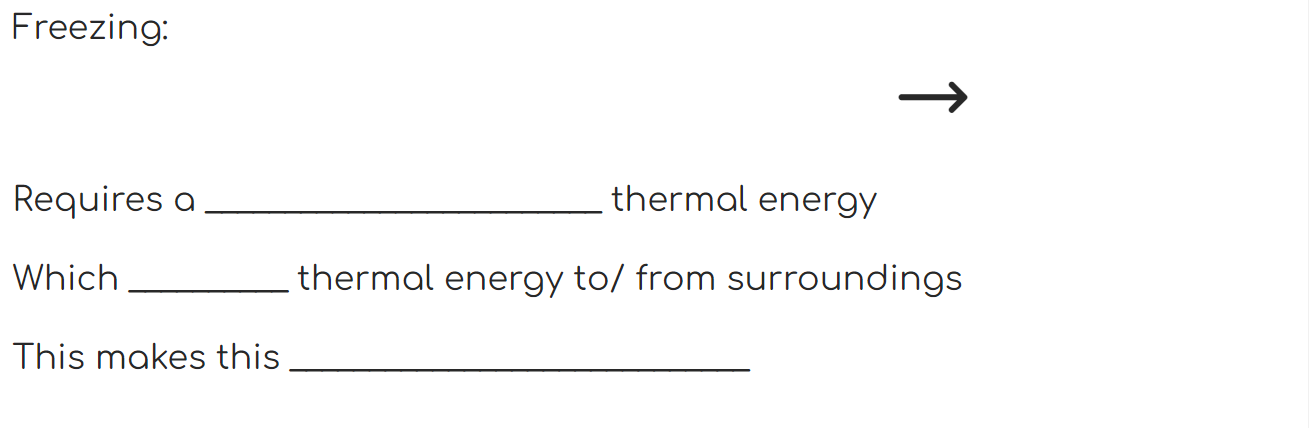
Other Answer Choices:
Gas
solid
Liquid
endothermic
adds
removes
exothermic
decrease
increase
Question 24
24.

Match the chemical reaction with its correct type.

Draggable itemarrow_right_altCorresponding Item
AB→A+B
arrow_right_alt
Single Replacement
A+B→AB
arrow_right_alt
Decomposition
A+BC→AC+B
arrow_right_alt
Synthesis
AB+CD→AC+BD
arrow_right_alt
Double Replacement
Question 25
25.

Select all the matter descriptions that can apply to WATER.

It is a...

Question 26
26.

This passage describes a chemical reaction. Read the passage. Then, follow the instructions below.

When car engines run, they often produce toxic gases such as carbon monoxide (CO). Modern cars use a device called a catalytic converter to reduce the amount of carbon monoxide released into the environment. The catalytic converter combines carbon monoxide and oxygen (O2) to form carbon dioxide (CO2). While too much carbon dioxide can harm the environment, this gas is less toxic than carbon monoxide.


Complete the table to classify the substances in this chemical reaction.
  • oxygen (O2)
  • carbon dioxide (CO2)
  • carbon monoxide (CO)
  • Reactants
  • Products
Question 27
27.
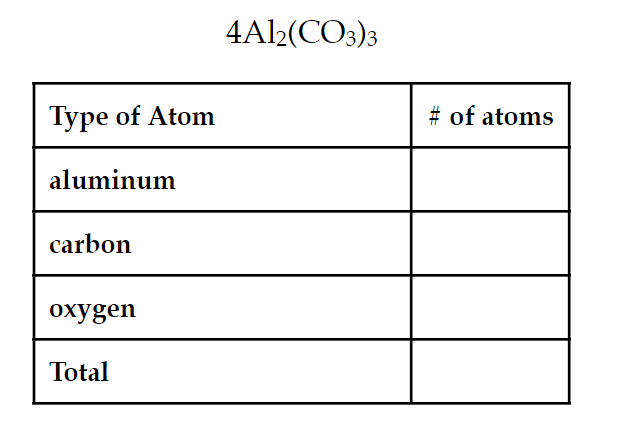
Calculate how many atoms of each element there are in the following molecule:
Other Answer Choices:
24
27
3
32
36
9
8
Question 28
28.

2Pb(OH)2 + HCl → ???
Based off the REACTANTS of this chemical reaction, you can assume there are 4 atoms of Lead (Pb) in the PRODUCTS

Question 29
29.
Balance this chemical reaction by adding coefficients.
*Put in a 1 if the molecule does not need to be changed*

_______ AlBr3 + _______ K2SO4 → _______ KBr + _______ Al2(SO4)3
Question 30
30.

What type of bond is formed when atoms SHARE electrons?

Question 31
31.
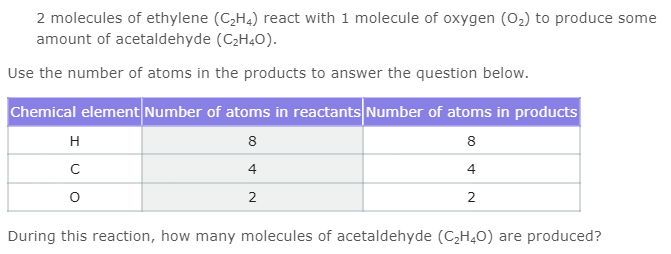
Consider this reaction
_______ molecules of acetaldehyde (C2H4O)
Question 32
32.
Use the elements below to complete the ionic bonding model
Li2 + O
Each Li will _________ ______ electron{s}
The Oxygen will _________ ______ electron{s}

The final charges will be
Li2_______ and O _______
Other Answer Choices:
lose
gain
2
+2
1
-2
Question 33
33.

Sort elements into what types of covalent bonds they will form

  • H2O
  • N + N
  • Cl + Cl
  • H + H
  • C + O2
  • Single Bonds
  • Double Bonds
  • Triple Bonds
Question 34
34.

What is needed by electrons to move from inner energy levels to outer energy levels?

Question 35
35.

Which phase CHANGES require a DECREASE in thermal energy?

Question 36
36.
Balance this chemical equation:

_______ C8H18 +_______ O2 → _______ CO2 +_______ H2O
Question 37
37.

This is a survey question for Bolton to use as feedback: I used my SIGNED AND COMPLETE study guide for this assessment

Question 38
38.

This is a survey question for Bolton to use as feedback: Select ALL preparation materials you used or found helpful for this assessment.

Question 2
2.

Elements in this column will most likely bond with elements with ____ valence electrons?

Question 10
10.

How many valence electrons does this element have?