U1D2 A Framework for Statistical Reasoning Jan8
star
star
star
star
star
Last updated about 1 year ago
31 Nsɛmmisa
Hyɛ no nsow a efi ɔkyerɛwfo no hɔ:
1
1
1
1
1
1
1
1
1
1
1
1
1
1
1
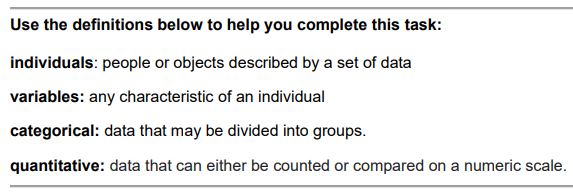
Vocabulary
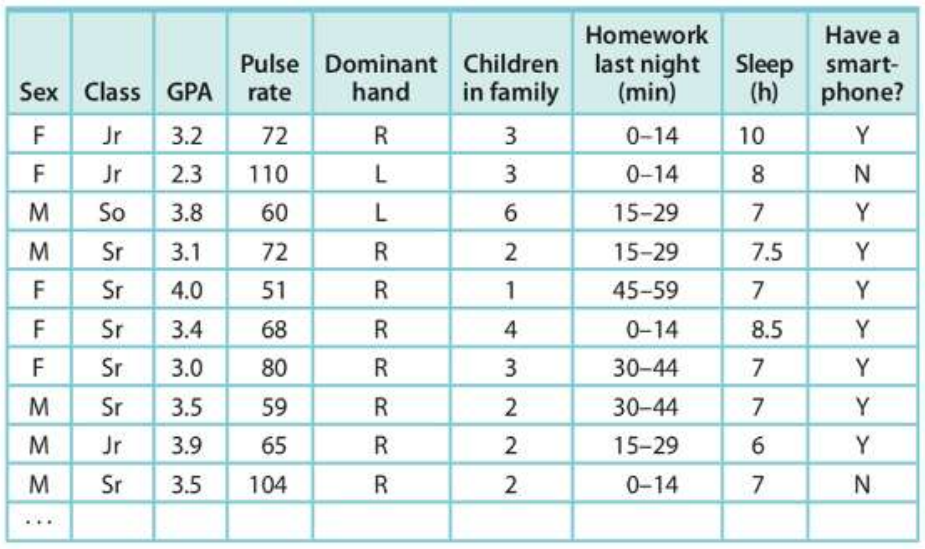
On the second day of a statistics class, the instructor gave all 40 students in the class a survey. The table shows data from the first 10 students on the class roster.
From the table, identify the individuals in this data set.
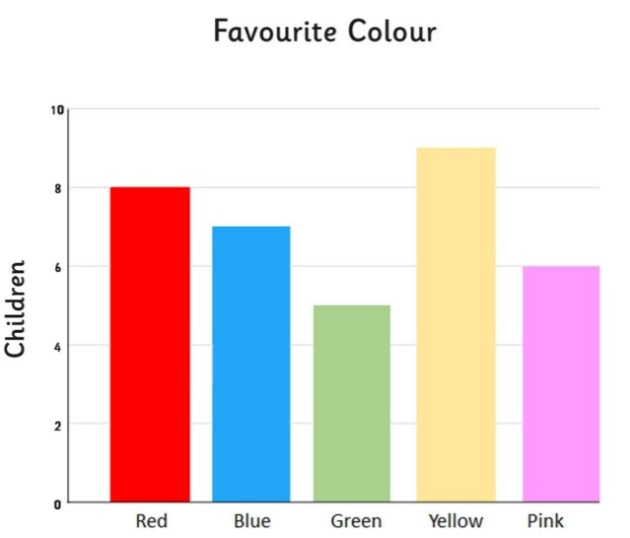
Example of a bar chart:
Google search "example of bar charts" to see more.
Choose one of the categorical variables and create a bar chart.
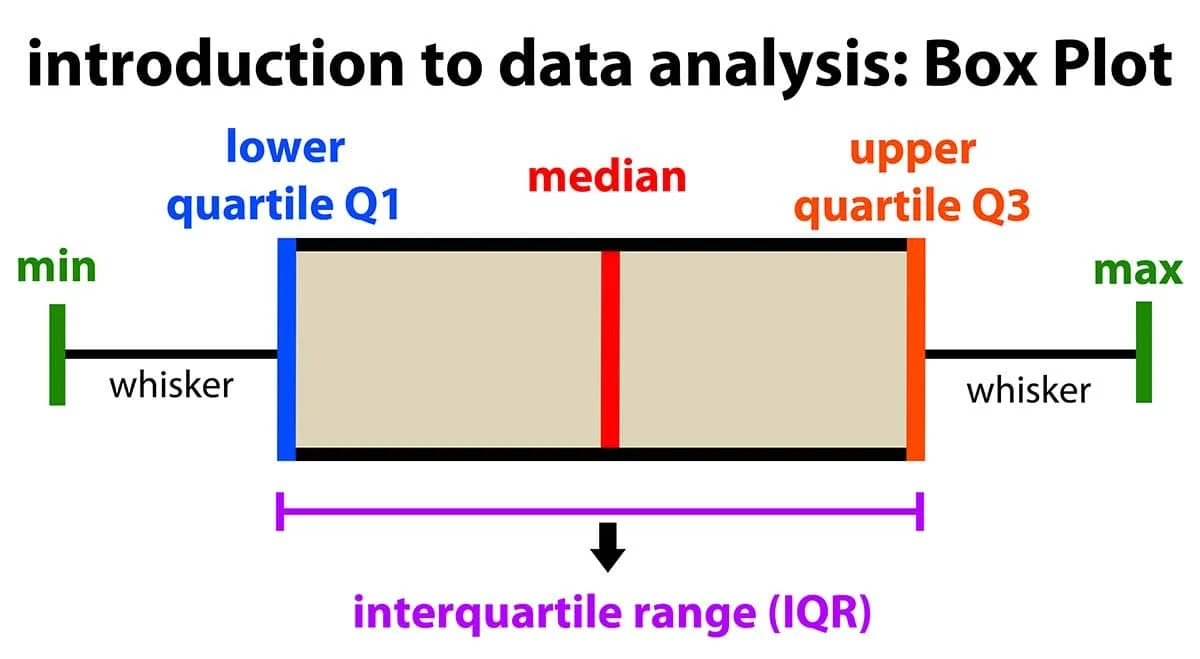
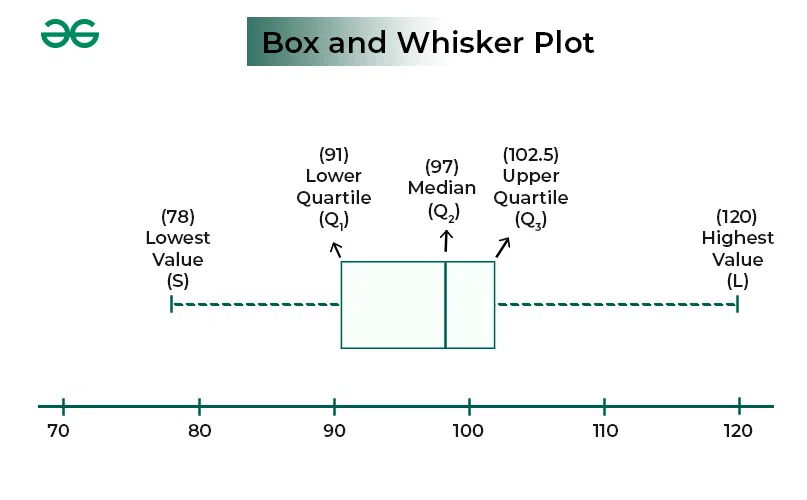
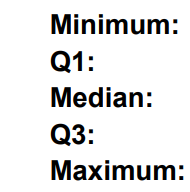
Choose one of the quantitative variables and create a boxplot and list the five-number summary.
Five-Number Summary
From your boxplot or five-number summary, what percentage of the data falls between the minimum and maximum?
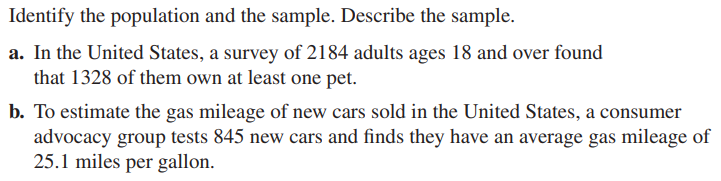
The owner of a dance studio surveys 32 dancers and finds that 25 of them prefer hip hop.
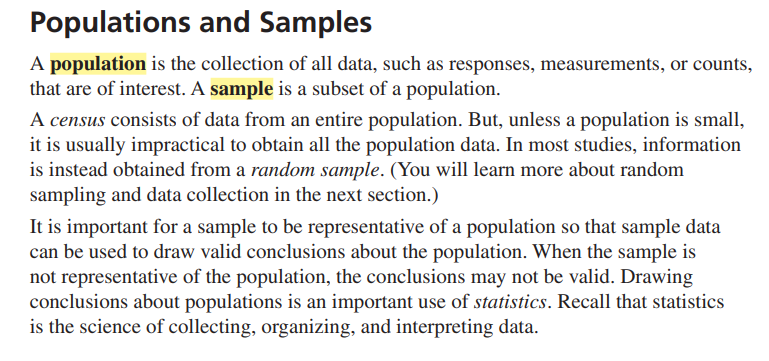
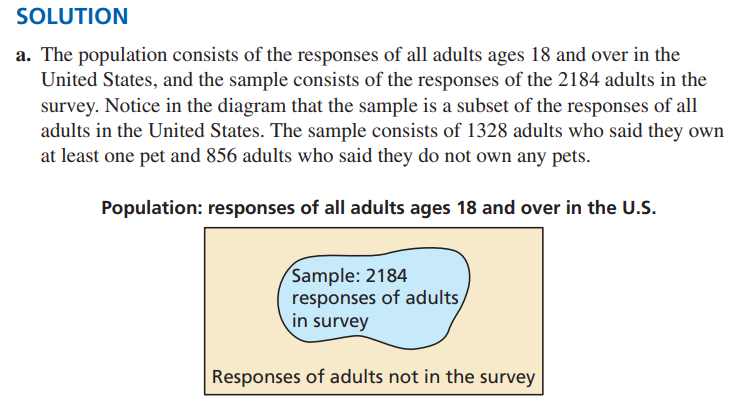
What is the population?
Describe the sample.
A counselor at a middle school reviews 225 students’ class schedules and finds that 46 students have a science class during first period.
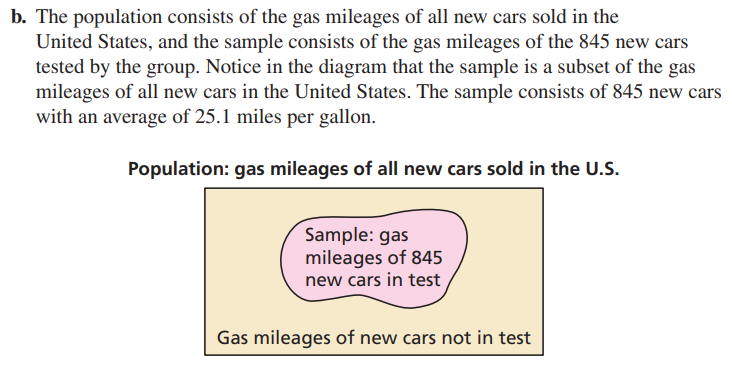
What is the population?
Describe the sample.
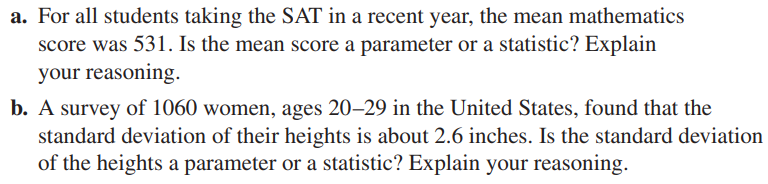
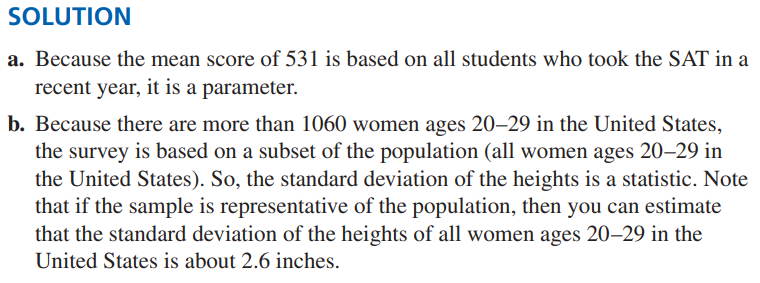
For all teenagers who had jobs last summer in a certain town, the mean hourly wage was $8.25. Is the mean hourly wage a parameter or a statistic? Explain your reasoning.
A survey of 912 men, ages 50–60 in Central America, found that the standard deviation of the lengths of their feet is about 4 centimeters. Is the standard deviation of the lengths of their feet a parameter or a statistic? Explain your reasoning.
Explore: Social Media Preferences
Students interact using a variety of social media apps. But which one is the favorite?
Hypothesize
Which app do you think will be the favorite of all the students in the class? What percentage of the class do you think will choose that app?
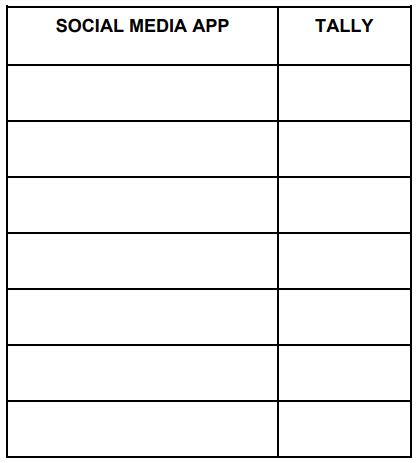
Design a way to collect this data from your classmates which will yield the most HONEST (unbiased) answers? (Think...Could hearing what one student’s choice influence what another student chooses? If so, compensate for that in your collection design.) Below, write the steps you will take to collect your data.
What question(s) are you trying to answer? Does your question anticipate variability?
Collect data from the class.
To communicate what the data means, we will create a bar chart, a segmented bar chart, and a pie chart.
You can use the online applet: https://www.stapplet.com
(Choose 1 Categorical Variable, Single Group, input the data, and click on Begin Analysis. (Bookmark this applet!)
Notice that you have options for PLOT TYPE (Bar Chart, Segmented Bar Chart, Pie Chart), as well as an option to LABEL the chart (Frequency, Relative Frequency). Once you input your data, explore these different options and sketch the outcomes.
Sketch the Frequency Bar Chart
Sketch the Relative Frequency Bar Chart
What differences do you notice between the frequency bar chart and the relative frequency bar chart?
Sketch the Segmented Bar Chart
Sketch the Pie Chart
Why do you suppose there is only an option for the relative frequency with the two graphs above?
Which chart do you think best communicates what the data mean? Explain.
From the Stapplet, scroll down and copy the data into the Frequency Table:
What is the difference between frequency and relative frequency?
What conclusion can you draw (infer) from the data?
Consider any possible “issues” with this study? Is there anything that makes you question whether your conclusion is correct or not?
Do you think your conclusion is representative of high school students everywhere? How could you find out?
From the table, identify the categorical variables.
From the table, identify the quantitative variables.
From your boxplot or five-number summary, what percentage of the data falls between the minimum and median?
From your boxplot or five-number summary, what percentage of the data falls between the median and maximum?
From your boxplot or five-number summary, what percentage of the data falls between the Q1 and Q3?
From your boxplot or five-number summary, what percentage of the data falls between the Q1 and the median?
From your boxplot or five-number summary, what percentage of the data falls between the minimum and Q3?