Natural Resources
The biosphere currently supplies the basic needs for more than seven billion humans in the form of natural resources. The human population continues to grow, but growth is not evenly distributed throughout the world.
An increase in human population increases the demand on natural resources. The consumption rate of natural resources is also not evenly distributed; it is much higher for people living in developed countries than for people living in developing countries. As developing countries become more industrialized and the standard of living rises, the rate of natural resource, a long-term plan for the use and conservation of natural resources is important.
Renewable Resources
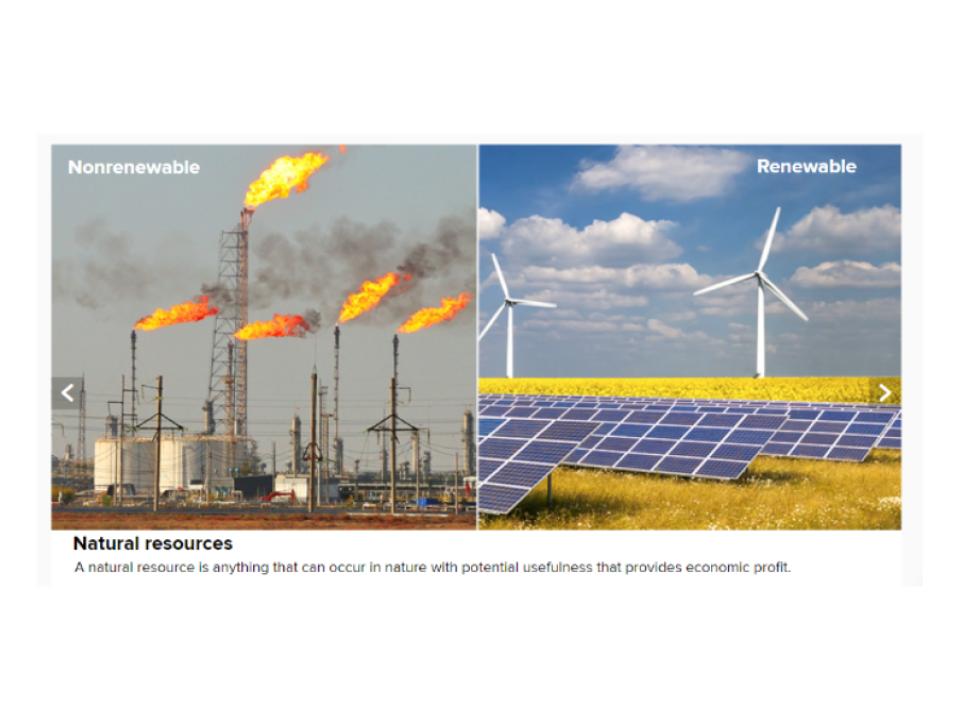
Plans for long-term use of natural resources must take into consideration the difference between the two types of natural resources--renewable and nonrenewable. Those resources that are replaced by natural processes faster than they are consumed are called renewable resources. However, the supply of these resources is not unlimited. If the demand exceeds the supply of any resource, the resource might become depleted.
Nonrenewable Resources
Resources that are found on Earth in limited amounts or that are replaced by natural processes over extremely long periods of time are called nonrenewable resources. Fossil fuels and mineral deposits, such as radioactive uranium, are considered nonrenewable resources. Species are considered renewable resources until the last of a species dies. When extinction occurs, a species is nonrenewable because it is lost forever.

Renewable vs Nonrenewable Resources
The classification of a resource as renewable or nonrenewable depends on the context in which the resource is being discussed. A single tree or a small group of trees in a large forest ecosystem in renewable because replacement trees can be planted or can regrow from seeds present in the soil. Enough of the forest is still intact to serve as a habitat for the organisms that live there. However, when the entire forest is cleared, the forest is not considered a renewable resource. The organisms living in the forest have lost their habitat, and they most likely will not survive. In this example, it is possible that more than one natural resource is nonrenewable--the forest and any species that might become extinct.
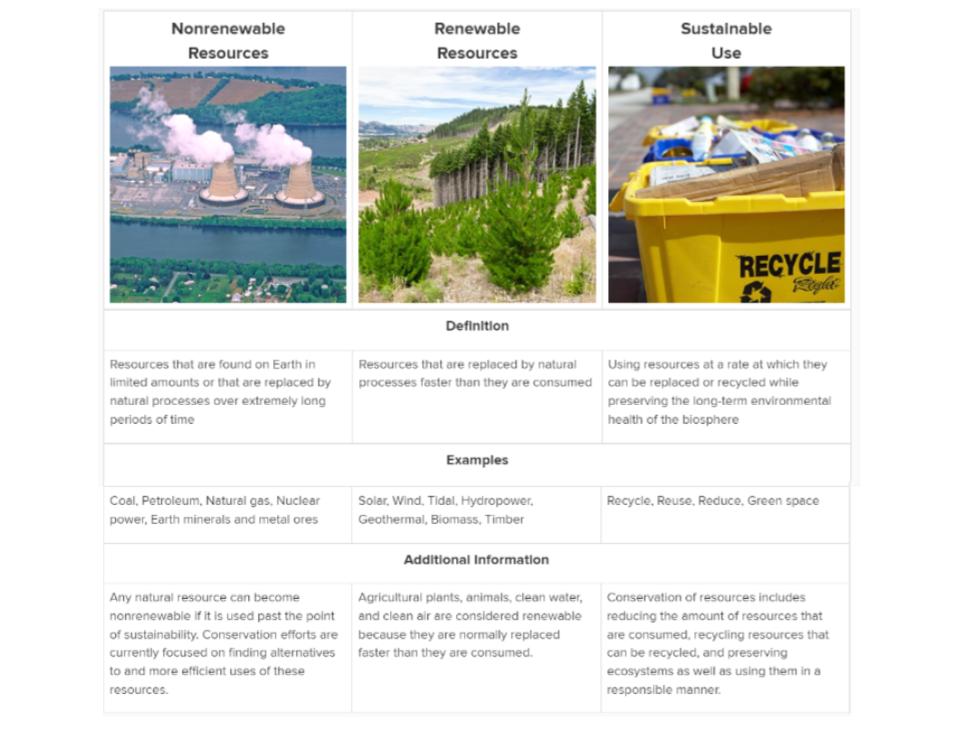
Using resources at a rate at which they can be replaced is called _____________________ .
What kind of resources are replaced by natural processes faster than they are consumed?
What kind of resources are found in limited amounts or are replaced by natural processes over extremely long periods of time?
Which of the following are examples of nonrenewable resources? Select all that apply.
Which of the following are examples of renewable resources? Select all that apply.
natural gas
freshwater
wind
lumber
solar energy
nuclear power
petroleum oil
Renewable
Nonrenewable
| Draggable item | arrow_right_alt | Corresponding Item |
|---|---|---|
Sustainable Use | arrow_right_alt | resources that are replaced by natural processes faster than they are consumed |
Renewable Resources | arrow_right_alt | resources that are found on Earth in limited amounts or that are replaced by natural processes over extremely long periods of time |
Nonrenewable Resources | arrow_right_alt | use of resources at a rate that they can be replaced or recycled while preserving the long-term environmental health of the biosphere |
Protecting Biodiversity
Human activities have affected many ecosystems. Efforts are underway worldwide to slow the loss of biodiversity and to promote sustainable use of natural resources. National parks were established for conservation purposes. Conservation enables ecosystems to be preserved, which positively affects biodiversity.
Protected areas in the United States
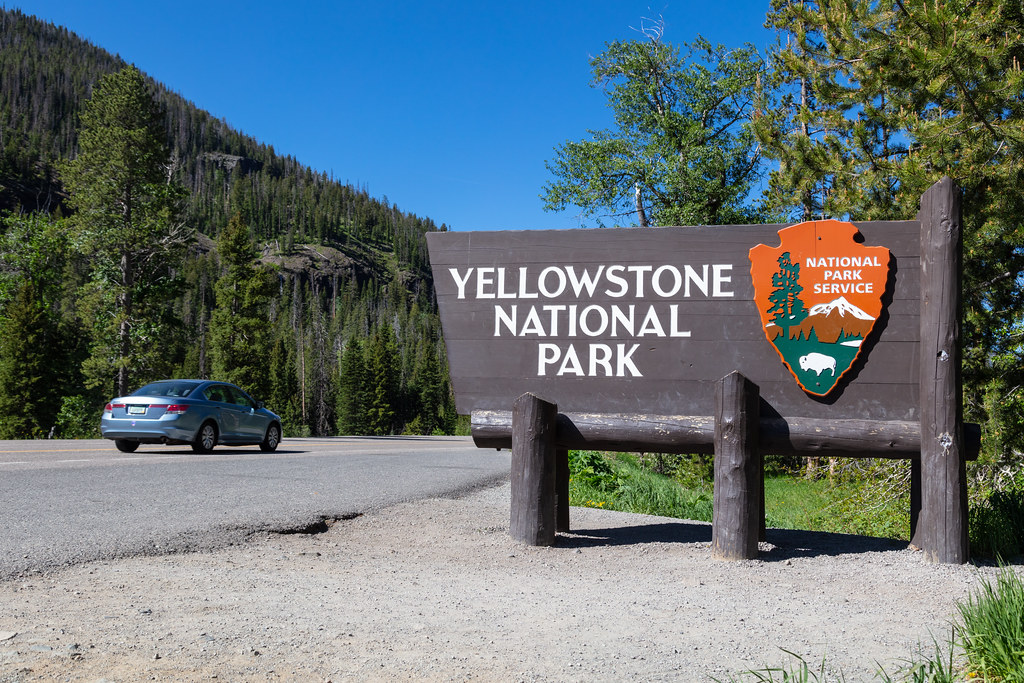
Conservation biologists recognize the importance of establishing protected areas where biodiversity can flourish. The US established its first national park, Yellowstone National Park, in 1872.
International Protected Areas
The US is not the only country to establish national parks and nature reserves. Currently, about 10-15% of the world's land is set aside as some type of reserve. Historically, these protected areas have been small islands of habitat surrounded by areas that contain human activity. Because the reserves are small, they are impacted heavily by human activity. The United Nations supports a system of Biosphere Reserves & World Heritage sites. Costa Rica has established megareserves. These reserves contain one or more zones that are protected from human activity by buffer zones--areas in which sustainable use of natural resources is permitted. This approach creates large, managed areas for preserving biodiversity while providing natural resources to local populations.
What is the purpose of establishing national parks?
Why is the conservation of ecosystems important?
What is the goal of efforts to slow the loss of biodiversity?
What is the main impact of human activities on ecosystems?
Biodiversity Hotspots
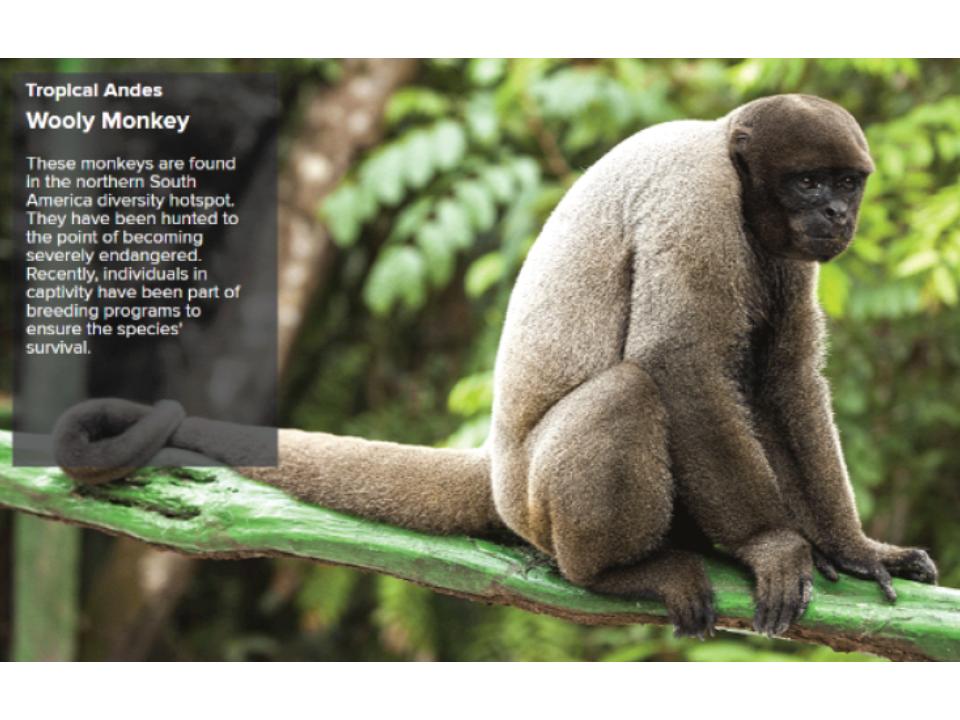
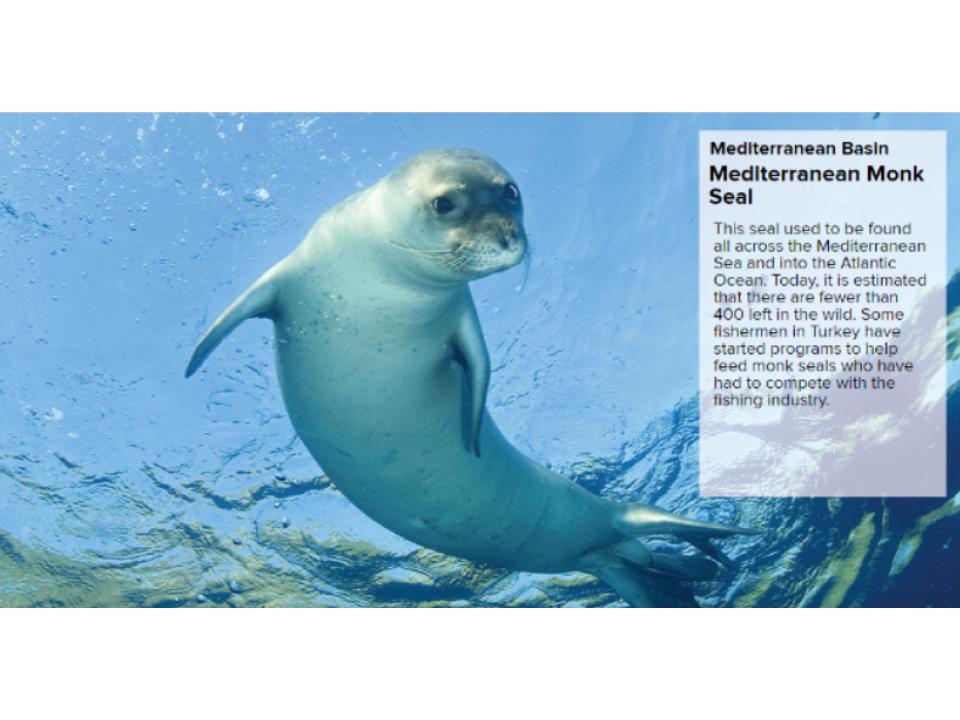
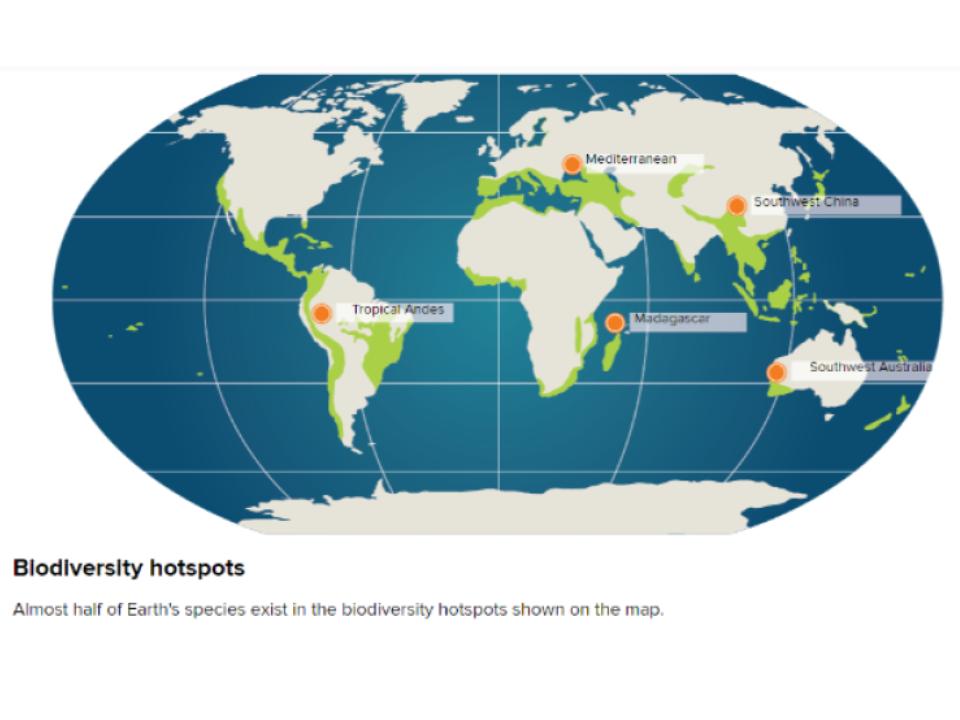
Conservation biologists have identified locations around the world that are characterized by exceptional levels of endemic species, or critical levels of habitat loss. Endemic species are organisms that are only found in a specific geographic location. To be called a hotspot, a region must meet 2 criteria.
1. There must be at least 1500 species of vascular plants that are endemic.
2. The region must have lost at least 70% of its original habitat.
There are 36 internationally recognized hotspots!
Approximately half of all plant and animal species are found in hotspots. There hotspots originally covered 17% of Earth's surface, however currently only about 1/10th of those habitats remain.
Biologists in favor of recovery efforts in these areas argue that focusing on a limited area would save the greatest number of species possible. Other biologists argue that concentrating funding on saving species in these hotspots does not address the serious problems that are occurring elsewhere. These biologists think that funding should be spent in areas around the world rather than focused on the biodiversity hotspots.
For example, saving a wetland area might save fewer species, but the wetland provides greater services by filtering water, regulating floods, and providing a nursery for fish.
Corridors Between Habitat Fragments
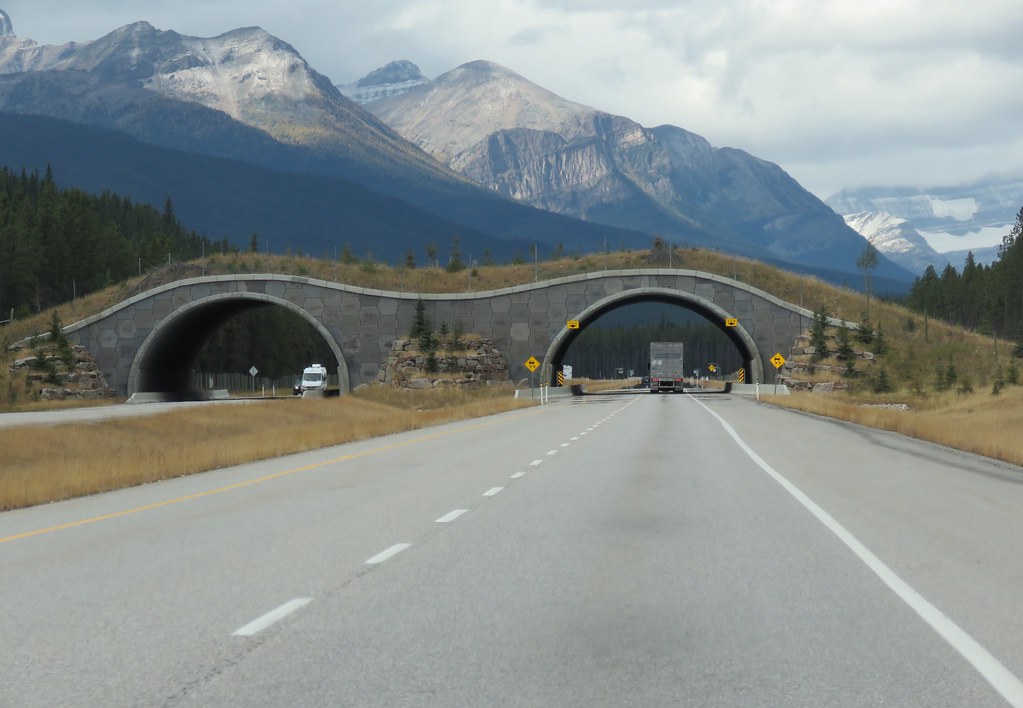
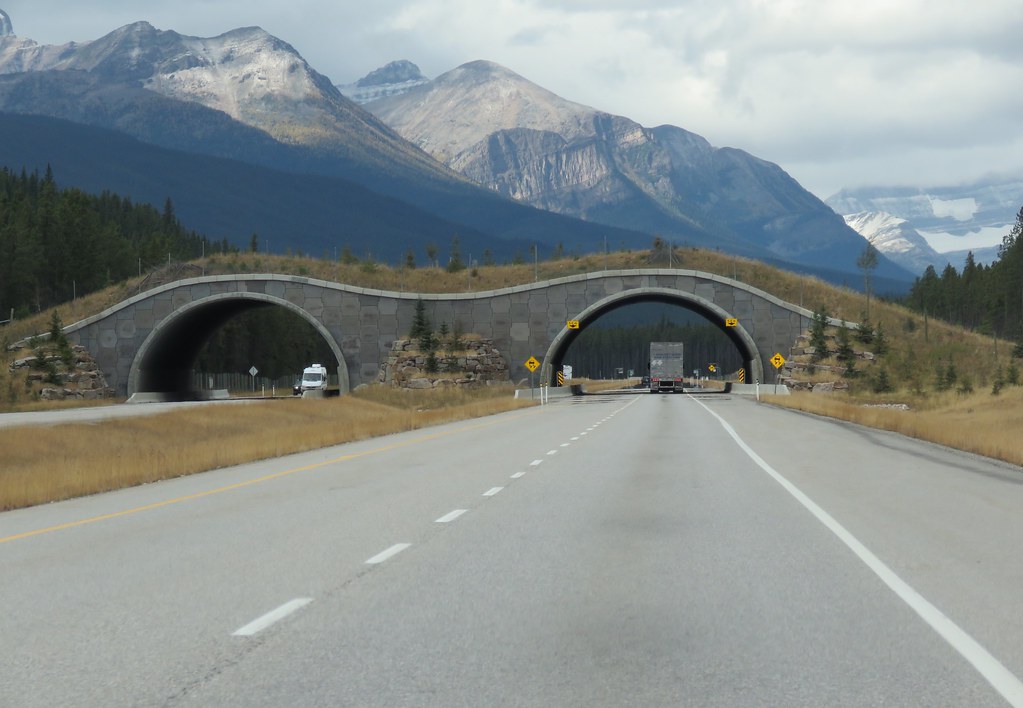
Conservation ecologists also focusing on improving the survival of biodiversity by providing corridors, or passageways, between habitat fragments. Corridors are used to connect smaller parcels of land. These corridors allow organisms from one area to move safely to another area. This creates a larger piece of land that can sustain a wider variety of species and a wider variety of genetic variation.
Legislative Actions
During the 1970s, a great deal of attention was focused on destruction of the environment and maintaining biodiversity. Laws were enacted in countries around the world, and many treaties between countries were signed in an effort to preserve the environment. In the United States, the Endangered Species Act was enacted in 1973.
The Act was designed to legally protect species that were becoming extinct or in danger of becoming extinct. An international treaty, the Convention of International Trade in Endangered Species of Wild Fauna and Flora (CITES) was signed in 1975. It outlawed the trade of endangered species and animal parts, such as ivory elephant tusks and rhinoceros horns. Since the 1970s, many more laws and treaties have been enacted and signed with the purpose of preserving biodiversity for future generations.
Which of the following choices is an advantage of a habitat corridor like the one shown?
How many species of endemic vascular plants are required for a region to be identified as a biodiversity hotspot?
What percentage of its original habitat must a region lose to be considered a biodiversity hotspot?
How many internationally recognized hotspots are there?
What percentage of Earth's surface did hotspots originally cover?
Which legislation was enacted in the United States in 1973?
What does CITES stand for?
What is the purpose of the Endangered Species Act?
Restoring Ecosystems
Sometimes biodiversity in an area is destroyed to the extent that it no longer provides the abiotic and biotic factors needed for a healthy ecosystem. For example, the soil from cleared tropical rain forests become unproductive for farming after a few years. After mining activities are completed, land might be abandoned in a condition that does not support biodiversity. Accidental oil spills and toxic chemical spills might pollute an area to such a degree that the native species cannot live there.
Given time, biological communities can recover from natural and human-caused disasters. The size of the area affected and the type of disturbance are determining factors for recovery time.
Bioremediation
The use of living organisms, such as prokaryotes, fungi, or plants, to detoxify a polluted area is called bioremediation. In 1975, a leak from a fuel-storage facility in South Carolina released about 80,000 gallons of kerosene-based jet fuel. The fuel soaked into the sandy soil and contaminated the underground water table. Microorganisms that naturally are found in the soil break down these carbon-based fuels into carbon dioxide. Scientists found that by adding additional nutrients to the soil, the rate at which the microorganisms decontaminated the area increased. In a few years, the contamination in the area was greatly reduced.
Biological Control of Invasive Species
Invasive species can have a profound effect on an ecosystem's biodiversity. In some cases, ecologists attempt to control the invasive species by introducing another organism to the ecosystem. This organism may be a natural predator of the invasive species, or it may be likely to outcompete the invasive species for resources.
Using organisms such as fungi to detoxify a polluted area is called _________________.
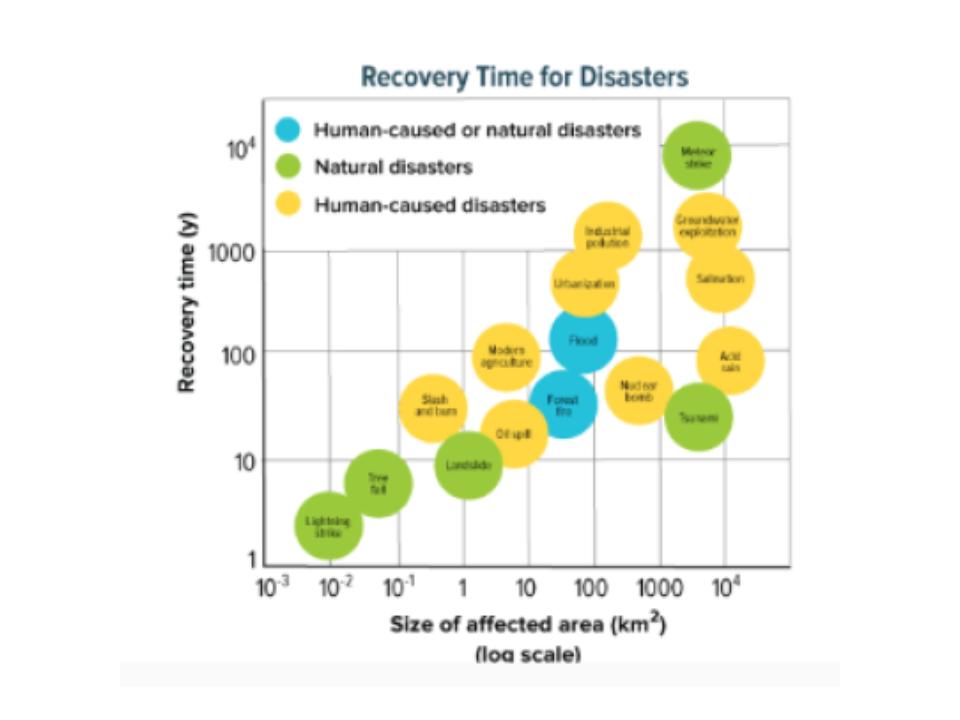
Which human-caused disaster requires the greatest recovery time?
Biological control is the attempt to control invasive species by introducing another organism to the ecosystem.