U2D10 Exponential Functions and Their Inverse Feb5
star
star
star
star
star
Posljednje ažuriranje about 1 year ago
29
Napomena autora:

1
1
1
1
1
1
In this lesson we will learn to solve equations by converting exponential and logarithmic equations.
In this lesson we will learn to solve equations by converting exponential and logarithmic equations.
How Many Times Can You Fold a Paper?
WARMUP/ENGAGE: Take a large rectangular sheet of paper and fold it in half. You now have two equal-sized sections, each with an area that is half the original area. Fold the paper in half again.
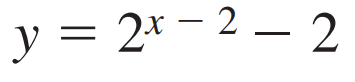
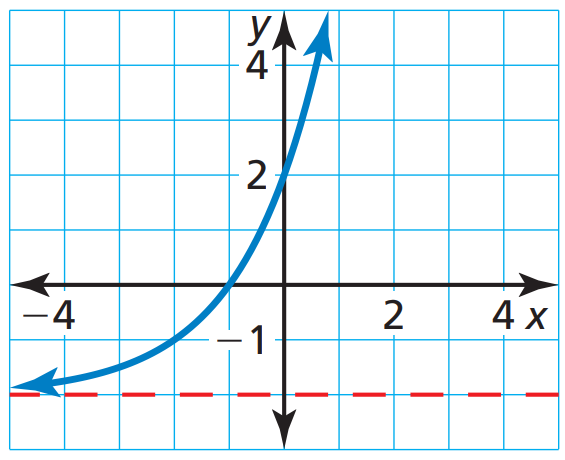
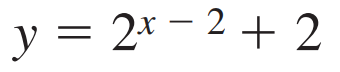
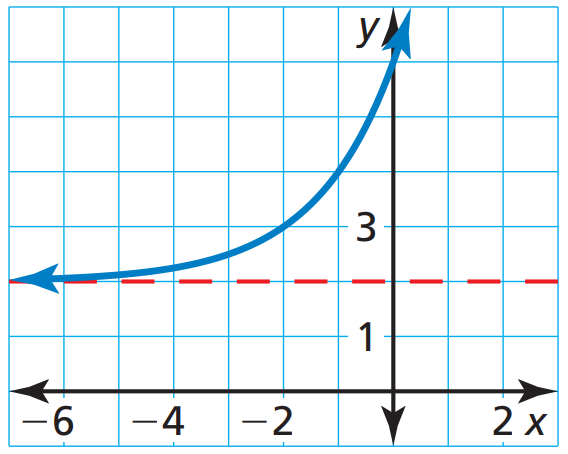
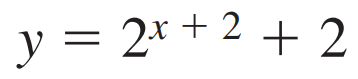
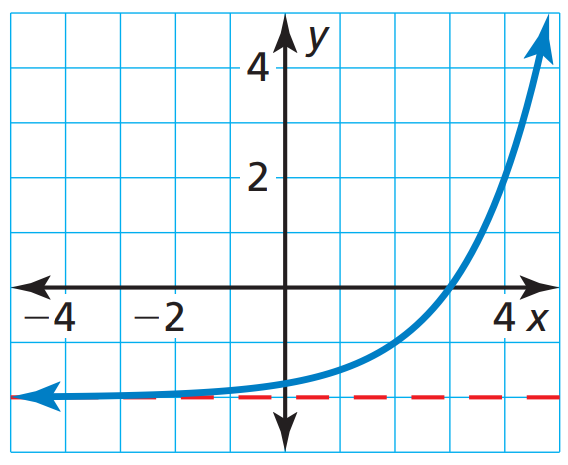
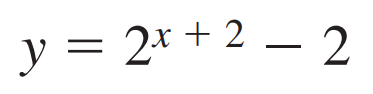
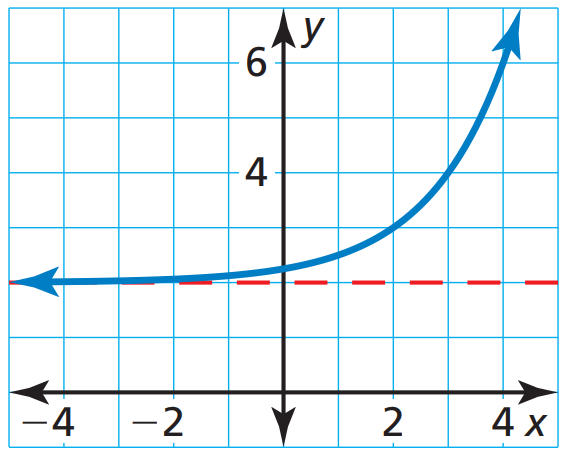
EXPLORE Match each function with its graph. Hint: What do you get when x = 0?
| Stavka koja se može prevući | arrow_right_alt | Odgovarajuća stavka |
|---|---|---|
| arrow_right_alt | ||
| arrow_right_alt | ||
| arrow_right_alt | ||
| arrow_right_alt |
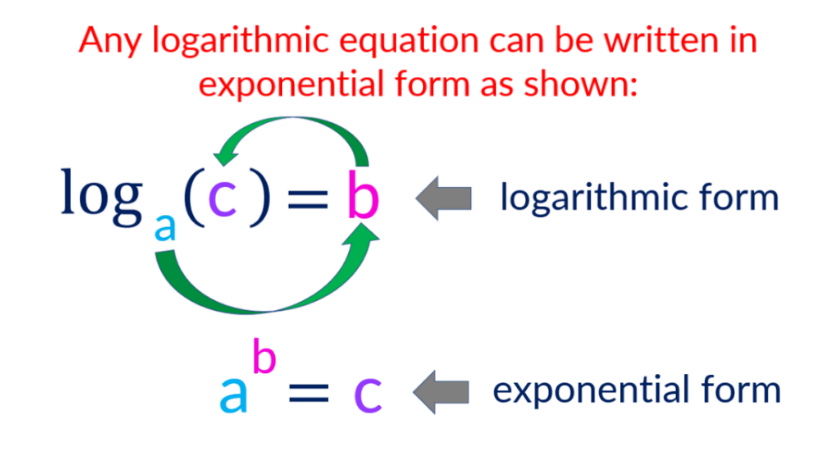
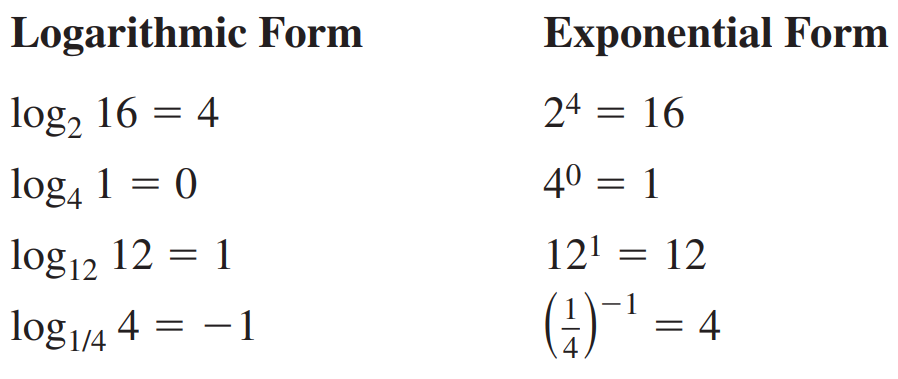
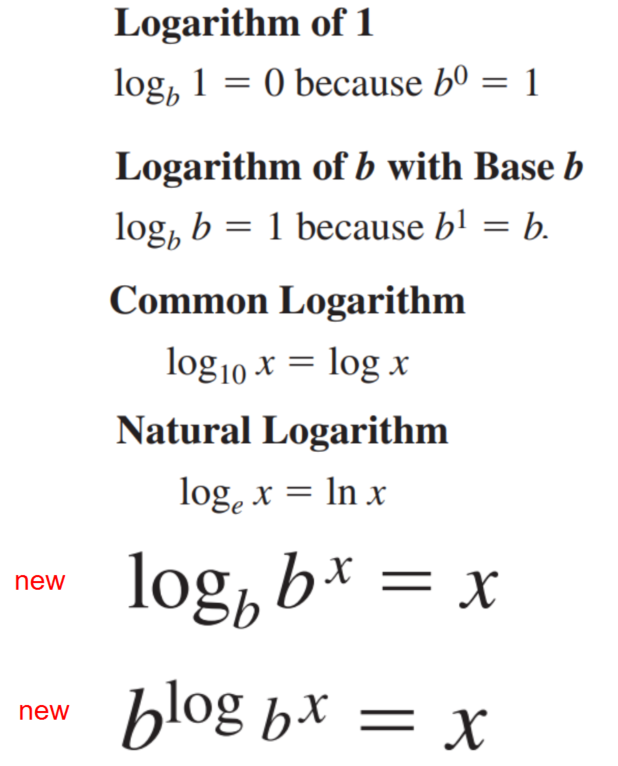
How to we convert from exponent form to logarithm form and back?
Examples:
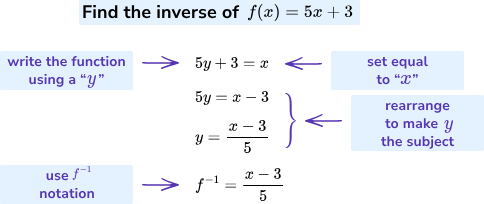
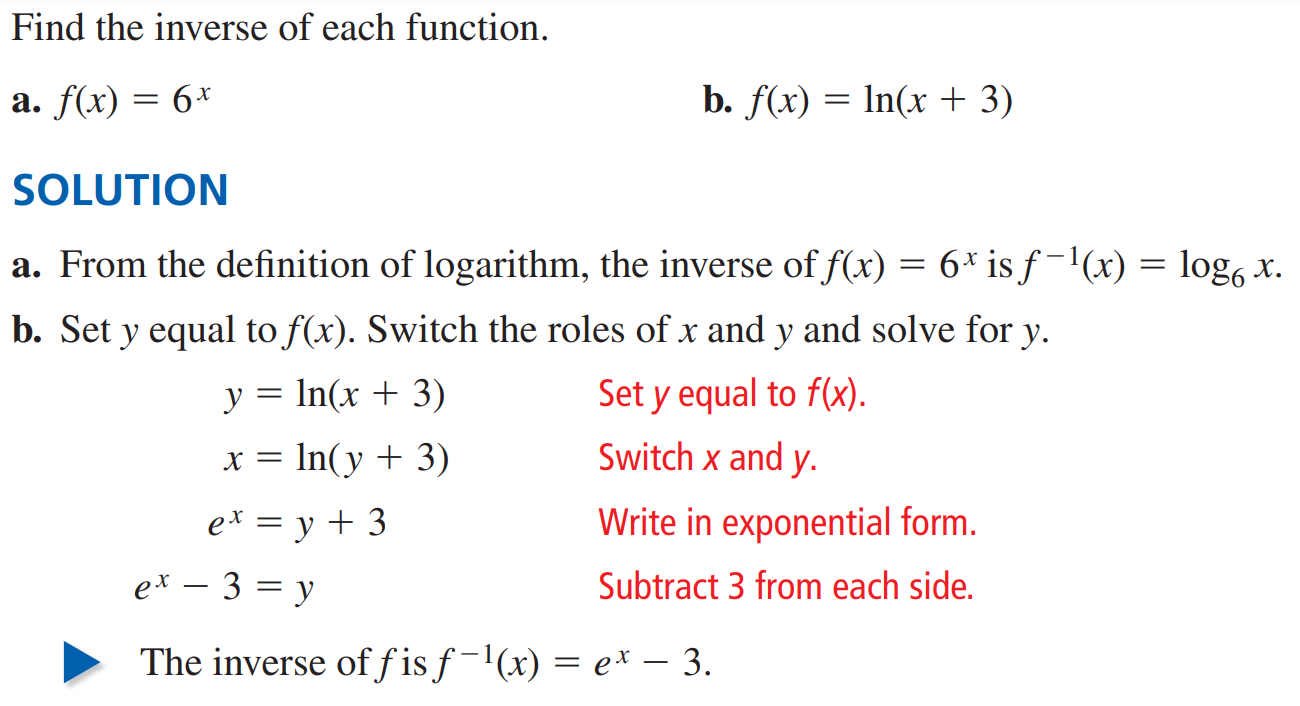
How to find the inverse of function.
We can also use converting to find inverses.
Find the inverse of each function.
a.
The inverse of f is
b.
The inverse of f is
c.
The inverse of f is
What is the inverse of f(x)?
or
Find f-1(x).
Use your inverse from above to evaluate:
Show that f(x) and g(x) are inverses.
Show that f(x) and g(x) are inverses.
Let:
Find f(g(64)).
Let:
Find f(g(x)).
Find g(f(x)).
How do exponential functions differ from linear functions?
How do you identify the difference between an exponential growth function and an exponential decay function?
How do you identify the initial value and rate of growth/decay for an exponential function?
What is the change of base formula from exponential to Logarithm?
How many sections of paper do you have?
What is the area of each section compared to the area of the original piece of paper?
Continue this process until you cannot fold the paper anymore. Fill in the table below as you go.
On graph paper let the horizontal axis represent the number of folds. Let the vertical axis represent the number of sections. Plot the points (# of folds, # of sections).
Does it make sense to connect these points with a smooth curve? Why or why not?
What is the domain of this function?
domain = possible inputs, x-values
Write the function f for the number of sections of paper you will have after x folds.
Use your function to determine the number of sections you would have if you were able to fold the paper 15 times.
The function f is an example of exponential growth. What do you notice about the table, equation, and graph of an exponential growth function?
Next, plot the points (# of folds, section area). Let the horizontal axis represent the number of folds; let the vertical axis represent the area of the section created.
Does it make sense to connect these points with a smooth curve? Why or why not?
What is the domain of this function?
Write the function g for the section area you will have after x folds.
Use your function to determine the area of a section as compared to the area of the original paper if you were able to fold the paper 15 times.
The function g for the area of a section is an example of exponential decay. What do you notice about the table, equation, and graph of an exponential decay function?
Show that f(x) and g(x) are inverses.