Log in
Sign up for FREE
arrow_back
Library
7.3 Thermal Inversion/7.4 Atmospheric CO2 & PM
By Ryan Beeler
star
star
star
star
star
Share
share
Last updated 9 months ago
11 questions
Add this activity
1
1
1
1
1
1
1
1
Question 1
1.
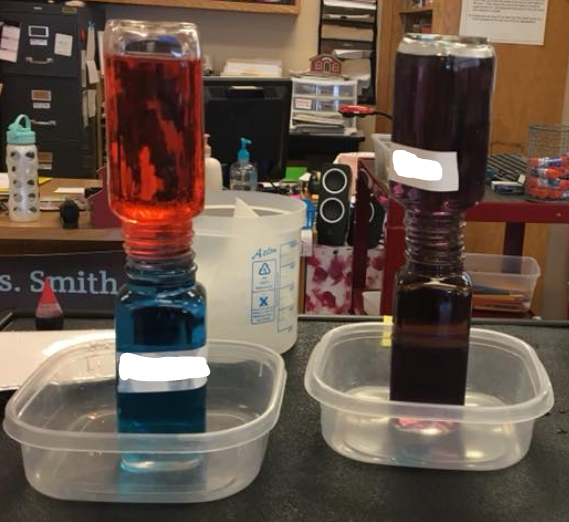
Answer the question using the demonstration on the video above.
visibility
View drawing
Watch the video below for questions 2-4.
1
Question 2
2.
When did the London Fog become a deadly?
When a warm layer of air trapped a cooler layer
When the layers of air were the same temperature
When a cool layer of air trapped a warmer layer
1
1
Use the slides below for questions 5-9
Question 5
5.
Use the PPT to answer the question.
visibility
View drawing
Question 6
6.
Draw a thermal inversion
visibility
View drawing
Question 7
7.
Use the PPT to answer the question.
visibility
View drawing
The model below represents two systems. One is a normal scenario and one is a thermal inversion.
Question 8
8.
Match the picture with the description of the accurate phenomena
Normal
Thermal Inversion
Question 9
9.
Looking at the model above,
identify
which model represents a thermal inversion and
explain
why.
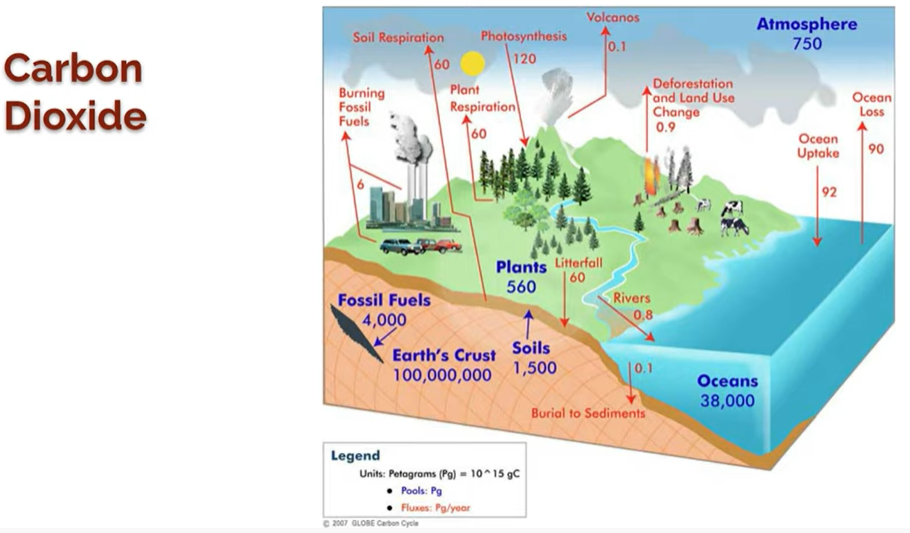
The diagram below shows the major sources of carbon dioxide, both anthropogenic and natural.
Question 10
10.
Using the diagram above, select the
natural
sources of CO
2
.
(Select 3 correct answers)
Burning fossil fuels
Volcanoes
Respiration
Oceans
Deforestation
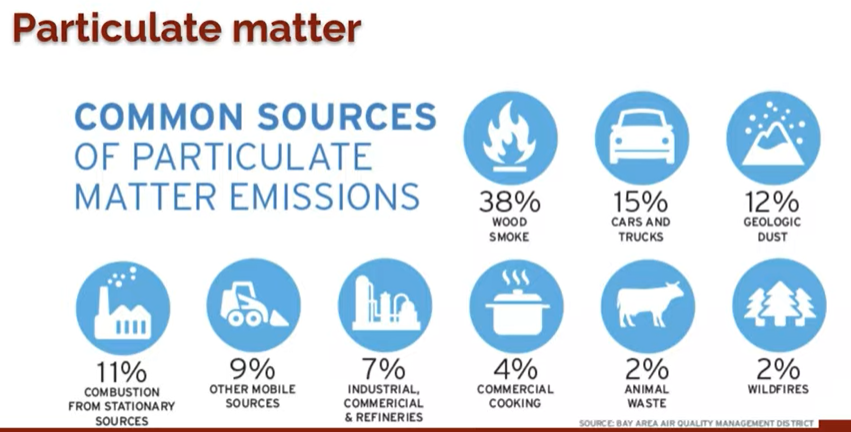
The diagram below shows the major sources of particulate matter, both anthropogenic and natural.
Question 11
11.
Using the diagram above, select the
natural
sources of particulate matter.
(Select 3 correct answers)
Commercial cooking
Animal waste
Combustion from stationary sources
Wood smoke
Wildfires
Dust
Industrial, commericial, and refineries
Cars and trucks
Question 3
3.
Identify
the human health impacts of the deadly London smog.
Question 4
4.
During a
thermal inversion
Temperatures increase with increasing altitude
Temperatures decrease with increasing altitude
A situation in which a relatively warm layer of air at mid-altitude covers a layer of cold, dense air below