1
1
1
1
1
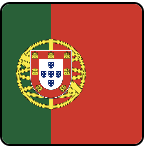
1
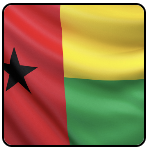
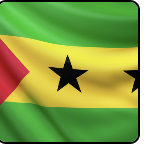
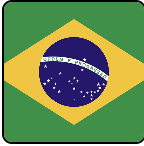
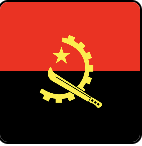
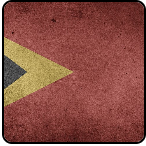
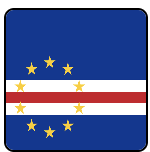
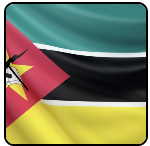
Quais as nacionalidades representadas pela bandeira deste país?/What is the nationality of the country represented by this flag?
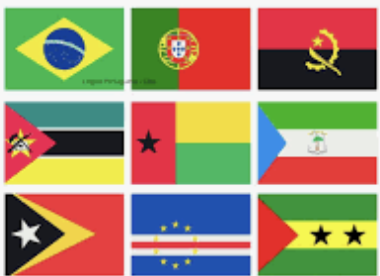
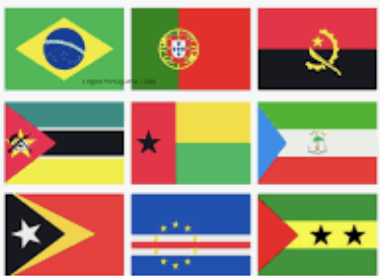
Combina cada país com a sua capital.
| Draggable item | arrow_right_alt | Corresponding Item |
|---|---|---|
Timor-Leste | arrow_right_alt | Praia |
São Tomé e Príncipe | arrow_right_alt | Luanda |
Portugal | arrow_right_alt | Brasília |
Brasil | arrow_right_alt | Maputo |
Cabo Verde | arrow_right_alt | São Tome |
Guiné-Bissau | arrow_right_alt | Lisboa |
Moçambique | arrow_right_alt | Dili |
Angola | arrow_right_alt | Bissau |
Jason arrives at his college class at 8:30 pm. What is the proper greeting?
João has a meeting at 1 o'clock. What is the appropriate greeting?
Sr. Pinto: Bom , menina.
Look at the conversation expressions below and indicate if its use as a greeting or goodbye.
greeting | goodbye | |
|---|---|---|
Olá | ||
Até logo | ||
Até amanhã | ||
Boa tarde | ||
Como Estás | ||
Oi | ||
Bom dia | ||
Até logo | ||
Até para semana |
Please indicate if the phrases below is formal or informal.
Qual seria a opção correcta
Formal | Infromal | |
|---|---|---|
Como está | ||
Como vais | ||
Bom dia, senhor Pedro | ||
Como te chamas | ||
Como vai | ||
Olá Maria | ||
Boa tarde professora |
Maria has a doctor's appointment at 8:30 am . How should Maria greet her doctor?
Como você pergunta 'What time is it?' em Português?
| Draggable item | arrow_right_alt | Corresponding Item |
|---|---|---|
para o meio-dia | arrow_right_alt | on the dot |
da tarde | arrow_right_alt | half an houra |
um quarto | arrow_right_alt | to one |
da noite | arrow_right_alt | to two |
da manhã | arrow_right_alt | to noon |
para as duas | arrow_right_alt | a quarter |
meia noite | arrow_right_alt | in the morning |
em ponto | arrow_right_alt | in the afternoon |
meia hora | arrow_right_alt | at night |
para a uma | arrow_right_alt | middnight |

Que horas são?
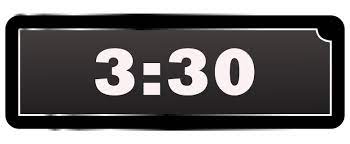
Que horas são?

Que horas são?
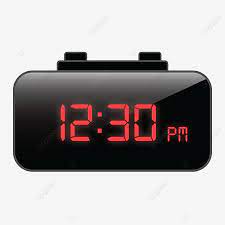
Que horas são?
São dez e meia da manhã.
É meio-dia e meia.
Tell if the information about the uses of the verb Ser - to be (~permanent) on the left are true ✅ or false ❌ .
Verdadeiro ✅ | Falso ❌ | |
|---|---|---|
1. Use Ser for introductions | ||
2. Use Ser to express feelings and emotions | ||
3. Use Ser to state your profession | ||
4. Use Ser to indicate marital status | ||
5. Use Ser to express relationships between people | ||
6. Use Ser to explain how the weather isn't great | ||
7. Use Ser to describe permanent or long-lasting characteristics of people, places, and objects | ||
8. Use Ser to express travelling into the furete |
Drag and drop the correct conjugation of the verb Ser - to be (~permant) after the subject.
Eu
Tu
Ele/Ela/Você
Nós
Vós
Eles/Elas/Vocês
Drag and drop thestáse correct conjugation of the verb Estar - to be (~temporary) after the subject.
Eu
Tu
Ele/Ela/Você
Nós
Vós
Eles/Elas/Vocês
In the box below you will find a diologe between two friends with many examples of the verb Estar - to be (~temporary).
Select all the conjugations of the verb Estar - to be (~temporary) that you can find in the box below.
Rui: -
João: -
Rui: - Eu
João: - O Paulo e
Rui: - Oh! A Joana e Nádia
João: -
Rui: - Até à
Match the Portuguese sentences with their English translations, focusing on the use of 'saber' and 'conhecer'.
| Draggable item | arrow_right_alt | Corresponding Item |
|---|---|---|
Nós sabemos nadar. | arrow_right_alt | She knows João. |
Eu sei a resposta. | arrow_right_alt | We know how to swim. |
Ela conhece o João. | arrow_right_alt | I know the answer. |
| Draggable item | arrow_right_alt | Corresponding Item |
|---|---|---|
eles/elas/vocês | arrow_right_alt | sei |
vós | arrow_right_alt | sabes |
vós | arrow_right_alt | sabe |
eu | arrow_right_alt | sabemos |
ele/ela/você/a gente | arrow_right_alt | sabeis |
tu | arrow_right_alt | sabem |
nós | arrow_right_alt | conheço |
nós | arrow_right_alt | conheces |
ele/ela/você/A gente | arrow_right_alt | conhece |
tu | arrow_right_alt | conhecemos |
eu | arrow_right_alt | conheceis |
eles/elas/vocês | arrow_right_alt | conhecem |
Complete a frase: Eu __ os saberes da vida. (two option)
Elas ............ (cozinhar) em português?
Qual é a forma correta do verbo 'saber' na primeira pessoa do singular? (two options)
Qual verbo descreve familiaridade com uma pessoa, lugar ou coisa?
Qual verbo você usaria para expressar que você sabe a resposta de uma pergunta?
Qual verbo você usaria para dizer que memorizou algo?
Como se diz 'I have' em português?
Qual é a forma correta para 'You have' em português?
Combine as formas corretas do verbo 'ter' no presente do indicativo com os respectivos pronomes pessoais
| Draggable item | arrow_right_alt | Corresponding Item |
|---|---|---|
Ter (eles) | arrow_right_alt | tem |
Ter (você) | arrow_right_alt | tenho |
Ter (eu) | arrow_right_alt | têm |
Match the Portuguese personal pronouns with their English counterparts.
| Draggable item | arrow_right_alt | Corresponding Item |
|---|---|---|
Eu | arrow_right_alt | You |
Você | arrow_right_alt | He/She |
Ele/Ela | arrow_right_alt | I |
Align the Portuguese personal pronouns in their plural form to English equivalents.
| Draggable item | arrow_right_alt | Corresponding Item |
|---|---|---|
Eles/Elas | arrow_right_alt | You |
Nós | arrow_right_alt | They |
Vocês | arrow_right_alt | We |
| Draggable item | arrow_right_alt | Corresponding Item |
|---|---|---|
Eles/elas/vocês | arrow_right_alt | tenho |
Ele/ela/você/A gente | arrow_right_alt | tens |
eu | arrow_right_alt | tem |
tu | arrow_right_alt | temos |
nós | arrow_right_alt | tendes |
vós | arrow_right_alt | têm |
O capitão Diogo de Silves descobre algumas ilhas dos Açores em 1427. Os navegadores veem que as ilhas são desertas. Não têm animais ferozes, mas têm aves como o açor, têm insetos e lagartixas.
O Infante D. Henrique, que organiza as expedições, envia cabras, vacas e ovelhas para as ilhas. Lá estes animais prosperam. Em 1445 começa a colonização. O arquipélago dos Açores tem nove ilhas e a sua capital é Ponta Delgada. Esta cidade fica na Ilha de São Miguel.
A cidade mais ocidental da Europa é a Horta, que fica na Ilha do Faial. A cidade mais antiga e histórica dos Açores é Angra do Heroísmo, situada na Ilha Terceira. A montanha mais alta de Portugal é na Ilha do Pico e mede mais de 2 mil metros. A ilha menos populosa é a ilha do Corvo, com menos de quatrocentos habitantes.
Quais as nacionalidades representadas pela bandeira deste país?/What is the nationality of the country represented by this flag?
Quais as nacionalidades representadas pela bandeira deste país?/What is the nationality of the country represented by this flag?
Quais as nacionalidades representadas pela bandeira deste país?/What is the nationality of the country represented by this flag?
Quais as nacionalidades representadas pela bandeira deste país?/What is the nationality of the country represented by this flag?
Quais as nacionalidades representadas pela bandeira deste país?/What is the nationality of the country represented by this flag?
Quais as nacionalidades representadas pela bandeira deste país?/What is the nationality of the country represented by this flag?
Quais as nacionalidades representadas pela bandeira deste país?/What is the nationality of the country represented by this flag?
Quem descobriu algumas ilhas dos Açores em 1427?
O que D. Henrique envia para as ilhas?
Qual é a cidade mais ocidental da Europa?
Onde é a montanha mais alta de Portugal?
Quem organizou as expedições aos Açores?
Que animais foram enviados para as ilhas dos Açores?
Qual é a capital dos Açores?
Qual é a cidade mais antiga e histórica dos Açores?
Qual é a montanha mais alta de Portugal e onde ela está localizada?
Qual é a cidade mais antiga e histórica dos Açores?