Put the pictures into the correct order. (Check your notes!)
Put the pictures into the correct order. (Check your notes!)
Sometimes substances must move from a region of lower concentration to a region of higher concentration. This movement of substances across the plasma membrane against the concentration gradient requires energy, and is called Active Transport.
Active transport occurs with the aid of carrier proteins, commonly known as pumps. Some pumps move one type of substances in only one direction, while others move 2 substances either across the membrane in the same direction or in opposite directions. Because of active transport, the cell maintains the proper balance of substances it needs. Active transport helps maintain homeostasis.
Active Transport: Sodium-Potassium ATPase Pump
One common active transport pump is called the sodium-potassium ATPase pump. This pump is an example of a transport protein and is found in the plasma membrane of animal cells. The pump is an enzyme that catalyzes the breakdown of an energy-storying molecule. The sodium-potassium ATPase pump maintains the level of sodium ions (Na+) and potassium (K+) inside and outside the cell. It uses energy to transport 3 sodium ions out of the cell while moving 2 potassium ions into the cell. The high level of sodium outside the cell creates a concentration gradient. Thus, transporting 3 sodium ions out of the cell and into a higher concentration requires energy in the form of ATP.
The sodium-potassium ATPase pump binds 3 intracellular to active binding sites on the transport protein.
attaches to another site on the protein while the are still bound to their active sites.
The breakdown of to causes the protein to change shape. The 3 are released outside the cell.
2 extracellular bind to different active binding sites on the transport protein.
Binding of the causes the attached phosphate to be released from the transport protein.
The release of phosphate causes the protein to change back to its original shape. The 2 are released into the cell.
Put the pictures into the correct order. (Check your notes!)
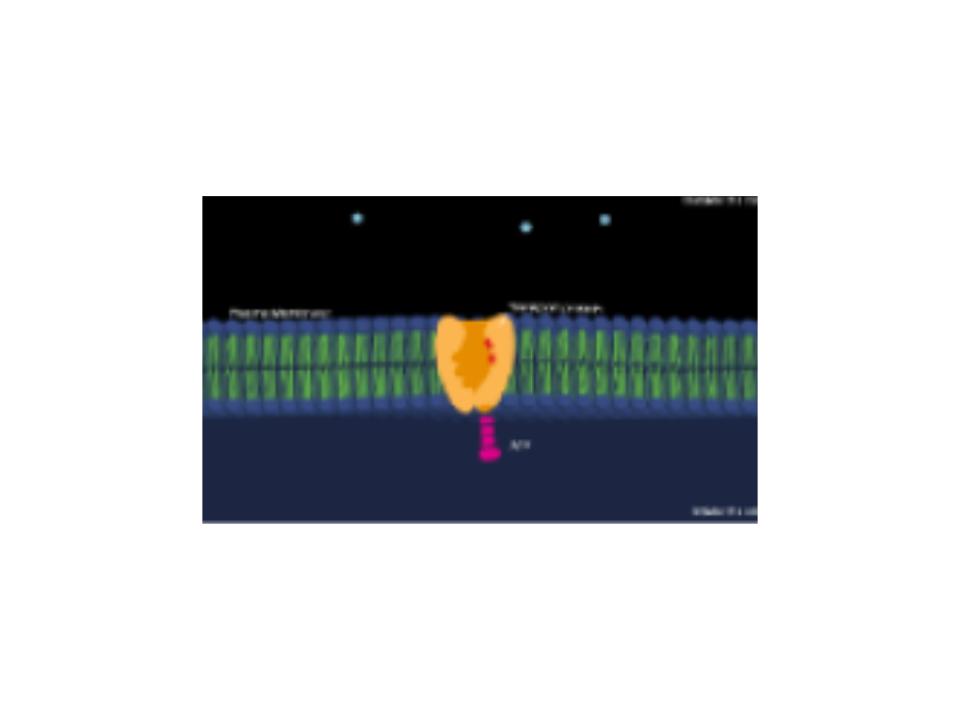
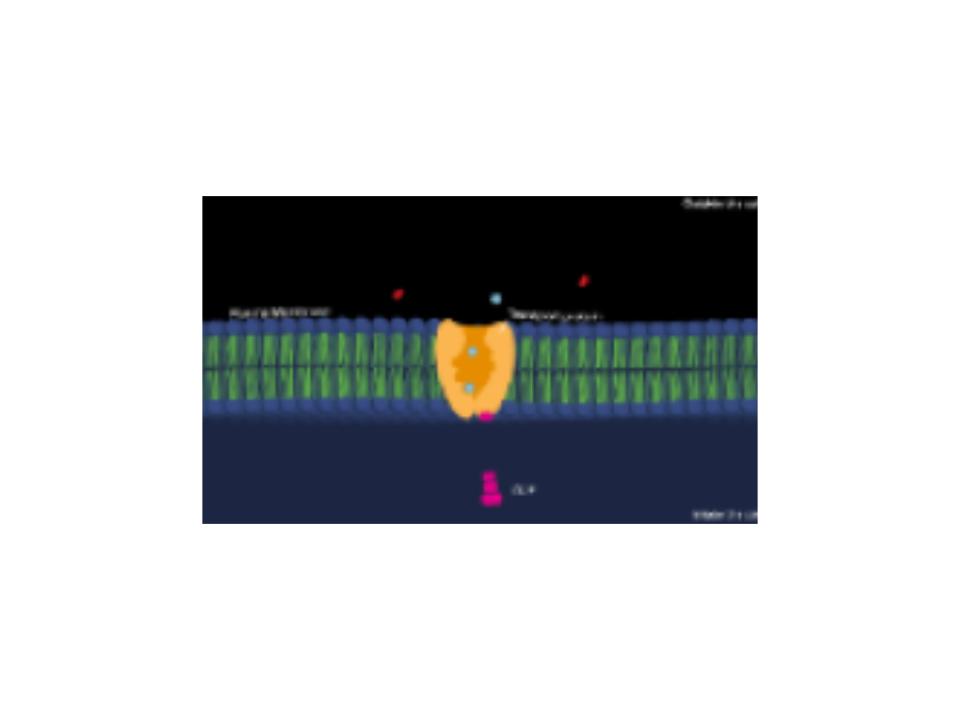
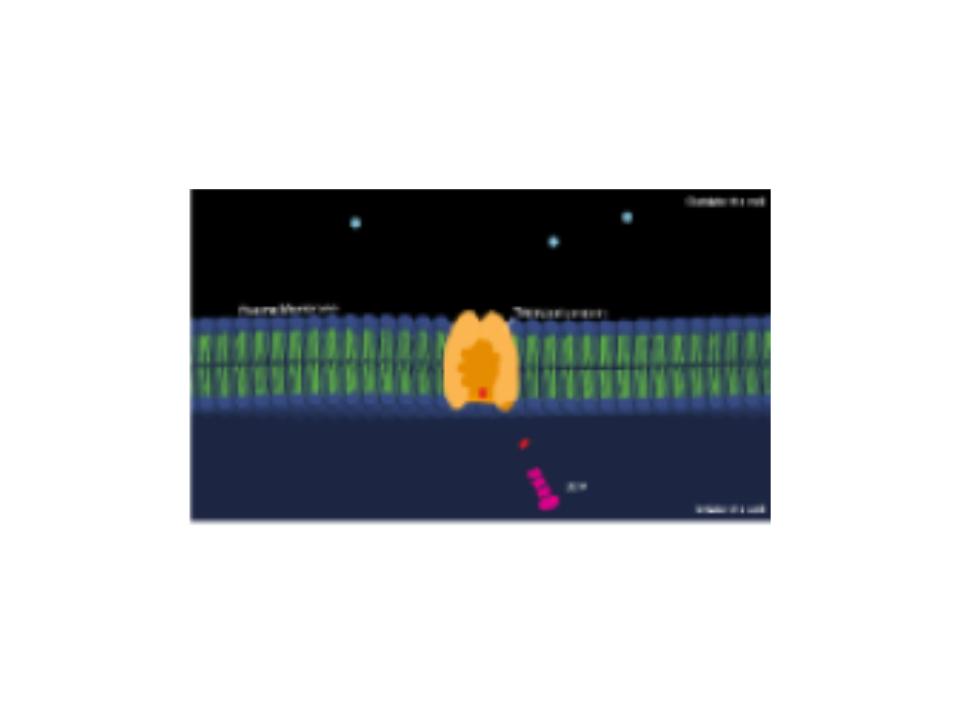
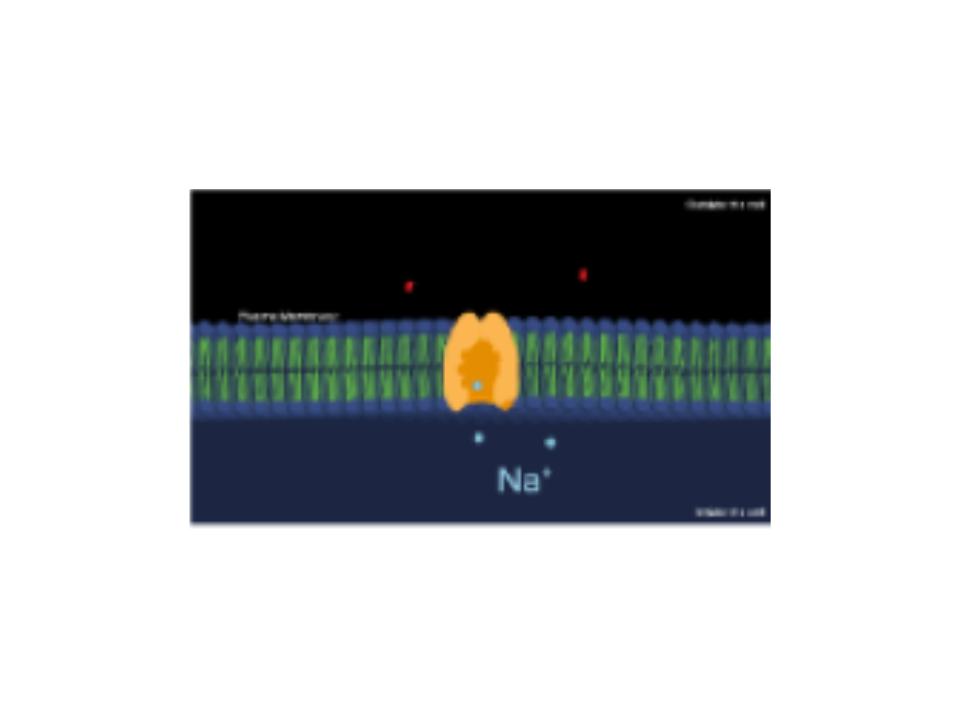
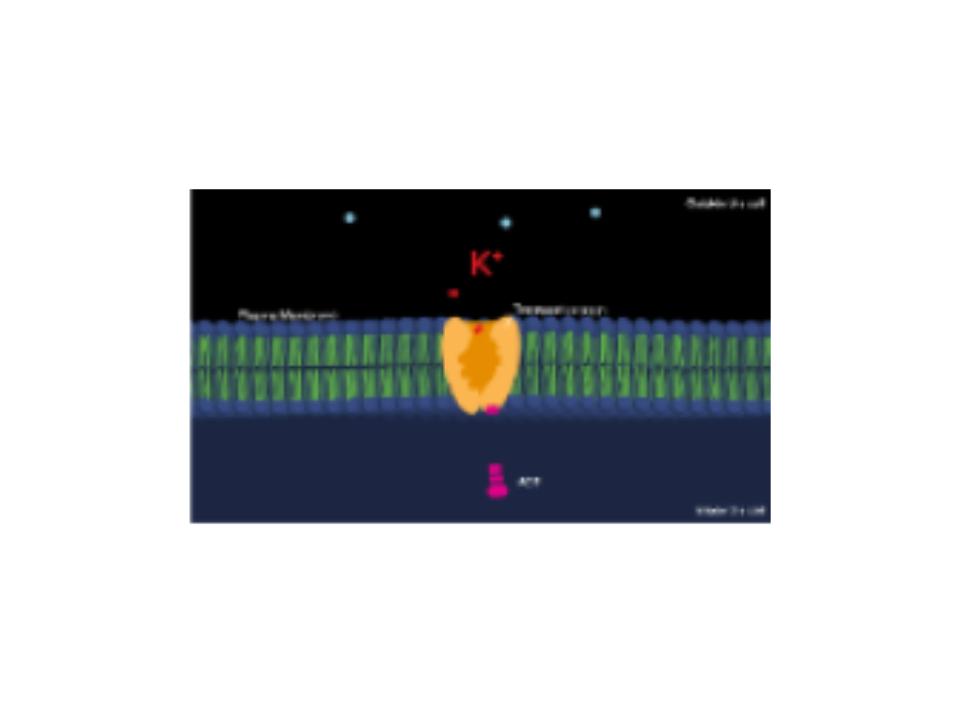
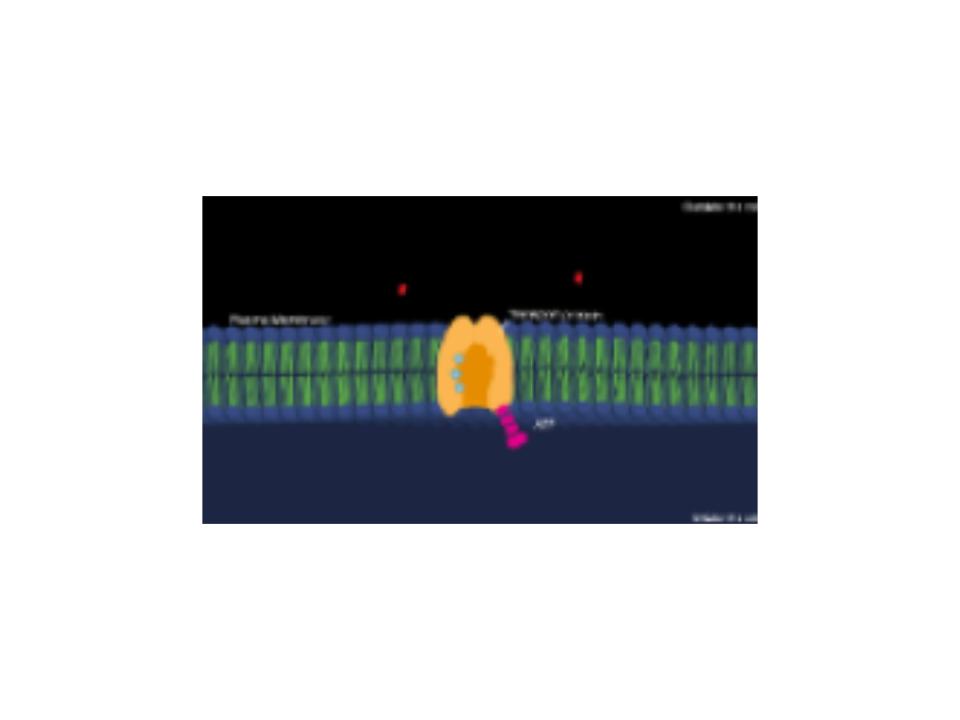
The sodium-potassium ATPase pump is an example of active transport, which requires energy to move substances from a higher concentration to a lower concentration.
Transport of Large Particles
Some substances are too large to move through the plasma membrane by diffusion or transport proteins; these substances must enter the cell by a different process. Endocytosis is the process by which a cell surrounds a substance in the outside environment, enclosing the substance in a portion of the plasma membrane.
Exocytosis is the secretion of materials at the plasma membrane. Exocytosis is the reverse of endocytosis. Cells use exocytosis to expel wastes and to secrete substances, such as hormones, produced by the cell.
Both endocytosis & exocytosis require input of energy.
Cells maintain homeostasis by moving substances into and out of the cell. Some transport processes require additional energy input, while others do not. Together, the different types of transport allow a cell to interact with its environment while maintaining homeostasis.
Vesicles are used
cell surrounds a substance and brings it inside
Cell expels waste at the plasma membrane
Process maintains homeostasis
Vacuoles are used
Requires active transport
too large to move through plasma membrane
Endocytosis
Exocytosis
Both