6th Grade Winter Benchmark Assessment

Last updated almost 2 years ago
21 questions
1

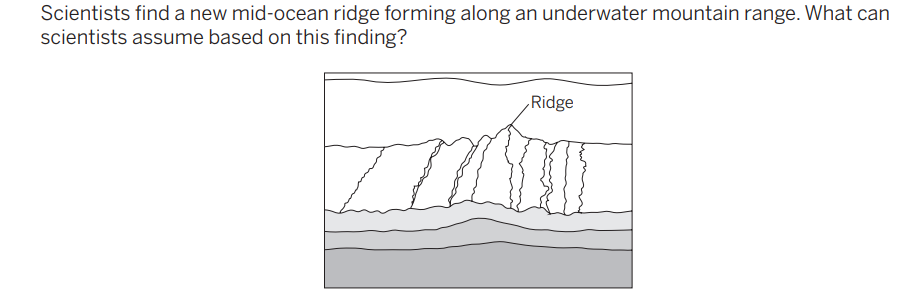
Scientists find a new mid-ocean ridge forming along an underwater mountain range. What can scientists assume based on this finding?

1

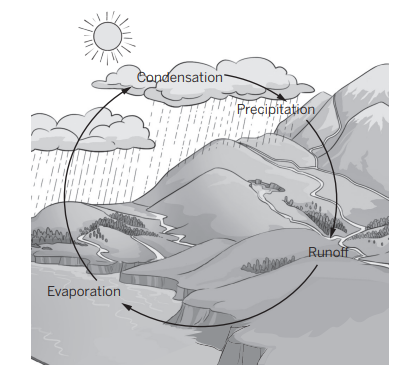
Changes in energy drive the water cycle, shown in the diagram.

Which Statement describes one way in which energy transfers through the water cycle?

1

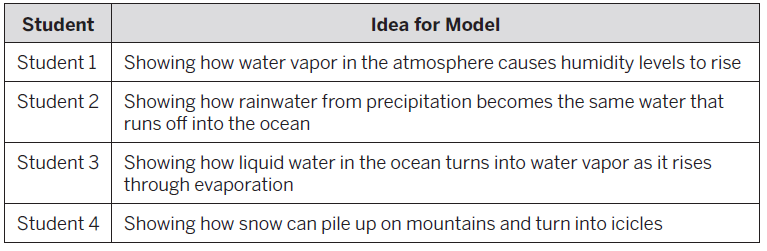
Four science students want to model how water changes its state as it moves through its cyclical process on Earth. Each student has a different idea for ways to model this, as shown below.

Which Student's idea would best show this concept?

1

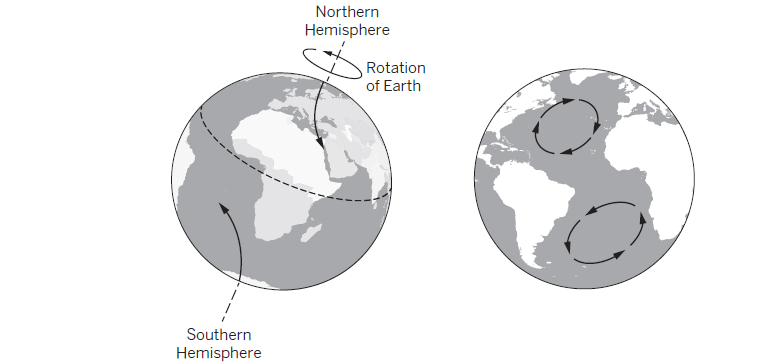
The Coriolis effect is a result of the rotation of Earth. It has a direct impact on the directions of Earth's winds, as shown in the diagrams below. Northern Hemisphere winds are deflected to the right, and Southern Hemisphere winds are deflected to the left.

How does the Coriolis effect impact Earth's climate?

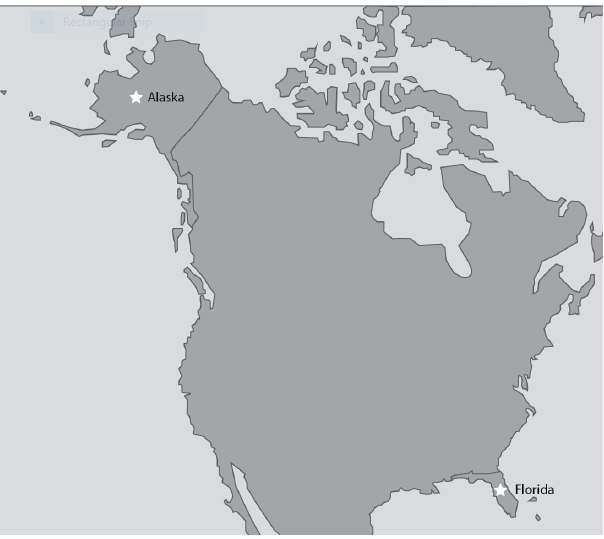
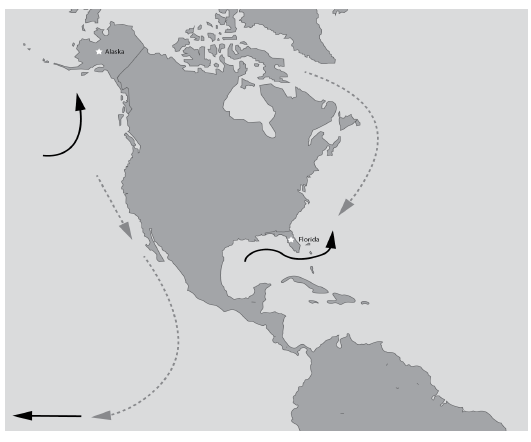
A science class is studying climates in different parts of the United States. They learned that
Florida and Alaska have very different climates year round. The map below shows the locations
of Alaska and Florida.
1

Which of the following is the correct relationship between energy, sun, and the air?

1

Which location, Florida or Alaska, gets more energy from the sun? Explain.

1

You want to live in a city in Florida where the temperatures are relatively stable. Would you
choose a coastal city or one inland, one that is away from any water body? Explain.

1

How do the currents off the coast of Florida and Alaska compare?

1

Nasha left a hot bowl of soup in a cool room. Her friend tells her that her soup will get cold if she forgets to eat it. How cold could it get?

1

Sonya put a glass of water on the table and left the room. When she came back, she found water drops on the outside of the glass. Where did the water on the outside of the glass come from?

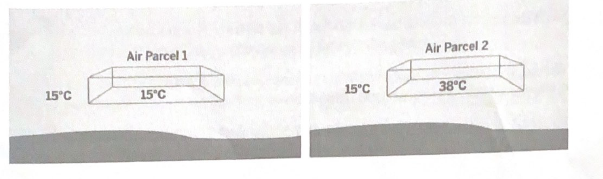
Air Parcel 1 is at the same temperature as the surrounding air. Air parcel 2 is warmer than the surrounding air. Air Parcel 1 and Air Parcel 2 started with the same amount of water vapor in them.
1

Which air parcel will have more rainfall and why?

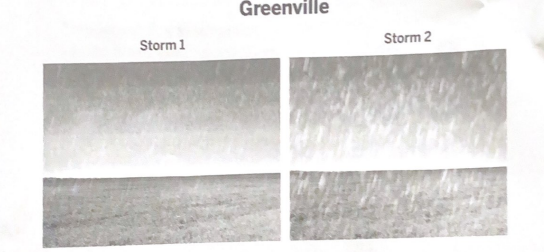
The town of Greenville had two rainstorms in March. Storm 2 had more rainfall than Storm 1. The temperature of the surrounding areas was the same before both storms.
1

What could explain why Storm 2 had more rainfall than Storm 1?
Before Storm 2, the air parcel at the surface could have been:

1

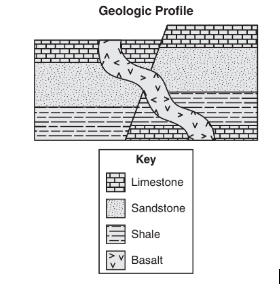
What evidence from the profile would a scientist use to support the claim that the basalt layer is younger than the other rock layers?

1

Which observation best supports your answer to Part A?

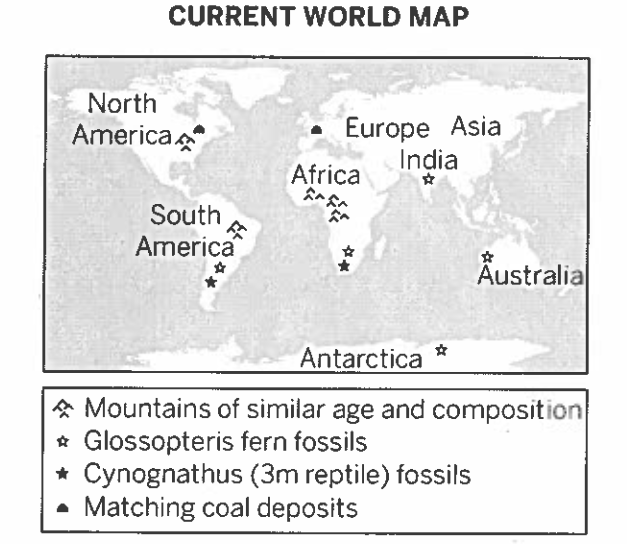
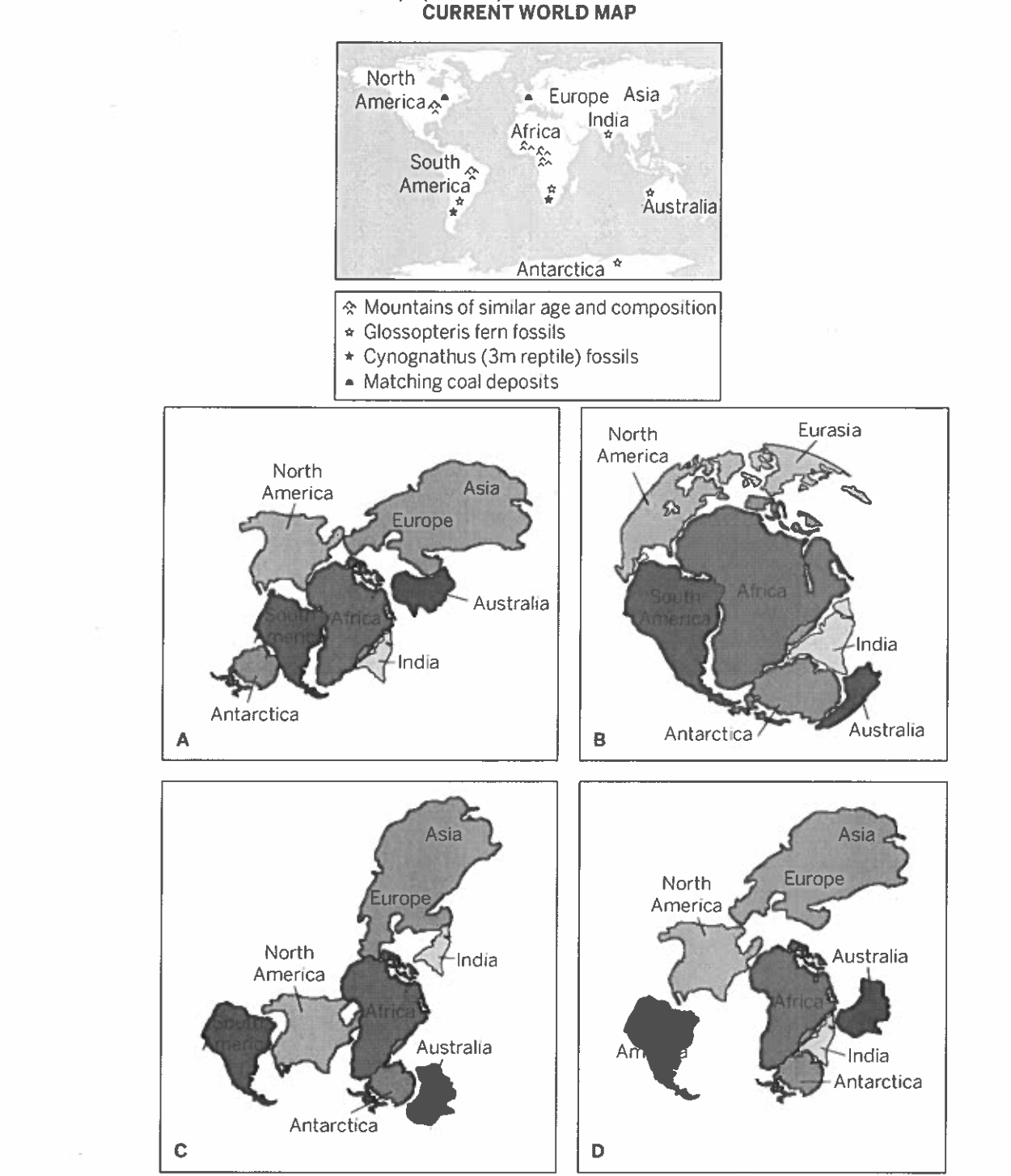
Some of the evidence of how the arrangement of the continents may have changed over time is illustrated in the current world map shown.
1

Compare the current world map on the previous page to the four maps above showing what Earth might have looked like millions of years ago. Based on the fossil distribution in the current world map, which of these is most accurate?

In this performance task, you will answer five questions.

A geologist is giving a lecture to help people understand why fossils are sometimes found in
unexpected places. This includes fossils of fish found in tall mountains and fossils of tropical
plants found in deserts. She will also discuss why the same fossils are found in different
locations thousands of miles apart and why they are not found in some places at all. She begins by explaining that Earth's surface is made up of many large slabs known as plates, which are constantly moving although very slowly. The movement of Earth's plates is known as plate tectonics. This movement helps explain why some fossils are found in strange places.
16-17
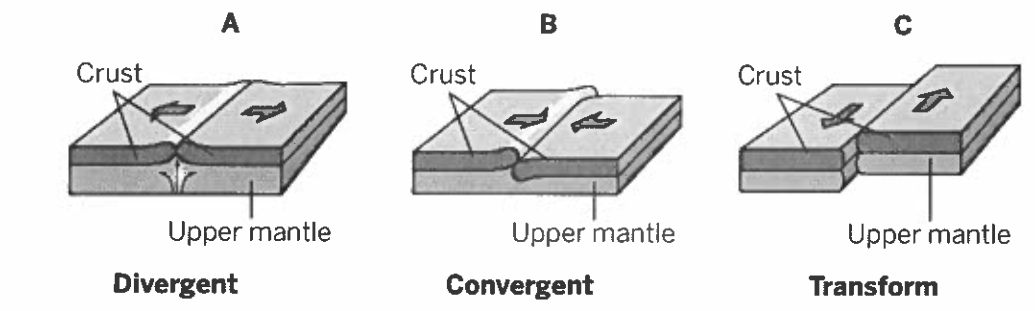
When plates meet, one plate will often slide beneath a second in a process called subduction, causing the second plate to push upward. Because of great pressure. the hard rock of the plate that sinks is often destroyed, along with any fossils contained in that part of the plate. At other times, plates will pull apart or slide alongside each other.
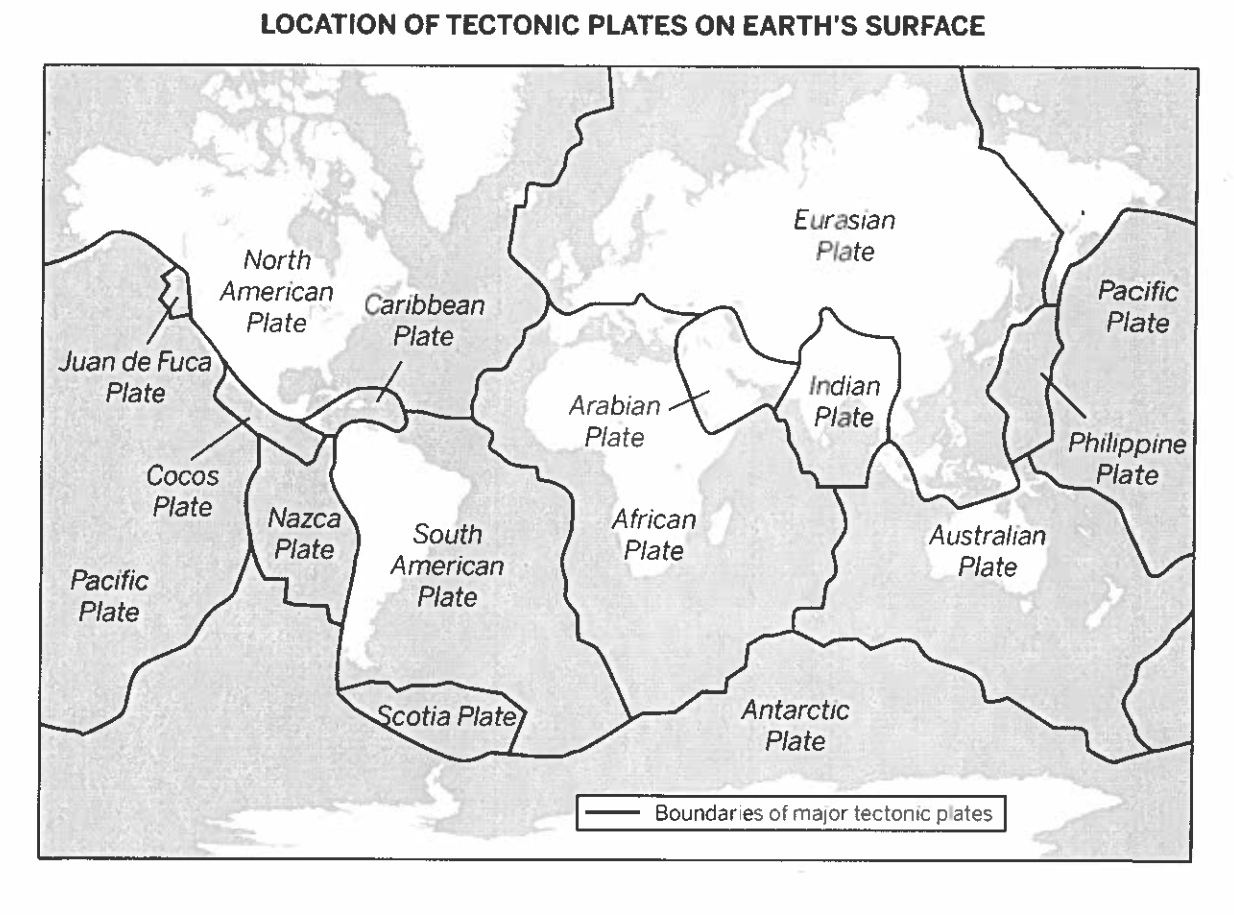
Examine the map on the previous page and the diagrams below closely to answer the following questions.
Fossils of the same animals found along the east coast of South America are found on the west coast of Africa. These are fossils of land animals that cannot swim long distances.
1

Which of the following statements is true?

1

Which observation best supports your answer to Part A?

The geologist next wants to explain why fossils of some fish are found high in the mountains. Not
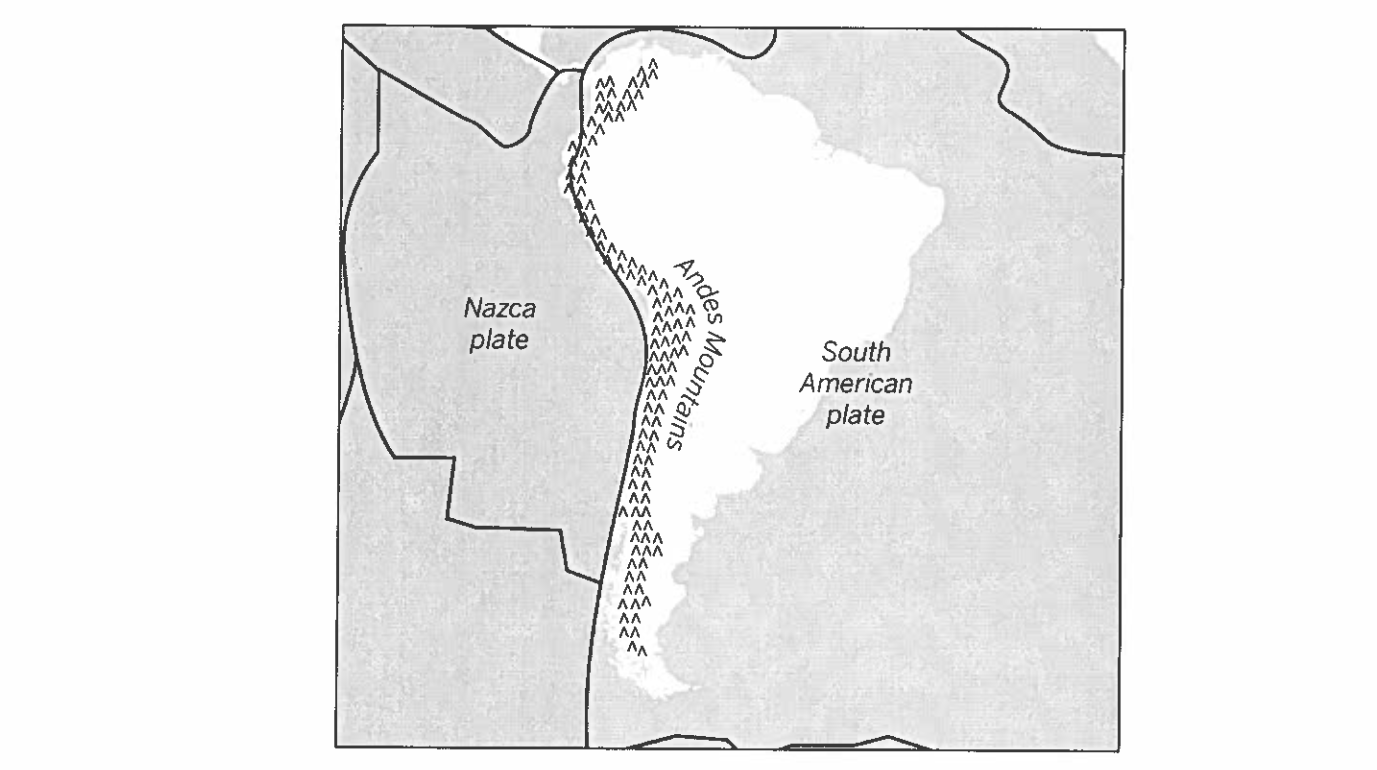
far from the west coast of South America is a mountain chain called the Andes Mountains. The
average elevation of the Andes Mountains is 3,962 m (13,000 ft). High in the Andes Mountains,
many fossils of whales, fish and other marine life have been found.
To help you understand how fossils of marine life are found high in the mountains, study the map,
and answer the question that follows.
1

How did marine fossils come to be high in the Andes Mountains? Choose all that apply

Next, the geologist wants to explain why some locations have very few fossils or none at all. In a
few places, there are hot spots in Earth's crust. These are volcanic areas that do not exist along
the perimeter of the Pacific Plate. Instead they occur where convection currents inside Earth
cause heated magma to rise to the surface. As a plate moves over a hot spot, volcanoes can
erupt. Examples of hot spots include Iceland and Hawaii.
The Hawaiian Islands formed from massive lava flows that created a series of islands over
millions of years. The oldest and smallest of the state's large islands is Kauai, which formed
about five million years ago, while the largest and most active is the island of Hawaii.
Examine the map, and then complete the activity that follows.
1

Hawaii has very few fossils. Look at the map, and consider what you have learned so far. Explain why the island of Kauai is smaller than the island of Hawaii and why there are so few fossils on any of the islands.

In this performance task, you will answer 5 questions.
Students in a science class model gravity. Their model will show how gravity causes objects in
our solar system to move in relation to each other.
Teams of students take turns with the modeling. They show how less massive things in our solar
system orbit around more massive things.
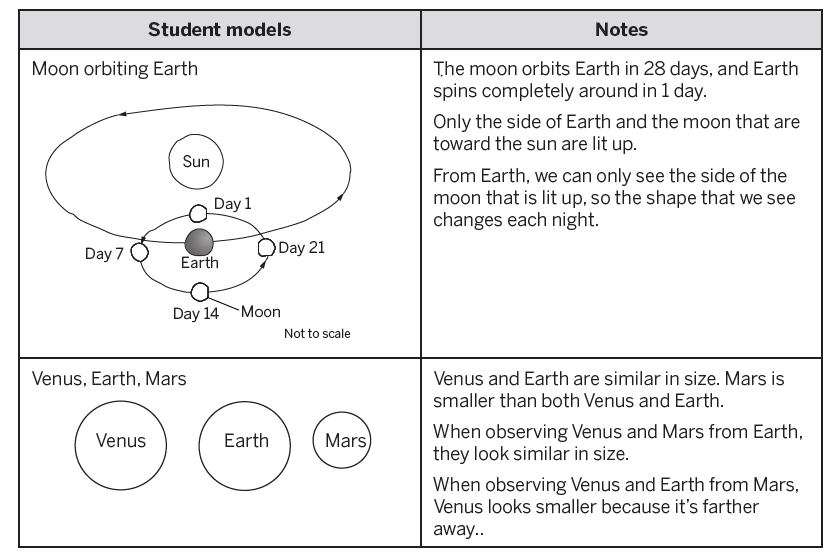
Students make sketches of the models. They take notes to help them understand how their
models compare with what we see in the sky from Earth. Examples of student sketches are
shown below.
1

Consider how the moon appears in orbit around Earth in your class model. You look up the radius
of Io’s orbit and Jupiter’s diameter. Your determine that the 8 p.m. sketch shows that Io is one
Jupiter radius distant from the planet. The 6 a.m. sketch shows that Io is almost directly between
Jupiter and Earth. Based on your evidence, you conclude that Io has traveled about a quarter of
its orbit around Jupiter while you were photographing it.
Select all of the statements that are true.

1

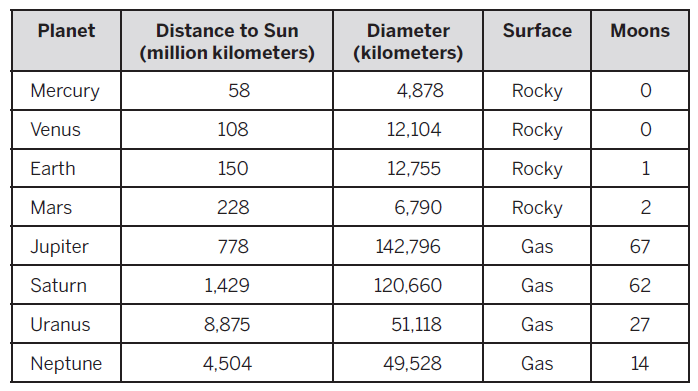
Make a general comparison of those planets closer to the sun with those farther from the sun,
based on the data.