Ɛhia
1
Ɛhia
1
Ɛhia
1
Ɛhia
1
Ɛhia
1
Ɛhia
1
Ɛhia
1
Ɛhia
1
Standards
MLI.IP1 The students exchange simple spoken and written information in the target language, utilizing cultural references where appropriate.
MLI.P1 The students present information orally and in writing that contains a variety of vocabulary, phrases, and patterns.
Learning objective
I can describe what I and others do.
Match the sentences in Spanish with their English equivalents.
| Draggable item | arrow_right_alt | Corresponding Item |
|---|---|---|
Filiberto es un estudiante inteligente. | arrow_right_alt | This is a boy called Filiberto. |
¡La clase de español es fenomenal! | arrow_right_alt | Filiberto is an intelligent student. |
Este es un muchacho que se llama Filiberto. | arrow_right_alt | Filiberto says to Julia, |
Filiberto le dice a Julia: | arrow_right_alt | The Spanish class is phenomenal! |
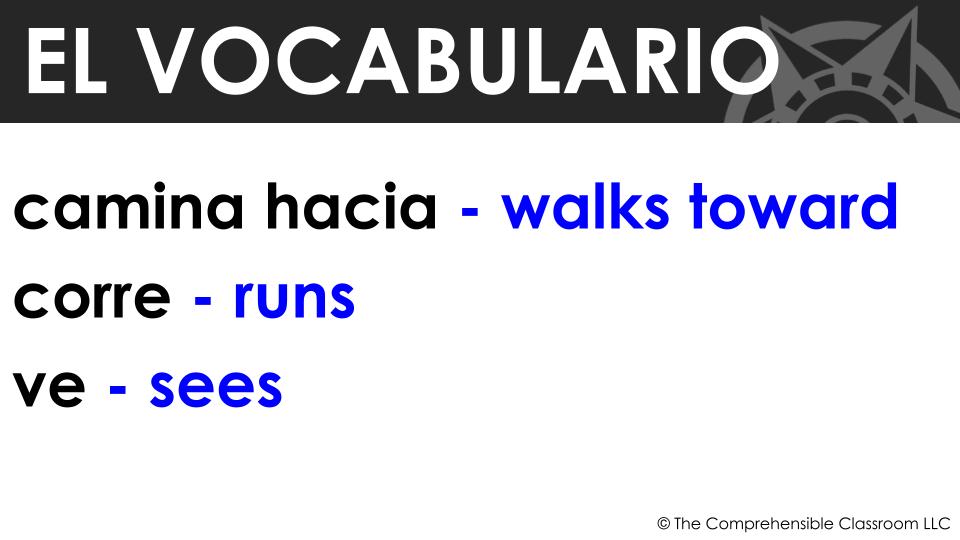
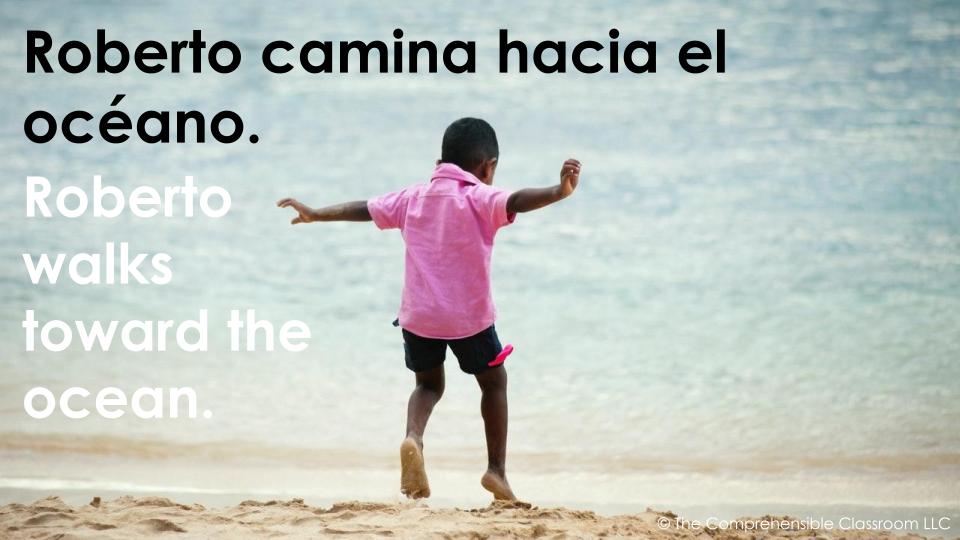

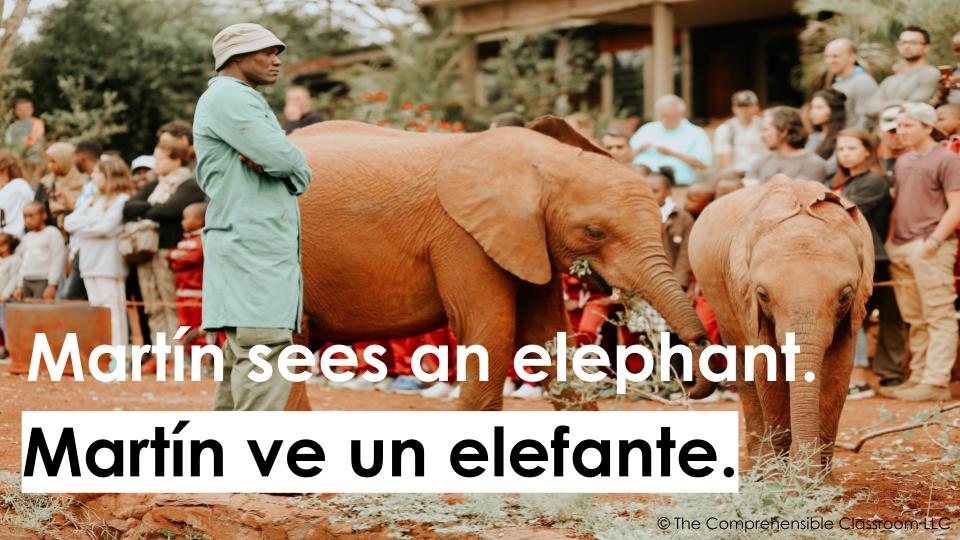

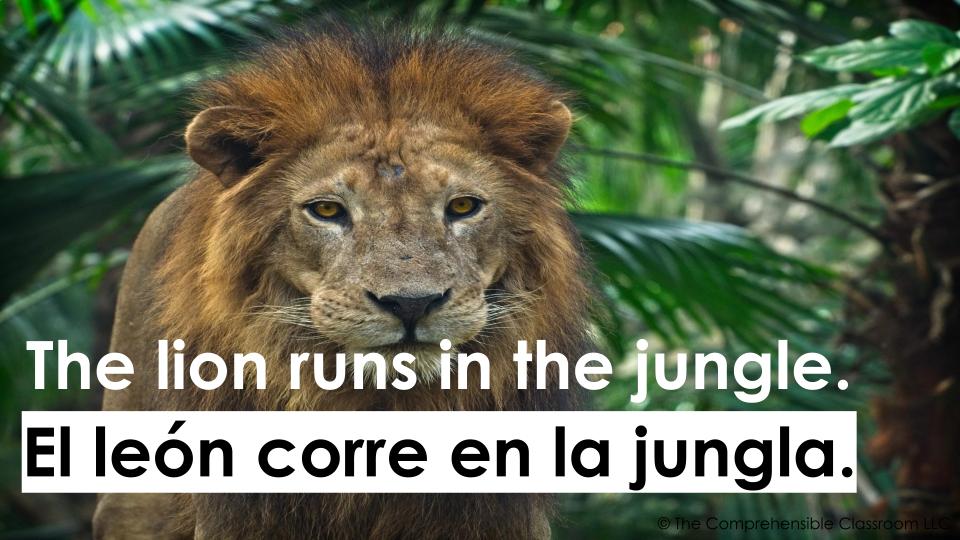
Esta es una muchacha. Se llama Silvia. Silvia camina a la escuela. Ella ve a un muchacho. Ella le dice: «¡Hola!»
Which sentence does NOT appear in the story?
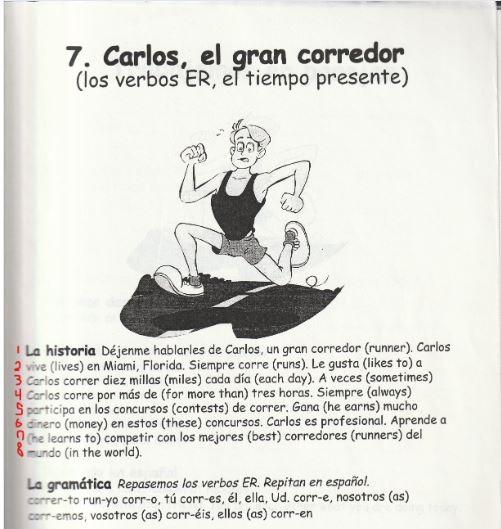
¿Qué es Carlos?
¿Dónde vive Carlos?
¿Qué distancia corre Carlos cada día?
¿Qué gana Carlos?
¿Qué aprende Carlos?
¿En qué participa Carlos?
Choose the correct translation of "Carlos runs a lot."
Choose the correct translation of "I learn to run."