A biologist is observing an organism under a microscope and concludes that it is a unicellular
organism.
Which of the following observations provides the best evidence that this organism must be unicellular,
not multicellular?
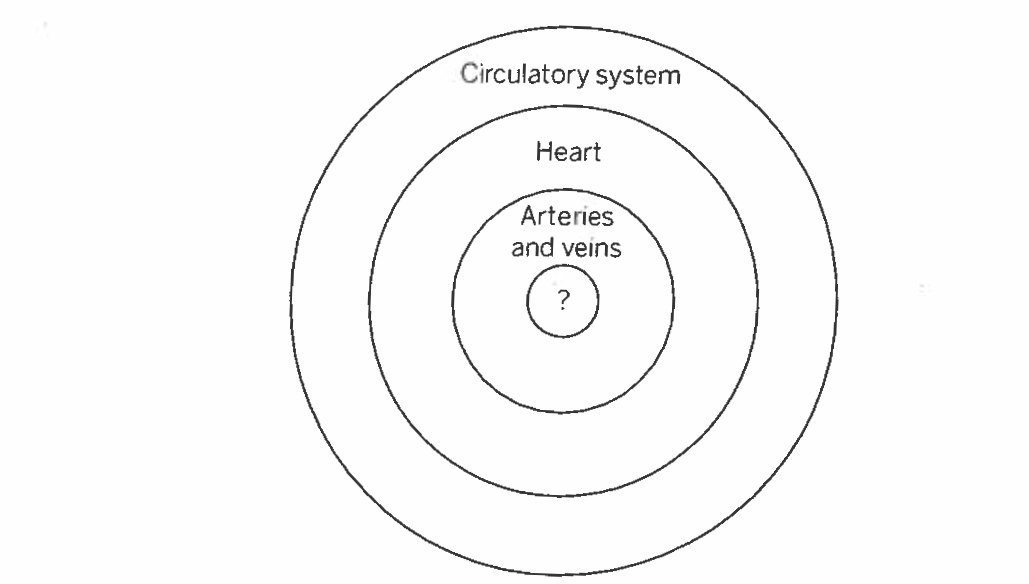
A student is making a model of the cardiovascular system, showing the different components, or levels, that make up this system.
Which component of the system is indicated by the question mark (?) in the model?
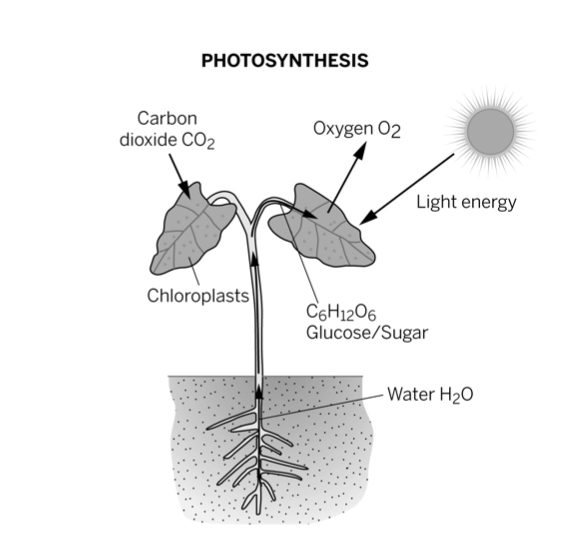
The image above shows how a plant uses light energy to make food. Choose the statment that best describes the chemical process of photosynthesis.
A person's senses rely on sensory receptors. These are specialized cells in the nerves that respond to mechanical, physical or chemical stimuli. Sometimes, multiple stimuli are needed for the sensory receptors to work. All of this sensory information is transmitted to the brain.
Which of the following is most likely a chemical sensory stimuli?
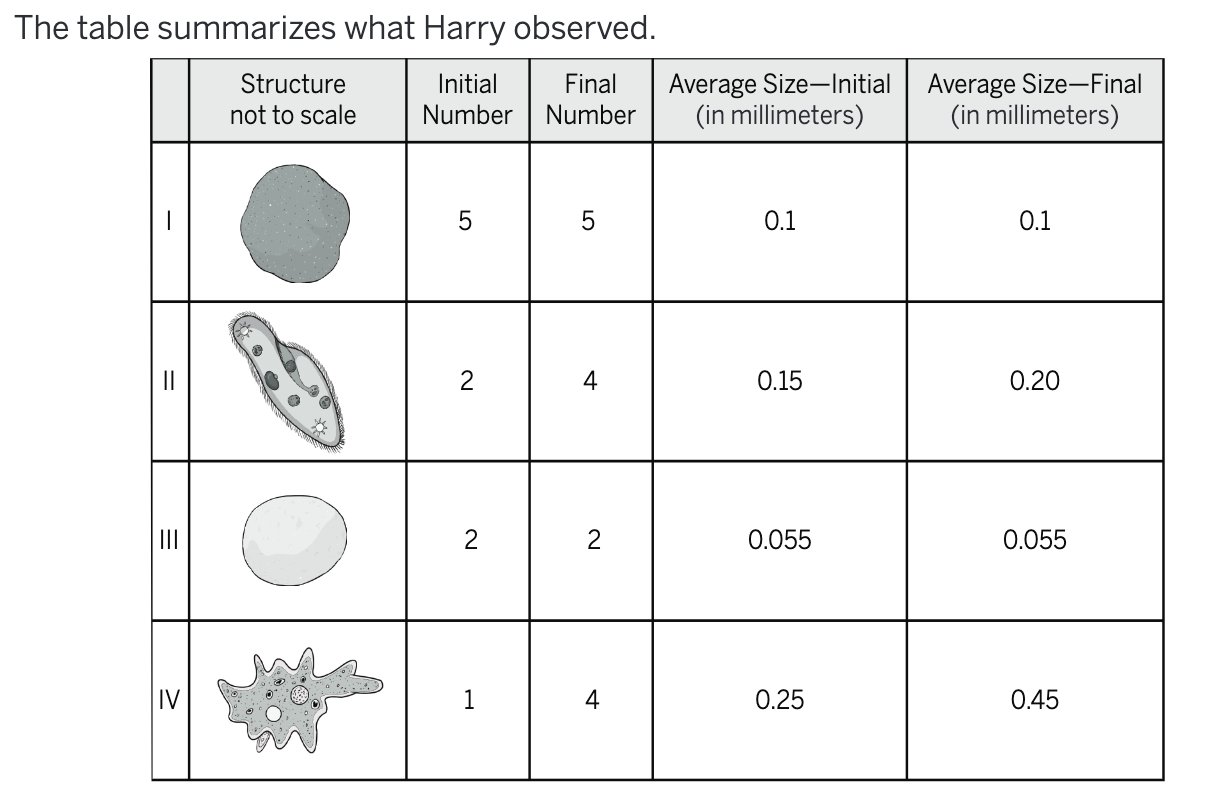
Harry examines a drop of pond water under a microscope. He draws pictures of structures
that he observes, counts them, and measures their sizes. Eight hours later, he comes back
and observes the same drop again. He counts the structures and measures their sizes.
Which of the structures is likely a living thing? Select the two correct answers.
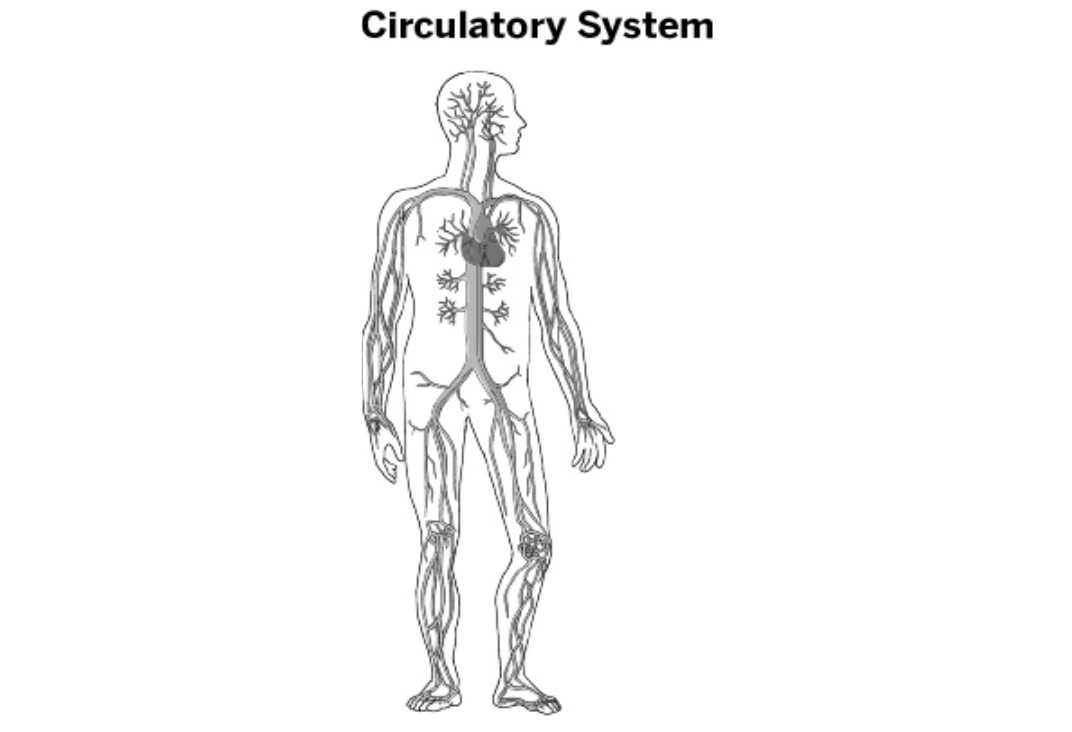
Which body systems work together when Tom lifts a book off the table? Select all that apply. Only choose systems directly involved in lifting the book.
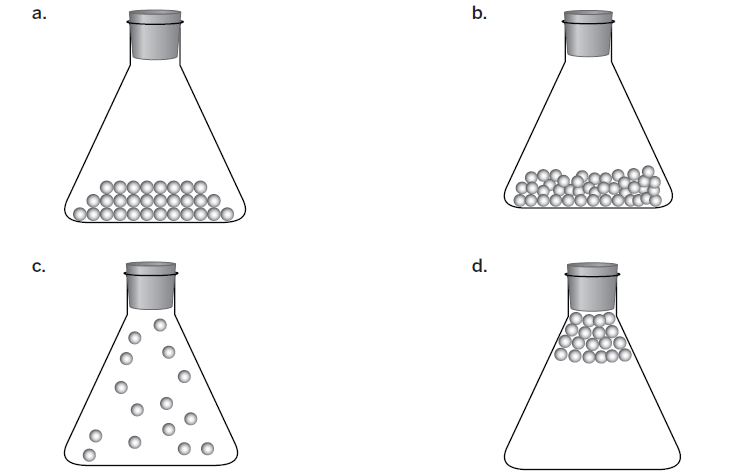
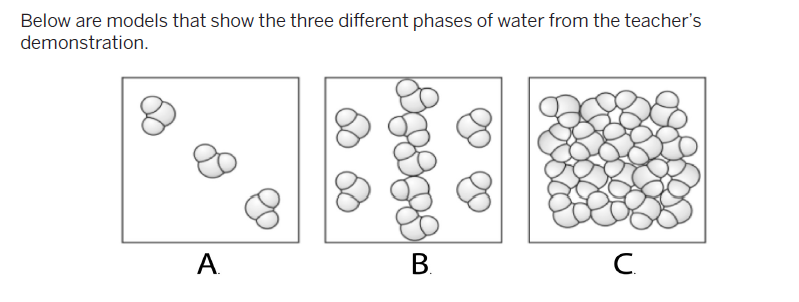
Students are studying various forms of matter. They just finished studying solids, liquids, and
gases. Now they must draw a model that represents their observations. Which model best
represents what happens to gas molecules
in a closed container?
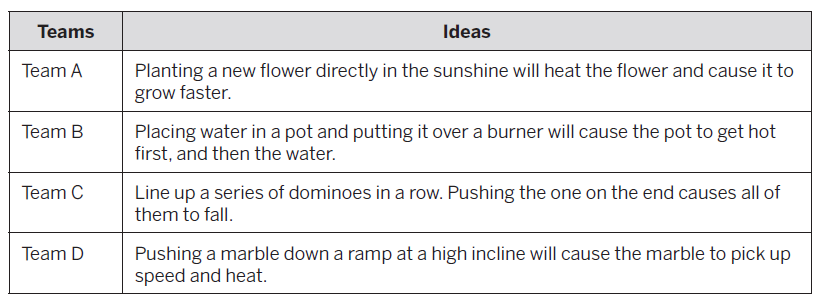
Mr. Teja’s class is studying thermal energy transfer. The class has been divided into four teams. Below is a description of each team’s idea for representing thermal energy transfer.
Which team has the best example of thermal energy transfer?
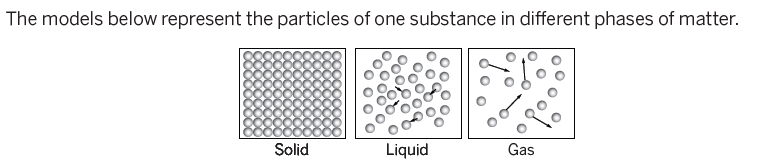
Select the answer that best describes the relative thermal energy among the states of matter.
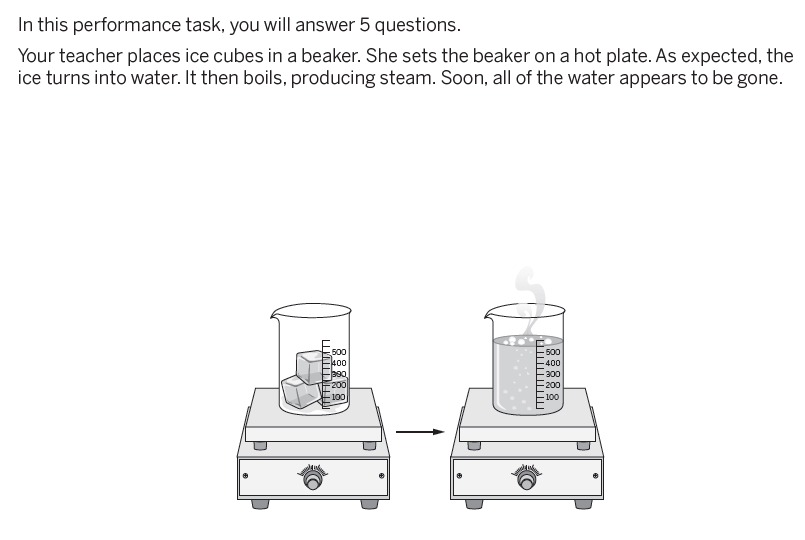
In which state are the molecules moving the fastest?
Your teacher demonstrates one more way in which molecules behave when they are heated.
She carefully warms a sealed plastic water bottle using a hand warmer. As the bottle of water
gets warmer, the container changes. Select the best explanation of what happens as thermal
energy increases.
What is the evidence for your answer(s)? Select the two best answers.
How do the systems work together to help Tom to lift the book?
The teacher asks the students if it’s possible for the molecules in her demonstration to
eventually stop moving. Which of the following student responses is the most accurate?
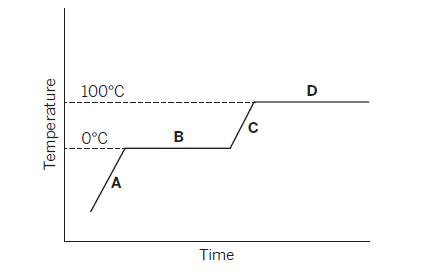
Once again, your teacher puts ice cubes in a beaker and sets it on a hot plate. This time, the class records the temperature of the contents of the container at various points during the melting
and boiling processes.
The melting point of water is 0°C, and the boiling point of water is 100°C. Explain why the
temperature increases in Segments A and C but not in Segments B and D. Use concepts relating
to thermal energy in your answer.