Log in
Sign up for FREE
arrow_back
Library

Seagulls & Tilapia Activity

star
star
star
star
star
Last updated 3 days ago
15 questions
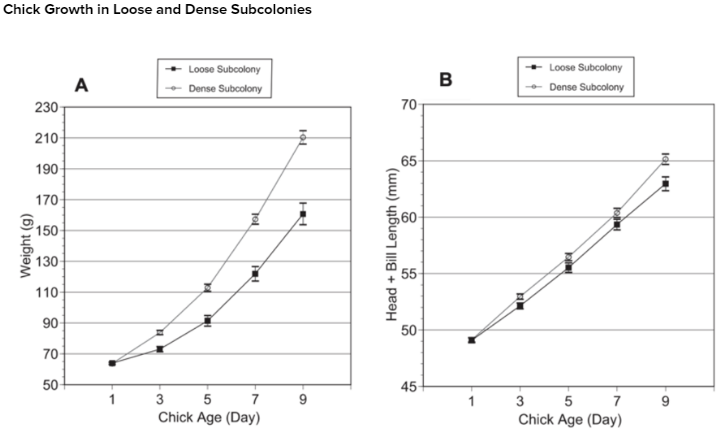
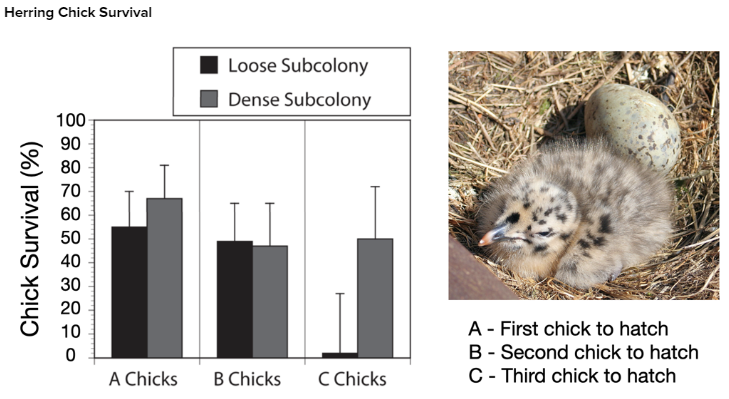
The scientists from Cornell constructed the following explanation in their research article. “Our results suggest that pairs of seagulls nesting in dense subcolonies benefit through chicks' greater growth rate and survival.” (In other words, "Our data shows that seagulls who create nests in dense subcolonies are able to have greater reproductive success as shown by their offspring's increased growth and survival rates."

In the next three questions, use an argument based on evidence to support or refute their explanation.
2
2
2

The Gulls of Appledore Island

Background
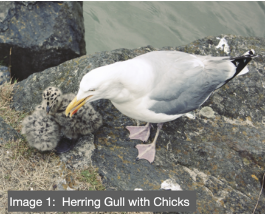
Appledore Island (source) is located six miles off the coast of Maine. It is the breeding ground of two species of gull. The gulls nest on the island to avoid predators, like racoons, found on the mainland.

As shown in Image 1 the Herring Gulls (commonly known as seagulls) nest in dense or loose subcolonies across the island (source). (Either they build their nests close to each other or far away from each other.) Herring Gulls normally lay three eggs in each nest.
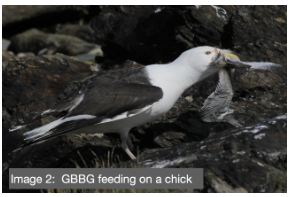

Great Black Backed Gulls (GBBGs) also nest on Appledore Island. They are the largest gull in the world and are more solitary, spreading their nests across the island. GBBGs feed on mussels, crabs, sea urchins, and will also feed on young Herring Gull chicks (source) as shown in the image to the left..


Investigating Subcolony Size
Scientists from Cornell University have recently been investigating how the subcolony type (dense or loose) affects chick growth and chick survival in the Herring Gull. (Source)
2
Question 1
1.
In regards to this research, what is the cause and effect relationship being investigated?
Cause:_______ --> Effect: _______
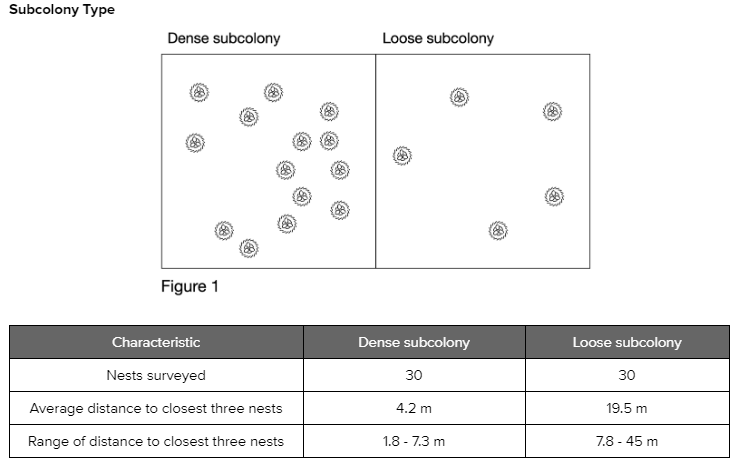
The Data:


2
Question 2
2.

Based on the data in the "Subcolony Type" Graph, what patterns do you see when comparing Loose and Dense subcolonies? Be sure to use data from the figure to support your answer.

2
Question 3
3.

Based on the data in the "Chick Growth" Graph, what patterns do you see when comparing the growth rate of seagulls in the Loose or Dense subcolonies? Be sure to use data from the figure to support your answer.

2
Question 4
4.

Based on the data in the "Chick Survival" Graph, what patterns do you see when comparing the survival percentage chicks in Loose and Dense subcolonies? Be sure to use data from the figure to support your answer.

Question 5
5.

Claim:

Question 6
6.

Evidence:

Identify the given evidence (data) that supports the claim. Basically, what data have you seen in the graphs above that help to support or refute this claim?

Question 7
7.

Reasoning and synthesis:

Use reasoning to connect the appropriate evidence (data) to the claim. Describe the chain of reasoning in your argumentation. Basically, explain how the data you chose to discuss in question 6 supports/refutes the claim made here.

Future Fish Farmers of Malawi

Background

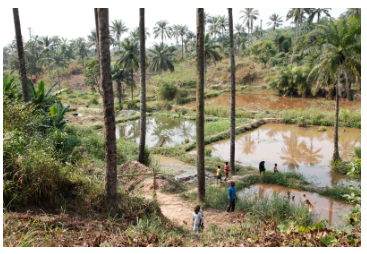
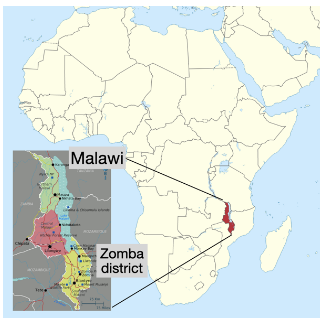
Aquaculture (fish farming) shows great potential in the Zomba district of Malawi, Africa (source). Scientists designed an experiment to study the effect of pond structure (size, depth, etc.) (source), like those shown to the right, on fish growth.

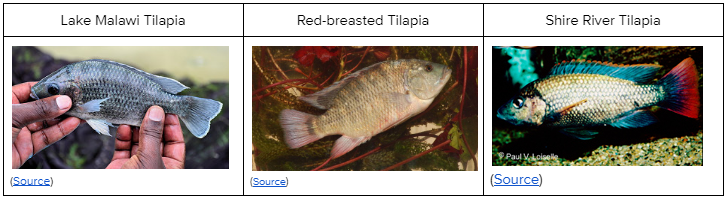
The researchers (source) added one of three species of Tilapia (shown below) to ponds of varying size and depth. The ponds were fertilized with chicken manure and the fish were fed a supplement of corn bran. The average weight of fish in the ponds were measured monthly for a total of six months.

You will be using the evidence collected in this investigation to explain how genetic and environmental factors affect growth. You will also be making recommendations to future fish farmers of Malawi on fish and pond type.

Tilapia Species

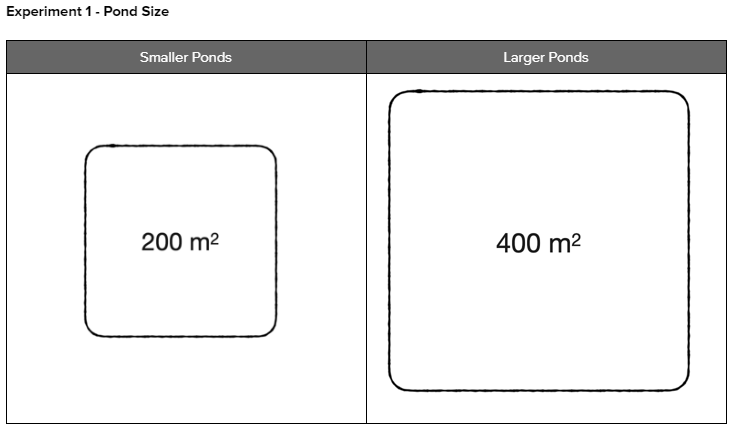
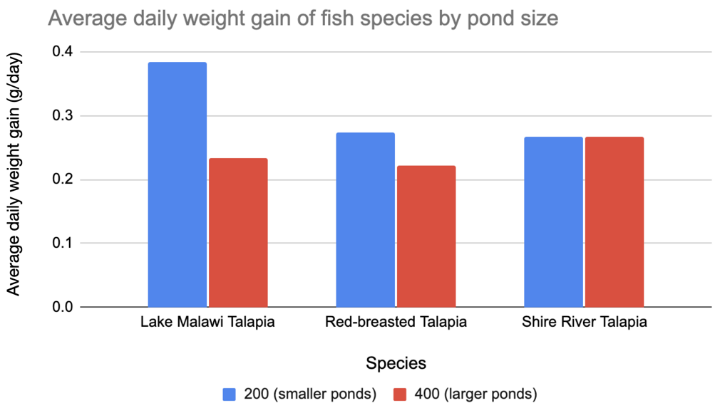
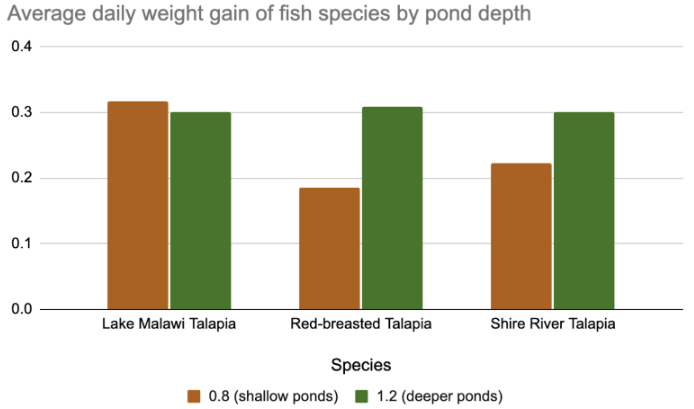
Data for Experiment 1:


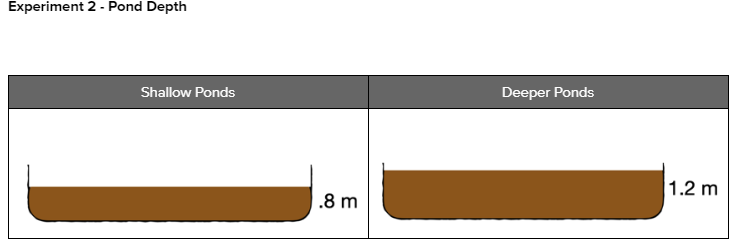
Data for Experiment 2:


2
2
2
2
2
2
2
2
Question 8
8.
In regards to this research, what is the cause and effect relationship being investigated in Experiment 1?
Cause:_______ --> Effect: _______
Question 9
9.

Describe the results of Experiment 1. What are some patterns that you saw between the cause and effect? Be sure to use data from the figure to support your answer.

Question 10
10.
In regards to this research, what is the cause and effect relationship being investigated in Experiment 2?
Cause:_______ --> Effect: _______
Question 11
11.

Describe the results of Experiment 2. What are some patterns that you saw between the cause and effect? Be sure to use data from the figure to support your answer.

In the next three questions, use an argument based on evidence to answer the following question.

What factors affect the growth of Tilapia species in the experiment?
Question 12
12.

Claim:
What factors affect the growth of Tilapia species in the experiment?

Question 13
13.

Evidence:

Identify the given evidence (data) that supports the claim. What data from these graphs are you going to use to back up your claim?

Question 14
14.

Reasoning:

Describe a chain of reasoning linking the evidence to your claim. Explain how the data you chose to discuss in question 13 supports your claim.

Question 15
15.

What recommendations/suggestions would you make to the future fish farmers of Malawi? (What size/depth of pond should they build? What type of fish should they grow? etc.) Explain your thinking.