Historia de la Historia Afro-Americana y Afro-Latina
star
star
star
star
star
Last updated about 2 years ago
9 questions
1
Historia de la Historia Afro-Americana y Afro-Latina
Febrero es el Mes de la Historia Afroamericana y es un momento para celebrar a los afrolatinos y la cultura afrolatina.
February is Black History Month, and it is a time to celebrate afrolatinosand afrolatino culture
Mire el siguiente video paraconocer más sobre el Mes de la Cultura Afrolatina y la Historia Afroamericana en América Latina
Watch the following video to learn more about The Afro-Latino Culture and Black History Month in Latin America
Question 1
1.
Mira el siguiente about "Afro-Latinos in Mexico" vídeo y responde las preguntas.
Watch the following video and answer the questions.
Trim End | 02:02
Question 2 | 00:46
Question 3 | 01:00
Question 4 | 01:21
00:00/00:00
Question 2
00:46
keyboard_arrow_down
1
Question 3
01:00
keyboard_arrow_down
1
Question 4
01:21
keyboard_arrow_down
1
1
Cumbia Colombiana
Mira el siguiente Video
Watch the following Video
Samba Brasileña
Samba is a music genre and dance style that originated in Brazil, with its roots traced back to West Africa through the slave trade and religious traditions of Angola and Congo. It evolved from the samba de roda genre of Bahia, a northeastern state in Brazil. Although there were different forms of samba in Brazil, samba as a music genre is considered to be originally an urban expression of Rio de Janeiro, which was then the capital and largest city of Imperial Brazil.
Escucha la Samba de Brasil
Listen to the Brazilian Samba
1
1
1
Proyecto #1
Rubrica
Rubric
Please review the rubric provided and respond to the following statement.
1
Question 9
9.
Entiendo muy bien la rúbrica del Proyecto de Baile en la clase de Español y no tengo duda de como obtener un 100 en esta tarea.
I understandthe Dance Project rubric in Spanish class very well and I have no doubt how to get a 100 on this assignment.
Proyecto #1Baile
Nombre de la canción: Magdalena (Brazil) Samba
Coreografía
Steps:Pasos
Mira el video Look at the video
Practica los pasos Practice the steps
Trabaja con un grupo Work with a group
Memoriza los pasos Memorize the steps
Baila la canción Magdalena con tu grupo de compañeros.
Dance to the Magdalena song with your group of classmates.
Proyecto # 2Baile
Nombre de la canción: Limbo
Coreografía
Difficult:Difícil
Steps:Pasos
Mira el video
Practica los pasos
Trabaja con un grupo
Memoriza los pasos
Baila la canción Limbo con tu grupo de compañeros.
Dance to the Limbo song with your group of classmates.
Challenging:Desafiante
Easy:Fácil
Proyecto # 3Baile
Nombre de la canción: GOZA by Chimbala
Coreografía
Difficult:Difícil
Steps:Pasos
Mira el video
Practica los pasos
Trabaja con un grupo
Memoriza los pasos
Baila la canción GOZA by Chimbala con tu grupo de compañeros.
Dance to the GOZAsong with your group of classmates.
Challenging:Desafiante
Proyecto # 4Baile
Nombre de la canción: Bonita
Coreografía
Difficult:Difícil
Steps:Pasos
Mira el video
Practica los pasos
Trabaja con un grupo
Memoriza los pasos
Baila la canción Bonita con tu grupo de compañeros.
Dance to the Bonita song with your group of classmates.
Challenging:Desafiante
Proyecto # 5Baile
Nombre de la canción: La Vida es un Carnaval
Coreografía
Difficult:Difícil
Steps:Pasos
Mira el video
Practica los pasos
Trabaja con un grupo
Memoriza los pasos
Baila la canción La Vida es un Carnaval con tu grupo de compañeros.
Dance to the La Vida es un Carnaval song with your group of classmates.
Challenging:Desafiante
Canción: "Pégate" de Puerto Rico
Mira la canción y la letra de la canción
Watch the song with the lyrics
After watching the previous video, connect the flag and the country's name and mark all the Latin American countries that celebrate Black History, along with the United States.
Question 2
2.
How did these girls learn the African Dances?
Question 3
3.
It is a well-known fact in Mexico that there are people of African descent who are of Mexican nationality.
Question 4
4.
Why do these girls perform in front of people of different ethnicities?
La Música Afro Latina en México, el Caribe, España y Sur América.
1. Salsa
La salsa se originó en Cuba a principios del siglo XX. Inicialmente fue creado mezclando música son cubana y rumba latina. Aún así, con el tiempo, la salsa moderna ha incorporado otros géneros como el mambo, el cha cha cha y ritmos puertorriqueños como la bomba y la plena.
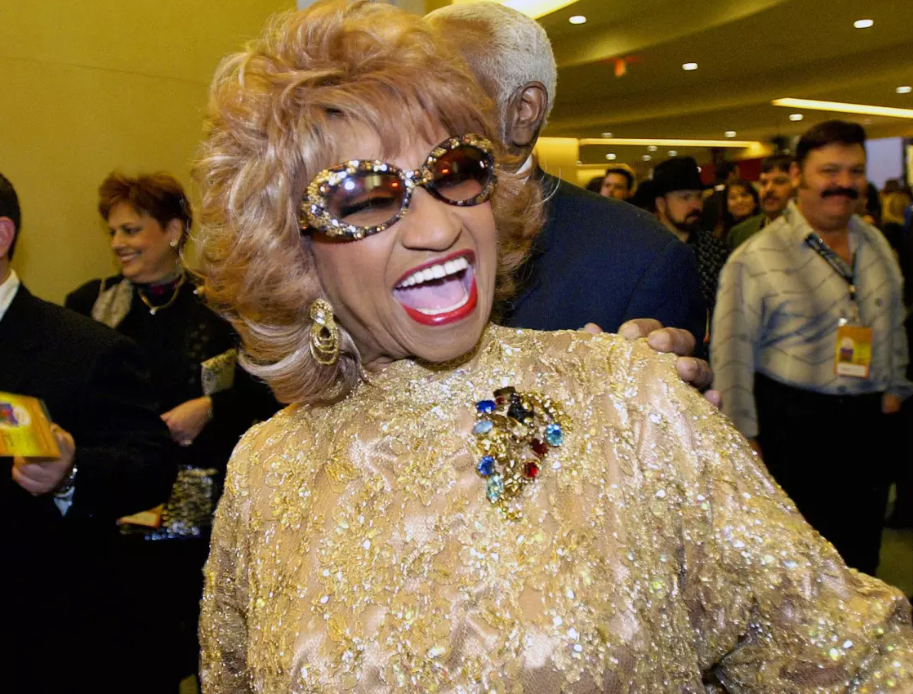
Celia Cruz Singer
Canción La Vida es un Carnaval
Song Life is a Carnival
2. Merengue
Merengue is to the Dominican Republic and salsa is to Cuba. Considered the Dominican national dance, merengue is another example of Afro-Latin American music, as it combines the African and the French Minuet to create something original and upbeat.
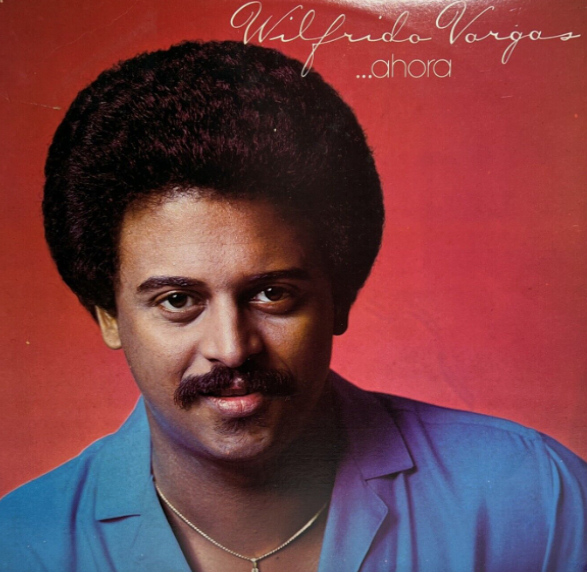
Wilfrido Vargas
Canción El Africano
Song The African
3. Reggaeton
El género de baile latino más popular de la actualidad tiene una historia interesante. Los inmigrantes jamaicanos que viajaron a Panamá para construir el canal que conecta los océanos Atlántico y Pacífico trajeron consigo su reconocida música reggae. Lo combinaron con la música dancehall, dando como resultado la creación de un nuevo género musical.
Don Omar
Canción Dile
Song Tell him
Question 6
6.
"Cumbia" is a distinct category in the Latin Grammys.