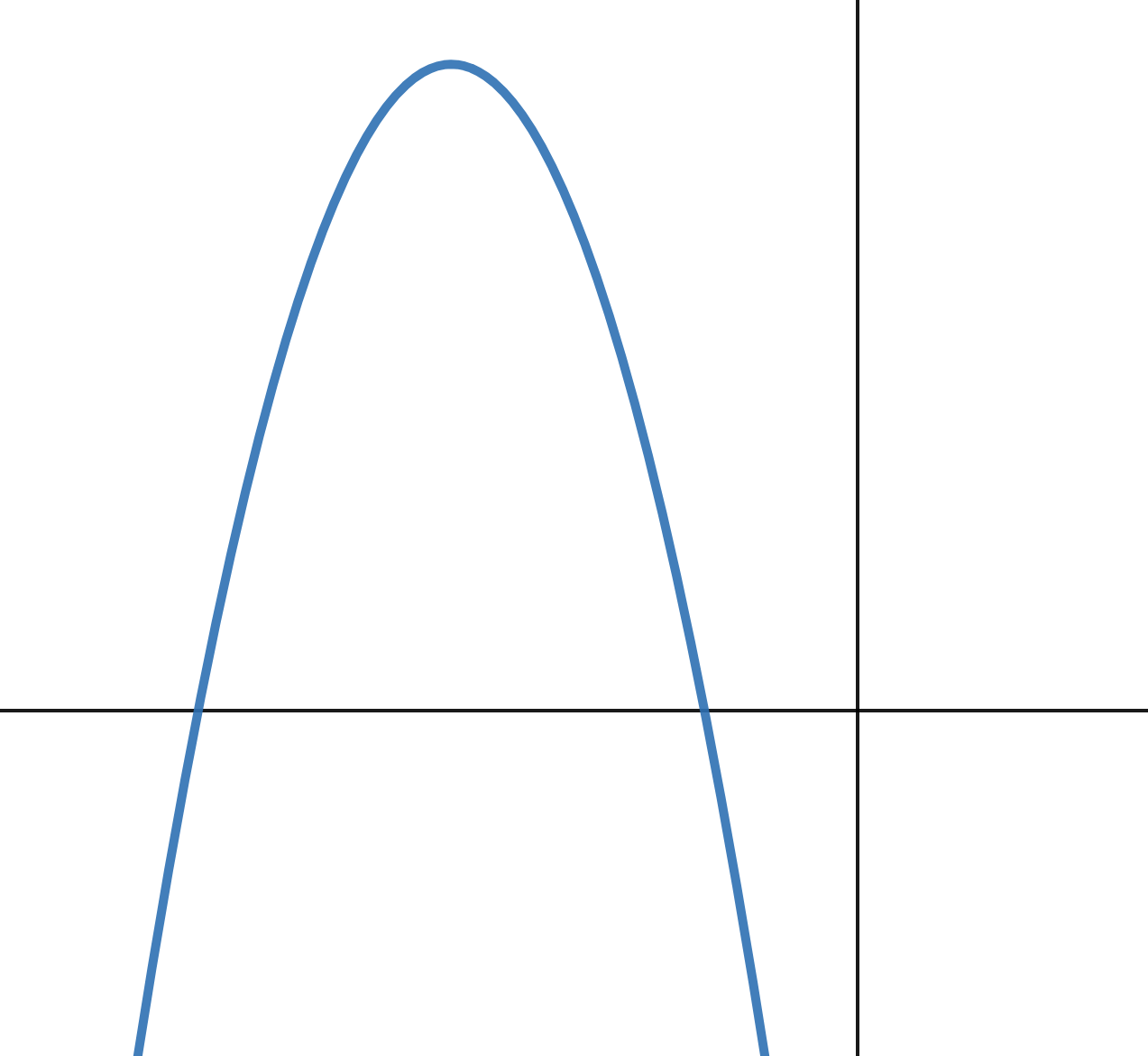
Which equation could be represented in the graph?
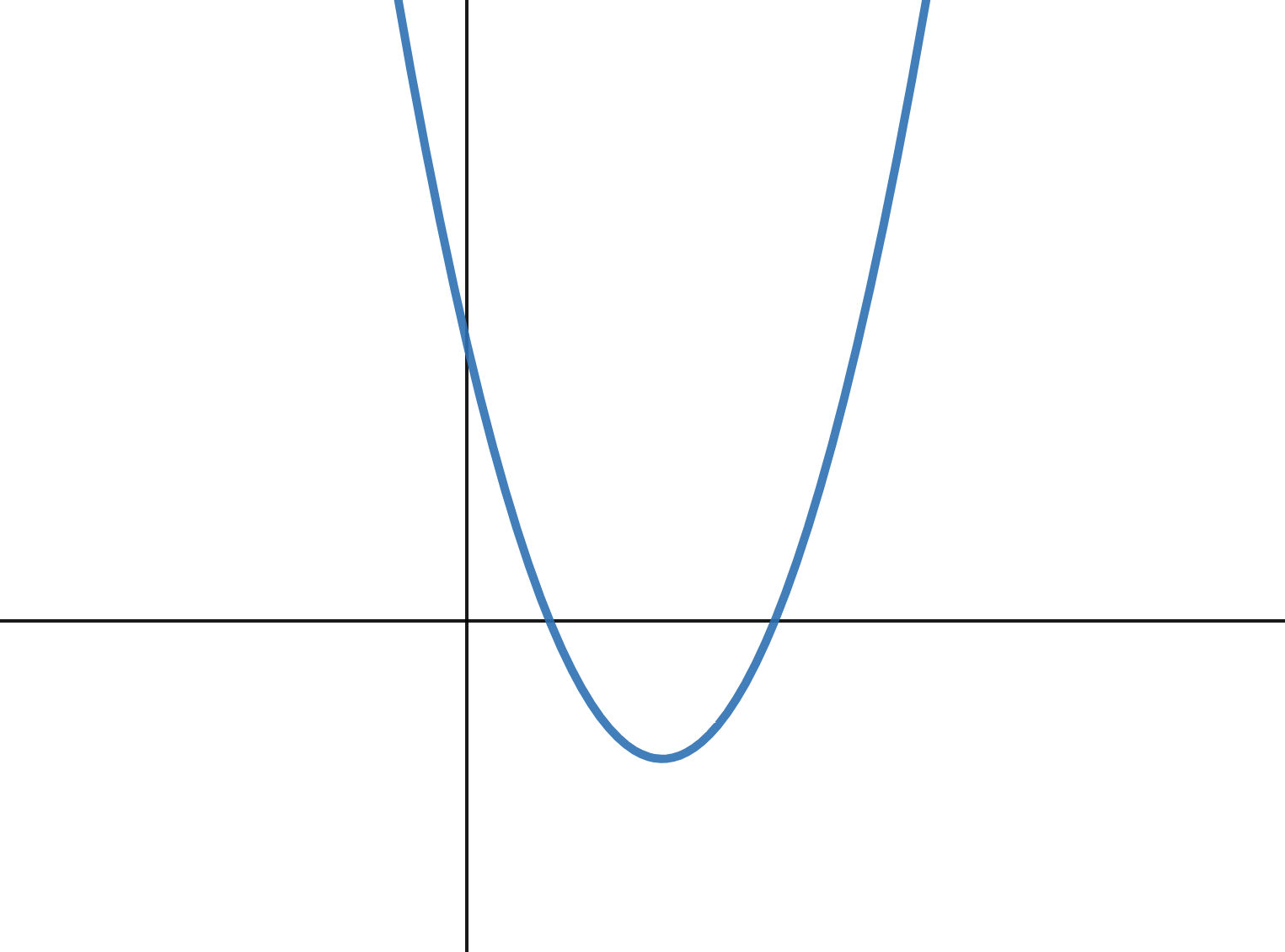
Which equation could be represented in the graph?
Evaluate f(3):
Evaluate (-2):
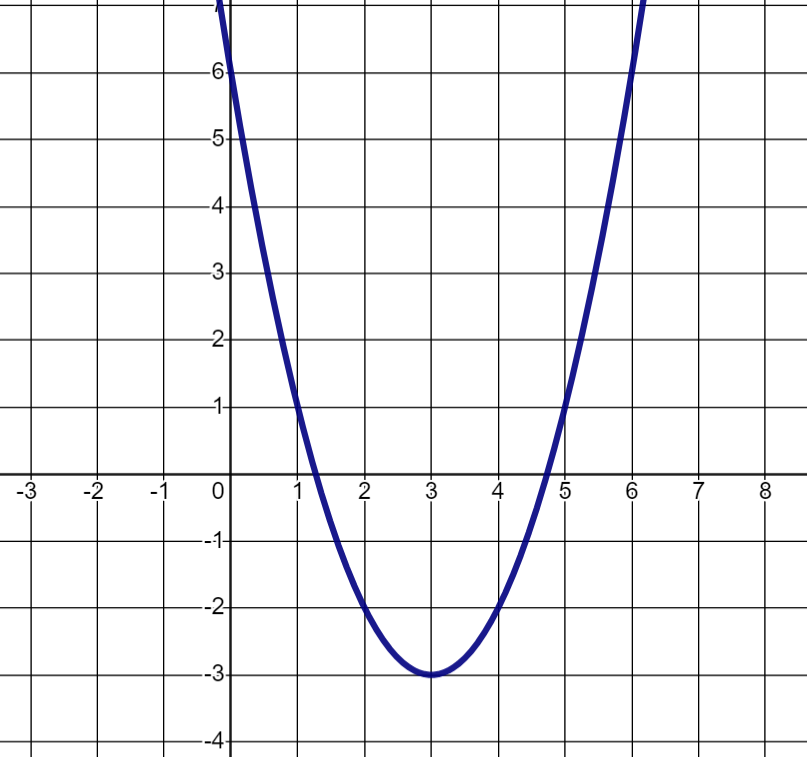
What is the vertex?
Vertex: (
What is the maximum?
Which equation could be represented in the graph?
Which function could be represented in the graph?
Graph:
Identify characteristics of the quadratic function and its graph:
Vertex: (
y-intercept:
Axis of symmetry:
Domain:
Range: {y |
The graph is decreasing when x <
The graph is increasing when x >
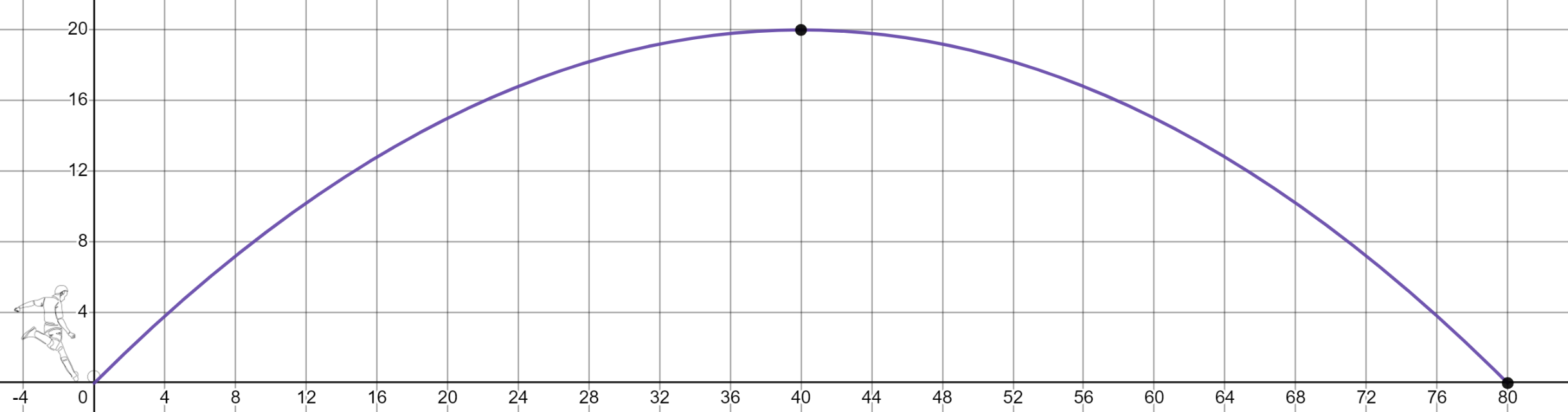
A ball is being kicked and the curve shows the path of the ball where x is the horizontal distance and y is the vertical distance. What are the following key features?
Vertex: (
y-intercept:
Axis of Symmetry:
A ball is being kicked and the curve shows the path of the ball where x is the horizontal distance and y is the vertical distance. What is the domain? Write your response in set-builder notation:
A ball is being kicked and the curve shows the path of the ball where x is the horizontal distance and y is the vertical distance. What is the range? Write your response in set-builder notation:
Does the graph represent a minimum or maximum function? What is the min or max value?
Type min or max:
Min/Max value:
Graph:
Plot 5 points. Use the vertex and two points immediately to the right and left of the vertex.
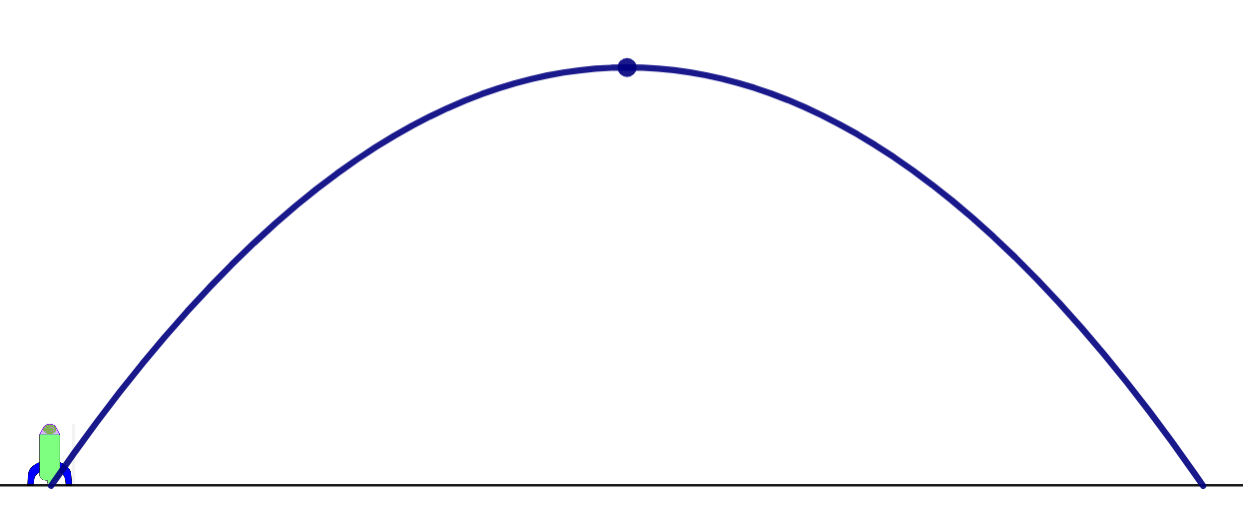
The equation below represents the path of a water rocket after it is launched where h(t) is the height above the ground in meters and t is the time after launch.
How many seconds does it take to reach the maximum height?
What is the maximum height of the rocket?
What is the total flight time for the rocket?
Find all the zeros of the function: (if multiple solutions, separate with commas)
Determine whether the function has a maximum value or a minimum value. Then find the value.
Min/Max:
Value:
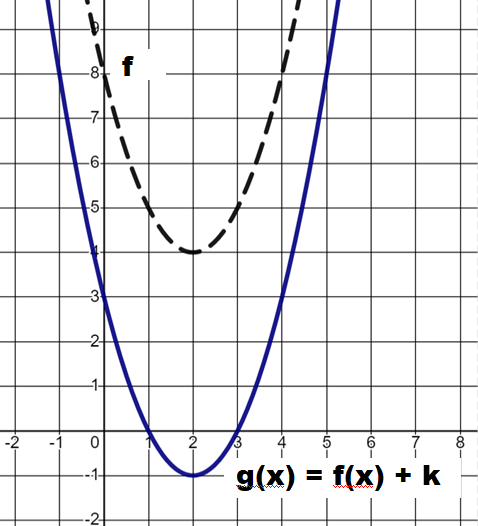
Describe the transformation from graph "f" to graph "g".
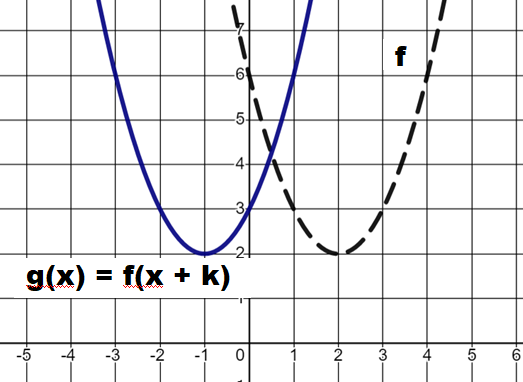
Describe the transformation from graph "f" to graph "g".
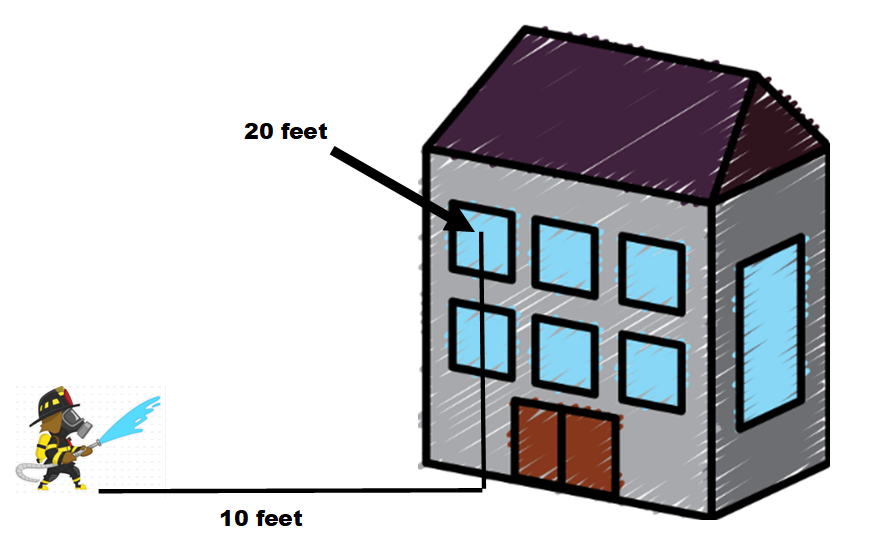
Complete the function so the water from the fire hose could possibly go through the window at its maximum height. Ignore the "a" value.
f(x) = a(x -
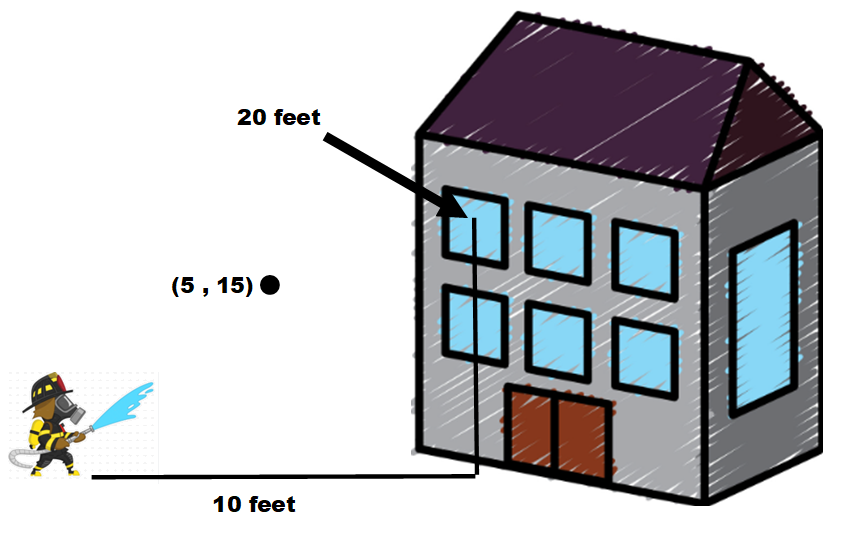
Write a function, in vertex form, so the water goes through the window at its maximum height.
f(x) = a(x - h)2 + k
Write a function, in intercept form, that goes through the points: