Log in
Sign up for FREE
arrow_back
Library
Sun - Earth - Moon
By NICHOLAS GLAESER
star
star
star
star
star
Share
share
Last updated almost 2 years ago
16 questions
Add this activity
1
5.2.B
5.8.D
1
5.8.D
1
5.8.D
1
5.8.D
2
5.8.D
3
5.8.D
12
5.8.D
1
5.8.D
1
5.8.D
3
5.8.D
1
5.8.D
1
5.8.D
1
5.8.D
1
5.8.D
1
5.8.D
1
5.2.B
5.8.D
Question 1
1.
A student wants to compare the surface features of the moon and Earth.
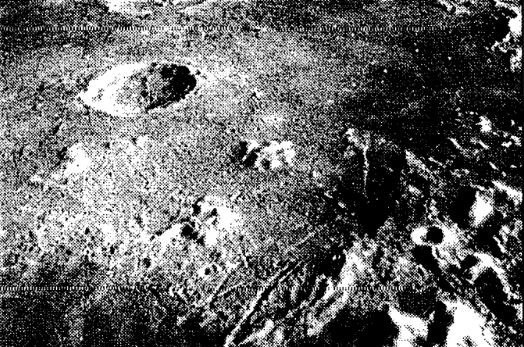
Which piece of equipment should the student select to view the physical characteristics of the moon's surface?

Telescope
Prism
Camera
Question 2
2.
While Earth is characterized as possessing an atmosphere with the ability to produce winds, the moon is characterized as –
lacking surface dust
possessing large bodies of liquid water
having only a very thin atmosphere
possessing an atmosphere with large amounts of oxygen
Question 3
3.
The surface of the sun, Earth, and moon are described as having different physical characteristics. How is the sun different from Earth and the moon?
The sun is a solid.
The sun can produce its own heat.
The sun does not produce its own heat.
The sun has no gravity.
Question 4
4.
Both Earth and the sun consist of different layers. However, unlike Earth, the sun is primarily –
melted rock
gas
liquid
solid
Question 5
5.
Very thin atmosphere
Water covers about 97% of the surface
Surface changed by weathering and erosion
Question 6
6.
Drag each description to match either the sun, Earth, or moon.
Drag
THREE
to each.
Sun
Question 7
7.
Question 8
8.
Earth is like the moon in many ways. One way the moon is different from Earth is –
there is no weather on the moon
there is more gravity on the moon
there is no weather on Earth
there is no craters on Earth
Question 9
9.
Which statement correctly describes the sun and Earth?
The sun and Earth both have a surface called the crust.
The sun and Earth both have an atmosphere.
The sun and Earth both have breathable air.
The sun and Earth both have water.
Question 10
10.
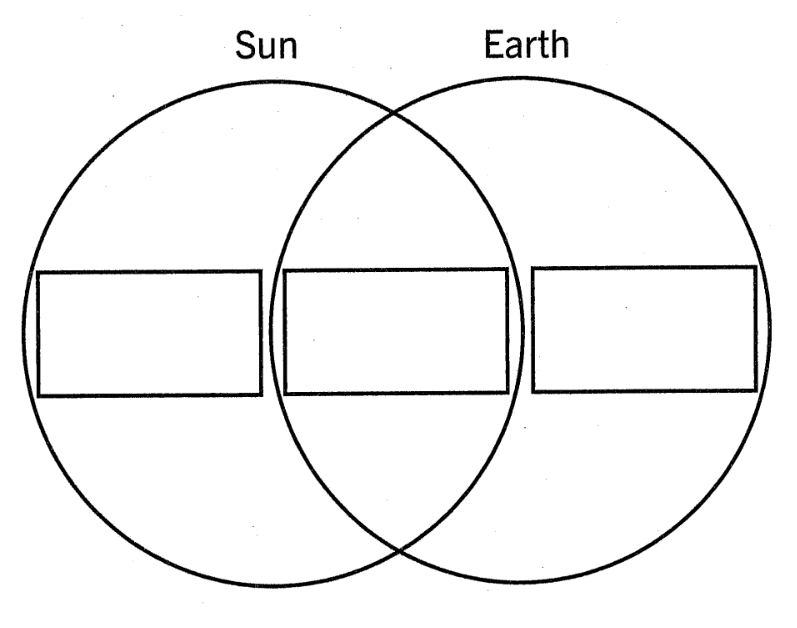
The Venn diagram compares characteristics of the sun and Earth. Complete the Venn diagram based on the physical characteristics of the sun and Earth.
Other Answer Choices:
drag_indicator
has gravity
drag_indicator
made of hydrogen and helium
drag_indicator
contains mountains
Question 11
11.
All of the following are characteristics of both Earth and the moon EXCEPT –
oceans
solid rocks
gravity
craters
Question 12
12.
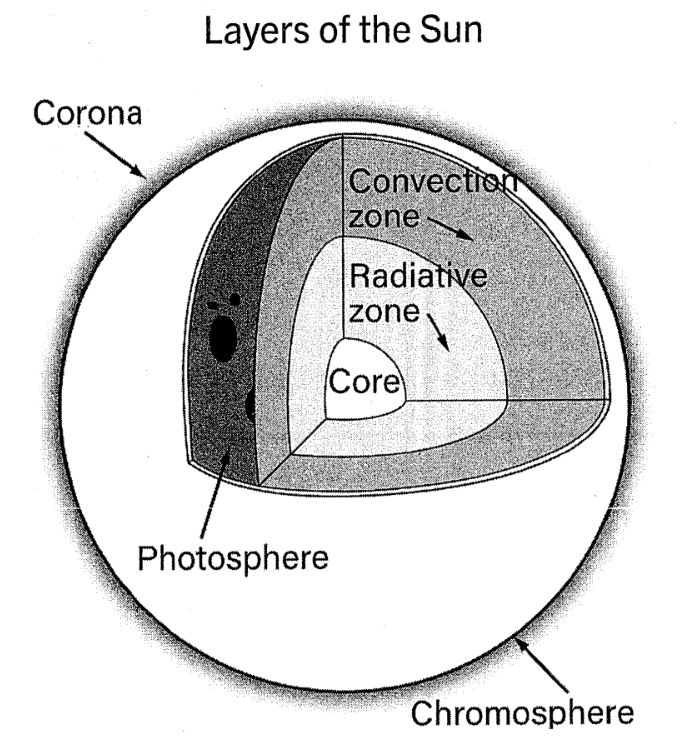
Which layer of the sun shown below is also a layer of Earth?
Corona
Convection zone
Radioactive zone
None of the above
Question 13
13.
Which statements correctly describe both the moon and Earth?
Select
TWO
correct answers.
They both have surfaces that are weathered by water and wind.
Question 14
14.
The sun and Earth are both constantly changing. Which of the following is a physical characteristic of the sun but
NOT
of Earth?
Layers
Spherical shape
Atmosphere
Sunspots
Question 15
15.
Select the correct characteristics of the sun and the moon. Multiple checkmarks in each row are allowed (5 total checkmarks).
Sun
Moon
Question 16
16.
Which of the following tools would be most useful for demonstrating and comparing characteristics of the sun, Earth, and moon?
Terrarium
Balance
Microscope
Model
Microscope
A student creates a table to show characteristics of Earth and the moon.
Which of the following could be classified as characteristics of both Earth and the moon?
Select
TWO
correct answers.
Craters formed from meteor impacts
Obtains light from the sun
center of solar system
orbits the sun
has an atmosphere to support life
comprised of rock, iron, nickel, and liquid water
comprised of rock and dust
little to no atmosphere
orbits Earth
produces light and heat for our solar system
mostly comprised of helium and hydrogen gas
Earth
Moon
Complete the table by selecting the correct attribute for each sun, Earth, and moon.
Multiple selections are allowed for each row and column (12 total checks).
Sun
Earth
Moon
has a solid rocky surface
spherical shape
produces light
reflects light
supports life
center of Solar System
Has a 27 day orbit around Earth
Has a 365 day orbit around the sun
They both rotate and revolve.
They both can sustain life.
They both have craters, mountains, and plains.
They both have liquid oceans.
Reflects light
Produces light
Has rocky surface features
Spherical in shape