
1
A person whose vision looks like this has what condition?
A person whose vision looks like this has what condition?
Match the condition with the correct description
myopia
age related macular degeneration
retinitis pigmentosa
cataracts
glaucoma
hyperopia
when the lens of the eye becomes cloudy
loss in the center of the field of vision.
the nerve connecting the eye to the brain is damaged, usually due to high eye pressure.
a rare, inherited degenerative eye disease that causes severe vision impairment.
A vision condition in which nearby objects are blurry
A vision condition in which objects in the distance are blurry
Farsightedness is also known as
Nearsightedness is also known as
A common condition that causes blurry vision due to the misshape of the cornea is called
A person whose vision looks like this has what condition?
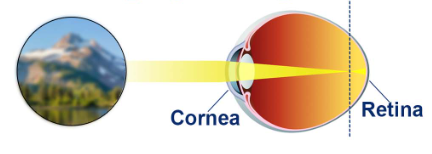
A person whose vision looks like this has what condition?
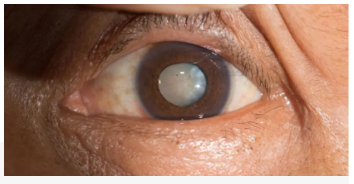
This person has glaucoma.
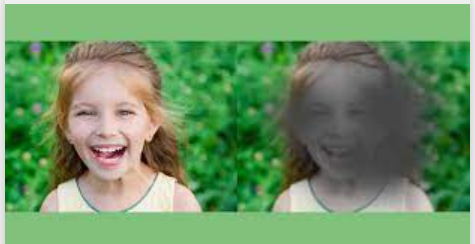
A person with this vision has damage to the _______ due to age.
A
Match the occupation with the correct description
opthamologist
optician
optometrist
A technical practitioner who designs, fits and dispenses lenses for the correction of a person's vision. This person must earn an associates degree and pass a state licensure exam
They examine, diagnose, treat and manage diseases and disorders of the eye. Prescribe medications, low vision rehabilitation, vision therapy, spectacle lenses, contact lenses and perform certain surgical procedures. This person must obtain a bachelor's degree and an additional four years of graduate school.
This person diagnoses and treats all eye diseases, performs eye surgery and prescribes and fits eyeglasses and contact lenses to correct vision problems. Some specialize further in a specific area of medical or surgical eye care. Typical training includes a four-year college degree followed by at least eight years of additional medical and surgical training.