What will the "AFTER" picture look like using this image as the "BEFORE" image?
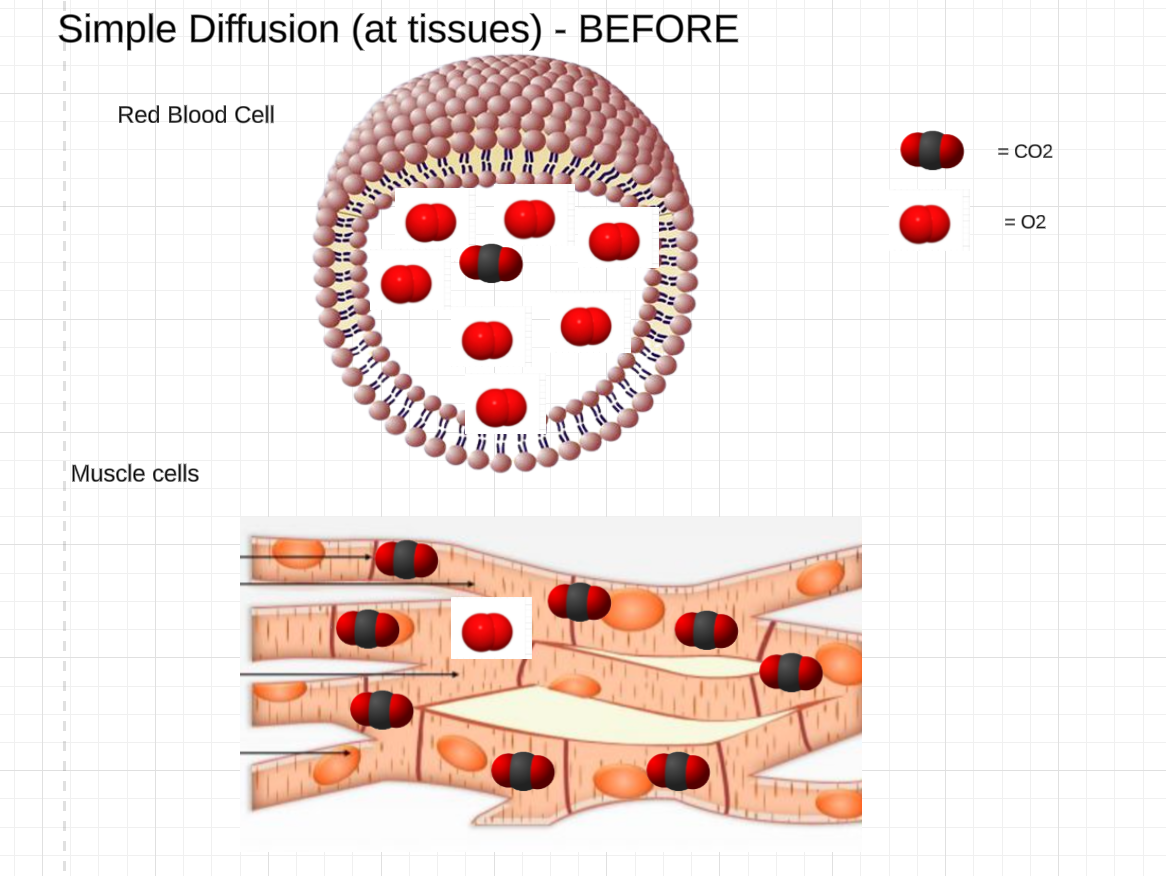
What will the "AFTER" picture look like using this image as the "BEFORE" image?
Use Diagram 1 to answer this question.... Identify the name of the process shown here (2 word answer)
Use Diagram 1 and the term, "concentration gradient" to explain what has changed from the "before" to the "after" diagram.
What will the "AFTER" picture look like using this image as the "BEFORE" image?
From diagram 2, what is the diffusion of water across a semi-permeable membrane called?
In diagram 2, will the water be able to diffuse across the membrane? Yes or no and explain WHY!
Select all the statements that are correct based on the image and what you learned in class
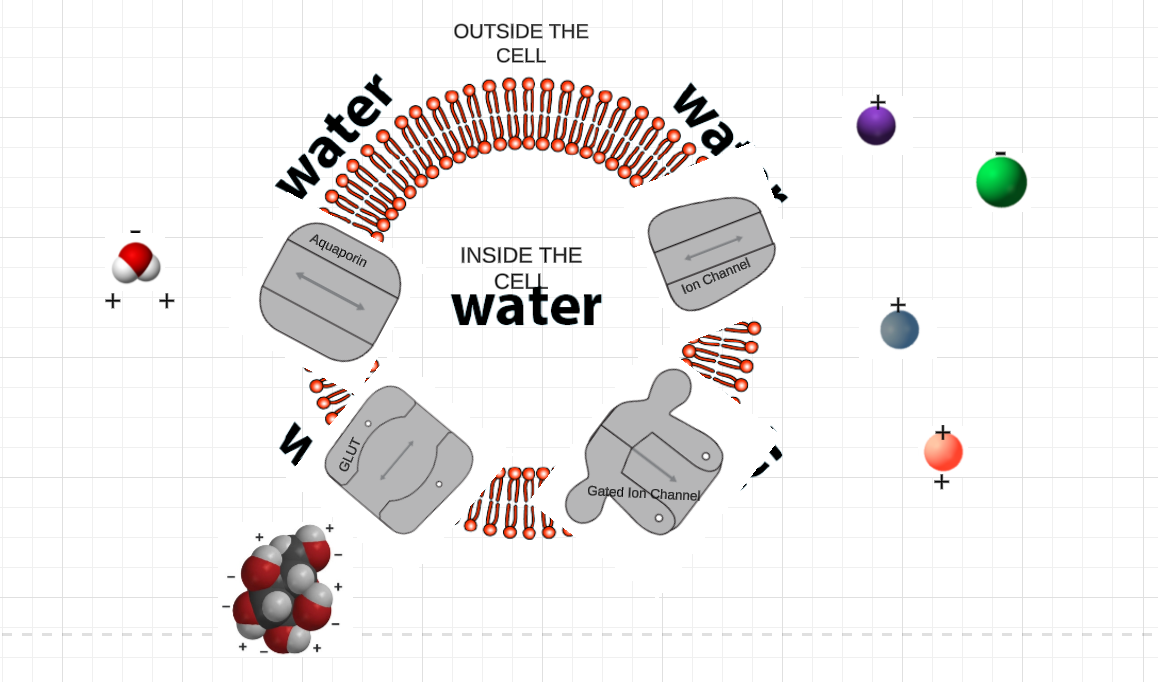
Referring to the image, select all statements that are true ....

What type of transport is taking place in the image below (2 word answer)?

Select all statements that correctly describe what is happening in the image

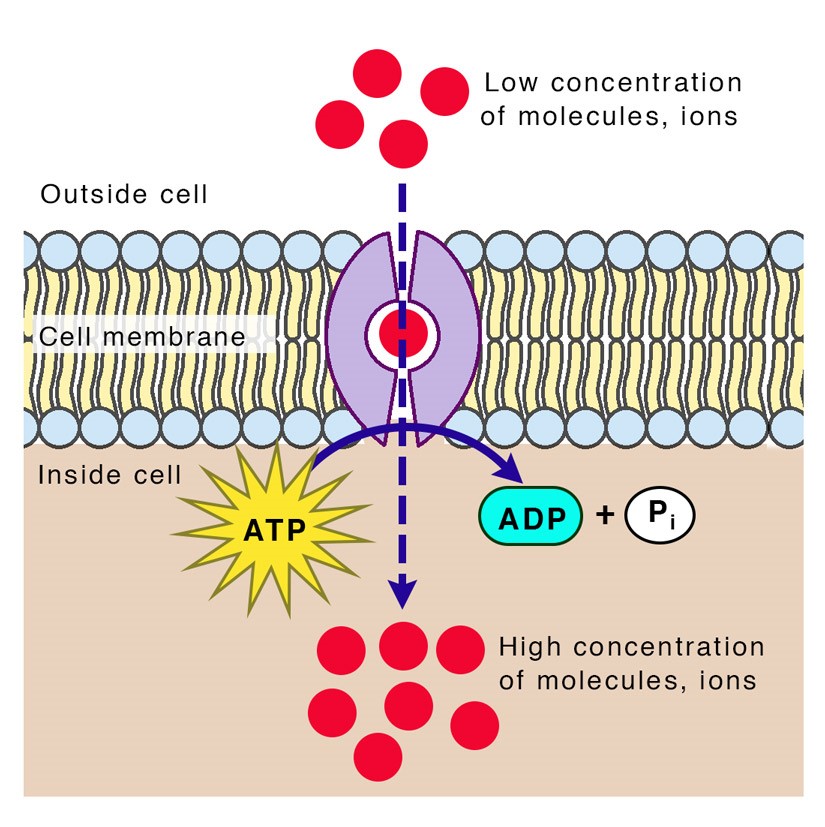
What kind of transport is depicted in the image? Name at least one reason how you know it is that kind of transport.
A sailor stranded at sea in a small life boat runs out of fresh water and must drink sea water (human cells are about .9% solute and therefore 99.1% water AND ocean water is about 3.5% salt (solute) and therefore about 96.5% water). Which of the 3 choices below would be what would happen to the sailor's red blood cells as the salt water is absorbed? Then explain WHY your choice is correct!
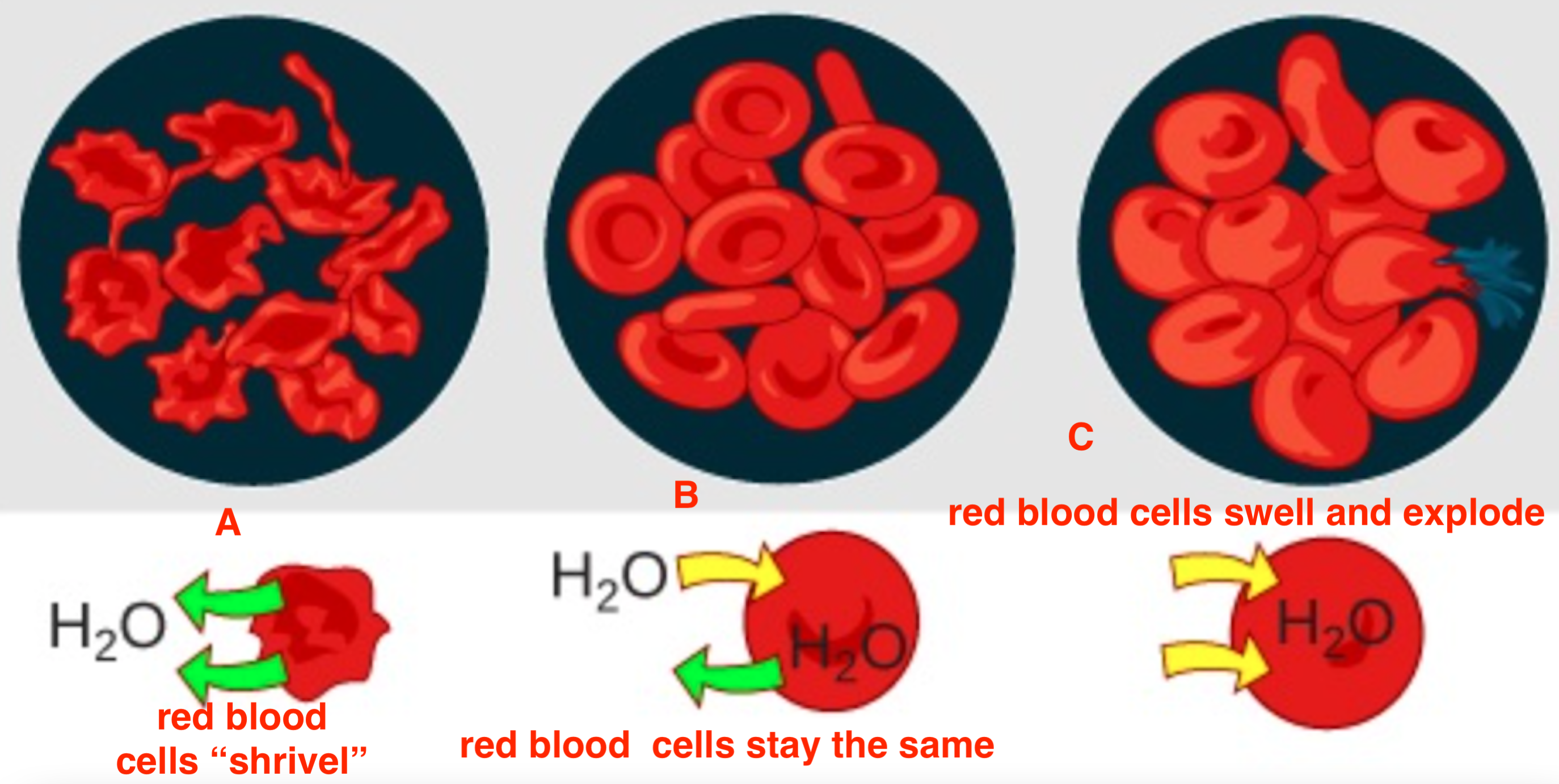
Marathon runners are at risk for hyponatremia or water intoxication when they drink large amounts of water during the race. This extra water floods the blood and the fluids around their cells so there is more water OUTSIDE than INSIDE their cells. Explain what happens next using the word osmosis and explain why the BRAIN is the organ that is most affected by the movement of this extra water.