Sickle Cell Continued

Last updated over 1 year ago
66 questions
Note from the author:
continuing on the HHMI materials
Recap & Introduction
Required
4

MAKE A CLAIM as to why Ceniya does not have pain crises like Ingrid. This is somewhat predictive as well; you may not have a solid answer right now. The point is to wonder!

Required
0

Choose the CLAIM that matches yours the best, as to why Ceniya does not have pain crises like Ingrid. This is somewhat predictive as well; you may not have a solid answer right now. The point is to wonder!

Embedded Review of Chromosomes in Context
Do at least the question marked required of this set before moving ahead if needed for pacing.

All answers should be complete by the end of the assignment when asked to turn in. There are multiple questions with different visuals etc because students make many errors here.
3.5

Match the terms related to heredity with fragments of their definitions.

FOURTH period probably does not have time for this; see the next question instead. If you are attempting this question and struggling, try the next q instead.

Draggable itemCorresponding Item
karyotype
organized DNA wrapped around histones
genome
proteins that help keep DNA from 'tangling'
nucleus
compartmentalizes DNA so that it is not damaged; replication and transcription happen here
gene
region of DNA
chromosome
monomer of DNA
histones
a picture of all the chromosomes in an organism's genome
nucleotide
the sum total of the genetic information for an organism
2

Match the terms related to heredity with fragments of their definitions.

This is an ADDED question for fourth period, who wouldn't have time for the whole question above. It is not required for non-fourth period students but it does give you another chance to reinforce key vocabulary.

Draggable itemCorresponding Item
genome
compartmentalizes DNA so that it is not damaged; replication and transcription happen here
nucleotide
region of DNA, has many nucleotides inside
gene
monomer of DNA, contains phosphate, sugar, nitrogenous base
nucleus
the sum total of the genetic information for an organism; in eukaryotes, all the chromosomes
5

Sequence from largest/'container' to smallest/inside the 'container'. If you are stuck, the next question will help, but you should be able to do 80% of this without help.

  1. Chromosome
  2. Gene
  3. Nitrogenous Base
  4. Cell
  5. Atoms
  6. DNA
  7. A molecule like H2O or O2 or CH3
  8. Nucleus
  9. Tissue
  10. Nucleotide
Required
3.5
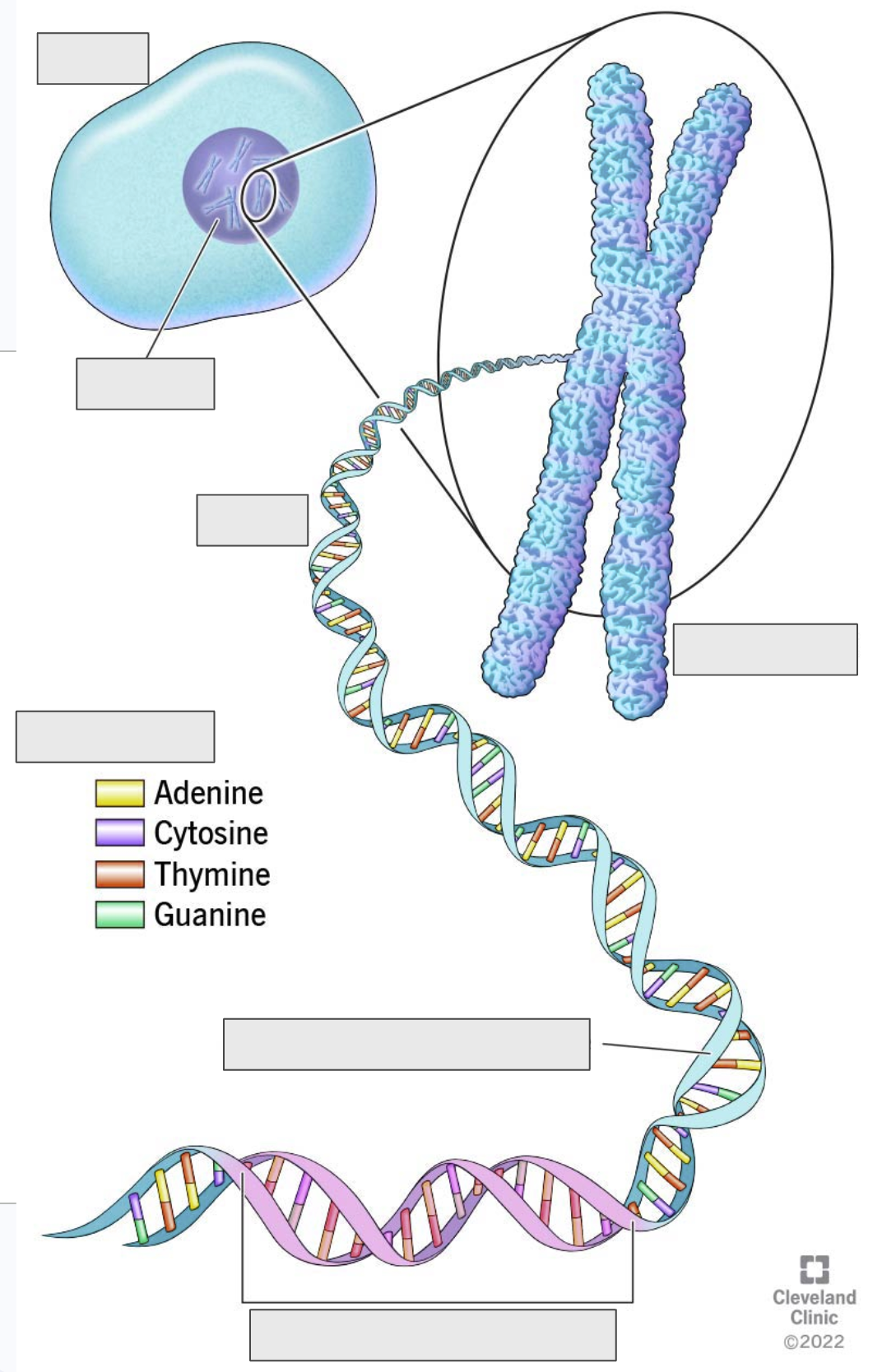
IDENTIFY the structures of heredity.

If you are very stuck, you can review the previous question's hints, but you should be able to do this WITHOUT the provided word-bank or any hints. If you cannot, make a note to study.
Other Answer Choices:
phosphate-sugar backbone
karyotype
DNA
RNA
nucleus
nitrogenous bases
gene
eukaryote
chromosome
prokaryote
Embedded Review of How to Make and Break Macromolecules

Quick Review of How to Make and Break Macromolecules (Seniors)


You may have been advised to skip this section and return to it later based on your previous pacing. This is important information for the exam, but it is 'details associated with' and not 'the core concept' of this assignment. Please read my message on the next question before beginning. This is part of the grade.

Intro to How to Make & Break Macromolecules (Freshmen)

Completing this section is extra-credit. If you are interested in this topic and want some chemistry reinforcement, you are encouraged to do it. If you'd rather reinforce Genetics terms, go one section up. If you'd rather reinforce Punnett squares, find the Heredity section.


Seniors, these terms should be IN YOUR HEAD, so take time before selecting the in-line dropdown boxes.
2

Solid lines represent __________bonds, which

  • are within molecules.
  • are made by the process of __________ (remove water to make) to form polymers from monomers
  • are broken by the process of __________ (add water to break) to digest polymers into monomers
  • bond the atoms together within monomers (forming a __________)

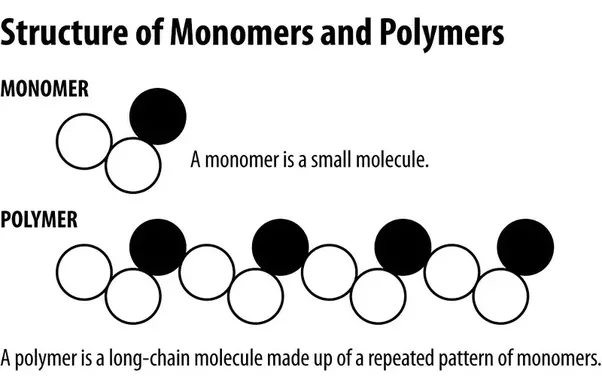
Can you fully define and use monomer and polymer in a sentence? Click the hints for an image to help you be certain, and then the second hint for a video recap where needed.
1

Role of Covalent Bonds in the 'Genotype to Phenotype' Process of the Central Dogma


Covalent bonds form between

  • adjacent __________ (monomers) in the backbone of the nucleic acids made by replication and transcription (aka phosphodiester)
  • adjacent __________ (monomers) of the polypeptide produced in translation
1.5

Dotted lines represent __________bonds, which

  • are between molecules***.
  • caused by differences in__________between O/N/F and H.
  • we previously saw in __________, where they were responsible for the properties of cohesion, adhesion, surface tension, high heat capacity
3.5

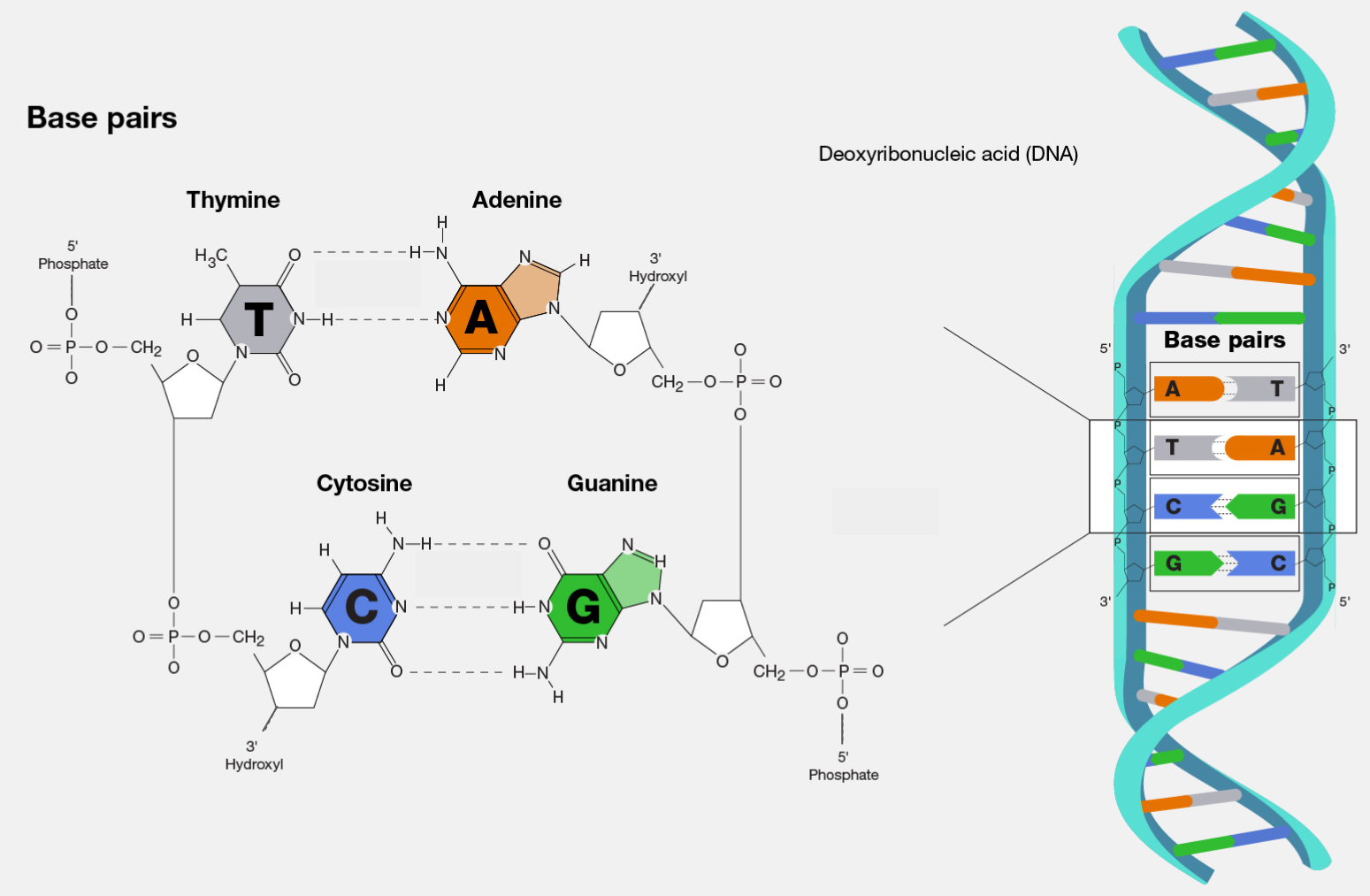
Hydrogen Bonds maintained between complementary Deoxyribonucleotides to form the __________ helix and yet they are

  • ... easily broken by __________ during replication
  • ... easily broken by __________ during transcription.
1.5

Role of Hydrogen Bonds in Genetic Processes;


Hydrogen bonds are briefly formed

  • between DNA and the new strand when DNA is being __________ during S phase.
  • between DNA and forming mRNA as the DNA is __________ into mRNA.
  • between tRNA's anticodon and mRNA's codon as the mRNA is__________ into a polypeptide.
4.5

COMPARE and CONTRAST the reactions of dehydration synthesis and hydrolysis, in general, as review for seniors (introduction for freshmen).

The previous question covered most of this content; attempt it from recall, then consult for details.

  • splits H2O; the H and O each end up with a monomer
  • involved in covalent bonding
  • forms polymer from monomers
  • involved in hydrogen bonding
  • removes H and O from the monomers to form a molecule of H2O
  • forms monomers from polymer
  • Dehydration Synthesis
  • Hydrolysis
  • Neither Dehydration Synthesis or Hydrolysis
3

COMPARE and CONTRAST the processes and types of bonds involved in protein synthesis with respect to whether they are dehydration synthesis reactions, hydrolysis reactions, or neither.

Feel free to consult your previous questions!

A previous question covered most of this content; attempt it from recall, then consult for details.

  • link mRNA nucleotides to the DNA nucleotides during transcription
  • unlink eaten or discarded proteins into free amino acids
  • hydrogen bonds
  • link sequential ribonucleotides to form mRNA during transcription
  • covalent bonds
  • unlink the poly-A tail of an mRNA through exonuclease; will eventually digest the mRNA and prevent it from being translated again
  • link tRNA's anti-codon to the mRNA's codon during translation
  • link sequential amino acids to form a polypeptide during translation
  • Dehydration Synthesis
  • Hydrolysis
  • Neither Dehydration Synthesis or Hydrolysis
Transcribing and translating the HBB (hemoglobin) gene.

This entire section is required for all.


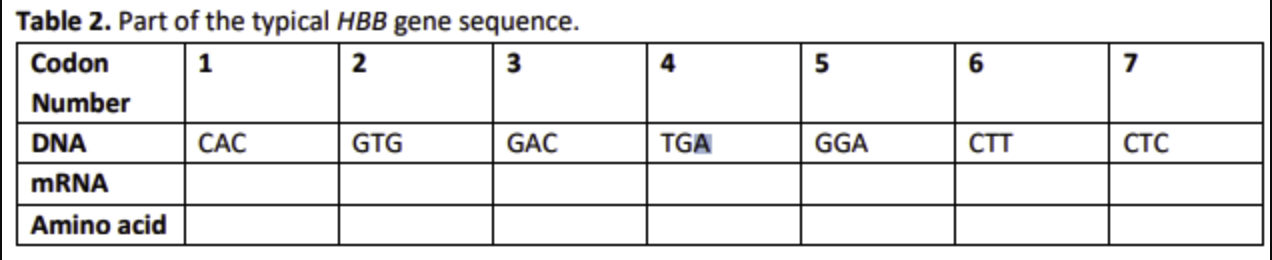
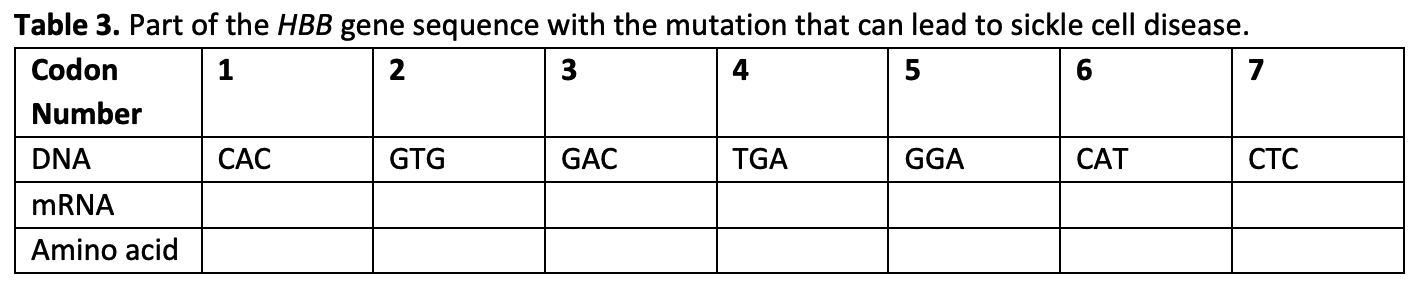
Below are parts of the DNA sequence for the HBB gene.

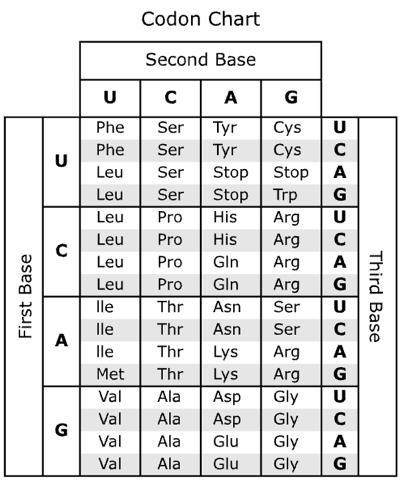
There are two tables: one for the typical gene and one for the gene with the mutation that can lead to sickle cell disease. The sequences are broken into groups of three nucleotides each, called codons. For each table, you will transcribe the DNA into RNA. Then, you will translate the RNA into amino acids using the “Genetic Code Chart,” which will be provided by your instructor.

Below the DNA sequence in Table 2, record the appropriate mRNA and amino acid sequences.
Required
4

Match the terms to build a word-bank for later questions.

If you are able to complete without hints, excellent work. Still view the hints after completion and examine the pictures briefly to make sure you have full context.

Draggable itemCorresponding Item
transcription
set of 3 nucleotides (mRNA)
translation
set of 3 nucleotides (tRNA)
anticodon
contains phosphate, sugar, nitrogenous base
genotype
gives a nucleotide its identity (ATCG)
codon
the genetic code; represented by terms like heterozygous, hybrid, Aa, homozygous dominant, etc.
nitrogenous base
the expressed physical trait
phenotype
information in DNA used to produce mRNA
nucleotide
information in mRNA used to produce polypeptide

Use the typical HBB gene sequence on the left in Table 2 to answer the following questions.

Ignore the highlight on the table, that's my error.

Each codon and amino acid has been converted to a fill-in-the-blank for you to check your work easily, but you would write these in a linear format on the exam (all in a line like this sentence.)

Required
3.5
The message of DNA Codon 1 CAC is _______ into RNA Codon 1 GUG.

Fill in the codons for the following:
Codon 2... GTG-> _______
Codon 3.... GAC-> _______
Codon 4.... TGA-> _______
_______ 5... GGA-> CCU
Codon 6... CTT-> _______
Codon 7... CTC-> _______
Required
3.5

The message of RNA Codon 1 GUG is
_______ into amino acid 1 Val.

Fill in the amino acids for the following, using the information from the above question, the codon chart and only the three-letter abbreviation for the amino acid. You might find it easier to quickly scribble out the DNA, mRNA, then AAs like the table shows.

Amino Acid 2: _______
Amino Acid 3:_______
Amino Acid 4: _______
_______ 5: Pro
Amino Acid 6: _______
Amino Acid 7:_______
Required
5

Complete the process of protein synthesis for the mutated sequence at table 3.

Required
7

COMPARE the typical HBB sequence with the mutated sequence, and DESCRIBE the consequences (recalling what we've done with the card sort, referencing 14 on the previous Sickle Cell assignment if needed).

Required
4
The mutation in the HBB gene that produces the sickle cell allele is located at codon #_______ . It is a _______ mutation, because it replaced the original thymine with an _______.

As a result, the new protein has a different _______ than the original protein, and therefore a different function.
Possible Treatments
Required
3

What new information does this video offer that you did not have before?

Required
1

After having watched the new video above (if you didn't notice it was new, start it again from 3:19 or so), and select from this list the accurate claim.

Strong suggestion: Answer explanations are on for EACH of these claims to provide additional context.

How to use this question for maximum learning:
  1. Answer with the 'best' answer to see if you are right. Regardless if you are or not,
  2. Then read over all other answer choices again and think of why 'not', beyond just the video where possible. What SCIENCE or reasoning makes each wrong claim inaccurate?
  3. Finally, mark ALL answers, read the explanations and see how it compared to your reasoning. Your reasoning might also be good even if it's not what I've written: feel free to check with me.
  4. Finally, mark only the correct answer and move on.

Required
1.5
Read the entire text before attempting any in-lines. You should know each word by the definition in (...) following the dropdown, or described in the context. Think of the word before attempting the dropdown.

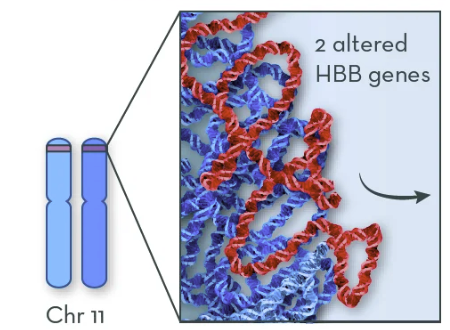
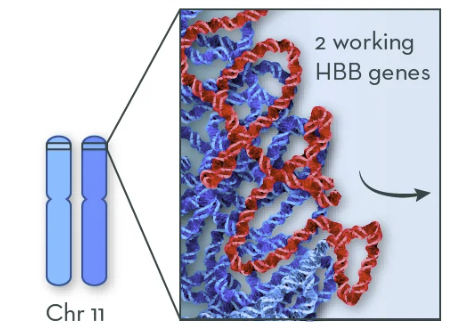
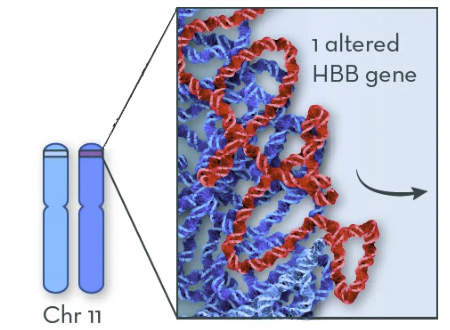
Individuals with only one copy of the HBB __________ (change in nucleotides) do not have symptoms of sickle cell disease.

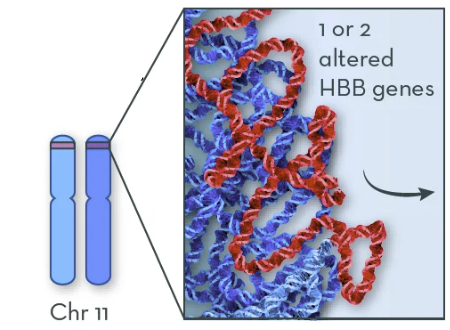
Individuals with two copies of the HBB mutation, which is called the sickle cell __________ (set of alleles an individual carries), typically do have symptoms.

Ceniya has the sickle cell genotype. So why doesn’t she have symptoms, aka exhibit the __________?

Let’s find out how Ceniya's additional mutation affects her physiology.

Required
2

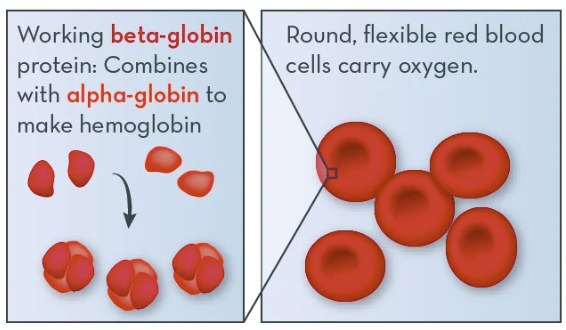
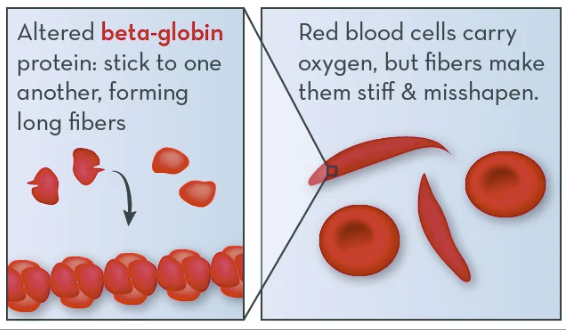
COMPARE and CONTRAST the typical and sickled red blood cells with regard to their genotypes and phenotypes.

  • A typical red blood cell's genotype and phenotype
  • A sickled red blood cell's genotype and phenotype
Required
4

Categorize concepts of genotype and phenotype as related to red blood cell (RBC) production.

  • Genotype
  • Phenotype
Disrupting a specific area of the gene that encodes for adult hemoglobin — which is faulty in people with sickle cell disease (SCD) — led to an increase in the production of fetal hemoglobin, a version of the protein normally produced during fetal development, which can help relieve disease symptoms, according to a new study.

These data support the development of therapies that selectively target and reduce faulty adult hemoglobin gene activity to stimulate fetal hemoglobin production and alleviate the symptoms of SCD and other hemoglobin-related disorders, researchers say.
“What this really helps us to do is understand this process of turning off [fetal] globin and turning on adult globin and how we could reverse that, so that we can use this understanding of the mechanism to help us look for new therapeutic approaches — it’s a key piece of the puzzle,” Kate Quinlan, PhD, the study’s co-lead, from the University of New South Wales in Australia (UNSW), said in a university press release.
The study, “Disrupting the adult globin promoter alleviates promoter competition and reactivates fetal globin gene expression,” was published in the journal Blood.

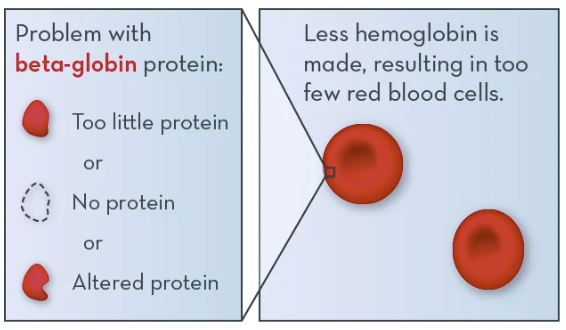
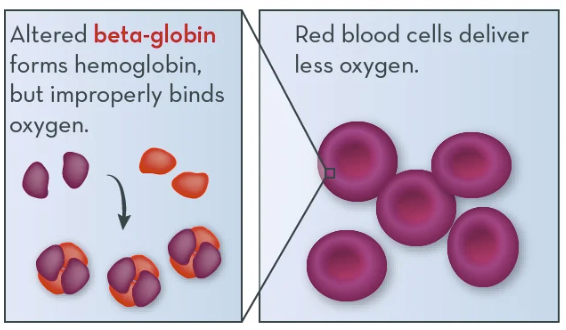
SCD and beta-thalassemia are genetic conditions referred to as beta-hemoglobinopathies that are caused by mutations in the HBB gene. This gene encodes beta-globin, a part of hemoglobin — the protein in red blood cells that transports oxygen throughout the body.
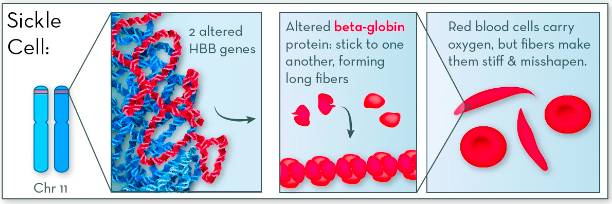

In SCD, a mutated form of hemoglobin deforms the shape of red blood cells, making it difficult for them to pass through small blood vessels, potentially slowing or blocking blood flow.
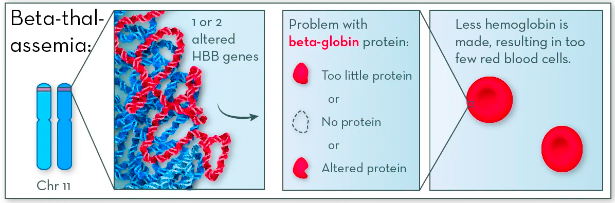


Beta thalassemia is characterized by a reduction in the production of hemoglobin.


“Sickle cell disease and beta-thalassemia, a closely related disease, are inherited genetic conditions that affect red blood cells,” said Quinlan. “They are fairly common worldwide — over 318,000 infants with these conditions are born every year.”

Because these mutations affect the adult version of the HBB gene, most newborns do not show symptoms. Their bodies are still producing a healthy fetal version of hemoglobin that is more effective at transporting oxygen than its adult counterpart.

“Interestingly, when children are born, they don’t show disease symptoms at first, even if they have the mutations, because, at that stage, they’re still expressing [fetal] globin and not yet adult globin,” Quinlan said. “That’s because we have different [hemoglobin] genes that we express at different stages of development.”

“As the [fetal] globin gets turned off, and adult globin gets turned on — which happens within about the first year of life — the symptoms start to manifest,” Quinlan added.
In rare cases, some people have a benign condition called hereditary persistence of fetal hemoglobin (HPFH) — marked by the ongoing production of fetal hemoglobin beyond infancy — which eases symptoms of SCD and beta-thalassemia.

“In these patients, the persistent expression of [fetal] globin effectively compensates for the defective adult globin — but up until this piece of research, we didn’t really understand the process that led to this incredible advantage,” noted Quinlan.
Working in the laboratory run by Merlin Crossley, PhD, and together with collaborators in the U.S., Quinlan set out to understand the mechanism underlying ongoing fetal hemoglobin production with the aim of finding ways to maintain it in SCD and beta-thalassemia patients as a therapeutic strategy.

“The goal of our research is finding out how we can reverse the [fetal] to adult globin switch, so that patients continue to express [fetal] globin throughout life, rather than the mutant adult globin genes that cause blood cells to become stiff and block vessels,” Quinlan said.

First, the team examined the genomes of people with HPFH and discovered one DNA region immediately adjacent to the HBB gene that was deleted in all cases. This region was the gene’s promoter — a segment of DNA where regulatory proteins bind and turn on the HBB gene to produce beta-globin.

To investigate further, the CRISPR gene-editing tool was used to purposefully edit or delete some areas of the promoter in cells and observe the outcome.
“CRISPR allows us to ‘cut’ bits of DNA out of cells grown in the lab, to modify genes and see what happens as a result — it’s essentially a tool to figure out what genes do inside living cells,” Quinlan said.

After editing or deleting some of the elements within the promoter region, the team found that nearly all mutations that reduced ΗΒΒ promoter activity led to an increase in fetal hemoglobin production.

“We found that deleting just that one little bit was sufficient to make [fetal] globin go up and adult globin down — which suggests that we have found the key mechanism that can explain why [fetal] globin levels remains high in these asymptomatic patients,” said Quinlan. “Effectively, by deleting the adult globin ‘on switch’, we made the [fetal] globin ‘on switch’ active.”

These data suggested that “targeting the ΗΒΒ promoter might be explored to elevate fetal globin and reduce sickle globin expression as a treatment of [beta]-hemoglobinopathies,” the team wrote.

Recently, Quinlan and Crossley received a $412,919 grant (about $300,000 USD) to fund a collaboration that will continue to explore these results, which Quinlan noted were unexpected.

“It was surprising to see the findings — many people have studied these mutations for many years, so the idea that there’d be one unifying hypothesis that could explain them rather than them all working through different mechanisms will be surprising for the field,” said Quinlan.

“While we went in with the hypothesis that there might be one mechanism, we didn’t expect it to come out so cleanly — we thought that perhaps it would be more complicated than what we’d initially thought.”
Required
1

Using the article, DESCRIBE briefly how fetal hemoglobin is different from adult hemoglobin.

Required
1

Using the article, IDENTIFY what typically happens to the production of fetal hemoglobin after birth.

Required
1

Using the information from the article and the video, EXPLAIN why Ceniya does not experience symptoms in your own words.

Take the quote excerpts (copy-paste) from the text to support your answer.

Required
3

COMPARE and CONTRAST Ceniya and Ingrid's hemoglobin production genotypes.

  • sickle cell genotype
  • typical fetal hemoglobin off-switch genotype
  • mutated fetal hemoglobin off-switch genotype
  • typical RBC genotype
  • no pain crises
  • pain crises; sickle cell phenotype
  • Ceniya
  • Ingrid
HHMI Interactive to Explain Methods of Genetic Medicine

https://media.hhmi.org/biointeractive/click/genetic-medicine-interactive/


Go here, interact with the genetic medicines (CRISPR-CAS9, gene therapy, and gene switches) to help with this work.

CRISPR-CAS9

2

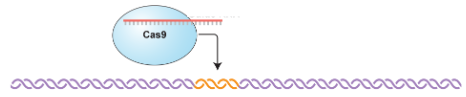
Resequence the steps of CRISPR-Cas9 to reflect the order in which this genetic medicine works. This image references HHMI, but you shouldn't do it while staring at the interactive- do it after!

  1. The DNA has been repaired.
2.5

Resequence the steps of CRISPR-Cas9 to reflect the order in which this genetic medicine works. The terms reference HHMI and the previous image.

  1. The nuclease (Cas9) breaks the DNA.
  2. The guide RNA interacts with DNA according to Chargaff's rule.
  3. DNA can repair itself when broken; either scientists keep breaking this spot to trigger mutation, or we add a little DNA sequence into that spot instead.
  4. A guide RNA helps bring a nuclease to the exact part of the DNA where we have identified a need to make a change.
  5. The new sequence can now either transcribe and translate a functional protein, or stops transcribing and translating a problematic protein, or otherwise changes a 'switch' that is causing problems.
1

If you're using this for support on an earlier question, just answer, then come back and process again once you've interacted with Crispr-CAS9.

Match name to example for the types of mutation Crispr-CAS9 could induce (these are the same mutations that happen naturally but randomly, we just trigger them to happen where we want them)

Draggable itemCorresponding Item
substitution
ATCG ---> ACCG
deletion
ATCG --->ACG
insertion
ATCG ---> ATTCG

GENE THERAPY

4.5
Gene Therapy (see HHMI for the background, this is just a bit of extra detail)

Remember that viruses don't have _______ (1) to translate their own proteins, but they can have genetic material (DNA or _______ (2)) that provides the instructions for how to add the viral genome to the host cell's own _______(3). This is called the _______ cycle, and it explains why we can use viral vectors for gene therapy in an 'integration' style. This method means that when the host cell undergoes _______ , it passes down the new treatment to all its daughter cells. Integrative gene therapy is more likely to be a 'cure' than a treatment because of this; they now have the instructions and can continue to _______ and translate the gene as they would any other.

In contrast, nonintegrating vectors will not take advantage of the virus' _______ cycle. Nonintegrating vectors will simply introduce the therapeutic gene and the host cell will then perform _______ synthesis during its lifetime. The daughter cells will not have the gene and in order to synthesize its corresponding protein, treatment has to be repeated.


Ultimately, in gene therapy, we place the therapeutic gene within the _______ vector (and remove pathogenic genes), and then the virus delivers the treatment for us.
3
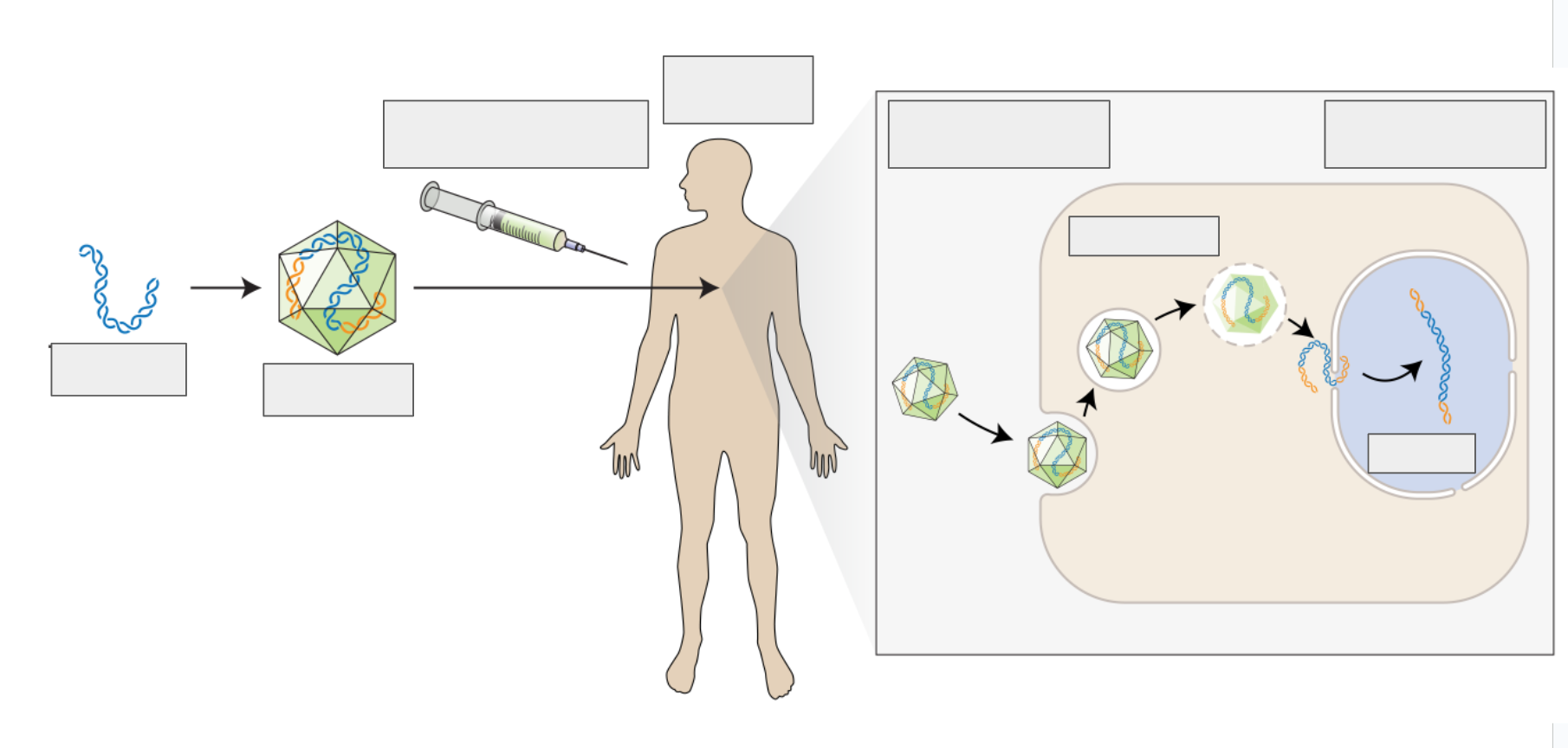
Label the stages of gene therapy. This image references HHMI, so if you are struggling, feel free to view that source above; there's a hint for the material not addressed.
Other Answer Choices:
tablet
therapeutic gene
lytic cycle
viral vector
nucleus
cytoplasm
pathogenic gene
injection
lysogenic cycle
patient

GENE SWITCHES

3

Gene switches regulate the expression of genes by binding to different proteins that affect the activity of RNA polymerase.

  • sickle cell phenotype
  • typical cell phenotype
  • adult hemoglobin produced
  • adult hemoglobin repressed
  • fetal hemoglobin produced
  • fetal hemoglobin repressed
  • Ingrid
  • Ceniya
Various Videos for Support

If I notice you are challenged by missing previous material or need a break from complex independent thinking to listen to a lecture, I might send you here to watch a quick video. You can also watch these independently if you notice you need support or you have extra time, to help you review/notice places for additional notes or practice.

All students: Monomers, Polymers, Synthesis and Digestion


Helpful for qs. in the embedded review section of Making and Breaking Macromolecules.

Required
0

I watched this monomers and polymers video

0

this monomer and polymer video helped me with... (write N/A if you didn't watch, otherwise recap here; I may use writing to help you with content and/or to provide extra credit.) You can upload pictures of written notes or graphic-designed notes if you prefer, or augment your answer with screencaps from the video.

Seniors: Water and Hydrogen Bonding

Reviews cohesion, adhesion, properties of water, partial negative charges, positive charges, etc. Also shows hydrogen bonding in DNA!

Required
0

I watched this water and hydrogen bonding video

0

This water and hydrogen bonding video helped me with... (write N/A if you didn't watch, otherwise recap here being specific; I may use writing to help you with content and/or to provide extra credit.) You can upload pictures of written notes or graphic-designed notes if you prefer, or augment your answer with screencaps from the video.

Seniors: Nucleic Acid Structure

including directionality nucleotides, dehydration synthesis reactions, nitrogenous bases and Chargaff's rules and their role in transcription, and prokaryotes, eukaryotes, viruses, plasmids, and DNA compared to RNA.
Required
0

I watched this nucleic acid video

0

This nucleic acid structure video helped me with... (write N/A if you didn't watch, otherwise recap here being specific; I may use writing to help you with content and/or to provide extra credit.) You can upload pictures of written notes or graphic-designed notes if you prefer, or augment your answer with screencaps from the video.

Various Notes
1

What I learned from Giant Steps (4th Period, 2.21; other classes, when asked to write)

You can write and/or draw and use slates or here.

Feedback
0

Please share anything else I need to know or requests you have regarding your experience in today's class.

0

I am feeling

0

I feel that my PEERS are being

0

I felt respected during this class by my peers

Connecting Models of Heredity and Genetic Engineering to Sickle Cell Anemia
5

DESCRIBE what you learned during the Giant Steps.

5

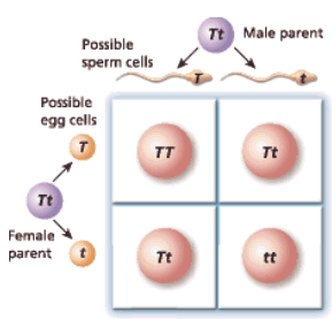
Write what you recall of monohybrid (2x2) Punnett squares.

You are encouraged to draw on slate and boogie board several different Punnett squares with different genotypes for the parents, show the crosses, etc, and then use those drawings to help you frame your writing.

Your answers, as usual, must be your own so I can use this information to adjust my instruction.

4
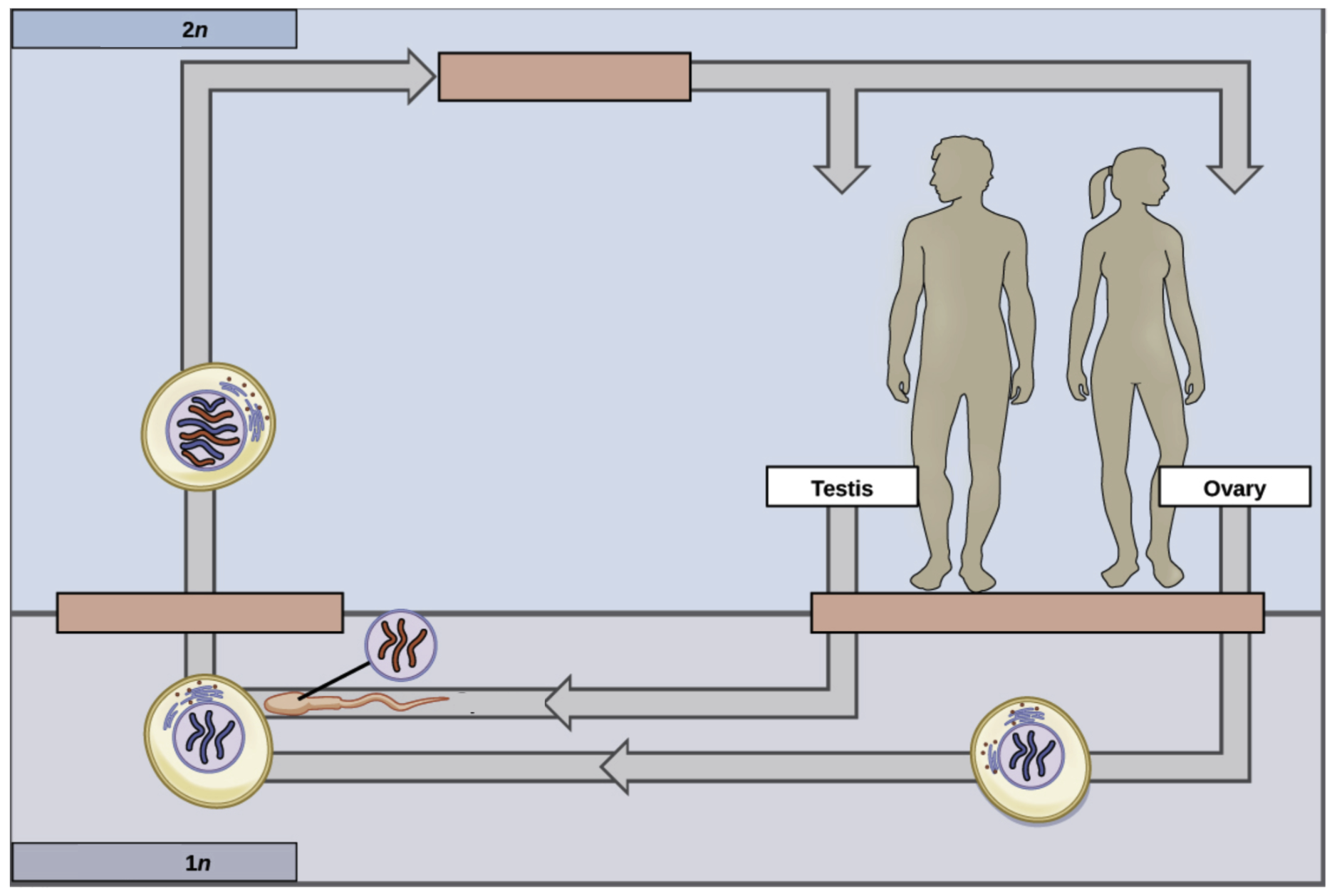
Label the life-cycle diagram. Complete what you can, make brief guesses, then, view hints for short paragraphs that describe the diagram.

(We may have discussed/had mini-lectures over the material in class, which is why the explanation is hidden for after your attempt. You should still review it!)
Other Answer Choices:
fertilization
haploid
sperm
diploid
egg
meiosis
zygote
mitosis
3
Label the life-cycle diagram.
Other Answer Choices:
somatic cell
process of combination
gamete
production of different cells
production of identical cells
1.5

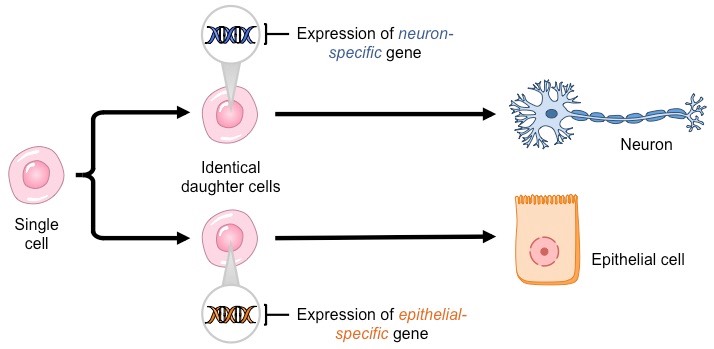
It makes sense that mitosis would be useful in repair, when you need to copy, say, a skin cell, to replace another skin cell. Yet, how can mitosis be responsible for the growth of an organism from a single-celled zygote to a full-fledged adult, if the process leads to identical daughter cells?

Each somatic cell of an organism, has the __________ DNA from being duplicated. However, these somatic cells- the neuron and epithelial cell- each have a different structure and therefore __________.

The aptly named process of __________ causes specific genes to be expressed in each daughter cell, which then causes the cells to develop the characteristics that make them useful for different body systems.
2

Match the term with the definition.

Draggable itemCorresponding Item
mitosis
produces somatic cells
meiosis
produces gametes
gamete
sex cells
somatic cells
body cells
2
A Punnett square models (c/o, asexual, sexual) _______ reproduction by nucleated cells, aka _______.
5
On the _______of the square, we place the _______ (aka n) sex cells. These are also known as _______ . In males, this genetic-information carrying cell is the _______ and females, this cell is the egg.

These cells are produced via _______, which reduced the chromosome count from 2n to n.
1
Sex cells will combine during the process of _______, which is what filling in the Punnett square will model.
5
On the _______ of the square, we write the genotype of the _______ (aka 2n) cell, the potential first cell of the new organism.

This cell is known as a _______. It is a body cell, the opposite of a gamete; we call it _______.

Over time, the single cell will grow to form a fetus. The cells will copy themselves over and over again, forming identical daughter cells; this process is called _______ .
7

Finally, what do the letters and information on the Punnett square represent?

Draggable itemCorresponding Item
allele EXAMPLE
t or T
genotype DEFINITION
blue eyes or brown eyes
allele DEFINITION
having an eye color
gene DEFINITION
a variant of a gene
gene EXAMPLE
a region of DNA that codes for a trait (protein, usually)
genotype is REPRESENTED by in the punnett square
Tt or TT or tt
allele is REPRESENTED by in the punnett square
the pair of alleles someone carries for a trait
4

Sexual Reproduction and Asexual Reproduction


The Punnett square is used for predicting genotypes and inferring __________ in sexual organisms, but wouldn't be useful for asexual organisms.

Asexual organisms clone themselves; for instance, yeast (a type of fungus) can self-clone via __________. Bacteria, however, reproduce via __________.

Asexual reproduction is __________ compared to sexual reproduction, but because it is cloning, it keeps the same flaws (and advantages) of the parent organisms. The only diversity asexual reproduction introduces is caused by __________ of the DNA sequence during __________ phase of interphase.

The Punnett square lets us see how the process of sexual reproduction generally __________ genetic diversity in the next generation. Many animals and plants reproduce sexually. Yeast can also reproduce sexually, producing gametes with __________.
3.5

Three Processes for Increasing Genetic Diversity in Sexual Reproduction

There are additional processes that increase genetic diversity during sexual reproduction.
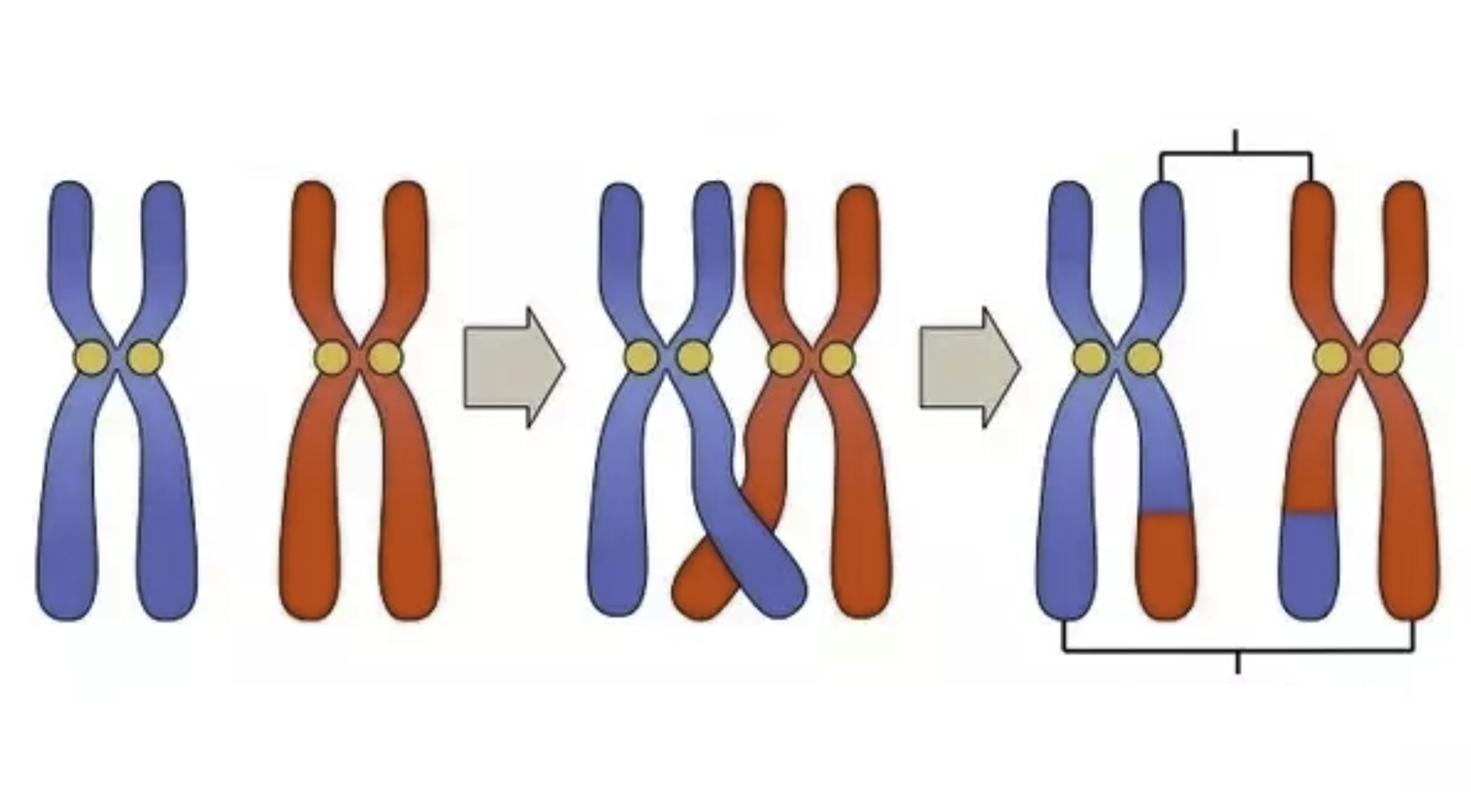
  • __________swaps genetic information between homologous chromosomes, which have the same general genes. This process happens during __________ and is not directly modelled on the Punnett square.
  • __________is represented on the __________ of the Punnett square; it means whichever allele for a particular gene is passed down from the parent is 'random'. For instance, a __________has 50% chance of passing on the recessive allele, and 50% chance of passing on the dominant allele.
  • __________ is represented on the __________ of the Punnett square; it means whichever sperm and egg combine cannot be predicted.
2
The process of crossing over in meiosis increases genetic diversity for sexual reproduction. Label the diagram to interpret this process.
Other Answer Choices:
homologous chromosomes align
non-recombinant chromatids
recombinant chromatids
heterologous chromosomes align
genetic information is swapped from one chromosome to the other
1
Label the life-cycle diagram with reference to events that are modelled on the Punnett Square.
Other Answer Choices:
crossing over
independent assortment
random fertilization
5

First, perform 3 Punnett square crosses. The sickle cell allele is recessive.

HA - typical cell
HS - sickle cell
  • Two typical blood cell producers
  • Two sickle cell carriers
  • A person with sickle cell and a person without.
Then, work with this page: https://www.sparksicklecellchange.com/sickle-cell-genetics/inheritance to check with your work and expand your understanding.

Write your takeaways below.

Feedback 2/29
0

I am feeling

0

I feel that my PEERS are being

0

I felt respected during this class by my peers

0

I feel I made 75 minutes + worth of academic progress during this class

0

Please share anything else I need to know or requests you have regarding your experience in today's class.