Upper Gastrointestinal System Review

Last updated over 1 year ago
27 questions
1

List the 4 major functions of the gastrointestinal system (in order of when they occur) without a comma in between them

1

Categorize the following into the two major categories of digestion:

  • Your stomach churns your food
  • Amylase breaks down starch
  • Your tongue helps to squish up your food in your mouth
  • Your teeth chew your food
  • Nuclease breaks down nucleic acids
  • Mechanical Digestion
  • Chemical Digestion
1. ORAL CAVITY
1

What kinds of digestion occur in the oral cavity?

1

What enzyme do your salivary glands produce?

1

What does the enzyme that your salivary glands produce break down?

1

What is the name of the reaction that this enzyme performs?

1

What is the ball of food that you swallow called?

2. PHARYNX
1

How many tubes does the pharynx split into?

1

Where does the trachea lead to?

1

What structure below the pharynx contains the vocal chords?

1

What structure (hopefully) prevents food from getting into the windpipe?

3. ESOPHAGUS
1

What major organ does the esophagus bring food to?

1

What is the muscle movement that helps food move down the esophagus?

1

What is the structure at the base of the esophagus that (hopefully) prevents food from getting back up into the esophagus from the stomach?

4. STOMACH
1

What kinds of digestion occur in the stomach?

1

What are the small indentations lining the stomach that release chemicals into the stomach?

1

What is released into the stomach that decreases the pH in the stomach and makes it more acidic?

1

What lines the stomach that helps to prevent it from being damaged or hurt by the acid inside the stomach?

1

What is the name of the non-functional enzyme that is released into the stomach (before it turns into a functional enzyme)?

1

What is the name of the functional enzyme that the enzyme from the previous question turns into in the presence of acid?

1

What does the enzyme from the previous question break down?

1

What is the mixture of HCl, mucus, pepsin, and food called?

Here are some questions about material we covered in class that wasn't in the videos (the teeth and complications/diseases that can occur in the GI system):
1

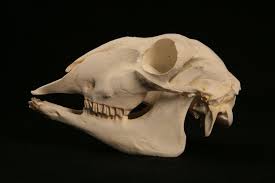
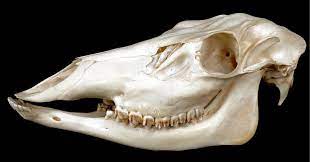
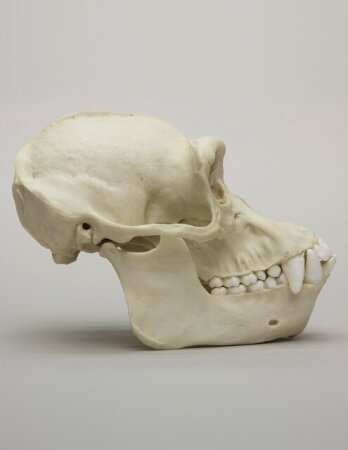
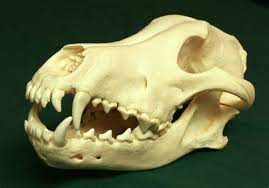
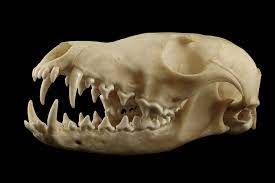
Sort the following skulls and molar types based on what the organism most likely ate.

  • Brachyodont/Bunodont molars
  • Carnassial molars
  • Hypsodont molars
  • Carnivore
  • Herbivore
  • Omnivore
1

What teeth are very prominent at the front of the mouth in carnivores that are good for piercing flesh when biting?

1

What are the teeth that are at the very front of the mouth called that are good for snipping off food when biting?

1

Which of the following occurs when there is damage to the lower esophageal sphincter/cardiac sphincter and stomach juices (which are acidic) move up into the esophagus?

1

If an individual has a severe negative reaction to gluten that causes the small intestine to become inflamed they might have ...