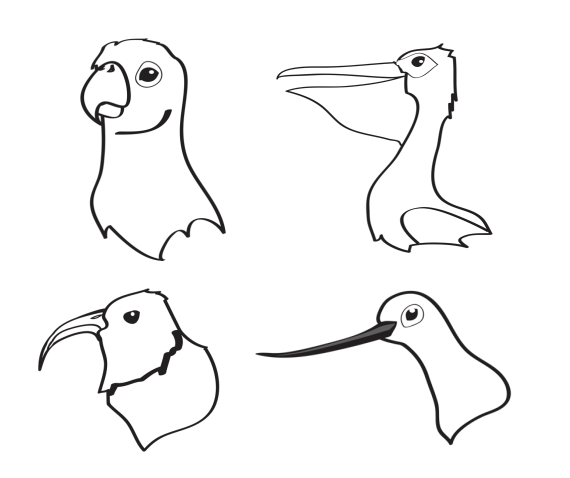
Ɛhia
5
Which bird beak is MOST adapted to
breaking seeds open.
Which bird beak is MOST adapted to
breaking seeds open.
Match each word with the correct definition
| Draggable item | arrow_right_alt | Corresponding Item |
|---|---|---|
Hibernation | arrow_right_alt | a body part |
Adaptation | arrow_right_alt | purpose of a structure |
Function | arrow_right_alt | to live |
Camouflage | arrow_right_alt | a characteristic that helps living things survive |
Structure | arrow_right_alt | body covering that blends in with the environment |
Survive | arrow_right_alt | A deep, sleep-like state |
Which bird beak is MOST adapted to
breaking seeds open.
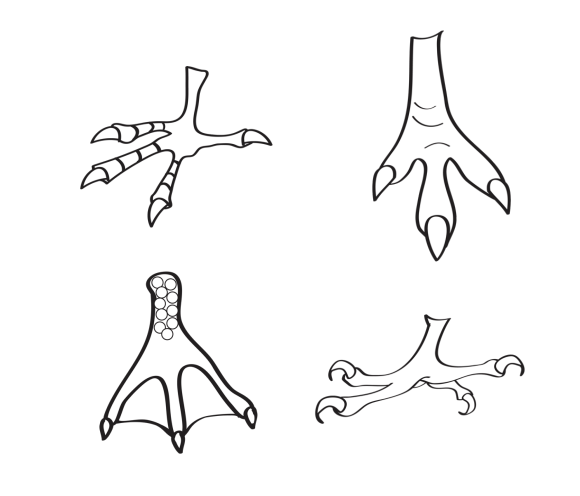
Which bird foot is MOST adapted to
swimming?
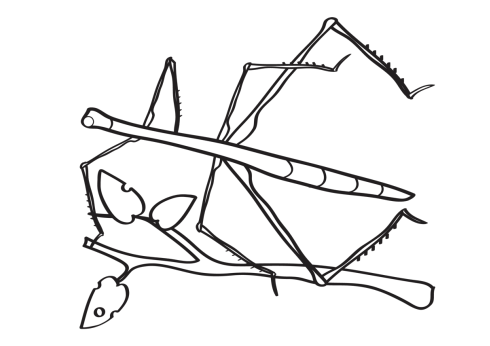
Which adaptation of the walking stick bug allows it to camouflage from predators?
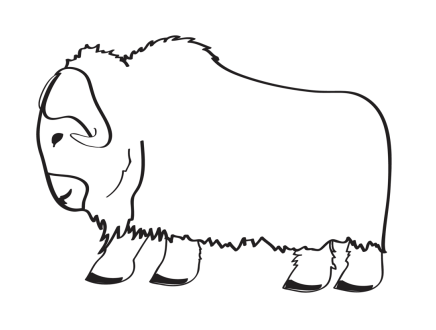
Which adaptation of the musk ox allows it to move and find plants during winter in the tundra?
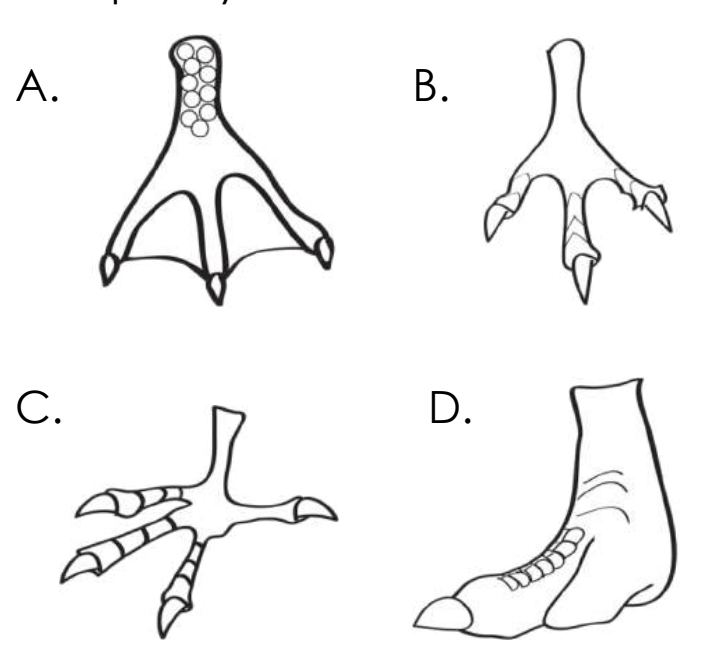
Which foot is best for a large
bird that needs to run
quickly on land?
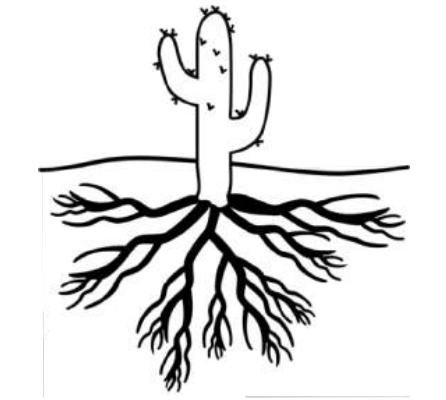
Why does a cactus have a long root system?
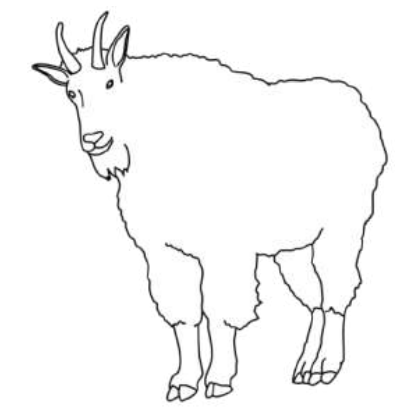
Which structure best helps mountain goats move along steep, jagged cliffs?
Which animal structure is used for obtaining food?
An organism's thick, white fur is an example of a structure.
An organism's long eyelashes is an example of their ecosystem.
The function of webbed feet is that it allows an organism to swim through water.
A bear is able to store fat so that it can adapt to cold environments by hibernating.
A bird's beak is NOT related to what it eats.
A plant's petals are responsible for collecting pollen from bees.