Calculate the height of the area of origin in the following diagram. Show your work and round to 2 decimal places.
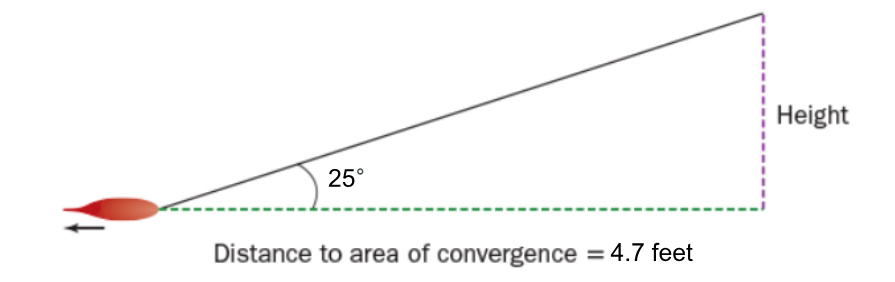
height =
Tuesday 2/26/24
Yesterday we
made notecards to help us distinguish between types of drugs
learned about the history of toxicology including the First Step Act (2018) and its intention to reduce recidivism
learned how to reverse an opioid overdose
Analgesics v. narcotics (opioids)
analgesics reduce the production of chemicals that cause pain
narcotics reduce our perception of pain
tylenol (Acetaminophen) = analgesic
Which of the following are examples of narcotics?
If you happen upon someone suffering from an opioid overdose, you should administer ____________.
Calculate the height of the area of origin in the following diagram. Show your work and round to 2 decimal places.
height =
Wednesday 2/27/2024
Match the term to its correct definition.
| Draggable item | arrow_right_alt | Corresponding Item |
|---|---|---|
dependency | arrow_right_alt | a physiological need for the substance |
Addiction | arrow_right_alt | physical or mental symptoms that result from reduced use of a drug |
withdrawal | arrow_right_alt | an intense craving for a drug without physical symptoms |
Drag each description/image to its proper category of drug intake.

Sam drank too much beer and is now under the influence.
inhalation
absorption (through skin)
injection
ingestion
Thursday 2/29/24
Sam realized he has an alcohol problem and his friends and family are cutting him off. He tells his doctor that he feels down and complains of intense migraines.
This situation is an example of
What is the difference between a narcotic (e.g. morphine) and an analgesic (e.g. Tylenol)?
Drugs that are ingested can be excreted through (select all that apply):