Unit 5.1 Test (Remediation)

Last updated over 1 year ago
15 questions
LT 5.1a Genotypes and Phenotypes
1

Which one of the following would have the same phenotype but different genotype?

1

Which statement best describes the relationship between an allele and a gene?

1

The passing on of traits from parent to offspring is known as...

1

Section of the DNA molecule that controls and determines the traits of an organism

1

Which of the following are genotypes (select all that apply)

LT 5.1b Monohybrid Punnett Squares
1

Punnet squares can be used to predict the probability of:

1

A cross between two pea plants with genotypes RR and Rr could have offspring with what genotype(s)? Show all work.

1

Brown hair (B) is dominant to Red hair (b).  If a woman is heterozygous for brown hair marries a man with red hair, what will the genotype and phenotype of the F1
generation be? Show all work:

1

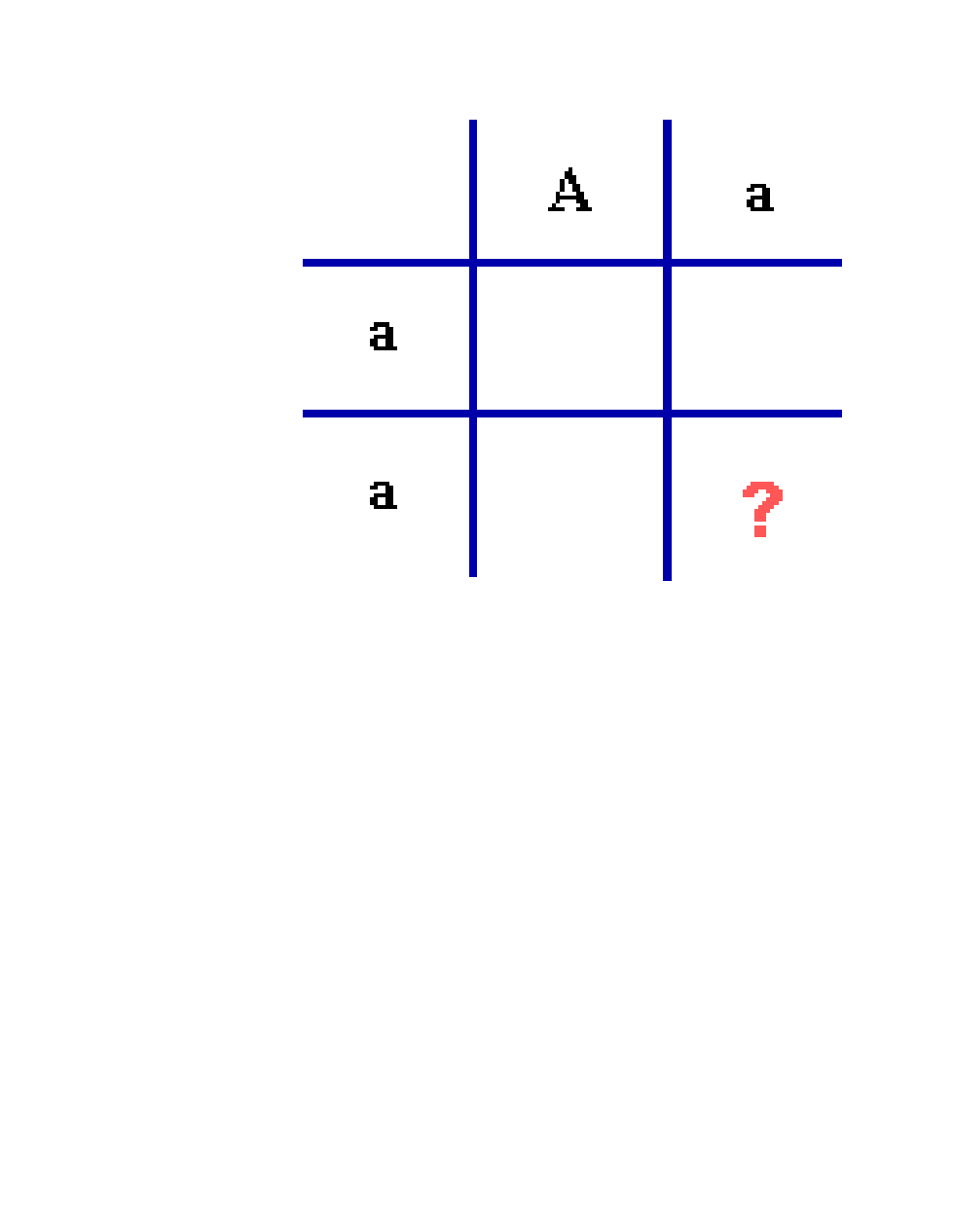
Punnet squares are created by geneticist to determine the probability of different offspring genotypes.  In the one shown below, what letter s belong in the lower right box?
1

If two people who are both carriers (heterozygous) for a genetically inherited fatal recessive disease decide to become parents, what will be the odds that their children will also be carriers?

LT 5.1c Statistics
1

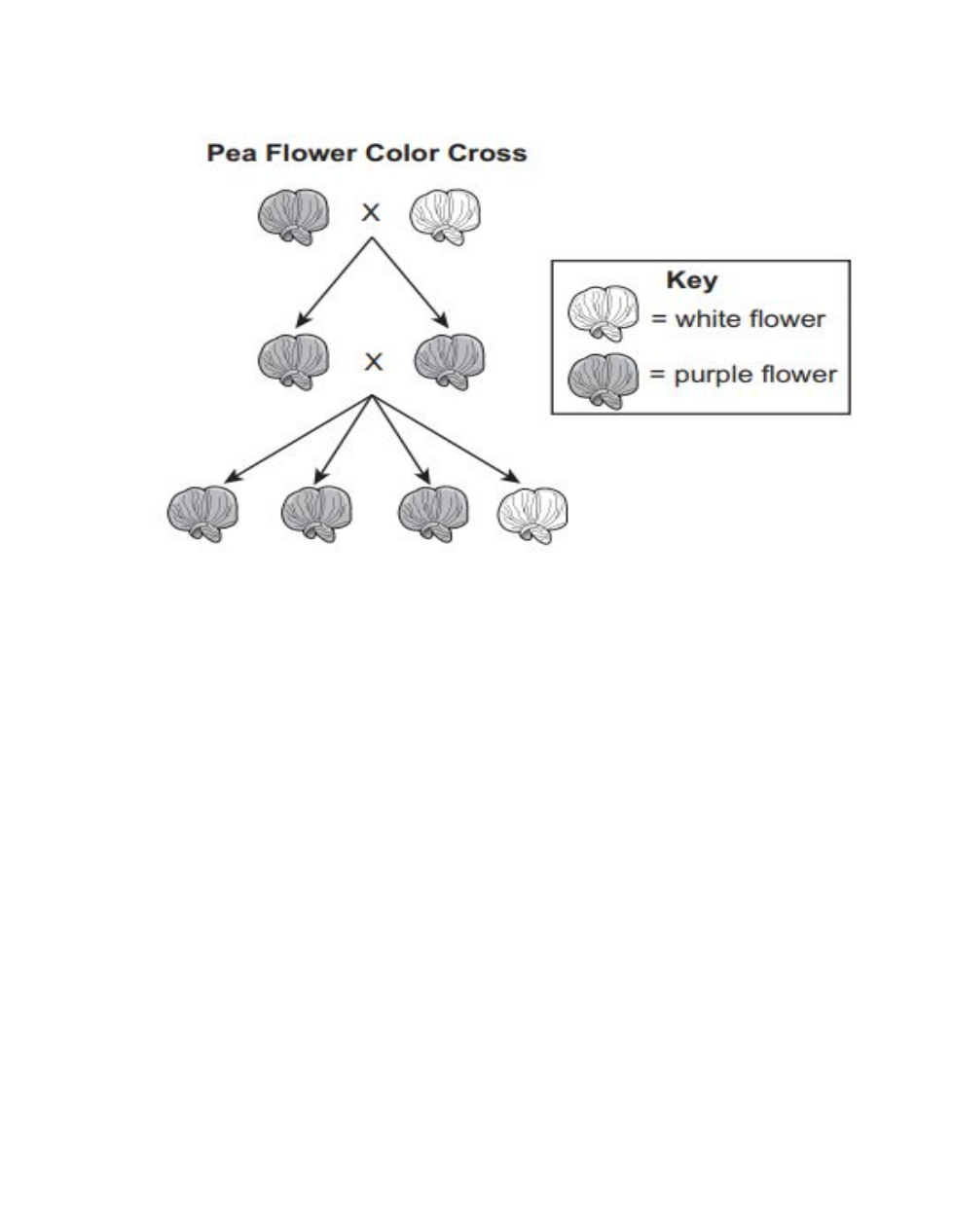
In pea plants, the flowers can be purple or white. The diagram shows three generations of pea plant crosses.
Using the pea flower color cross, identify the pattern of inheritance shown and explain how the cross shows this pattern.

1

When Mendel crossed a purple flowered pea plant with a white flowered pea plant, the offspring always had purple flowers. When he crossed the offspring with each other, the second-generation offspring had some white flower plants. What conclusions can can be drawn from this observation?

1

In guinea pigs black fur (B) is dominant over brown fur (b).  If you breed guinea pigs with the genotype Bb and Bb, what is the likelihood of breeding offspring that has black fur?

1

A heterozygous tall pea plant is crossed with a short plant. The probability that the offspring will be tall is

1

One of the parents of a child has phenylketonuria (PKU), which is caused by recessive alleles. The other parent does not have the PKU alleles (not a carrier either). What is the chance that the couple will have a child with phenylketonuria?