During the Middle Ages, castles played a crucial role in society. These impressive structures were more than just fortified homes for noble families; they were symbols of power, wealth, and protection. Castles were strategically built in key locations, such as atop hills or near water sources, to enhance their defensive capabilities. Let's delve deeper into the fascinating world of Middle Age castles.
One of the defining features of a medieval castle was its thick stone walls. These walls were designed to withstand attacks from enemies and provide a safe haven for the castle's inhabitants during times of war. Inside the walls, various buildings were arranged around a central courtyard. The keep, or main tower, served as the lord's residence and the last line of defense in case of a siege. Other structures, such as kitchens, storerooms, and stables, were also essential for the castle's functioning.
Castles were equipped with a range of defensive mechanisms to ward off intruders. These included moats, drawbridges, and thick wooden doors. Towers were strategically placed along the walls to provide vantage points for archers and guards to defend the castle from attack. In times of danger, the castle's inhabitants could seek refuge within the walls and rely on these defenses to keep them safe.
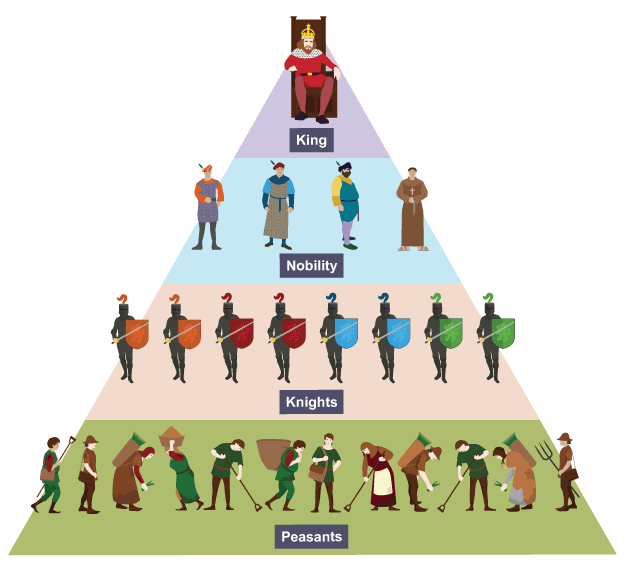
Life inside a castle was centered around the lord and his family. The lord oversaw the castle's operations and made important decisions regarding the land and its inhabitants. Knights and soldiers stationed at the castle trained regularly to be prepared for battle. Servants, craftsmen, and other workers kept the castle running smoothly by tending to its daily needs.
As society evolved and warfare changed, the importance of castles gradually declined. Advances in military technology made traditional castles vulnerable to new forms of attack. However, the legacy of Middle Age castles lives on, inspiring awe and wonder in those who visit these ancient relics of a bygone era.