Explain how inhaling carbon monoxide can cause death. Must include the name of the molecule and the cause of death to receive full credit.
Asemmisa {{asɛmmisaAhyɛnsode}}
2.
A metabolite is formed when the body _____.
Asemmisa {{asɛmmisaAhyɛnsode}}
3.
Controlled substances with accepted medical use, moderate potential for abuse, and moderate to low risk of dependence are considered _____ drugs.
Asemmisa {{asɛmmisaAhyɛnsode}}
4.
drug testing at the crime scene can be done quickly to assess whether drugs are present.
Asemmisa {{asɛmmisaAhyɛnsode}}
5.
A sudden unexplained death with no signs of trauma after an unexplained illness that recurred in cycles, was likely caused by .
Asemmisa {{asɛmmisaAhyɛnsode}}
6.
When investigating several deaths in a coastal town, investigators notice similarities. Families report that victims first reported flu-like symptoms followed by headaches and memory loss. Some reported their loved ones experienced balance problems and a change in personality over the span of a few weeks. Eventually, the victims experienced damage to the gums in the mouth followed by death. Investigators believe that the deaths are caused by _____.
Asemmisa {{asɛmmisaAhyɛnsode}}
7.
The revised the harsh drug penalties for those in federal prisons.
Asemmisa {{asɛmmisaAhyɛnsode}}
8.
Drug dependency is when _____.
Asemmisa {{asɛmmisaAhyɛnsode}}
9.
Drugs on have the highest potential for abuse and (typically) no known medical use.
Which of the following is a schedule I drug?
Asemmisa {{asɛmmisaAhyɛnsode}}
10.
An example of a preliminary test used at the crime scene is .
Asemmisa {{asɛmmisaAhyɛnsode}}
11.
Select all of the following substances that are narcotics:
Asemmisa {{asɛmmisaAhyɛnsode}}
12.
About 95–98 percent of alcohol is ultimatelyoxidized to which twosubstances? (Select 2).
Asemmisa {{asɛmmisaAhyɛnsode}}
13.
Alcohol that is not oxidized is expelled unchanged in what bodily excretions? (Select 3).
Asemmisa {{asɛmmisaAhyɛnsode}}
14.
Field sobriety tests typically involve the use of a(n) to check the suspect's . Mouth alcohol is alcohol present in a breath-test subject’s mouth. The presence of mouth alcohol can cause the alcohol concentration detected in exhaled breath to be than the actual concentration in the blood. Potential sources of mouth alcohol include (vomit), recent intake of an alcoholic beverage, and recent gargling of an alcohol-containing mouthwash.
Mmuae Afoforo a Wobɛpaw:
lower
gas chromatography
regurgitation
higher
defecation
breathalyzer
blood alcohol content (BAC)
Asemmisa {{asɛmmisaAhyɛnsode}}
15.
True/False:
Marijuana is the most heavily abused drug in Western countries.
Alcohol is a legal, potent drug that stimulates the central nervous system.
Tolerance of a drug occurs when your body responds to higher levels of the drug and finds ways to either block its effect or remove the substance faster from the body.
Asemmisa {{asɛmmisaAhyɛnsode}}
16.
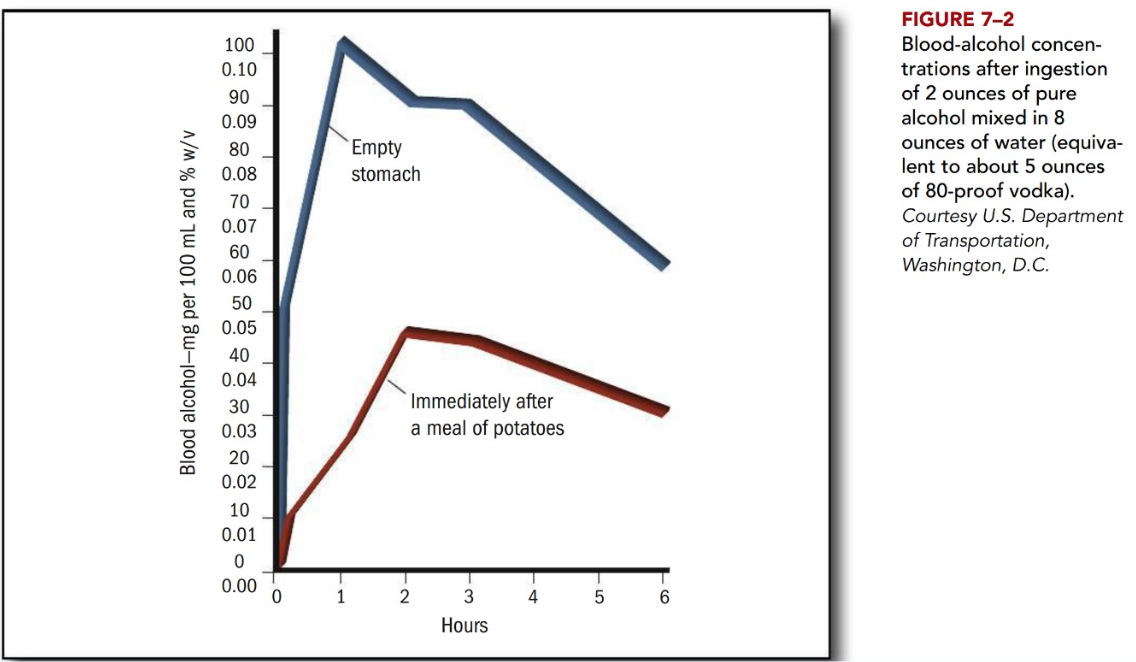
Examine the following graph and answer the complete the statements that follow.
The rate of alcohol absorption on a full stomach is the rate of absorption on an empty stomach. The longer the total time required for the complete absorption of alcohol, the will be the peak alcohol concentration in the blood.
Asemmisa {{asɛmmisaAhyɛnsode}}
17.
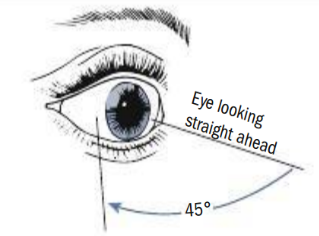
is one type of field sobriety test that involves having the suspect track a visual stimulus positioned 12 inches from their face. If the suspect's BAC is or greater, jerking will occur prior to the eye reaching 45 degrees.
Asemmisa {{asɛmmisaAhyɛnsode}}
18.
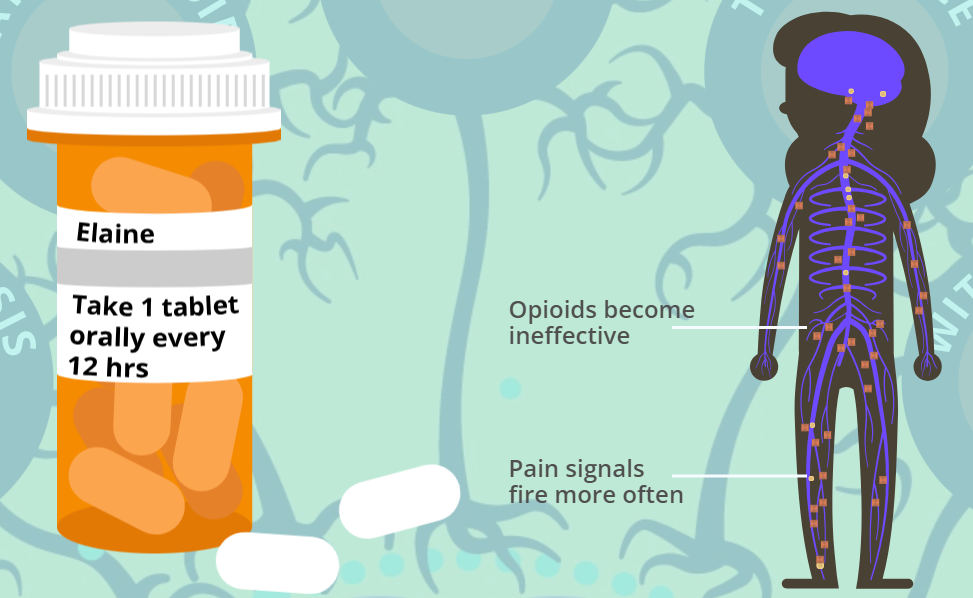
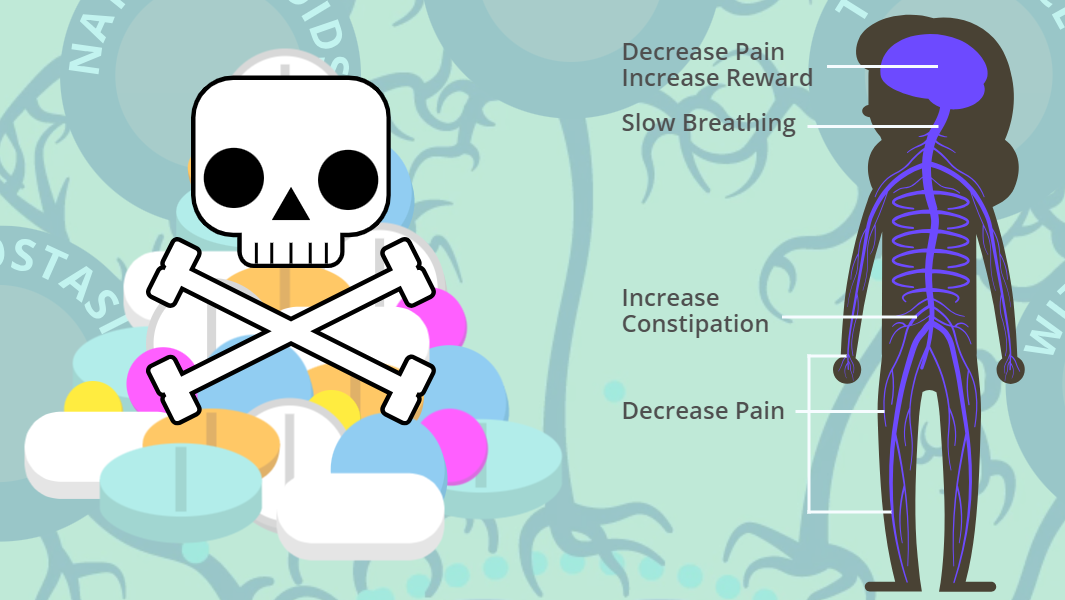
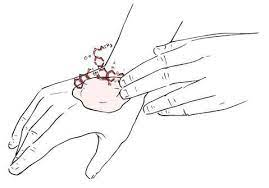
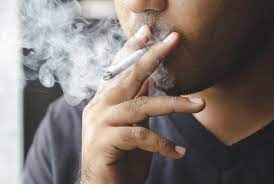
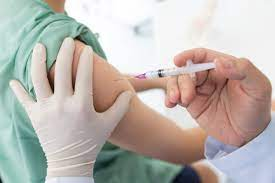
Examine the images and complete the passage by selecting the best word for the given scenario.
The longer Elaine takes , the more her nervous system changes. In her pain pathway, neurons shift to a state where it’s much easier for them to fire an action potential, sending the message that she’s in pain. And the message now gets through, even when opioids are in there to block it. This is an example of .
Over time, the same dose is not sufficient to decrease the pain in Elaine's broken leg. Elaine may begin taking larger doses of her prescribed medication, putting her at risk of an overdose. Her caretakers should keep nearby to reverse the effects of an opioid overdose.
Asemmisa {{asɛmmisaAhyɛnsode}}
19.
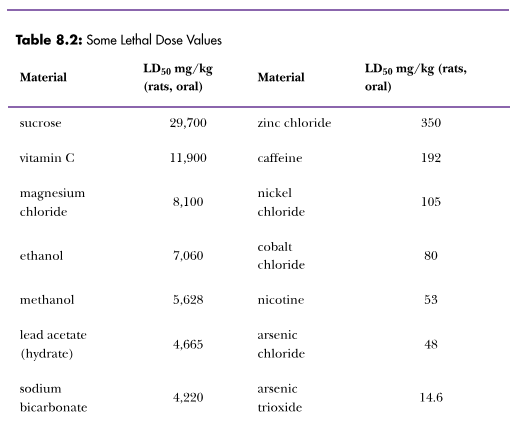
Use the table to order the given substances from least toxic to most toxic.
Mmuae Afoforo a Wobɛpaw:
vitamin C
ethanol
nicotine
methanol
Asemmisa {{asɛmmisaAhyɛnsode}}
20.
Calculate the BAC of former pro fighter Muhammad Ali after drinking 2 12-oz cans of Mike's hard lemonade (5% ABV; Muhammad Ali is 236 lbs).
BAC (round to 2 decimal places)
The rate of alcohol elimination from the blood is 0.015 BAC per hour. Using your answer from the previous question, calculate the number of hours necessary to eliminate all alcohol from Ali's body.
hours (round to 2 decimal places)
Asemmisa {{asɛmmisaAhyɛnsode}}
21.
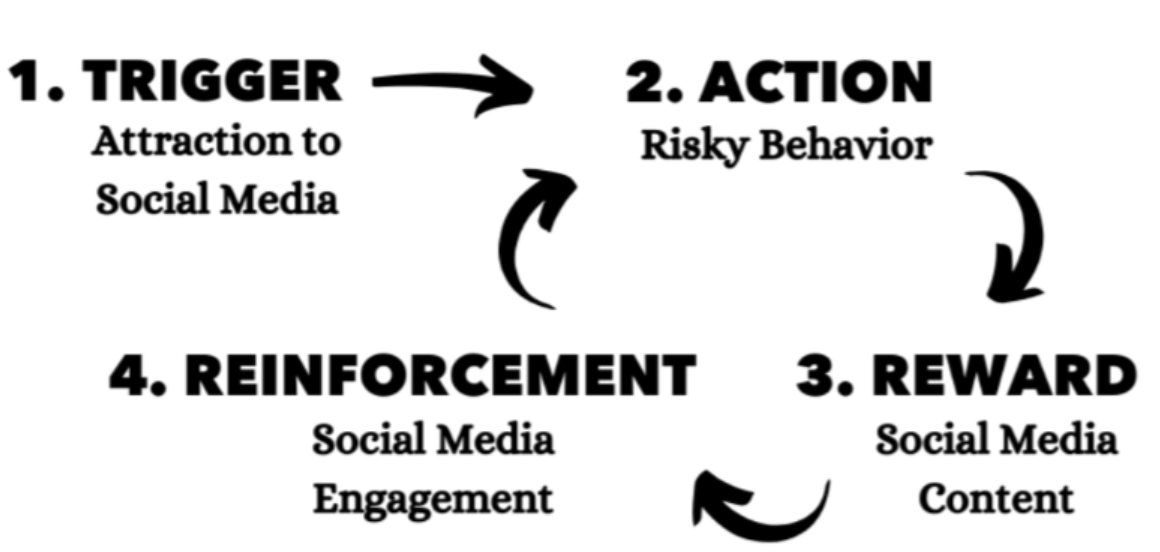
The above figure is known as a(n) . Substances/behaviors that take advantage of this idea engage with the brain's . The neurotransmitter responsible for reinforcing these positive emotions is .
Mmuae Afoforo a Wobɛpaw:
compulsion loop
serotonin
fight-or-flight response
dopamine
reward pathway
Asemmisa {{asɛmmisaAhyɛnsode}}
22.
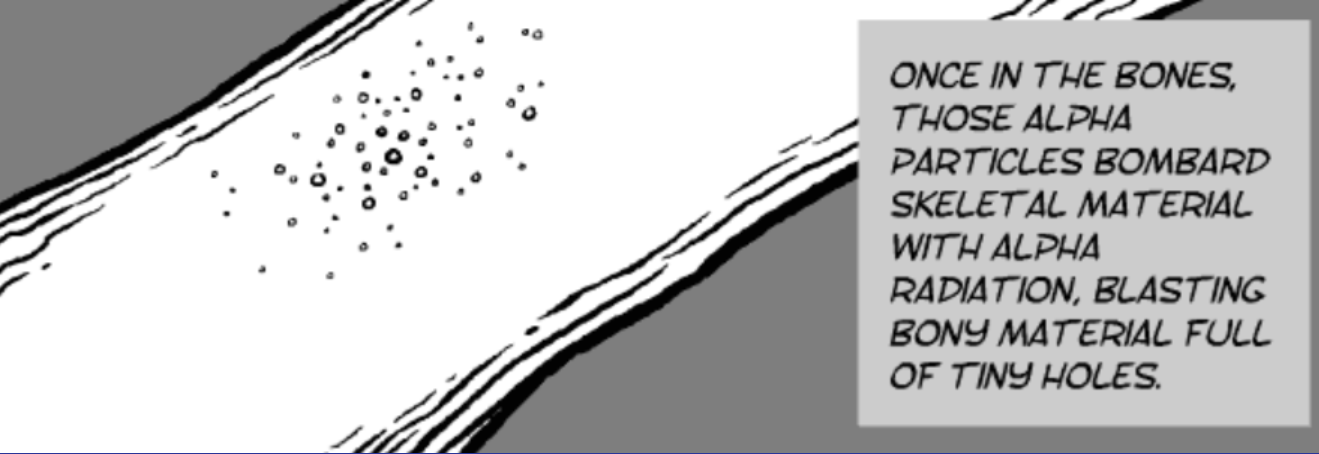
Radiation damage to the bones is characteristic of poisoning.
Asemmisa {{asɛmmisaAhyɛnsode}}
23.
The LD50 of lead acetate is 614 mg/kg (oral; rats). How many mg would be lethal in a 165-lb adult?
1 kg = 2.2 lbs
mg (round to the nearest whole number)
Certain vitamin supplements contain 50mg of lead per pill. How many pills would be lethal in the same 165-lb adult?
pills (use answer from previous questions; round to the nearest whole number)
Asemmisa {{asɛmmisaAhyɛnsode}}
24.
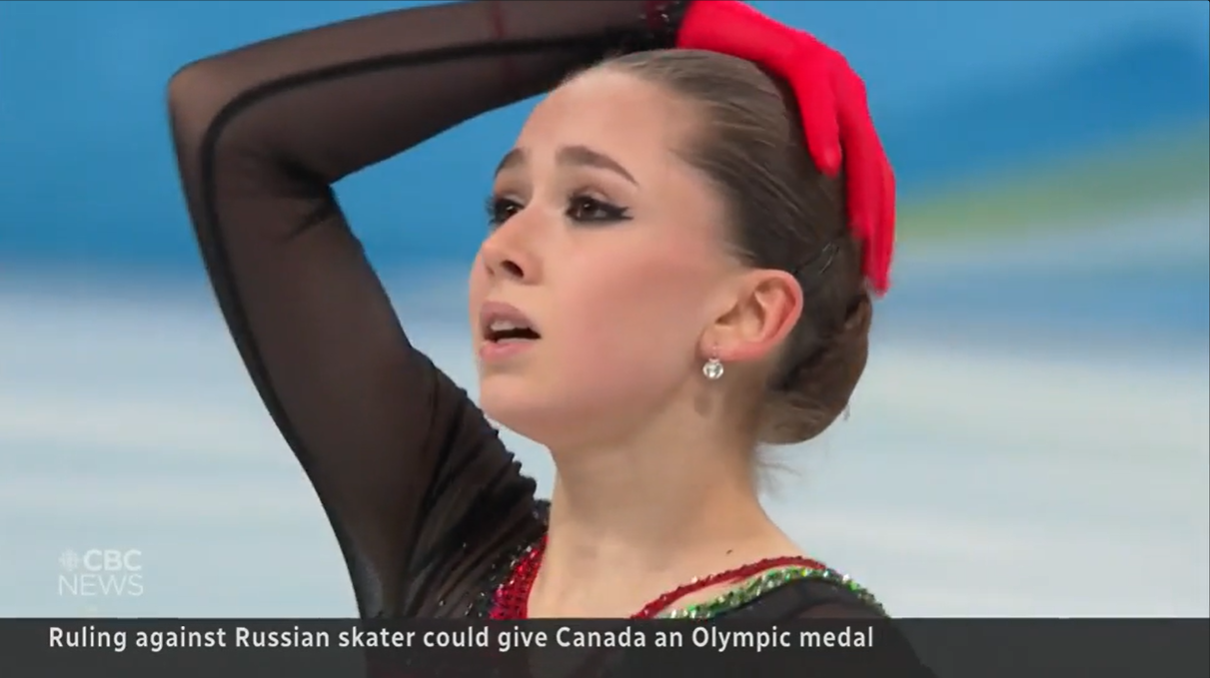
Russian figure skating prodigy Kamila Valieva was accused of doping in the 2022 Beijing Olympics. One type of performance-enhancing commonly used to induce cell growth in professional athletes is _________.
Asemmisa {{asɛmmisaAhyɛnsode}}
25.
Categorize the following substances.
alcohol
fentanyl
cocaine
MDMA (ecstasy)
heroin
LSD
hallucinogens
narcotics
stimulants
depressants
Asemmisa {{asɛmmisaAhyɛnsode}}
26.
Drag each description/image to its proper category of drug intake.
Sam drank too much beer and is now under the influence.
inhalation
absorption (through skin)
injection
ingestion
Asemmisa {{asɛmmisaAhyɛnsode}}
27.
Match the term to its correct definition.
Draggable item
arrow_right_alt
Corresponding Item
dependency
arrow_right_alt
a physiological need for the substance
addiction
arrow_right_alt
physical or mental symptoms that result from reduced use of a drug
withdrawal
arrow_right_alt
an intense craving for a drug without physical symptoms
Asemmisa {{asɛmmisaAhyɛnsode}}
28.
Which of the following affect the toxicity of a substance? Select all that apply.
Asemmisa {{asɛmmisaAhyɛnsode}}
29.
Which of the following options is the least invasive way to test whether a person has been using substances?
Asemmisa {{asɛmmisaAhyɛnsode}}
30.
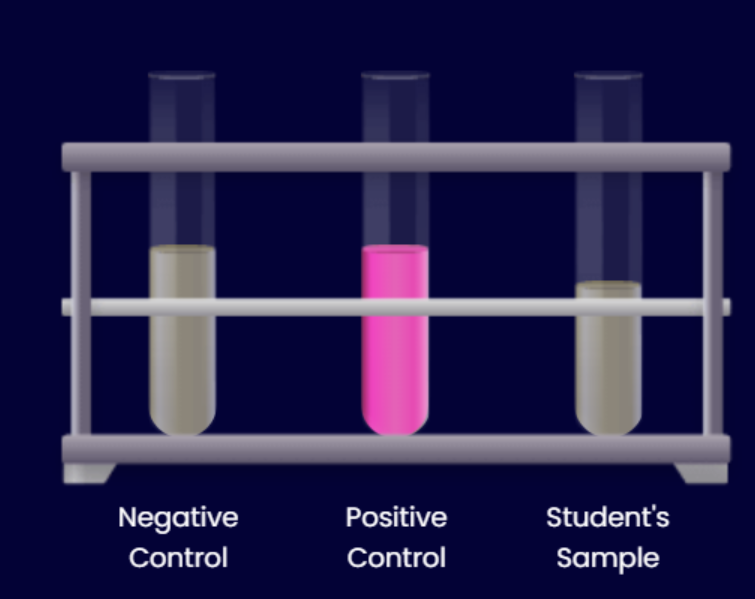
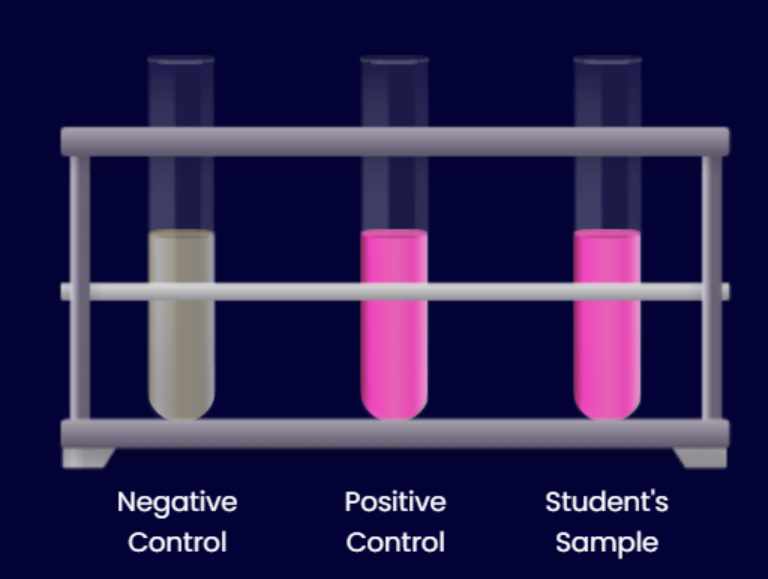
A urine test was taken from a student suspected of using substances at school. Below is the toxicologist's lab set-up prior to adding the chemical reagent.
The initial test the toxicologist will perform on the student's urine sample is known as a(n) drug test. After adding the reagent to the student's sample the toxicologist gets the following results:
The student's urine contain drugs. is necessary to determine the ID of the substance.