Follow the directions below.
What is Feudalism?
What caused the decline of Feudalism?
Why were serfs and peasants valued during the decline of Feudalism?
During the Renaissance period, which took place from the 14th to the 17th century, there was a significant revival of art, learning, and culture in Europe. This period marked a transition from the medieval era to modern times. The Renaissance was characterized by a renewed interest in classical art, literature, and learning from ancient Greece and Rome. Humanism played a key role during this time, focusing on the study of human potential, achievements, and the importance of individualism. Major figures of the Renaissance include artists like Leonardo da Vinci, Michelangelo, and writers such as William Shakespeare. One of the most impactful inventions of this period was the printing press, invented by Johannes Gutenberg, which revolutionized the spread of knowledge by making books more accessible and affordable. Overall, the Renaissance was a time of great cultural growth and innovation that had a lasting impact on art, science, and society.
The Impact of the Printing Press
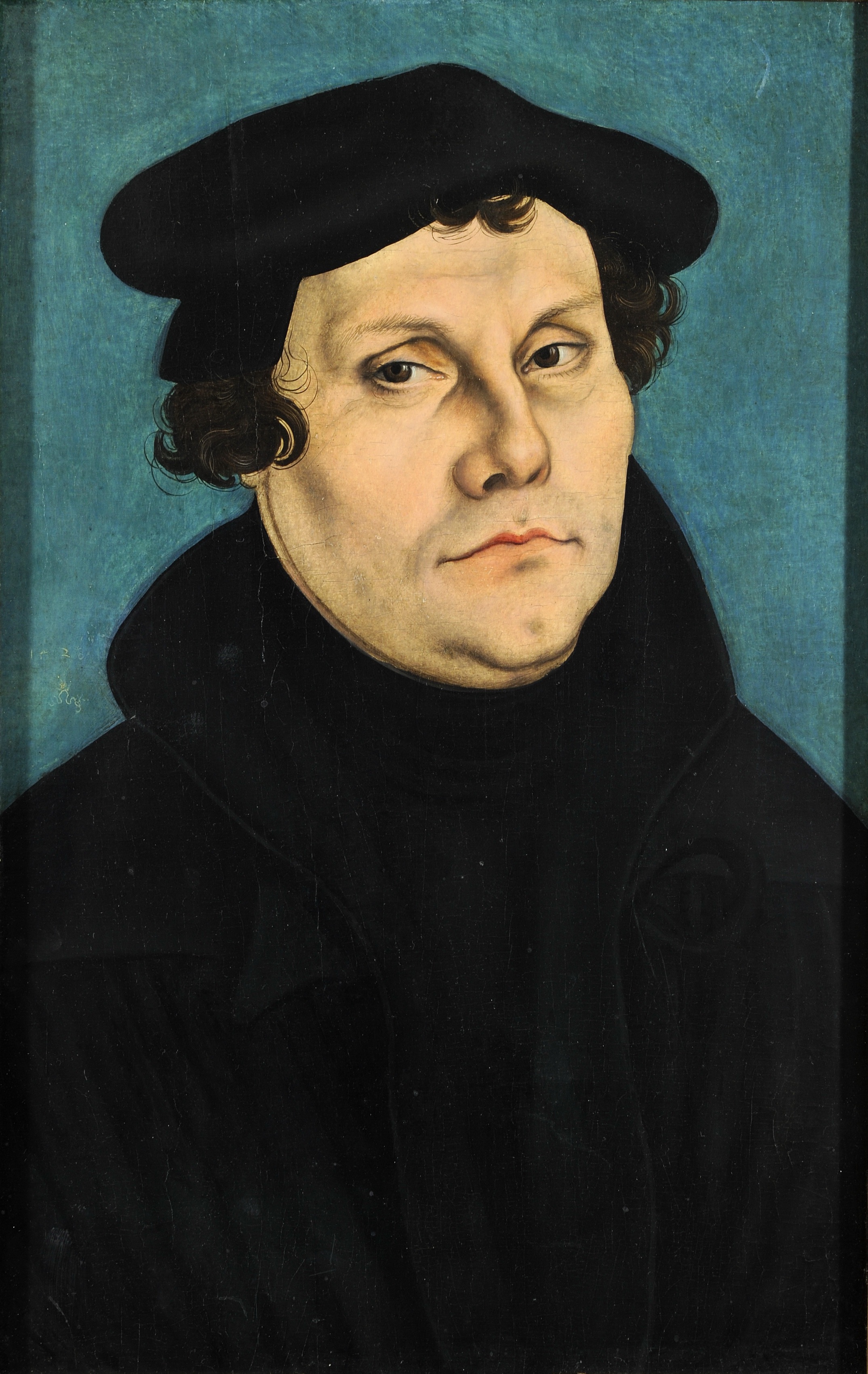
The printing press, invented by Johannes Gutenberg in the 15th century, revolutionized the way information was shared. Before the printing press, books were copied by hand, making them rare and costly. With the press, books could be mass-produced quickly and inexpensively. This led to an increase in literacy rates and the spread of new ideas across Europe. The printing press played a key role in the Reformation, as Martin Luther used it to distribute his ideas challenging the Catholic Church. Gutenberg's invention paved the way for the modern world of widespread literacy and easily accessible information.
Title: The Protestant Reformation
Alright, let's dive into the Protestant Reformation! So, back in the 16th century, there was this big shake-up in the Christian Church called the Protestant Reformation. It all started because some people had criticisms of the Catholic Church. They felt like it was too focused on money and power, and they didn't like some of the practices, like selling indulgences. Then along came bold reformers like Martin Luther and John Calvin. Martin Luther, a fiery monk, nailed his famous 95 Theses to a church door, calling out the church's wrongdoings. John Calvin, another key figure, had his own ideas about reforming the church. The actions of these reformers sparked a huge movement that led to Christianity splitting into different denominations. People began to form new groups, like Lutherans and Calvinists, with their own beliefs and practices. This division forever changed the Christian world, shaping the diversity we see in Christianity today.
Title: The Great Schism: A Divisive Split in the Church In the history of the Christian church, the Great Schism refers to the split that occurred in 1054 AD between the Eastern Orthodox Church and the Roman Catholic Church. This division was primarily due to disagreements over religious practices and authority. The Eastern Orthodox Church, based in Constantinople (modern-day Istanbul), believed in the authority of the Patriarch and practiced liturgy in Greek. On the other hand, the Roman Catholic Church, centered in Rome, recognized the Pope as the ultimate authority and conducted services in Latin. The Great Schism had significant cultural and political implications, leading to a deep division between the Eastern and Western Christian churches that still exist today. It also had lasting effects on the development of Europe and the spread of Christianity. Despite efforts at reconciliation over the centuries, the two branches of Christianity remain separate to this day.
What did the 95 Theses criticize within the Catholic Church?
What was the main idea behind the Protestant Reformation?
Who was a key figure in the Protestant Reformation?
Which movement challenged the authority of the Catholic Church?
What was the impact of the printing press on the Reformation?
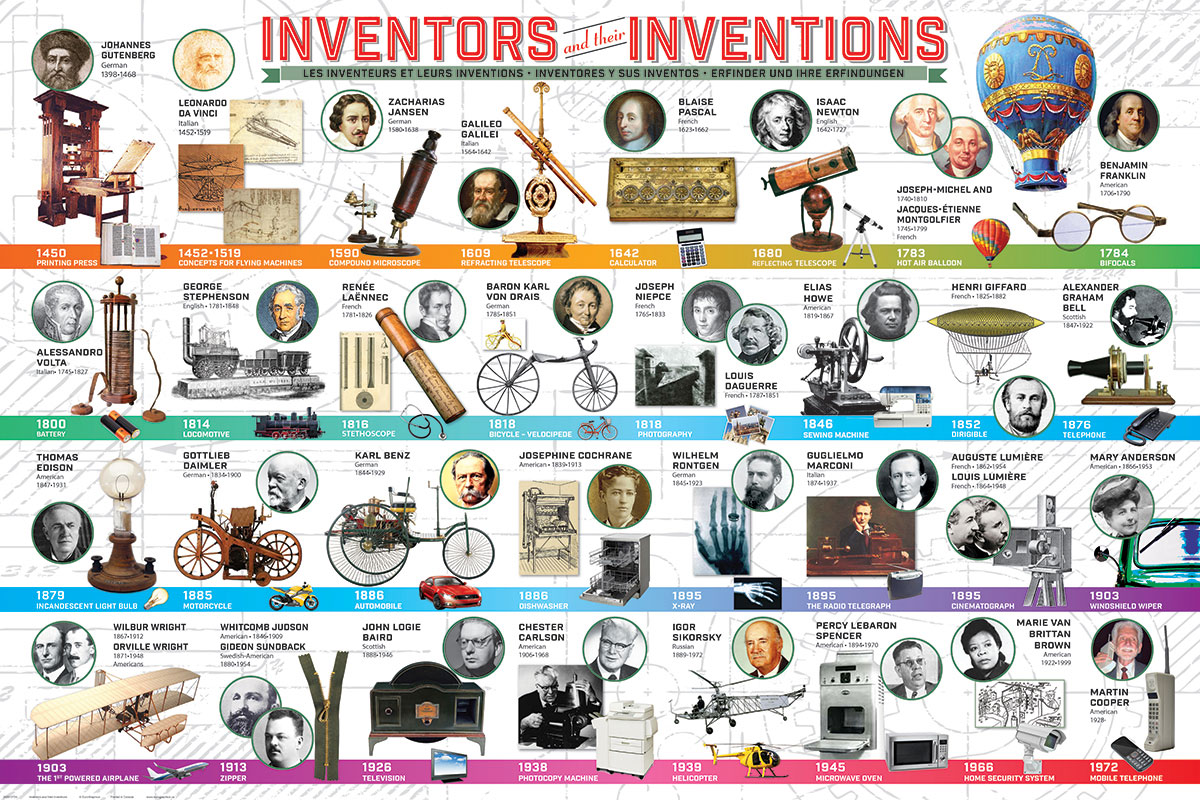
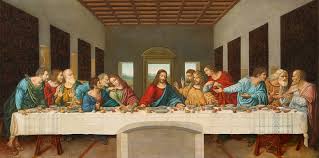
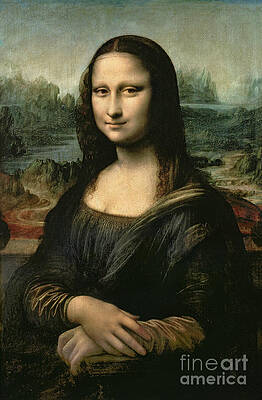
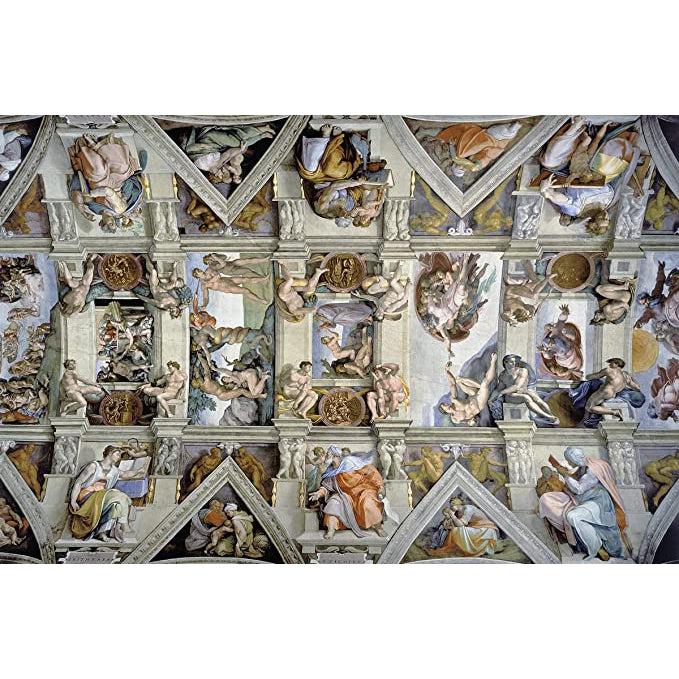
During the Renaissance period in Europe, many remarkable individuals emerged who made significant contributions to art, science, and literature. Leonardo da Vinci, a true Renaissance man, was a genius known for his talents in painting, sculpture, engineering, and anatomy. He created timeless masterpieces like the Mona Lisa and The Last Supper, showcasing his unparalleled skill and creativity. Galileo Galilei, an Italian astronomer and mathematician, revolutionized our understanding of the universe with his discoveries using the telescope. He confirmed the heliocentric model proposed by Nicolaus Copernicus, which placed the Sun at the center of the solar system. Galileo's work laid the foundation for modern astronomy. Michelangelo Buonarroti, another Italian artist, is renowned for his breathtaking sculptures like the David and the Pietà, as well as his iconic frescoes on the ceiling of the Sistine Chapel in the Vatican City. His artworks embody the principles of the Renaissance, emphasizing realism and emotion. William Shakespeare, the legendary English playwright and poet, is considered one of the greatest writers in the English language. His plays, such as Romeo and Juliet, Hamlet, and Macbeth, explore universal themes and continue to captivate audiences worldwide with their depth and complexity. Nicolaus Copernicus, a Polish mathematician and astronomer, challenged the prevailing geocentric view of the universe by proposing a heliocentric system where the planets revolve around the Sun. His revolutionary theory paved the way for a new understanding of the cosmos and laid the groundwork for modern astronomy. These extraordinary individuals from the Renaissance era have left an indelible mark on history, inspiring generations with their creativity, innovation, and intellect.
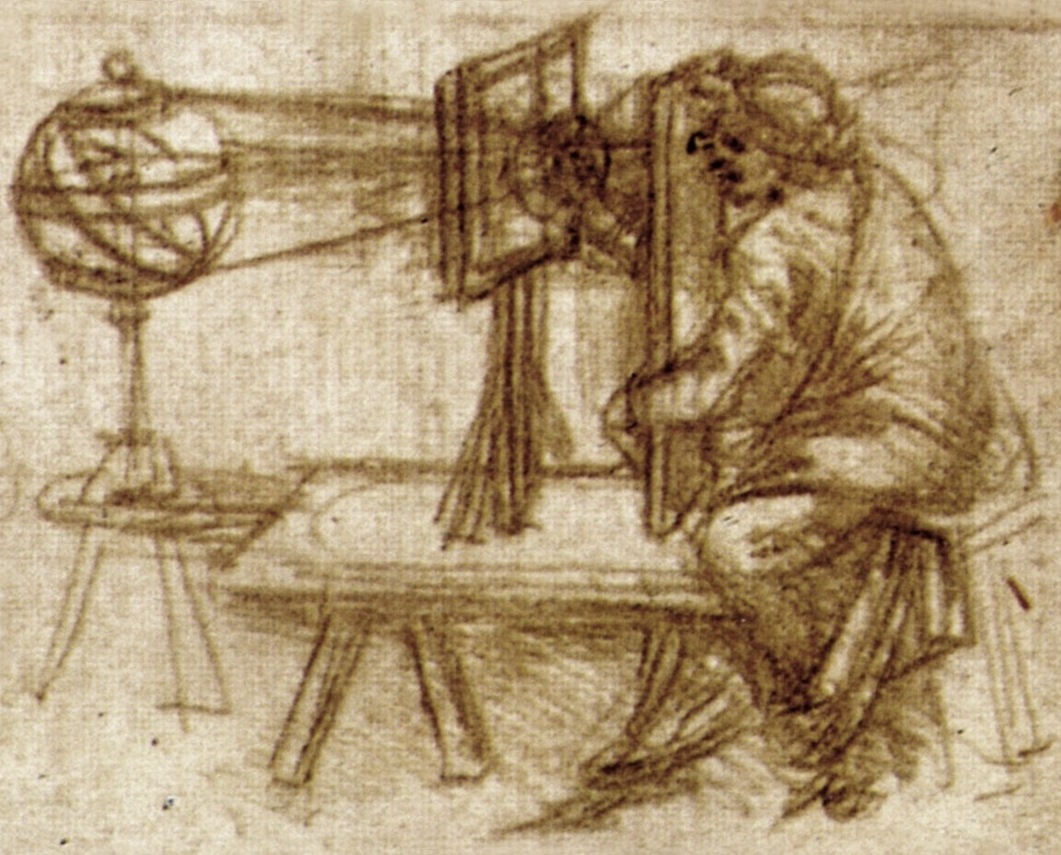
Construct and use a replica of Leonardo's drawing machine to create a drawing with a natural and correct perspective.
Leonardo's Perspective - Leonardo's Window
"The most praiseworthy form of painting is the one that most resembles what it imitates" - Leonardo da Vinci
Look around you! People and objects look larger when they are nearby and smaller when they are far away. But how can we realistically capture this on a canvas?
During the Renaissance in Italy, architects and artists investigated the question of how to draw three-dimensional objects on flat surfaces. They began to think of a painting as an "open window" through which the viewer sees the painted world.
Painter and architect Leon Battista Alberti wrote an influential book in 1435 that included a system of mathematical rules known as linear perspective to help painters achieve their goal of realism. Leonardo da Vinci probably learned Alberti's system while serving as an apprentice to the artist Verrocchio in Florence.
"Perspective is nothing else than seeing a place or objects behind a plate of glass, quite transparent, on the surface of which the objects behind the glass are to be drawn" – Leonardo da Vinci
Just knowing that an object that is further away in a painting should look smaller wasn't enough for Leonardo da Vinci, he wanted to find ways to more realistically and consistently capture depth in his artwork.
Leonardo learned the rules of perspective and practiced using a window as a device for drawing perspective correctly while he was an apprentice in Verrocchio’s studio. In his notebooks, he wrote and sketched his ideas, and described his experiments and observations.
Could a machine help capture perspective?
Building off of his observations, Leonardo invented a machine to help him sketch scenes with the correct linear perspective. This machine was called a perspectograph, and it was made of a pane of glass in a frame with a small viewing slot. Leonardo put the pane of glass in front of the scene he wished to paint, then looked through the viewing slot and sketched the outline of the scene onto the pane of glass. The rough outline on the glass was then used as a guide for the final painting on canvas, ensuring the final scene matched the perspective as it was viewed by the artist.
Since Leonardo’s time, many other artists have created their own versions of the perspectograph to bring realism to their artwork.
Main Idea: Students use a glass window as a canvas. Looking through one eye they can trace the outlines of objects seen through the window to create a drawing with a natural and correct perspective.
Learning Objectives: To become more aware of perspective. To learn and apply a Renaissance technique for creating proper perspective in drawing a scene.
Time: 30 minutes
Materials: windows with views, sheets of paper, and straight edges
Teaching Tip: If you have large windows with views and a large number of portable chairs, all your students may be able to do this activity at one time. More likely you will want to explain the procedure and then have a few students try it at a time.
Procedure:
Place the chair close to the window but facing backward.
Sit with your legs around the chair's back.
Hold the paper to the window centered at eye level.
Close one eye.
Carefully trace the outlines of the objects you see through the window. You may want to use a straight edge when tracing straight lines.
If you stop to rest, be careful not to move, and be sure to put your paper back in the same place.
Where is the horizon line in your picture? Looking back at the original view may help you locate it.
Can you find any lines or pieces of lines coming closer together as they approach the horizon line? These are orthogonal lines. Can you find the vanishing point? If you aren't sure where it is, try using a straight edge to extend any receding straight lines you find until they meet at the horizon line.
The perspectograph is a device or an instrument used to verify or have an aid in the plane representation of the three-dimensional physical space. Since the Fifteenth Century, artists have added to the study of perspective the use of perspectographs in order to better translate the three-dimensionality of their subject into a two-dimensional representation. The first group of perspectographs was based on the principle, defined by Leon Battista Alberti and subsequently codified by Leonardo, of intercepting and anchoring the figure with a plane of intersection of the visual cone. In the second group, the intersection plane consists of a grid that divides the scene, therefore, the artist could transfer it to an equally squared sheet of paper.
What was a key focus of humanism during the Renaissance period?
Who invented the printing press during the Renaissance period?
Which art form saw a revival during the Renaissance as artists took inspiration from ancient Greece and Rome?
What major effect did the printing press have on book production?
Who was the inventor of the printing press in the 15th century?
How did the printing press impact literacy rates in Europe?
How did the printing press contribute to the Reformation?
Who were two key figures in the Protestant Reformation?
What action did Martin Luther take that sparked the Protestant Reformation?
What was one of the criticisms people had about the Catholic Church during the Protestant Reformation?
What was the primary cause of the Great Schism?
Where was the Eastern Orthodox Church primarily based?
Which church recognized the Pope as the ultimate authority?
What language was primarily used in the liturgy of the Eastern Orthodox Church?
Match the Renaissance individual to their contribution or achievements.
| Draggable item | arrow_right_alt | Corresponding Item |
|---|---|---|
Leonardo da Vinci | arrow_right_alt | Confirmed heliocentric model |
Galileo Galilei | arrow_right_alt | Wrote plays like Hamlet and Macbeth |
Michelangelo Buonarroti | arrow_right_alt | Painted the Mona Lisa |
William Shakespeare | arrow_right_alt | Sculpted the David |
Connect the Renaissance individual to their area of expertise.
| Draggable item | arrow_right_alt | Corresponding Item |
|---|---|---|
Galileo Galilei | arrow_right_alt | Painting, sculpture, engineering, anatomy |
Leonardo da Vinci | arrow_right_alt | Sculpture, frescoes |
William Shakespeare | arrow_right_alt | Astronomy, mathematics |
Michelangelo Buonarroti | arrow_right_alt | Playwright, poet |
Pair the Renaissance personality with their famous masterpiece or work.
| Draggable item | arrow_right_alt | Corresponding Item |
|---|---|---|
William Shakespeare | arrow_right_alt | Ceiling of the Sistine Chapel |
Michelangelo Buonarroti | arrow_right_alt | The Last Supper |
Galileo Galilei | arrow_right_alt | Romeo and Juliet |
Leonardo da Vinci | arrow_right_alt | Telescope discoveries |
Match the Renaissance figure to the idea they are associated with.
| Draggable item | arrow_right_alt | Corresponding Item |
|---|---|---|
Galileo Galilei | arrow_right_alt | Renaissance man |
Leonardo da Vinci | arrow_right_alt | Realism and emotion in art |
Michelangelo Buonarroti | arrow_right_alt | Greatest writer in English language |
William Shakespeare | arrow_right_alt | Heliocentric model |